Buying a home is a significant milestone in anyone’s life, and one essential step in the process is signing a home purchase agreement. A home purchase agreement, also known as a purchase agreement or sales agreement, is a legally binding contract between a buyer and a seller outlining the terms and conditions of the sale. It is crucial to understand the details of this agreement to ensure a smooth and successful home buying experience.
In this article, we will delve into the what, why, what to include, how to, and tips for navigating the home purchase agreement process.
What is a Home Purchase Agreement?
A home purchase agreement is a written contract that outlines the terms and conditions of the sale of a residential property between a buyer and a seller. This agreement typically includes details such as the purchase price, closing date, contingencies, and any other conditions that must be met for the sale to proceed. It serves as a roadmap for the entire home buying process, ensuring that both parties are on the same page and understand their obligations.
Why is a Home Purchase Agreement Important?
A home purchase agreement is essential for both buyers and sellers as it provides legal protection and clarity throughout the transaction. For buyers, it ensures that the property will be taken off the market and reserved for them until the closing date. It also outlines the conditions under which the buyer can back out of the deal without facing significant financial penalties. For sellers, the agreement guarantees that the buyer is serious about purchasing the property and prevents them from accepting other offers during the negotiation period.
What to Include in a Home Purchase Agreement
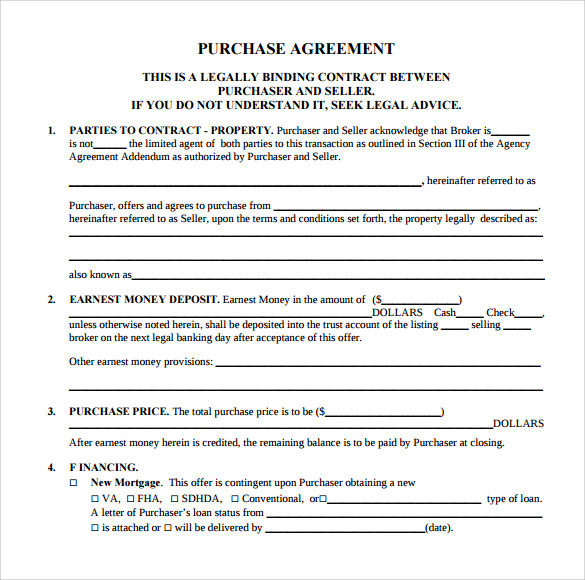
When drafting a home purchase agreement, several key elements must be included to protect both parties and ensure a successful transaction. These elements may vary depending on the specific details of the sale, but some common components to include are:
- Identification of the Parties: The agreement should clearly identify the buyer and seller by their full legal names and addresses.
- Property Description: A detailed description of the property being sold, including the address and any relevant legal descriptions.
- Purchase Price: The agreed-upon purchase price for the property and any terms related to financing or payment.
- Contingencies: Any conditions that must be met for the sale to proceed, such as home inspections or appraisal requirements.
- Closing Date: The date on which the sale will be finalized, and ownership of the property will transfer from the seller to the buyer.
- Deposit Amount: The amount of money the buyer will submit as a deposit to secure the sale.
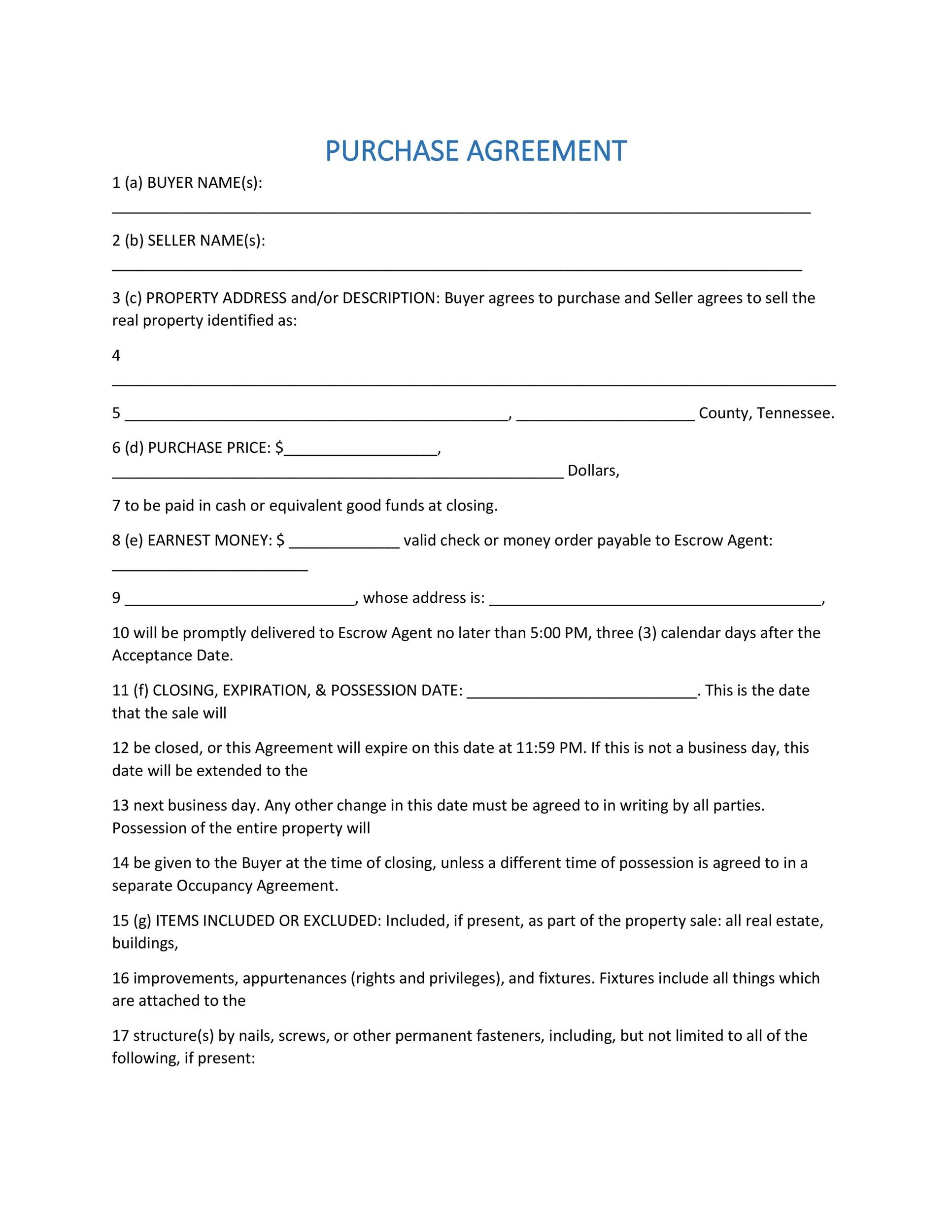
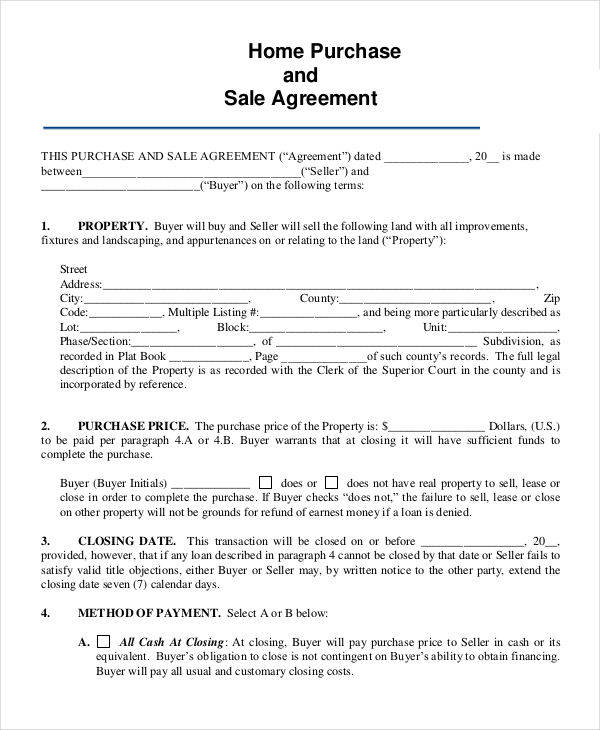
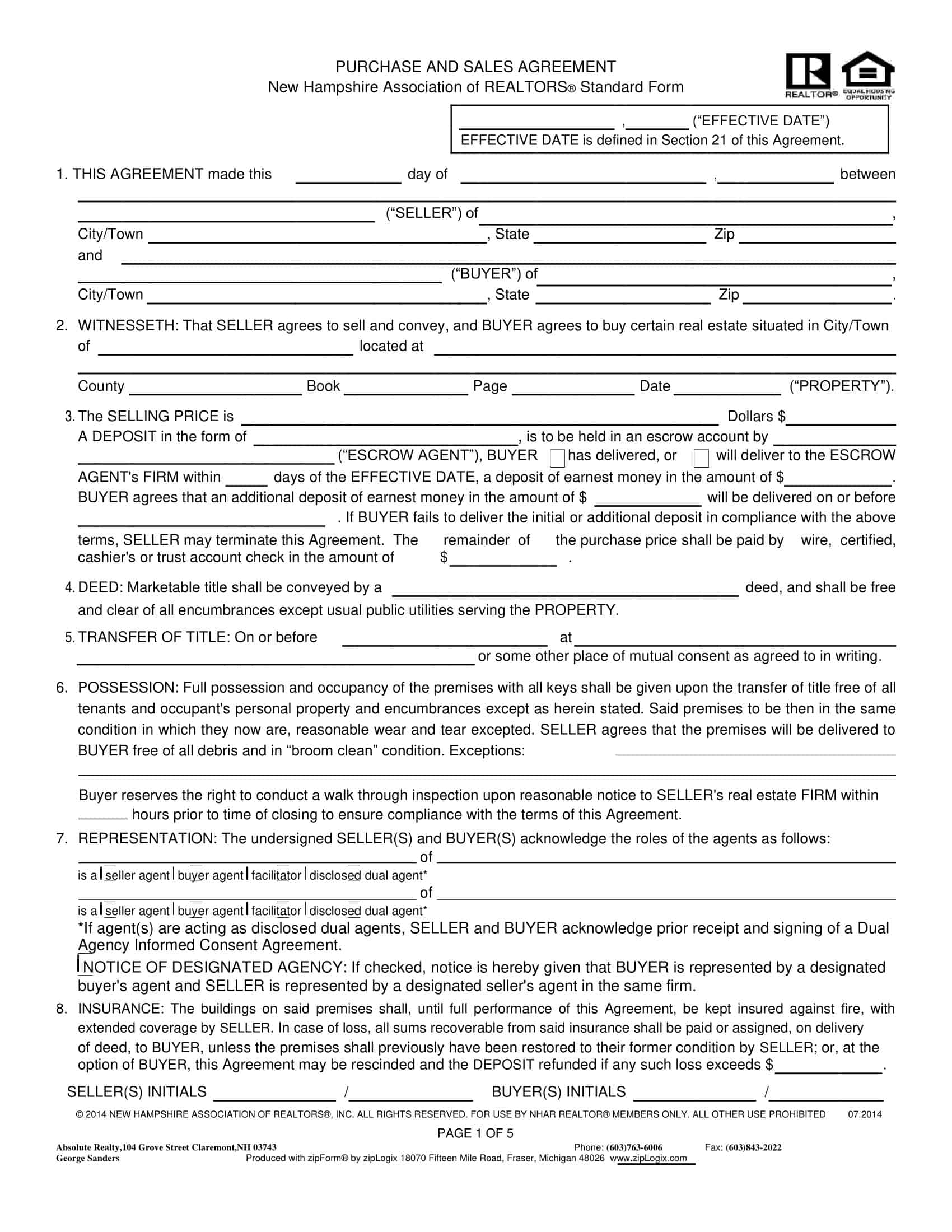
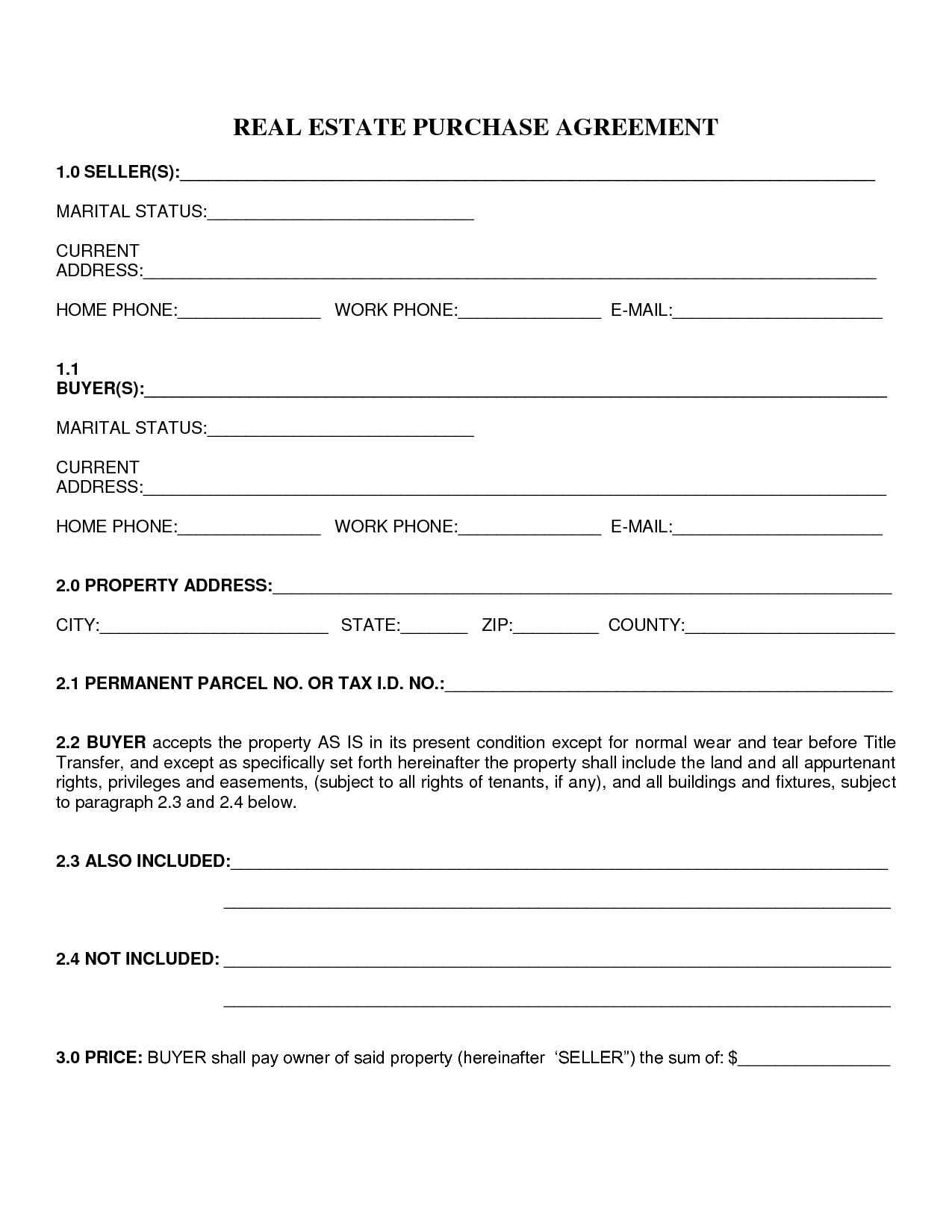
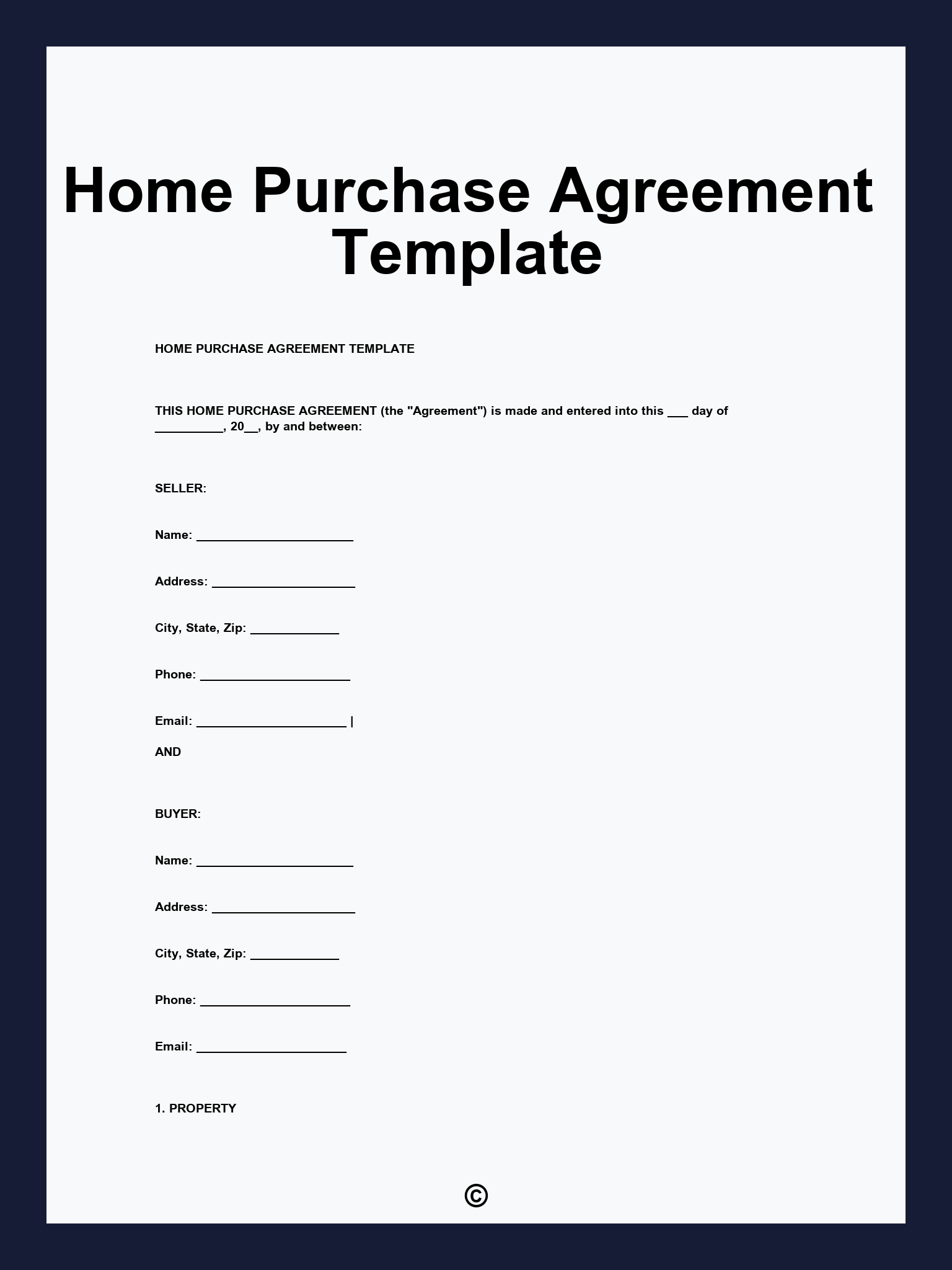
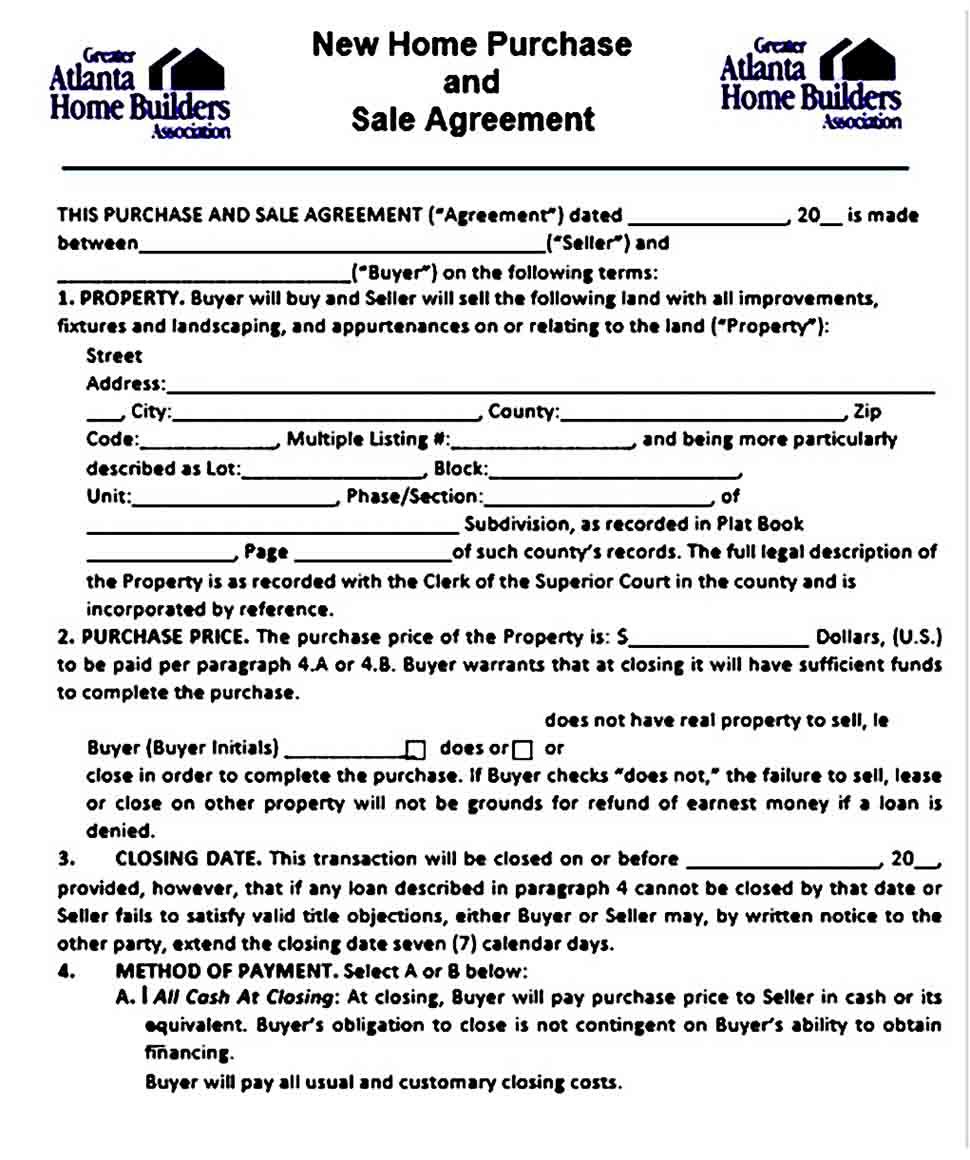
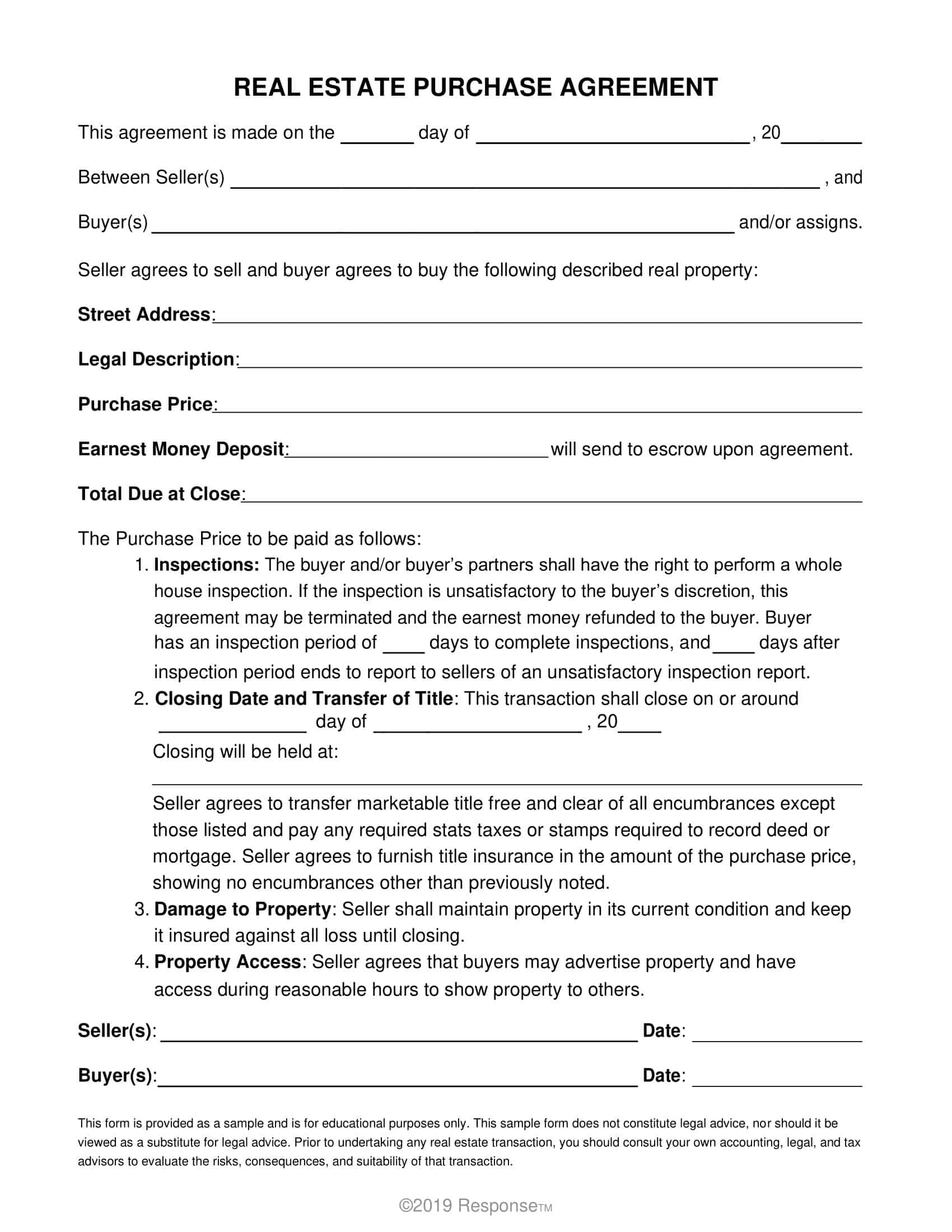
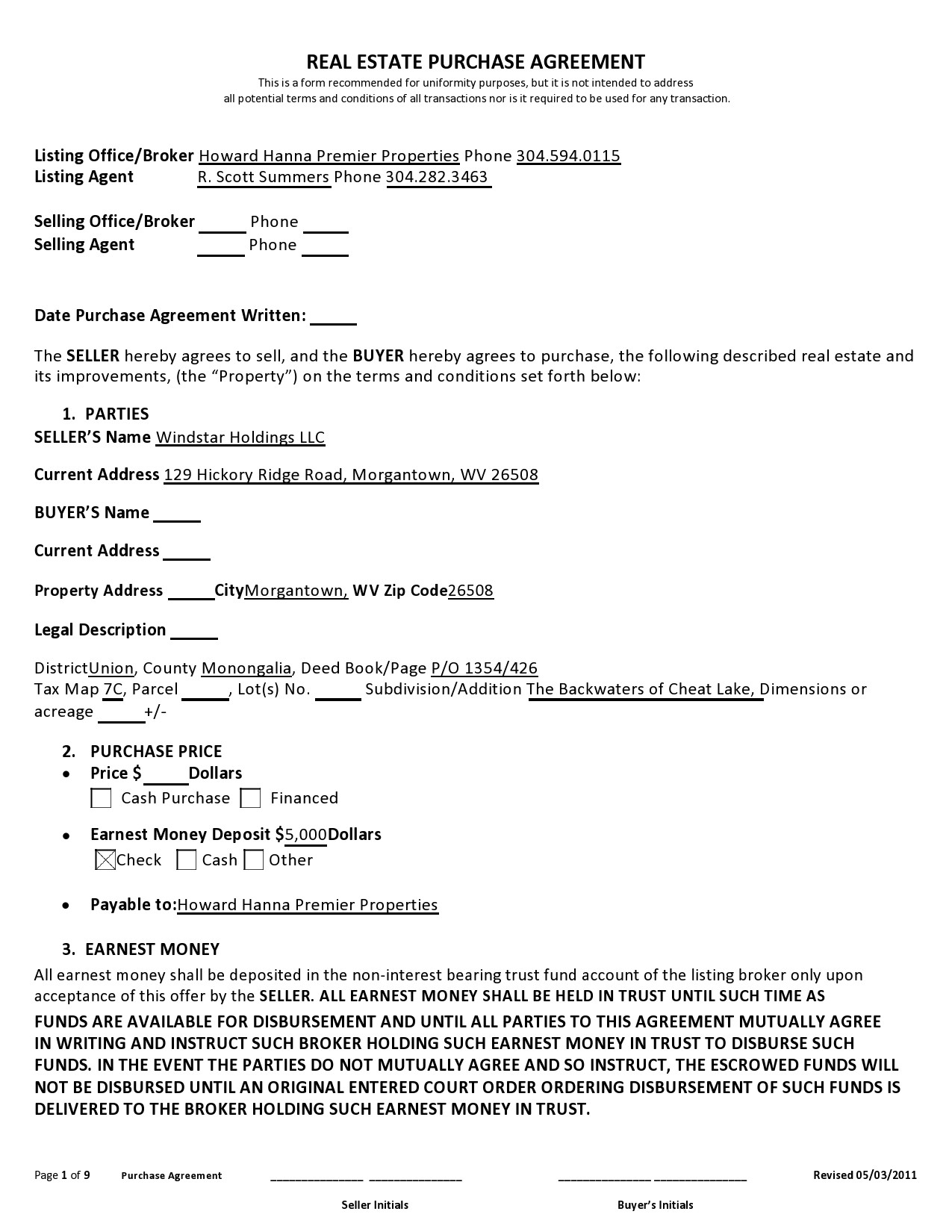
Examples
How to Negotiate a Home Purchase Agreement
Negotiating a home purchase agreement can be a complex process, but with the right approach, both buyers and sellers can reach a mutually beneficial agreement. Here are some tips for negotiating a home purchase agreement:
- Do Your Research: Research the local real estate market and comparable properties to determine a fair purchase price.
- Understand Your Needs: Clearly define your needs and priorities before entering into negotiations to ensure you are seeking a property that meets your criteria.
- Communicate Effectively: Clearly communicate your expectations and concerns with the other party to find common ground and reach a compromise.
- Consult with Professionals: Consider working with a real estate agent or attorney to guide you through the negotiation process and ensure your interests are protected.
Tips for a Successful Home Purchase Agreement
When navigating the home purchase agreement process, there are several tips to keep in mind to ensure a successful transaction:
- Get Everything in Writing: Ensure that all terms and conditions of the sale are clearly outlined in the agreement to avoid misunderstandings or disputes later on.
- Review the Agreement Carefully: Take the time to review the agreement thoroughly and seek clarification on any terms or conditions you do not understand before signing.
- Work with Professionals: Consider hiring a real estate agent, attorney, or other professionals to assist you in drafting and reviewing the agreement to protect your interests.
Conclusion
A home purchase agreement is a crucial document in the home buying process, outlining the terms and conditions of the sale between a buyer and a seller. By understanding what to include in this agreement, how to negotiate it effectively, and following the tips for success, both parties can navigate the transaction with confidence and achieve a successful outcome. Remember to seek guidance from professionals and carefully review the agreement before signing to ensure a smooth and seamless home buying experience.
Home Purchase Agreement Template – Download
