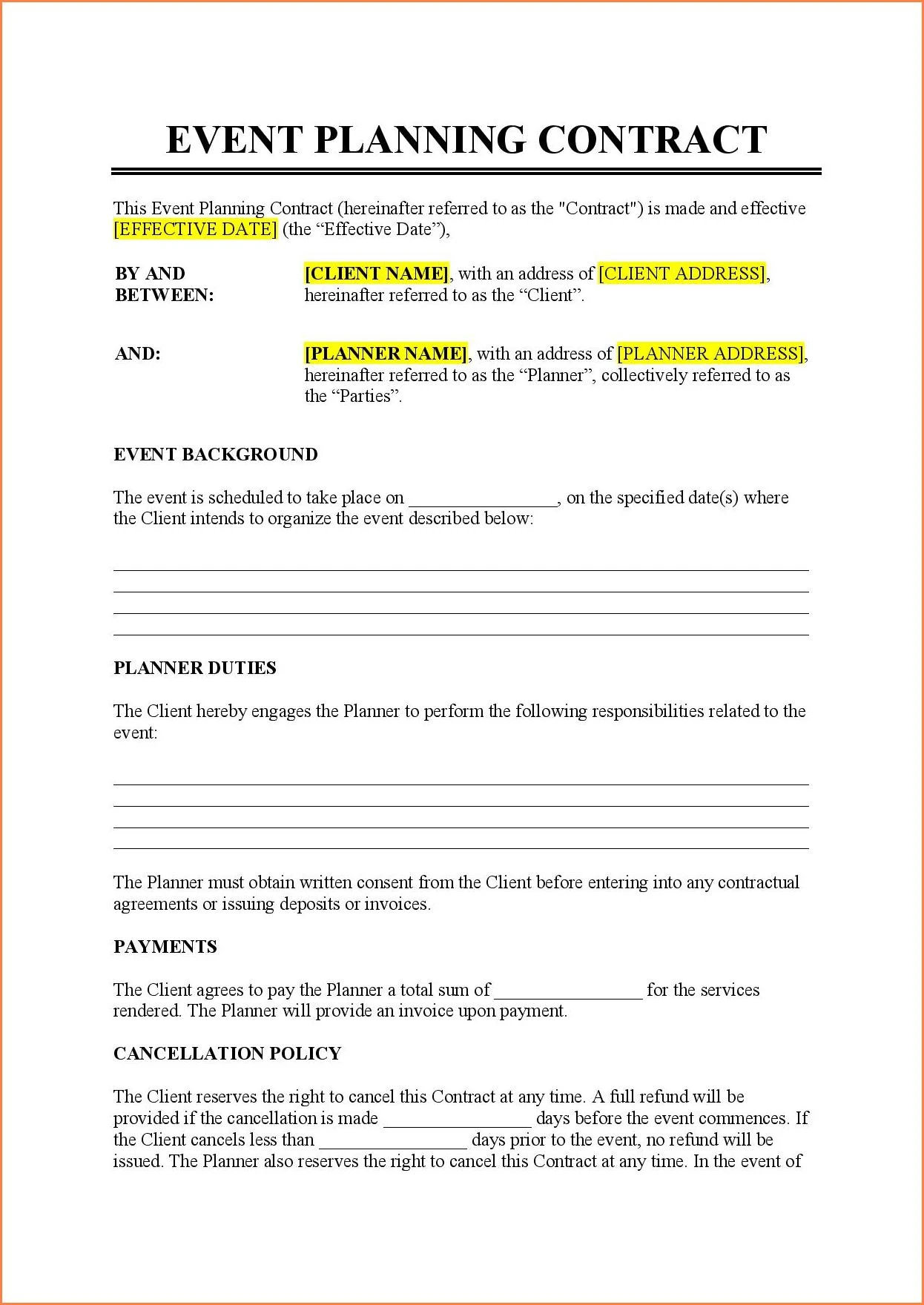
Planning an event can be an exciting and rewarding experience. Whether you are organizing a corporate conference, a wedding, or a birthday party, having a solid event planning agreement in place is essential. This agreement serves as a roadmap for both the event planner and the client, outlining the expectations and responsibilities of each party.
In this comprehensive guide, we will delve into the ins and outs of event planning agreements, covering what they are, why they are important, what to include in them, how to create one, and some useful tips for ensuring a successful event planning process.
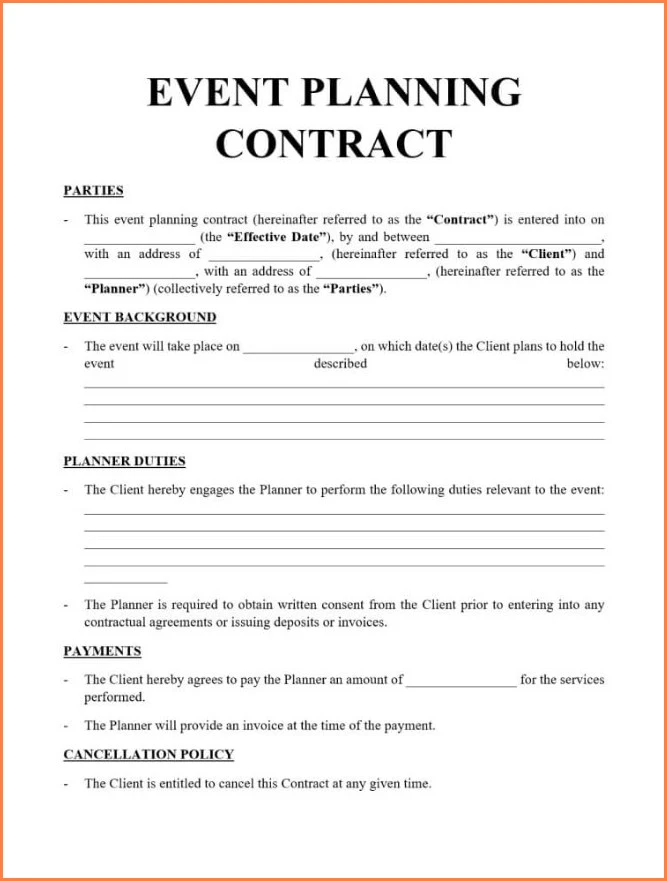
What is an Event Planning Agreement?
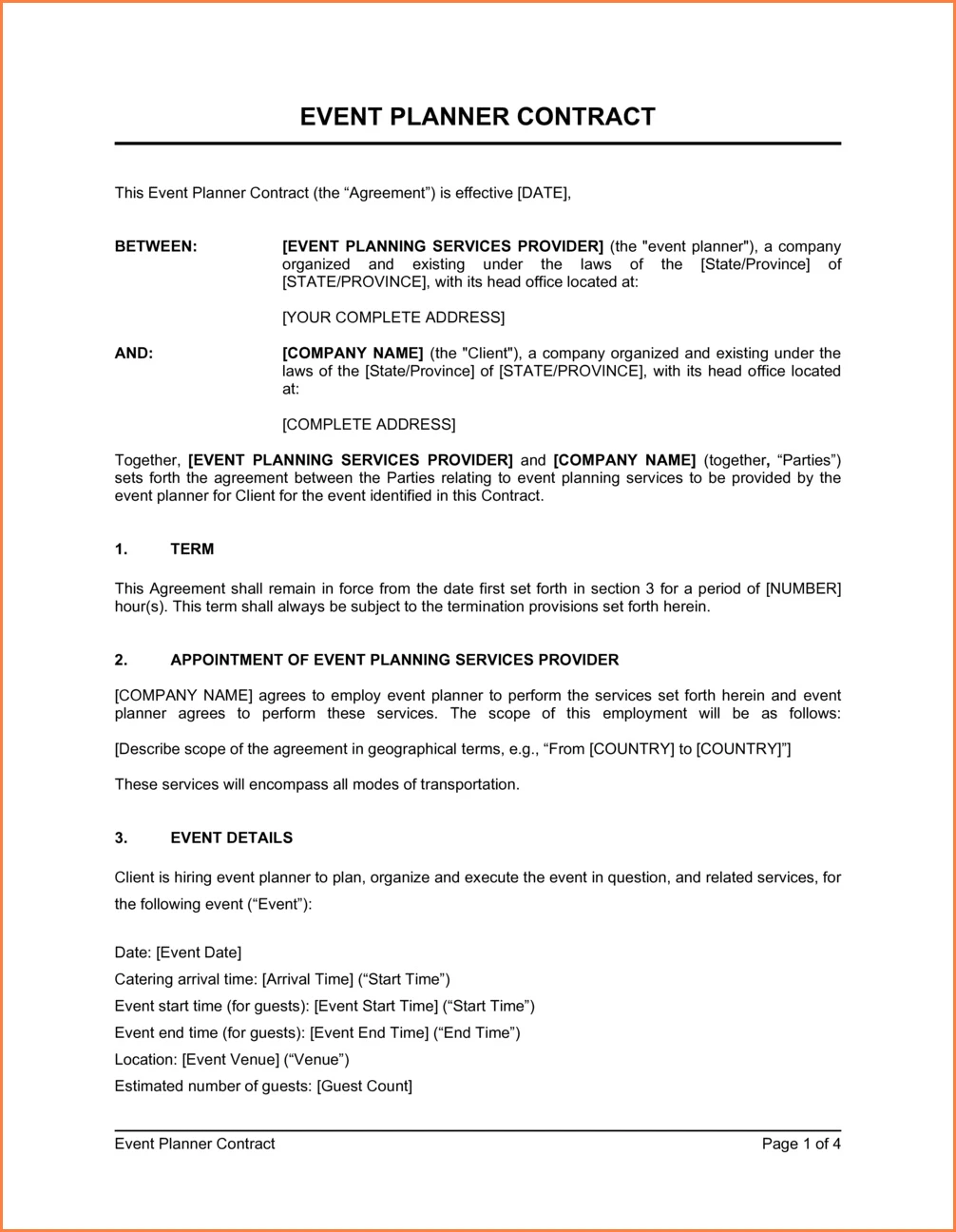
An event planning agreement is a legally binding contract between an event planner and a client, detailing the terms and conditions of their professional relationship. This document outlines the services to be provided, the payment schedule, cancellation policy, and any other relevant details related to the event planning process. By clearly defining the expectations of both parties, an event planning agreement helps to prevent misunderstandings and disputes down the line.
When drafting an event planning agreement, it is important to be thorough and specific, including all the necessary details to avoid any confusion later on. Each agreement will vary depending on the type of event being planned, the services being provided, and the preferences of the client and event planner. However, there are some key elements that should be included in every event planning agreement to ensure clarity and protection for both parties.
Why is an Event Planning Agreement Important?
An event planning agreement is crucial for several reasons. Firstly, it helps to establish clear expectations and boundaries for both the event planner and the client. By outlining the scope of work, the timeline, and the payment terms in writing, all parties involved can refer back to the agreement if any issues arise during the planning process.
Additionally, an event planning agreement serves as a form of protection for both the event planner and the client. In the event of a dispute or disagreement, having a written contract in place can help to resolve conflicts more easily and prevent misunderstandings. It also provides a legal framework for the event planning process, ensuring that all parties are held accountable for their obligations.
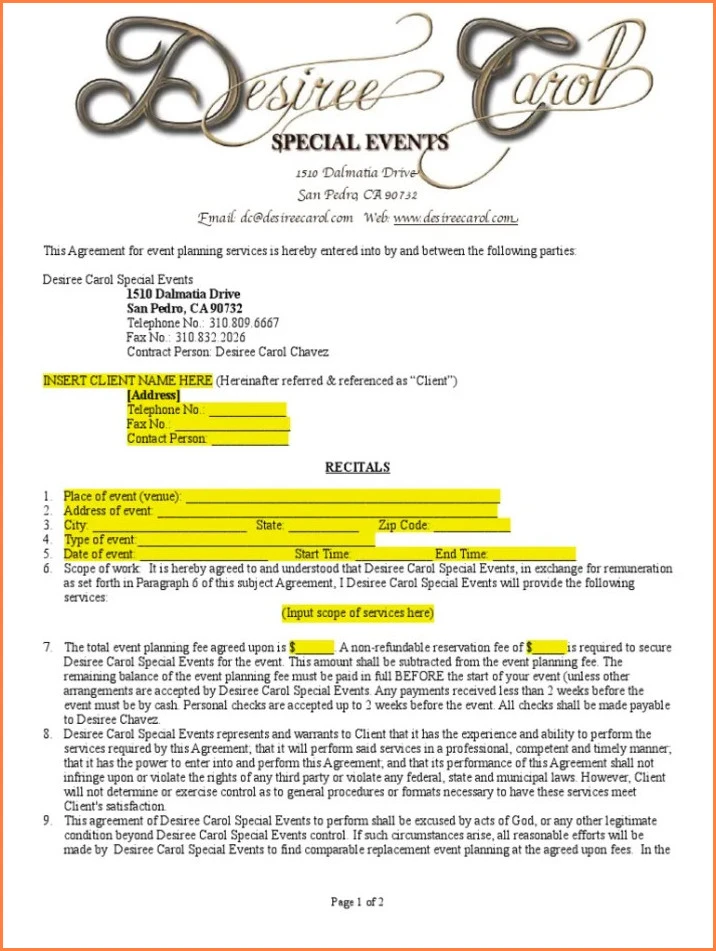
What to Include in an Event Planning Agreement
When creating an event planning agreement, it is important to include the following key elements:
- Services Provided: Clearly outline the services that the event planner will provide, including any specific tasks or deliverables.
- Timeline: Specify the timeline for the event planning process, including key milestones and deadlines.
- Payment Terms: Detail the payment schedule, including any deposits, installment payments, or final payment due dates.
- Cancellation Policy: Include a clear cancellation policy outlining the process for canceling the event and any associated fees.
- Liability: Define the responsibilities and liabilities of both the event planner and the client in case of any unforeseen circumstances.
- Confidentiality: Include a confidentiality clause to protect sensitive information shared during the event planning process.
- Termination Clause: Specify the conditions under which either party can terminate the agreement and the process for doing so.
How to Create an Event Planning Agreement
Creating an event planning agreement may seem daunting, but with careful consideration and attention to detail, you can draft a comprehensive and effective contract. Here are some steps to help you create an event planning agreement:
1. Start with a Template: Begin by using a standard event planning agreement template as a foundation for your contract.
2. Customize the Agreement: Tailor the template to fit the specific needs and requirements of your event planning services and the client.
3. Seek Legal Advice: If you are unsure about any legal terms or clauses, consult with a lawyer to ensure that your agreement is legally sound.
4. Review and Revise: Thoroughly review the agreement with the client to ensure that all details are accurate and agreeable to both parties.
5. Sign and Date: Once both parties are satisfied with the terms of the agreement, sign and date the document to make it legally binding.
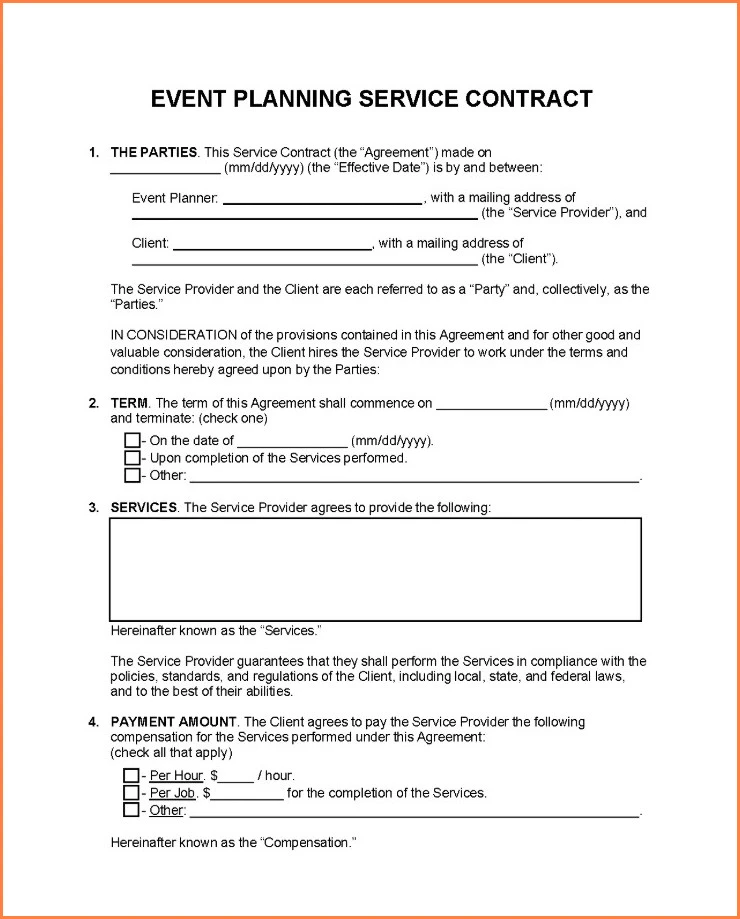
Tips for a Successful Event Planning Agreement
To ensure a successful event planning process, consider the following tips when drafting your event planning agreement:
- Communicate Clearly: Clearly communicate expectations, responsibilities, and timelines with the client to avoid misunderstandings.
- Be Flexible: Be open to negotiation and willing to accommodate reasonable requests from the client to foster a positive working relationship.
- Protect Yourself: Include clauses in the agreement that protect your interests, such as liability limitations and indemnification provisions.
- Document Everything: Keep detailed records of all communications, changes, and agreements throughout the event planning process to avoid disputes later on.
- Follow Up: Regularly check in with the client to provide updates on the progress of the event planning process and address any concerns promptly.
- Seek Feedback: After the event is over, ask the client for feedback on the planning process to identify areas for improvement in future agreements.
- Stay Professional: Maintain a professional demeanor at all times and handle any conflicts or disagreements calmly and professionally to preserve your reputation.
Conclusion
In conclusion, an event planning agreement is a vital tool for ensuring a smooth and successful event planning process. By clearly outlining the expectations, responsibilities, and terms of the agreement, both the event planner and the client can work together effectively to bring the event to life. Remember to be thorough, specific, and open to communication throughout the planning process to create a positive and rewarding experience for all parties involved. With a well-crafted event planning agreement in place, you can set the stage for a memorable and successful event that exceeds your client’s expectations.
