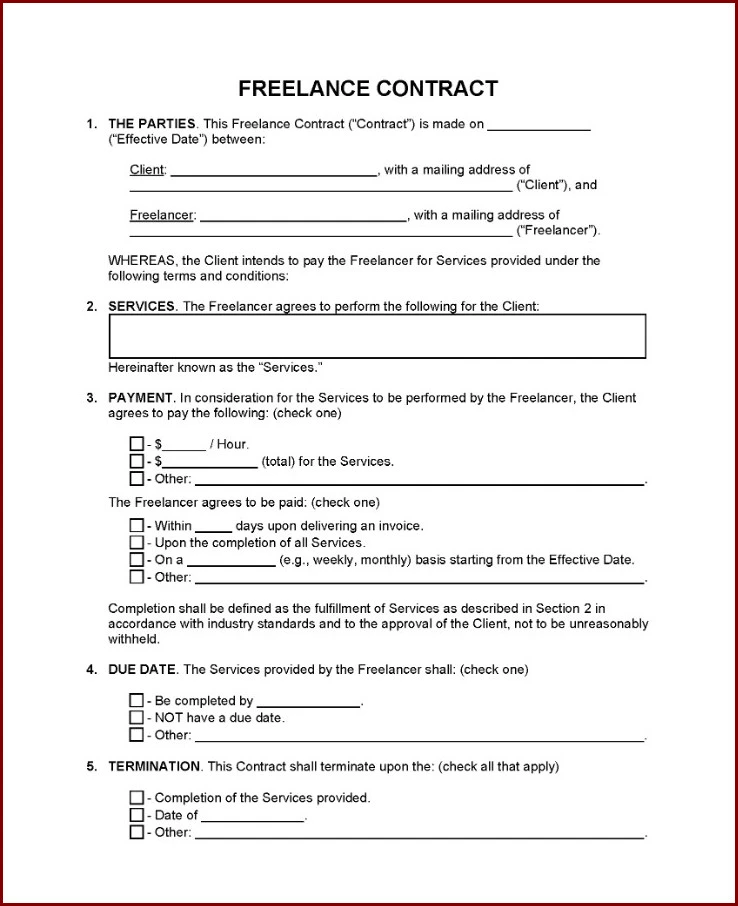
As a freelance writer, one of the most important things you can do to protect yourself and your work is to have a solid contract in place. A freelance writer contract outlines the terms of your agreement with a client, including payment, deadlines, revisions, and more.
In this comprehensive guide, we will cover everything you need to know about freelance writer contracts, including what they are, why they are important, what to include, how to create one, and some tips for success.
What is a Freelance Writer Contract?
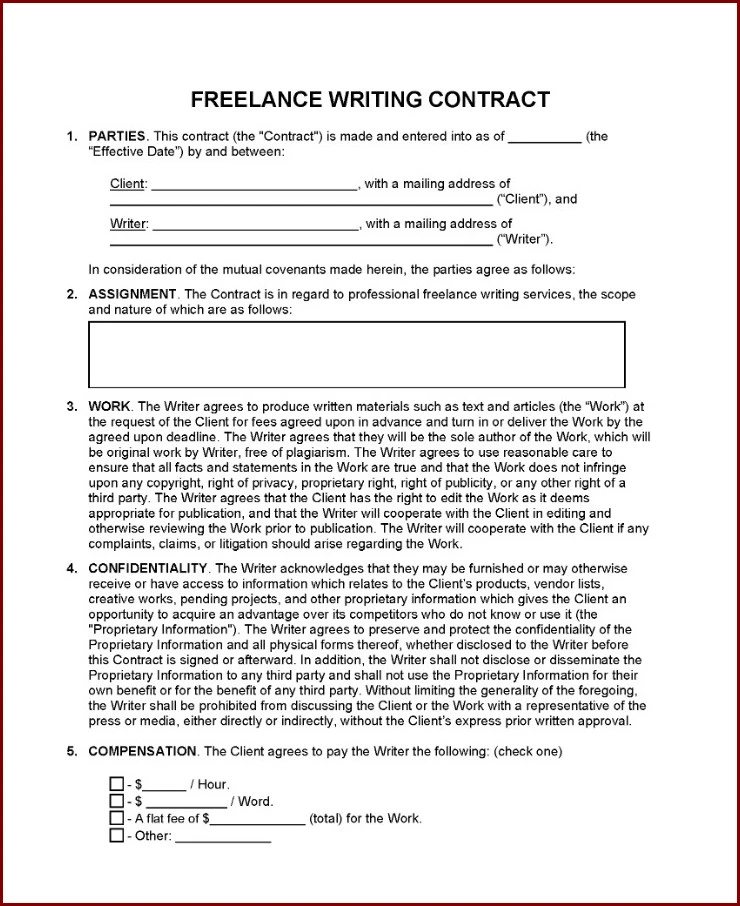
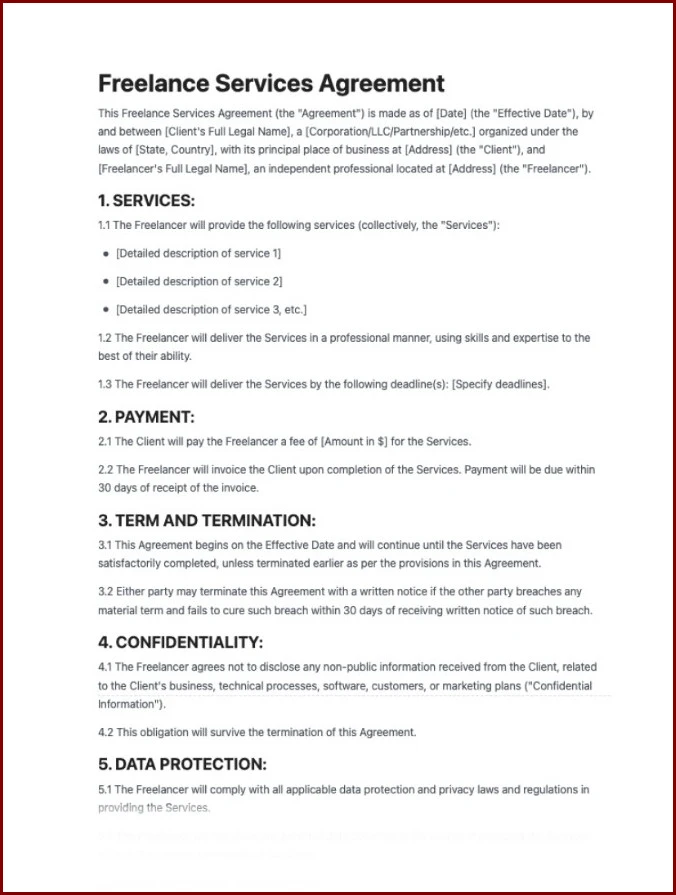
A freelance writer contract is a legal document that establishes the terms and conditions of the working relationship between a freelance writer and a client. This contract outlines the scope of work, payment details, deadlines, revision policies, confidentiality agreements, and any other important terms that both parties agree to adhere to.
Why are Freelance Writer Contracts Important?
Freelance writer contracts are essential for both the writer and the client for several reasons:
- Clarity: Contracts provide clear expectations for both parties, reducing the risk of misunderstandings.
- Protection: Contracts protect both the writer and the client in case of disputes or disagreements.
- Professionalism: Using a contract shows that you take your work seriously and are a professional.
- Legal Compliance: Contracts ensure that both parties are compliant with relevant laws and regulations.
What to Include in a Freelance Writer Contract
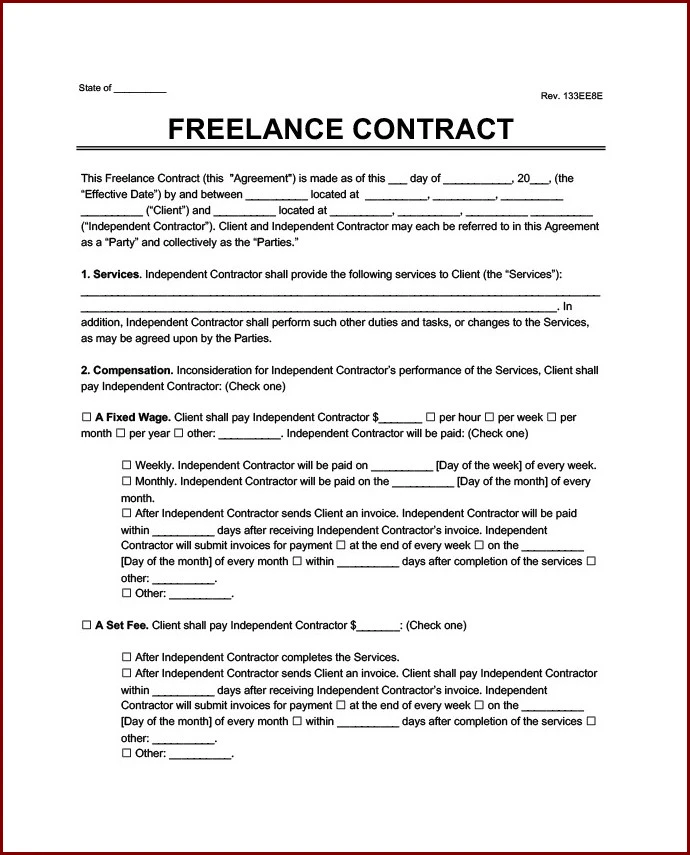
When creating a freelance writer contract, there are several key elements that you should include:
- Scope of Work: Clearly define the work that will be done, including specific deliverables and deadlines.
- Payment Terms: Outline how and when the writer will be paid, including rates, invoicing procedures, and any late payment penalties.
- Revisions: Specify how many rounds of revisions are included in the contract and how additional revisions will be handled.
- Confidentiality: Include a confidentiality clause to protect sensitive information and intellectual property.
- Termination: Detail the process for terminating the contract, including notice periods and any penalties.
How to Create a Freelance Writer Contract
Creating a freelance writer contract may seem daunting, but it doesn’t have to be complicated. Here are some steps to help you create a solid contract:
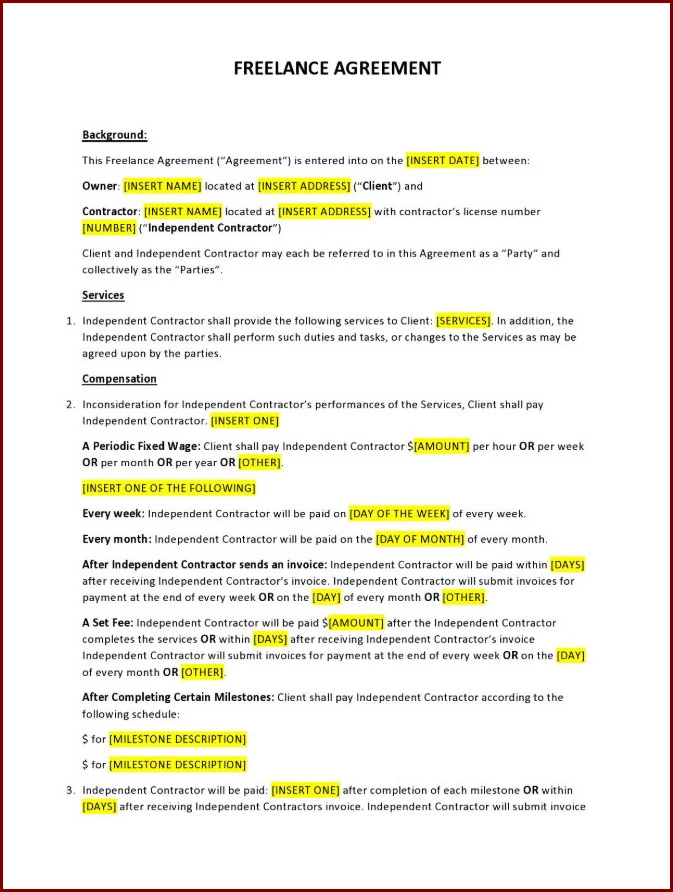
- Research: Look at sample contracts online to get an idea of what to include.
- Customize: Tailor the contract to your specific needs and the requirements of the project.
- Use Clear Language: Avoid legal jargon and use plain language that both parties can easily understand.
- Review and Revise: Have a lawyer review your contract to ensure it is legally sound and make any necessary revisions.
Tips for Success with Freelance Writer Contracts
Here are some tips to help you make the most of your freelance writer contracts:
- Communicate Clearly: Make sure both parties understand and agree to the terms of the contract before starting work.
- Get it in Writing: Always have a signed contract in place before beginning any work for a client.
- Be Flexible: While it’s important to have a contract, be willing to negotiate terms with clients if necessary.
- Keep Records: Keep copies of all contracts, invoices, and communications with clients for your records.
Conclusion
Freelance writer contracts are crucial for ensuring a successful working relationship between writers and clients. By clearly outlining the terms of the agreement, both parties can avoid misunderstandings and disputes down the line. Remember to include key elements such as scope of work, payment terms, revisions, confidentiality, and termination clauses in your contracts, and always communicate openly with your clients. With a well-written contract in place, you can protect yourself and your work while building a professional reputation in the freelance writing industry.
