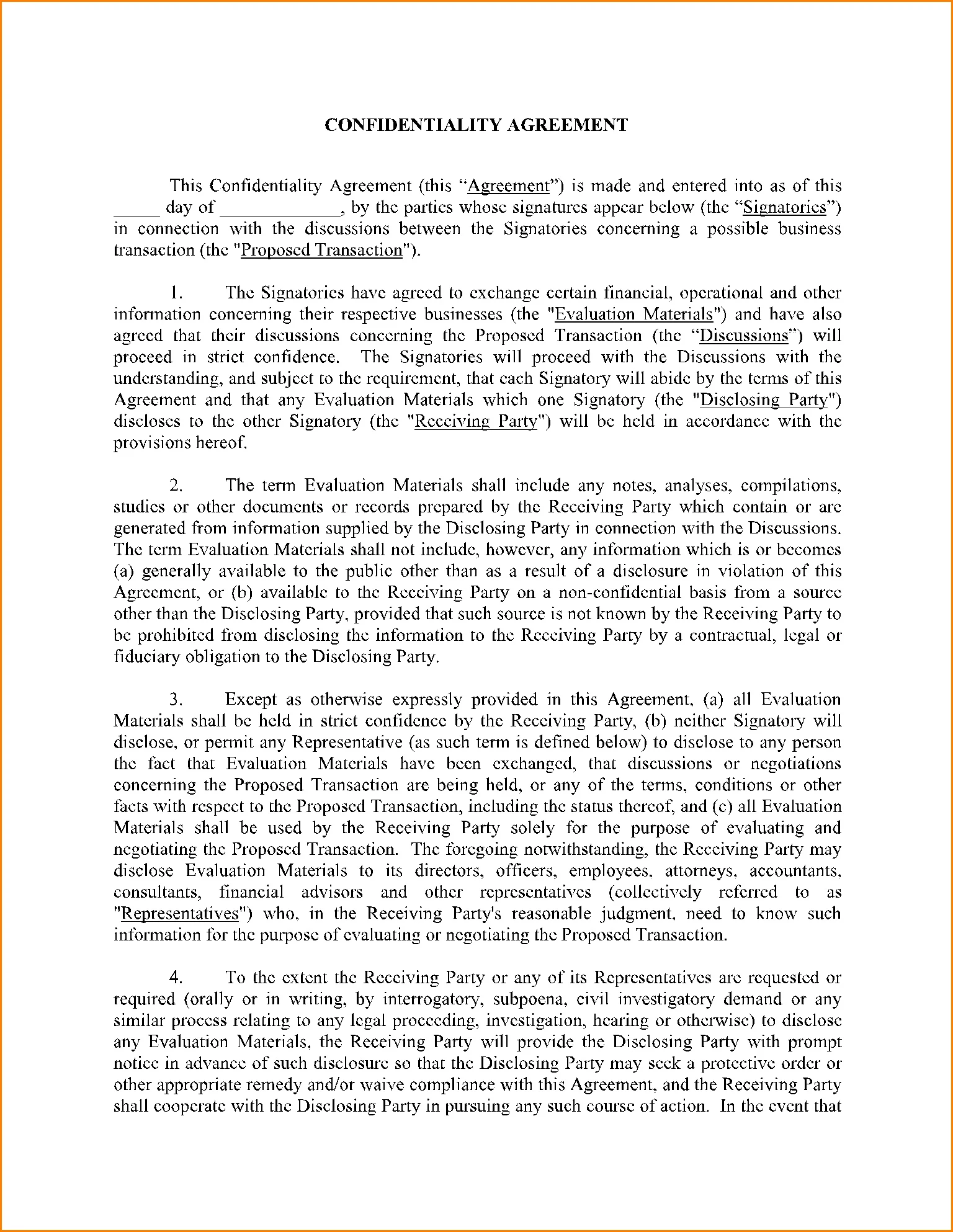
Confidentiality agreements, also known as non-disclosure agreements (NDAs), play a crucial role in protecting sensitive information in business transactions. These legal agreements are designed to safeguard proprietary information, trade secrets, and other confidential data from being disclosed to unauthorized parties.
In today’s competitive business environment, confidentiality agreements have become a standard practice to ensure that sensitive information remains secure.
What is a Confidentiality Agreement?
A confidentiality agreement is a legally binding contract between two or more parties that outlines the terms and conditions for protecting confidential information. This agreement establishes the obligations of the parties involved to keep sensitive information confidential and not disclose it to third parties without permission.
Confidentiality agreements are commonly used in various business situations, such as partnerships, mergers and acquisitions, employee contracts, and vendor agreements.
1. Definition of Confidential Information
When drafting a confidentiality agreement, it is essential to clearly define what constitutes confidential information. This may include trade secrets, customer lists, financial data, product designs, marketing strategies, and any other proprietary information that is not publicly available.
2. Obligations of the Parties
The confidentiality agreement will specify the obligations of each party regarding the handling of confidential information. This may include restrictions on disclosure, limitations on use, security measures to protect information, and the duration of the confidentiality obligations.
3. Consequences of Breach
The agreement should outline the consequences of breaching the confidentiality obligations, such as financial penalties, injunctive relief, and other legal remedies. By including clear consequences, the parties are incentivized to uphold their obligations and maintain confidentiality.
4. Duration of Confidentiality
It is important to specify the duration of the confidentiality obligations in the agreement. Some agreements may have a specific time limit, while others may continue indefinitely or until the information is no longer considered confidential.
5. Exclusions from Confidentiality
The agreement may also include exceptions or exclusions from the confidentiality obligations, such as information that is already in the public domain, independently developed by the receiving party, or disclosed with the consent of the disclosing party.
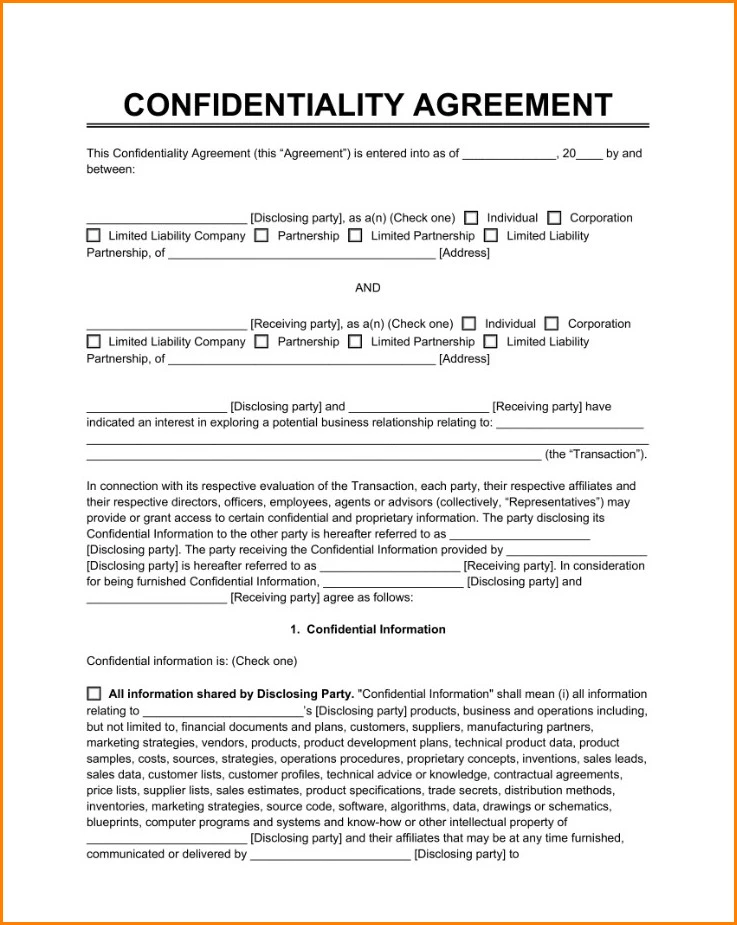
Why Use a Confidentiality Agreement?
Confidentiality agreements are essential for protecting sensitive information and maintaining a competitive edge in business. By using a confidentiality agreement, businesses can:
- Protect Intellectual Property: Safeguard trade secrets, proprietary information, and other valuable assets from unauthorized disclosure.
- Build Trust: Establish trust and confidence between parties by demonstrating a commitment to confidentiality.
- Prevent Misuse of Information: Minimize the risk of confidential information being misused or exploited by competitors or unauthorized parties.
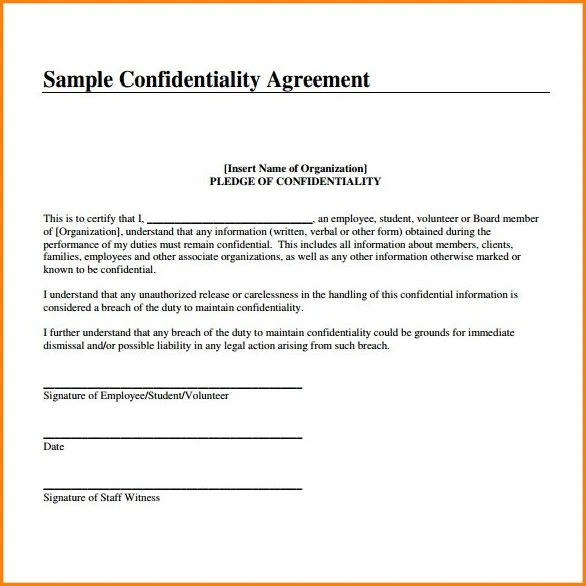
What to Include in a Confidentiality Agreement
When drafting a confidentiality agreement, it is important to include the following key elements:
- Identification of Parties: Clearly identify the parties involved in the agreement, including the disclosing party and the receiving party.
- Definition of Confidential Information: Define what constitutes confidential information and specify the scope of the agreement.
- Obligations of the Parties: Outline the responsibilities and obligations of each party regarding the handling of confidential information.
- Duration of Confidentiality: Specify the duration of the confidentiality obligations and any conditions for termination.
- Consequences of Breach: Clearly state the consequences of breaching the confidentiality obligations, such as legal action or financial penalties.
How to Draft a Confidentiality Agreement
When drafting a confidentiality agreement, it is advisable to seek legal advice to ensure that the agreement is legally enforceable and provides adequate protection. Here are some key steps to consider:
- Identify the Confidential Information: Clearly identify the sensitive information that needs to be protected under the agreement.
- Define the Scope: Specify the scope of the agreement and what information is covered by the confidentiality obligations.
- Include Clear Terms: Use clear and concise language to outline the obligations, consequences, and other key terms of the agreement.
- Review and Negotiate: Review the agreement with all parties involved and negotiate any terms that may need clarification or modification.
- Seek Legal Advice: Consult with a legal professional to ensure that the agreement complies with relevant laws and provides adequate protection.
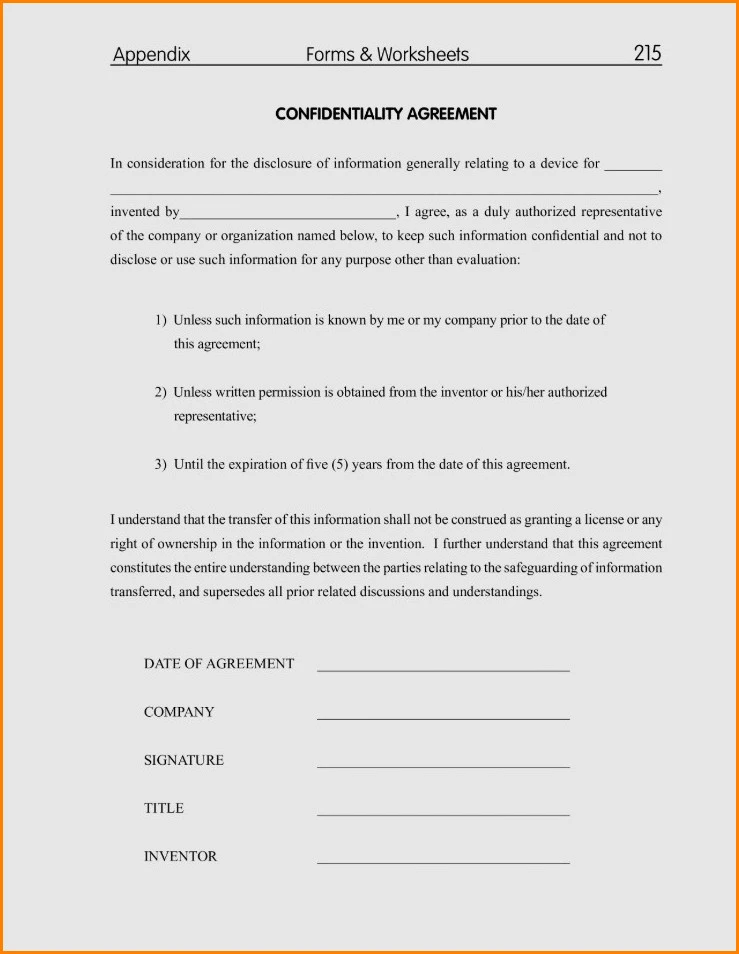
Tips for Successful Confidentiality Agreements
To ensure the effectiveness of a confidentiality agreement, consider the following tips:
- Customize the Agreement: Tailor the agreement to the specific needs and circumstances of the business transaction.
- Use Specific Language: Be clear and specific in defining confidential information and outlining obligations to avoid ambiguity.
- Include Necessary Parties: Ensure that all relevant parties involved in the disclosure and receipt of confidential information are included in the agreement.
- Regularly Review and Update: Periodically review and update the agreement to reflect changes in the business environment or the nature of the information being protected.
By following these tips and best practices, businesses can create effective confidentiality agreements that provide the necessary protection for their sensitive information.
Confidentiality Agreement Template – Word
