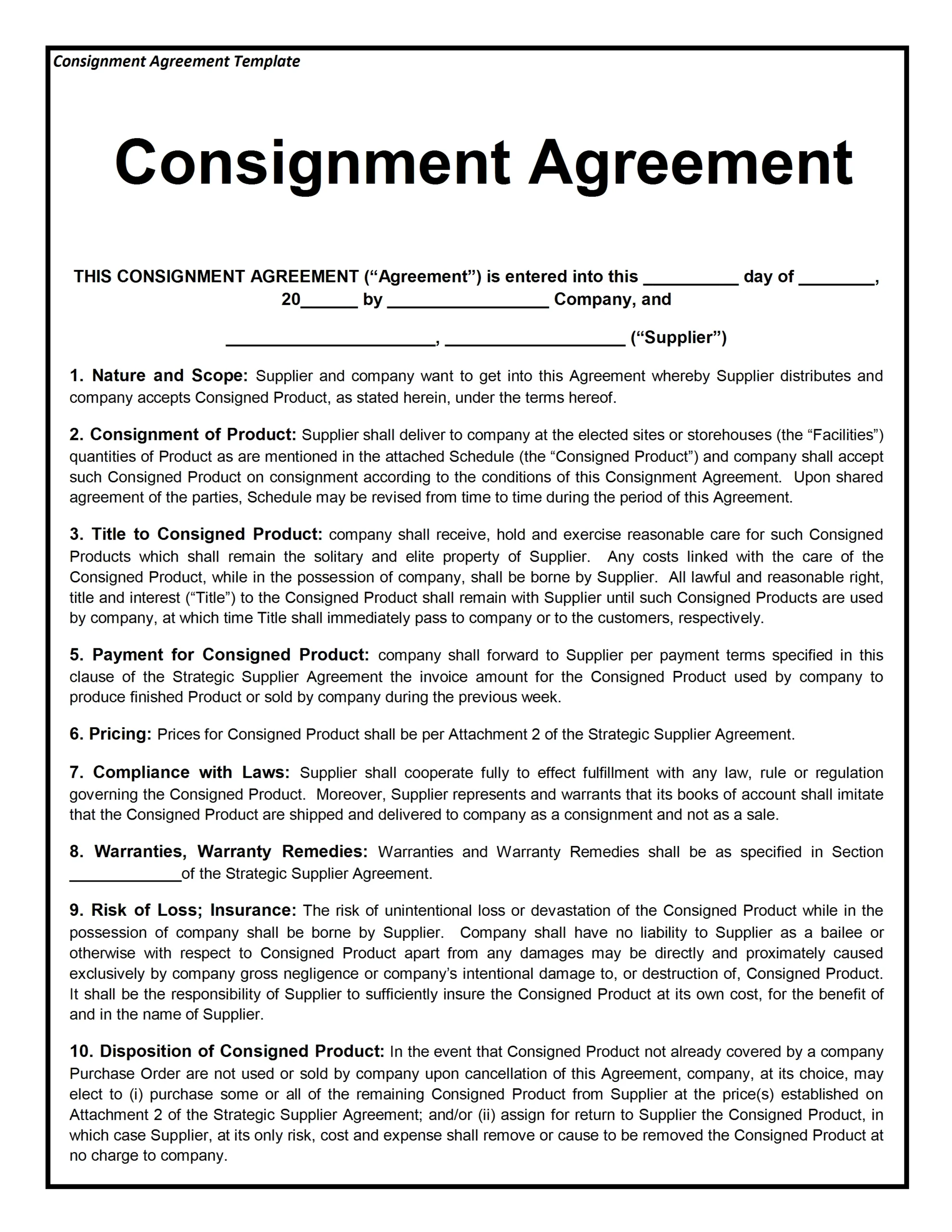
Consignment agreements are essential documents that outline the terms and conditions of a consignment arrangement between two parties. Whether you are a business owner looking to sell your products through a consignment shop or an individual consigning items for sale, understanding the key elements of a consignment agreement is crucial.
In this comprehensive guide, we will explore the What, Why, What to Include, How to, and Tips for Successful consignment agreements.
What is a Consignment Agreement?
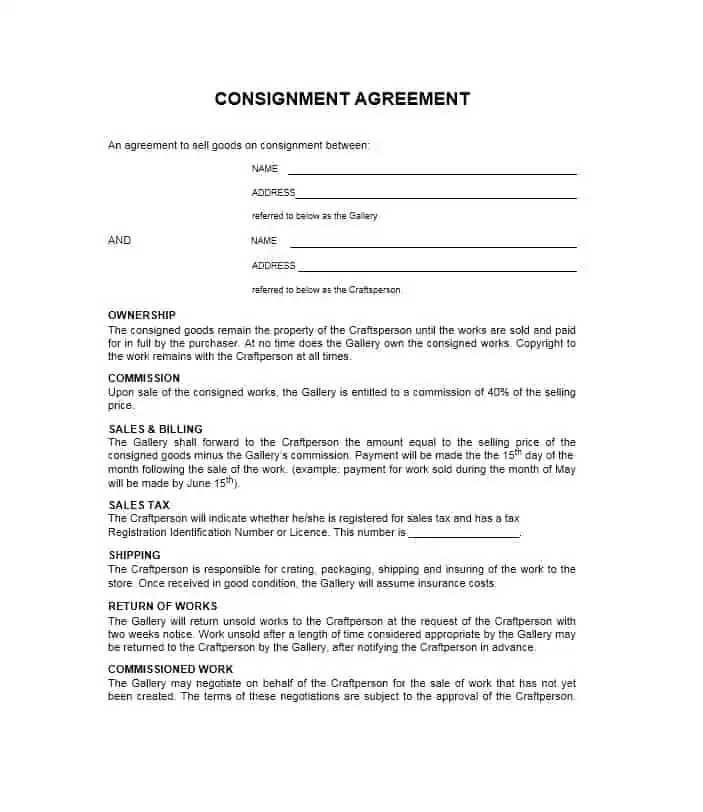
A consignment agreement is a legal contract between a consignor (the person or business providing goods for sale) and a consignee (the person or business selling the goods on behalf of the consignor). This agreement outlines the terms and conditions of the consignment arrangement, including the responsibilities and obligations of both parties, the payment structure, and the duration of the agreement.
Why You Need a Consignment Agreement
Having a consignment agreement in place is essential for protecting the interests of both the consignor and the consignee. This agreement helps clarify the rights and responsibilities of each party, reduces the risk of misunderstandings or disputes, and provides a legal framework for the consignment arrangement. Without a written agreement, both parties are vulnerable to potential conflicts or disagreements that could arise during the consignment process.
What to Include in a Consignment Agreement
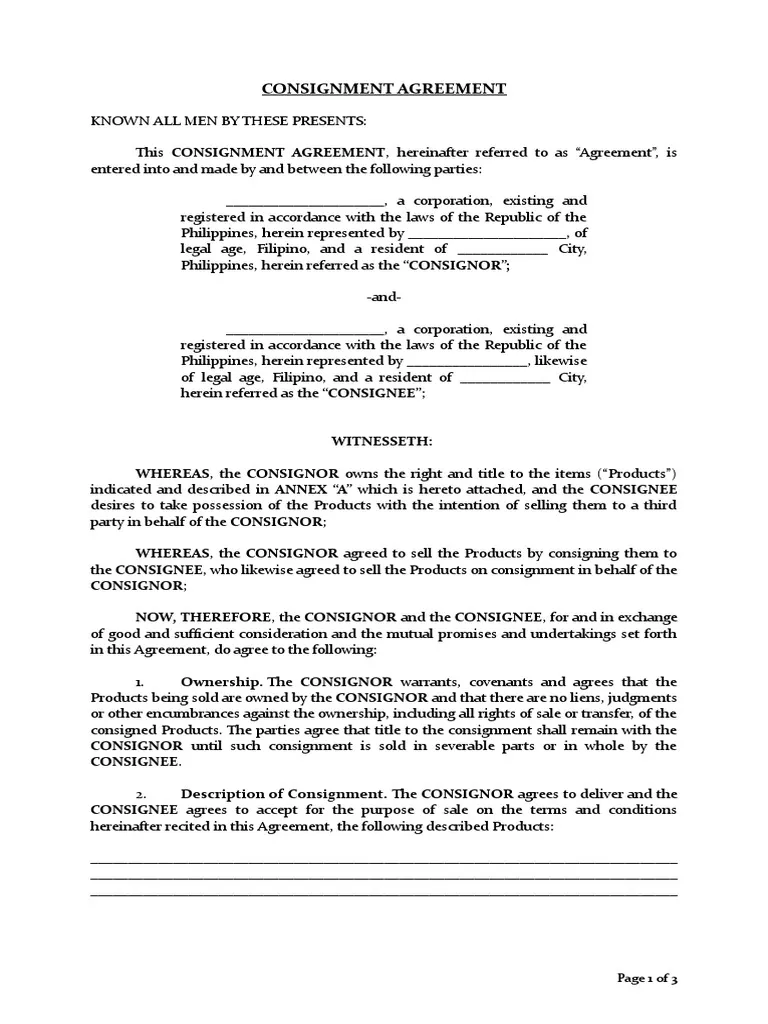
When drafting a consignment agreement, it is important to include the following key elements:
- Identification of the Parties: Clearly identify the consignor and the consignee.
- Description of the Goods: Provide detailed descriptions of the items being consigned, including quantities, sizes, and any unique features.
- Price and Payment Terms: Outline the selling price of the goods, the consignee’s commission, and the payment schedule.
- Duration of the Agreement: Specify the length of time the consignment agreement will be in effect.
- Delivery and Return of Goods: Detail how the goods will be delivered to the consignee, how unsold items will be returned to the consignor, and any associated costs.
- Insurance and Liability: Address issues related to insurance coverage for the consigned goods and liability for any damages or losses.
- Termination Clause: Include provisions for terminating the agreement early and any associated penalties or fees.
- Governing Law: Specify the jurisdiction in which any disputes will be resolved.
How to Draft a Consignment Agreement
When drafting a consignment agreement, it is important to consult with legal counsel to ensure that the agreement complies with relevant laws and regulations. Here are some general steps to follow when creating a consignment agreement:
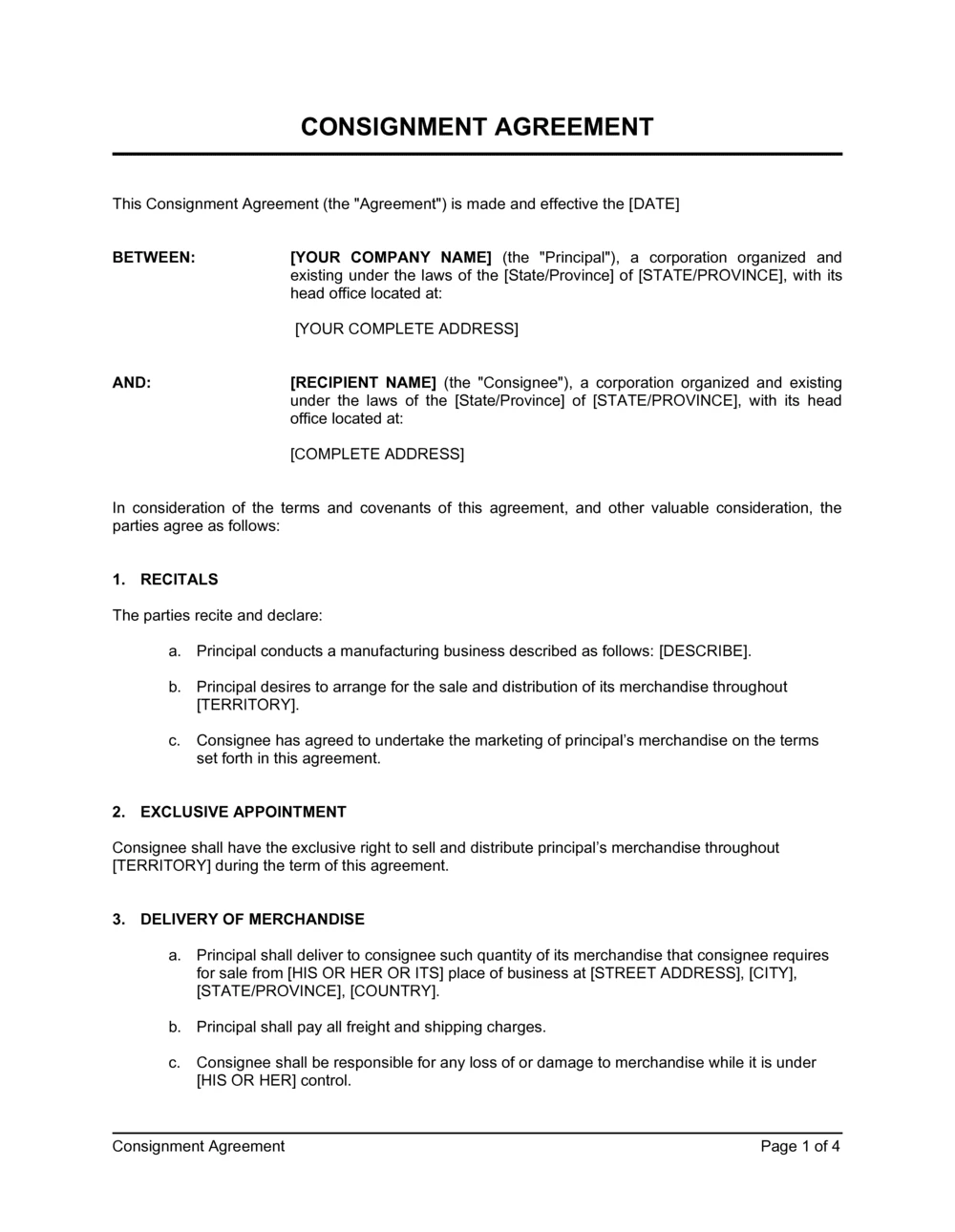
- Start with a Template: Begin with a consignment agreement template and customize it to suit your specific needs.
- Include Key Terms: Make sure to include all the key elements mentioned above in your agreement.
- Review and Revise: Carefully review the agreement with all parties involved and make any necessary revisions before finalizing the document.
- Sign and Date: Once the agreement is complete, have all parties sign and date the document to make it legally binding.
- Keep Copies: Make copies of the signed agreement for all parties involved and keep them in a safe place for reference.
Tips for Successful Consignment Agreements
Here are some tips to help ensure a successful consignment agreement:
- Communicate Clearly: Maintain open and transparent communication with the consignee throughout the consignment process.
- Monitor Sales: Regularly track the sales of your consigned goods and stay informed about inventory levels.
- Inspect Returned Items: Thoroughly inspect any returned items for damage or wear before accepting them back into your inventory.
- Update Inventory: Keep accurate records of your consigned inventory and update them regularly to avoid discrepancies.
- Seek Legal Advice: If you have any questions or concerns about your consignment agreement, consult with a legal professional for guidance.
By following the guidelines outlined in this guide, you can create a comprehensive consignment agreement that protects your interests and ensures a successful consignment arrangement. Remember to consult with legal counsel and communicate openly with all parties involved to minimize the risk of conflicts or misunderstandings. With a well-drafted consignment agreement in place, you can enjoy a mutually beneficial relationship with your consignee and maximize the success of your consignment sales.
Consignment Agreement Template – Word
