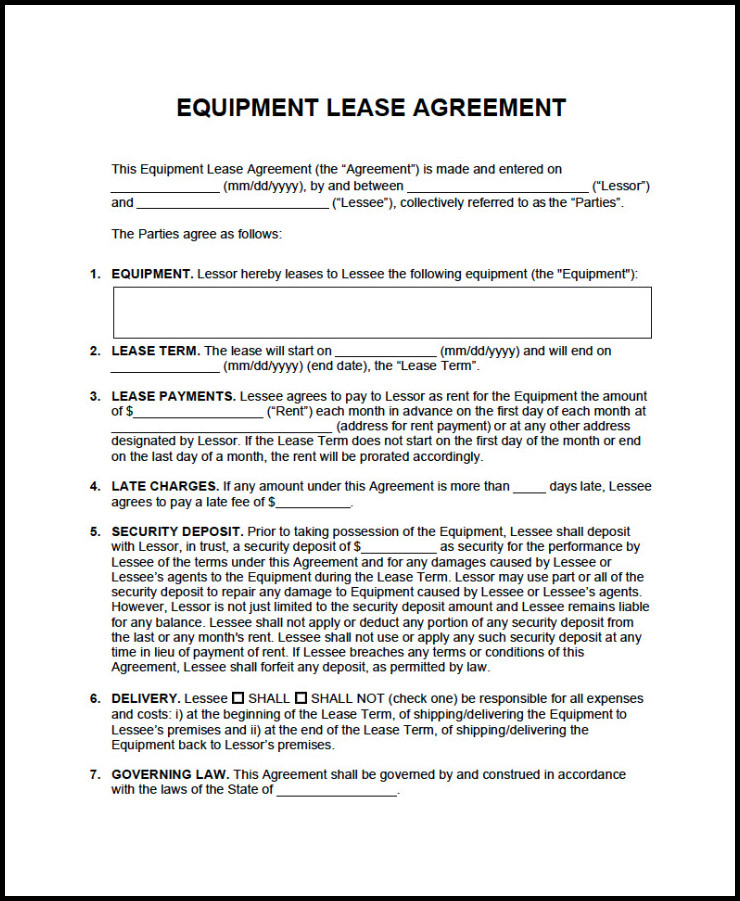
When starting a new business or expanding an existing one, acquiring the necessary equipment can be a costly endeavor. This is where equipment lease agreements come into play. By entering into a lease agreement, businesses can access the equipment they need without making a large upfront investment.
In this comprehensive guide, we will explore everything you need to know about equipment lease agreements, including what they are, why they are beneficial, what to include in the agreement, how to negotiate the terms, and some tips for getting the best deal.
What is an Equipment Lease Agreement?
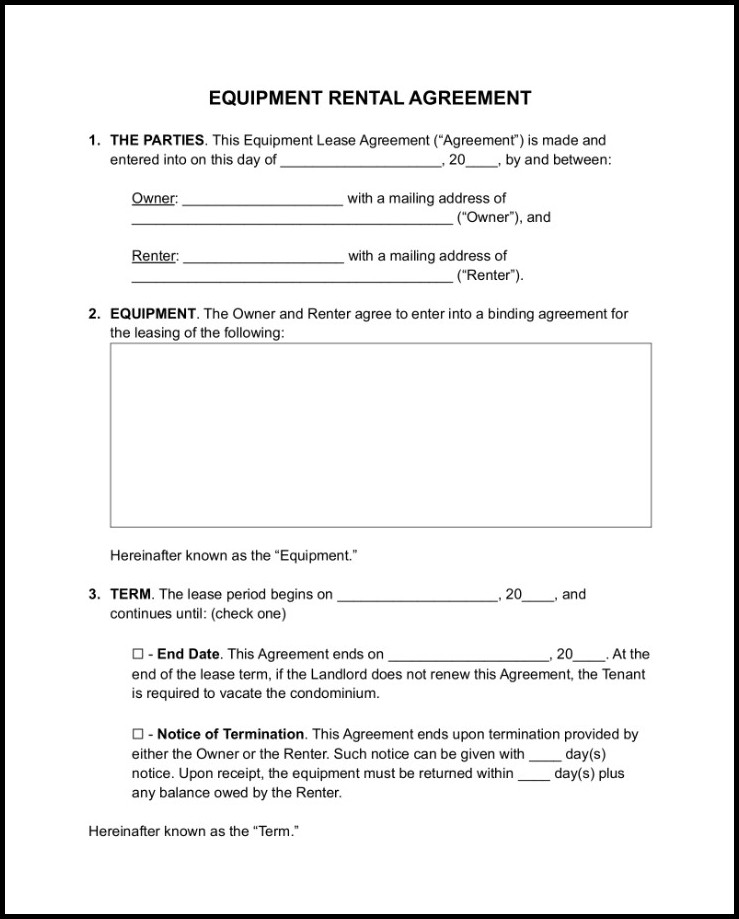
An equipment lease agreement is a contract between a lessor (the equipment owner) and a lessee (the business or individual using the equipment) that permits the lessee to use the equipment in exchange for regular payments over a specified period.
The lease agreement outlines the terms and conditions of the arrangement, including the duration of the lease, the payment schedule, and any maintenance or insurance requirements.
Why Should You Consider an Equipment Lease Agreement?
There are several reasons why businesses choose to enter into equipment lease agreements rather than purchasing equipment outright. Some of the benefits of leasing equipment include:
- Cost Savings: Leasing equipment allows businesses to access the latest technology without the high upfront costs associated with purchasing.
- Flexibility: Lease agreements typically offer flexible terms and are easier to modify than traditional financing options.
- Preservation of Capital: Leasing equipment preserves capital for other business expenses, such as payroll, marketing, or expansion.
- Tax Benefits: Lease payments are often tax-deductible, providing businesses with potential tax savings.
- Risk Mitigation: Leasing equipment can help mitigate the risk of equipment obsolescence, as businesses can upgrade to newer models at the end of the lease term.
What to Include in an Equipment Lease Agreement
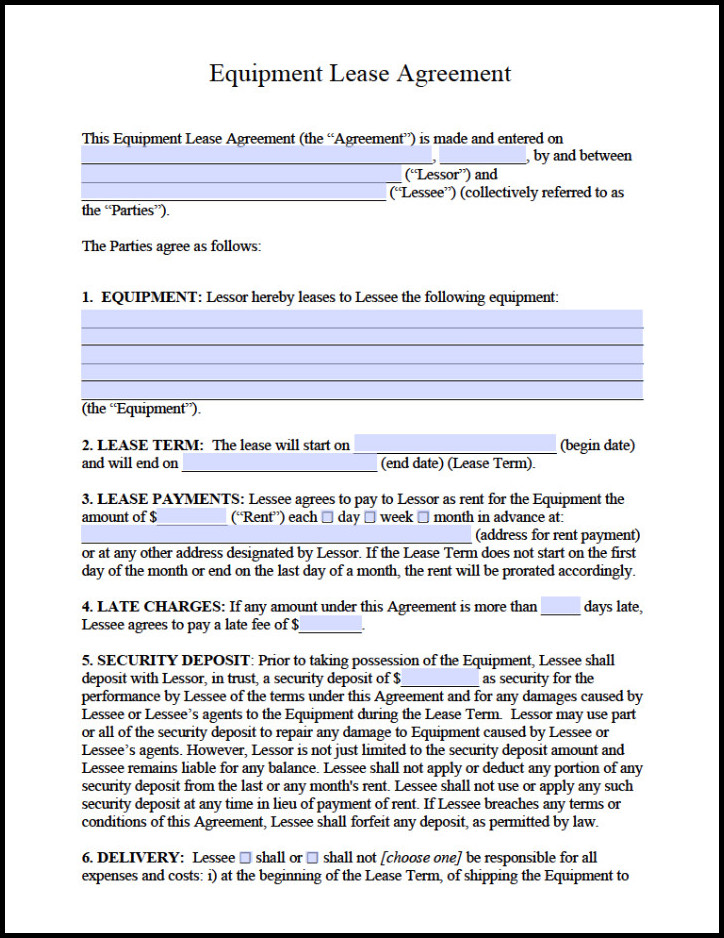
When drafting an equipment lease agreement, it is important to include the following key provisions:
- Identification of the Parties: Clearly identify the lessor and lessee, including contact information and business details.
- Description of the Equipment: Provide a detailed description of the equipment being leased, including make, model, serial number, and any accessories or attachments.
- Lease Term: Specify the duration of the lease agreement, including start and end dates.
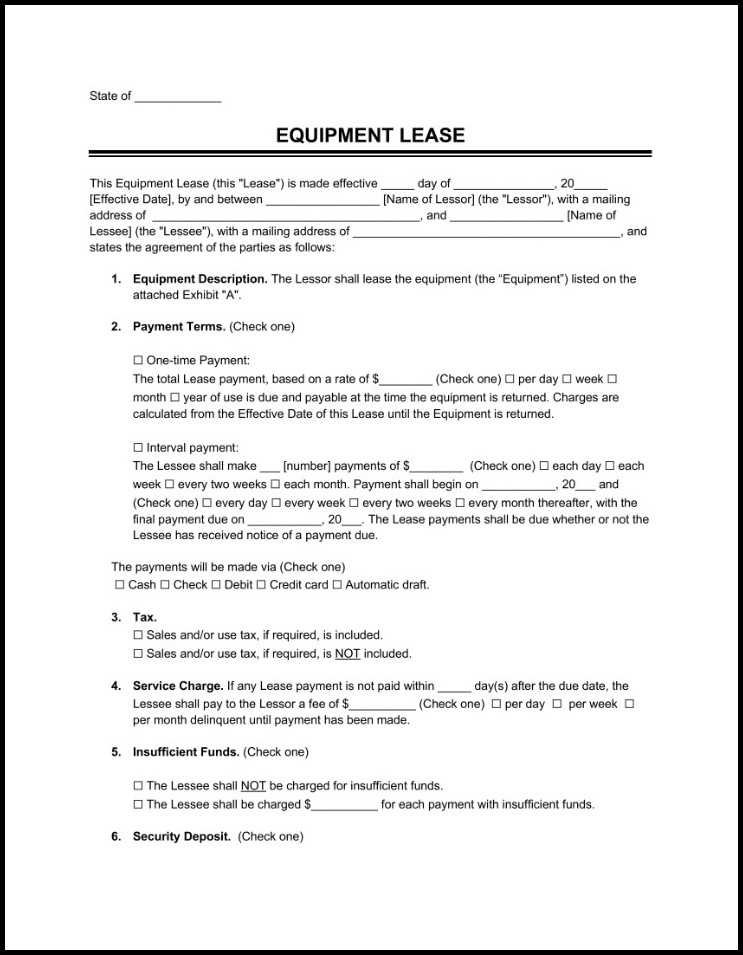
- Payment Terms: Outline the payment schedule, including the amount of each payment, due dates, and acceptable payment methods.
- Maintenance and Repairs: Clarify which party is responsible for maintaining and repairing the equipment during the lease term.
- Insurance Requirements: Determine whether the lessee is required to carry insurance on the leased equipment and specify the coverage limits.
How to Negotiate the Terms of an Equipment Lease Agreement
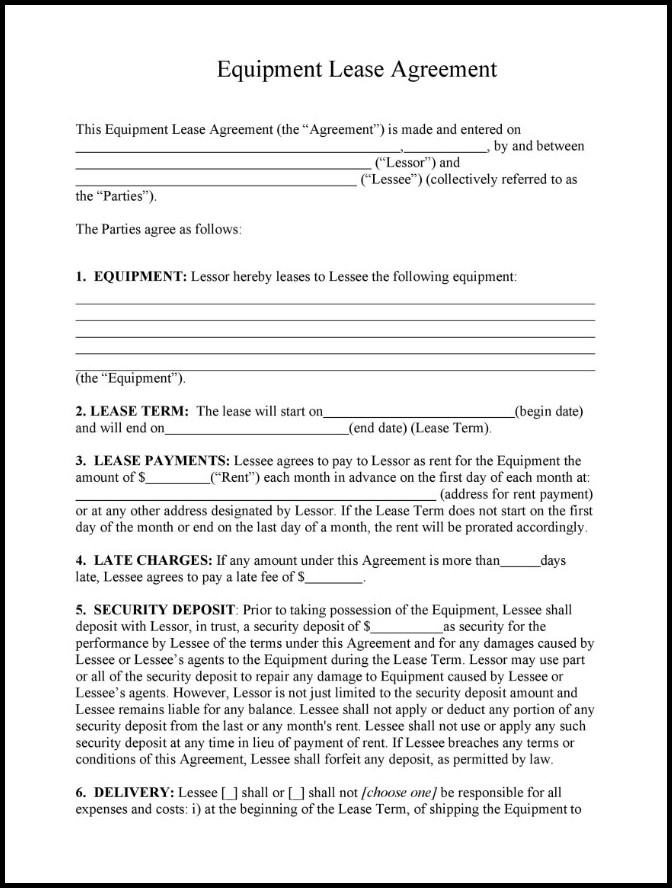
When negotiating an equipment lease agreement, it is important to carefully review the terms and conditions and consider the following factors:
- Lease Term: Negotiate a lease term that aligns with your business needs and allows for flexibility in case circumstances change.
- Payment Structure: Discuss payment options with the lessor, including monthly, quarterly, or annual payments, to find a schedule that works for your budget.
- End-of-Lease Options: Clarify the options available at the end of the lease term, such as renewing the lease, returning the equipment, or purchasing it outright.
Tips for Getting the Best Equipment Lease Agreement
When seeking an equipment lease agreement, keep the following tips in mind to ensure you get the best deal:
- Shop Around: Compare lease terms and rates from multiple lessors to find the most competitive offer.
- Understand the Fine Print: Thoroughly review the lease agreement to understand all terms, fees, and conditions before signing.
- Negotiate Terms: Don’t be afraid to negotiate the terms of the lease agreement to better suit your needs and budget.
- Consider Maintenance Costs: Factor in maintenance and repair costs when determining the overall cost of leasing the equipment.
- Seek Professional Advice: Consult with a financial advisor or legal expert to ensure you fully understand the implications of the lease agreement.
By following these guidelines and tips, businesses can successfully navigate the process of obtaining an equipment lease agreement that meets their needs and budget. Whether you are a startup looking to conserve capital or an established business seeking to upgrade equipment, a well-crafted lease agreement can provide the flexibility and affordability you need to grow and succeed.
Equipment Lease Agreement Template – Word
