If you are an employee or an employer, you may have heard the term “collective bargaining agreement” thrown around in discussions about labor rights and negotiations. But what exactly does it mean, and why is it so important in the world of labor relations?
In this comprehensive guide, we will delve into the intricacies of collective bargaining agreements, exploring what they are, why they are crucial, what to include in them, how to negotiate them effectively, and tips for successful outcomes.
What is a Collective Bargaining Agreement?
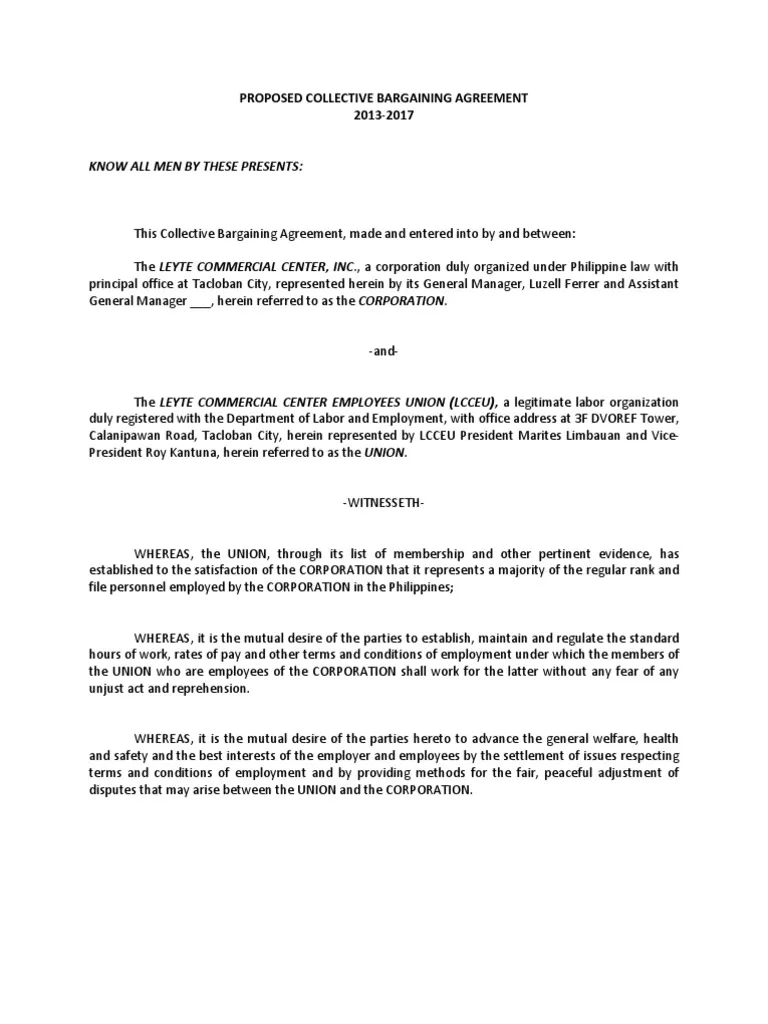
A collective bargaining agreement, often referred to as a CBA, is a legally binding contract between an employer and a labor union that outlines the terms and conditions of employment for the workers represented by the union. These agreements cover a wide range of issues, including wages, benefits, working hours, job security, grievance procedures, and more.
CBAs are the result of negotiations between the employer and the union, with both parties working to reach a compromise that satisfies the needs and interests of the employees and the company. Once an agreement is reached, it is signed by both parties and becomes the governing document for the employment relationship.
Why are Collective Bargaining Agreements Important?
Collective bargaining agreements play a crucial role in ensuring fair and equitable treatment of employees in the workplace. By establishing clear guidelines and standards for wages, benefits, and working conditions, CBAs help to prevent exploitation and ensure that workers are treated with respect and dignity.
CBAs also provide a mechanism for resolving disputes and grievances, giving employees a voice in the decision-making process and a way to address issues that may arise during the course of their employment. Additionally, CBAs can help to improve productivity, morale, and overall job satisfaction among workers, leading to a more harmonious and productive work environment.
What to Include in a Collective Bargaining Agreement
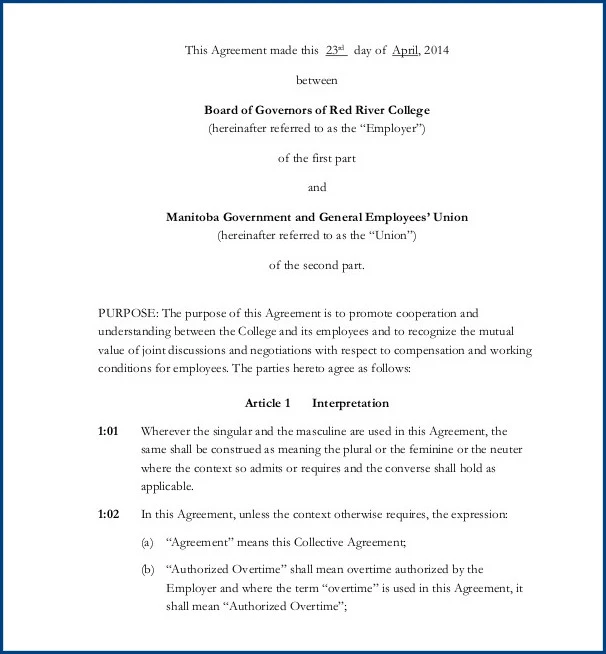
When negotiating a collective bargaining agreement, it is important to include a variety of key provisions that will govern the employment relationship and protect the rights and interests of both the employees and the employer. Some of the common elements to include in a CBA are:
- Wages and Benefits: Outline the compensation structure, including salaries, raises, bonuses, and health insurance coverage.
- Working Hours: Define the standard workweek, overtime policies, and provisions for scheduling shifts.
- Job Security: Address issues related to layoffs, terminations, and recall rights for employees.
- Grievance Procedures: Establish a process for resolving disputes and conflicts between employees and management.
- Health and Safety: Include provisions for workplace safety standards, training, and accident prevention.
- Seniority Rights: Define how seniority is determined and used in promotions, layoffs, and other employment decisions.
- Union Rights: Specify the rights and responsibilities of the union, including access to the workplace and dues collection.
- Training and Development: Address opportunities for employee training, skill development, and career advancement.
How to Negotiate a Collective Bargaining Agreement
Negotiating a collective bargaining agreement can be a complex and challenging process, requiring careful planning, communication, and negotiation skills. Here are some tips for effectively negotiating a CBA:
- Prepare Thoroughly: Research industry standards, analyze company finances, and understand the needs and priorities of both parties.
- Communicate Openly: Maintain open lines of communication with the union representatives, listen to their concerns, and be willing to compromise.
- Focus on Common Goals: Identify areas of agreement and work together to find solutions that benefit both the employees and the employer.
- Be Flexible: Be willing to make concessions and consider alternative proposals to reach a mutually beneficial agreement.
- Seek Professional Help: Consider hiring a labor relations consultant or mediator to assist with negotiations and resolve impasses.
- Document Everything: Keep detailed records of all discussions, proposals, and agreements reached during the negotiation process.
Tips for Successful Collective Bargaining Agreements
Successfully negotiating a collective bargaining agreement requires a combination of strategy, communication, and compromise. Here are some additional tips for achieving a successful outcome:
- Build Trust: Establishing trust and credibility with the union representatives is key to building a positive relationship and reaching a successful agreement.
- Stay Calm and Professional: Emotions can run high during negotiations, so it’s important to remain calm, respectful, and professional throughout the process.
- Think Long-Term: Consider the long-term implications of the agreement and how it will impact both the employees and the company in the future.
- Seek Win-Win Solutions: Look for solutions that benefit both parties and create a positive outcome for everyone involved.
- Review and Revise: Periodically review and revise the collective bargaining agreement to ensure it remains relevant and effective for all parties.
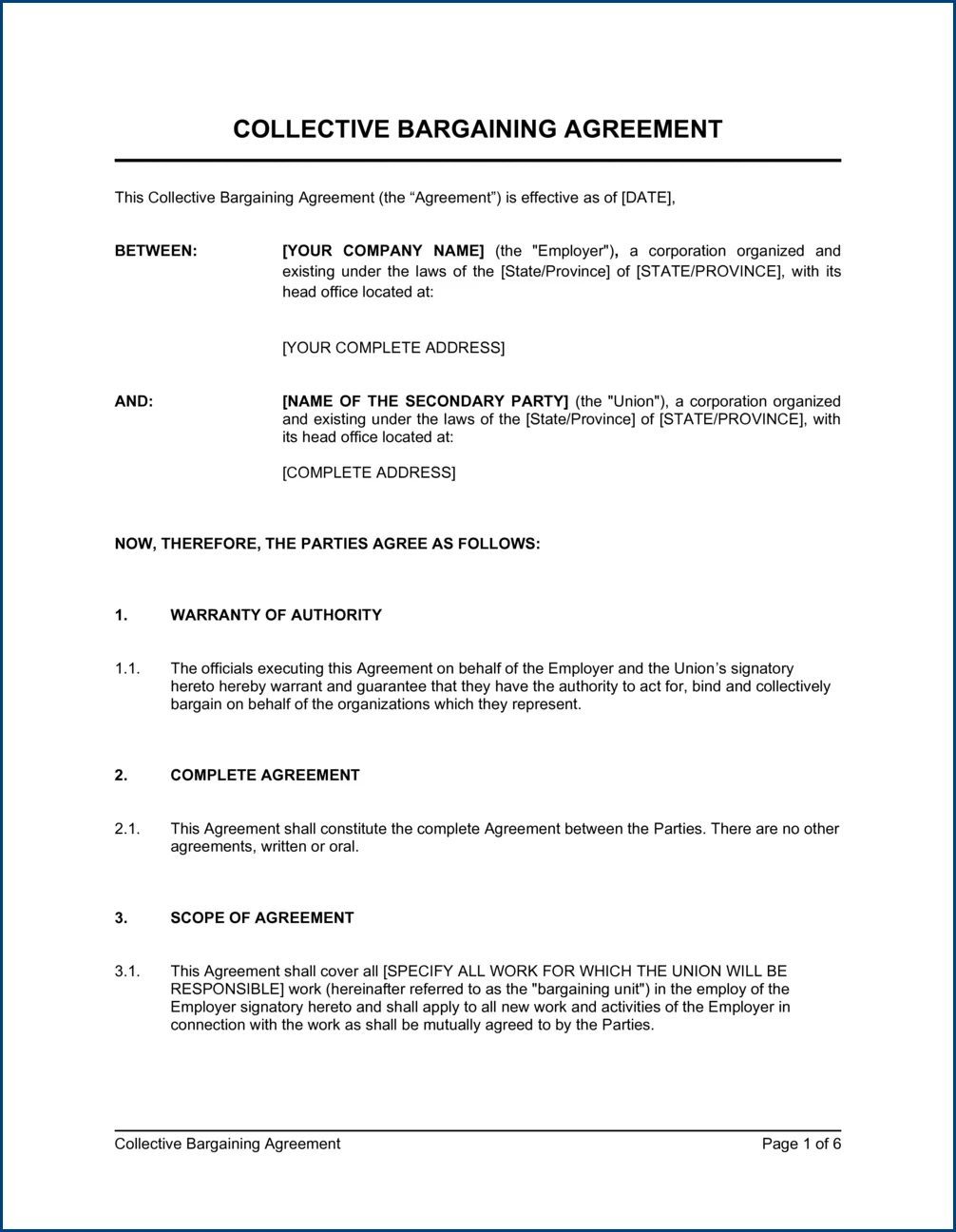
Collective Bargaining Agreement Template – Download
