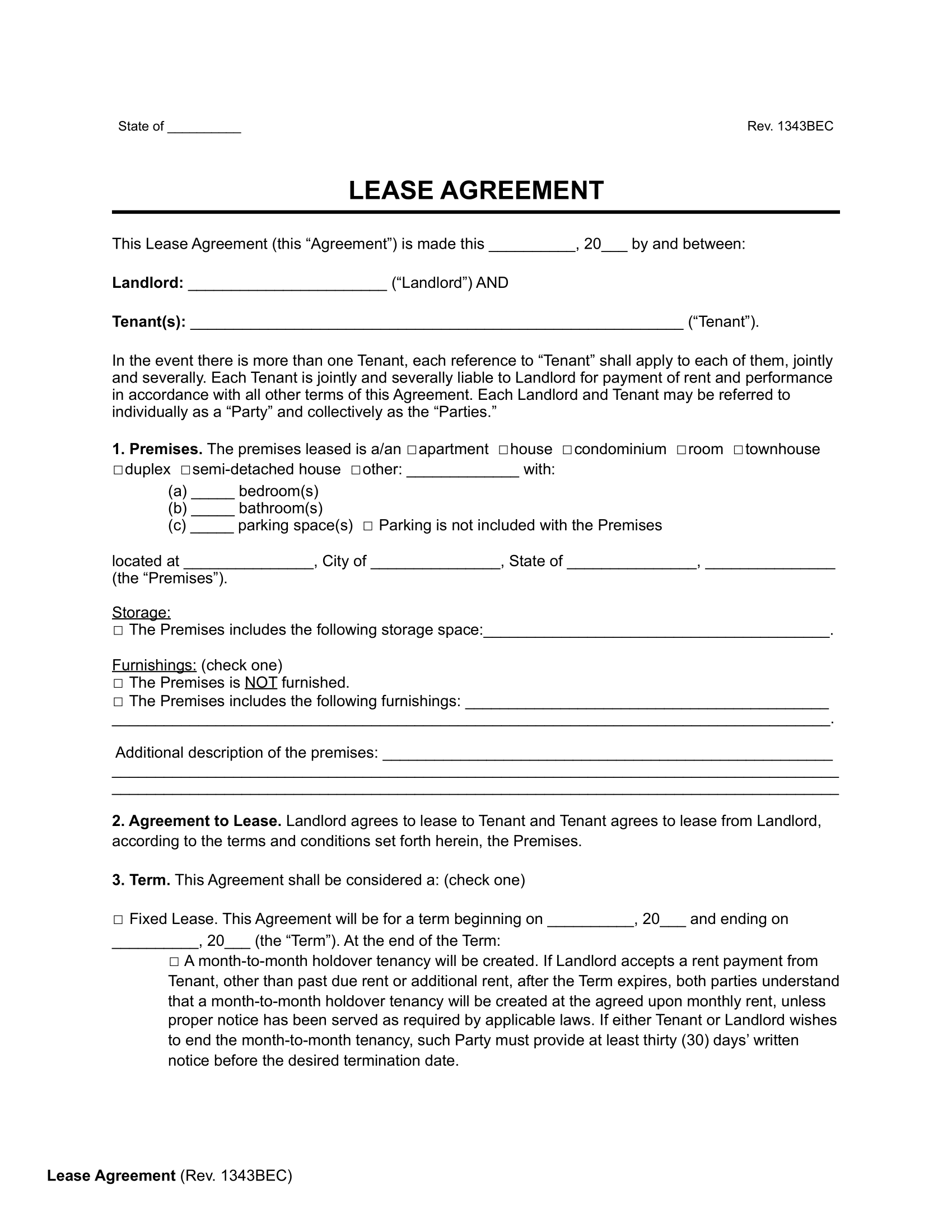
Commercial rental agreements are crucial documents that dictate the terms and conditions of renting a commercial space. Whether you are a landlord looking to lease out your commercial property or a business owner searching for the perfect space, understanding the ins and outs of a commercial rental agreement is essential.
In this comprehensive guide, we will explore everything you need to know about commercial rental agreements, including what they are, why they are important, what to include in a typical agreement, how to navigate the negotiation process, and tips for successful leasing.
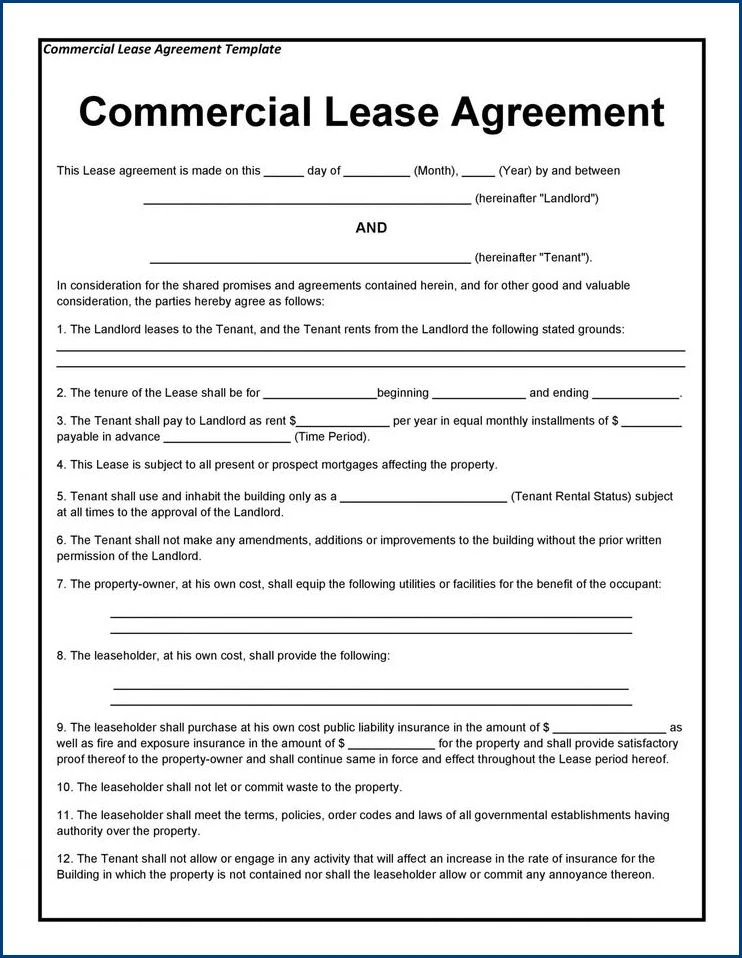
What is a Commercial Rental Agreement?
A commercial rental agreement is a legally binding contract between a landlord and a tenant for the lease of a commercial property. Unlike residential lease agreements, commercial rental agreements are more complex and tailored to the specific needs of businesses.
These agreements outline the terms and conditions of the lease, including the rent amount, lease term, responsibilities of both parties, maintenance obligations, and any additional clauses that may be relevant to the rental.
Why are Commercial Rental Agreements Important?
Commercial rental agreements serve as a crucial tool for protecting the rights and interests of both landlords and tenants. By clearly outlining the terms of the lease, these agreements help prevent misunderstandings, disputes, and legal issues down the line. Landlords benefit from having a written document that establishes their expectations for the tenant, while tenants gain clarity on their responsibilities and rights during the lease term.
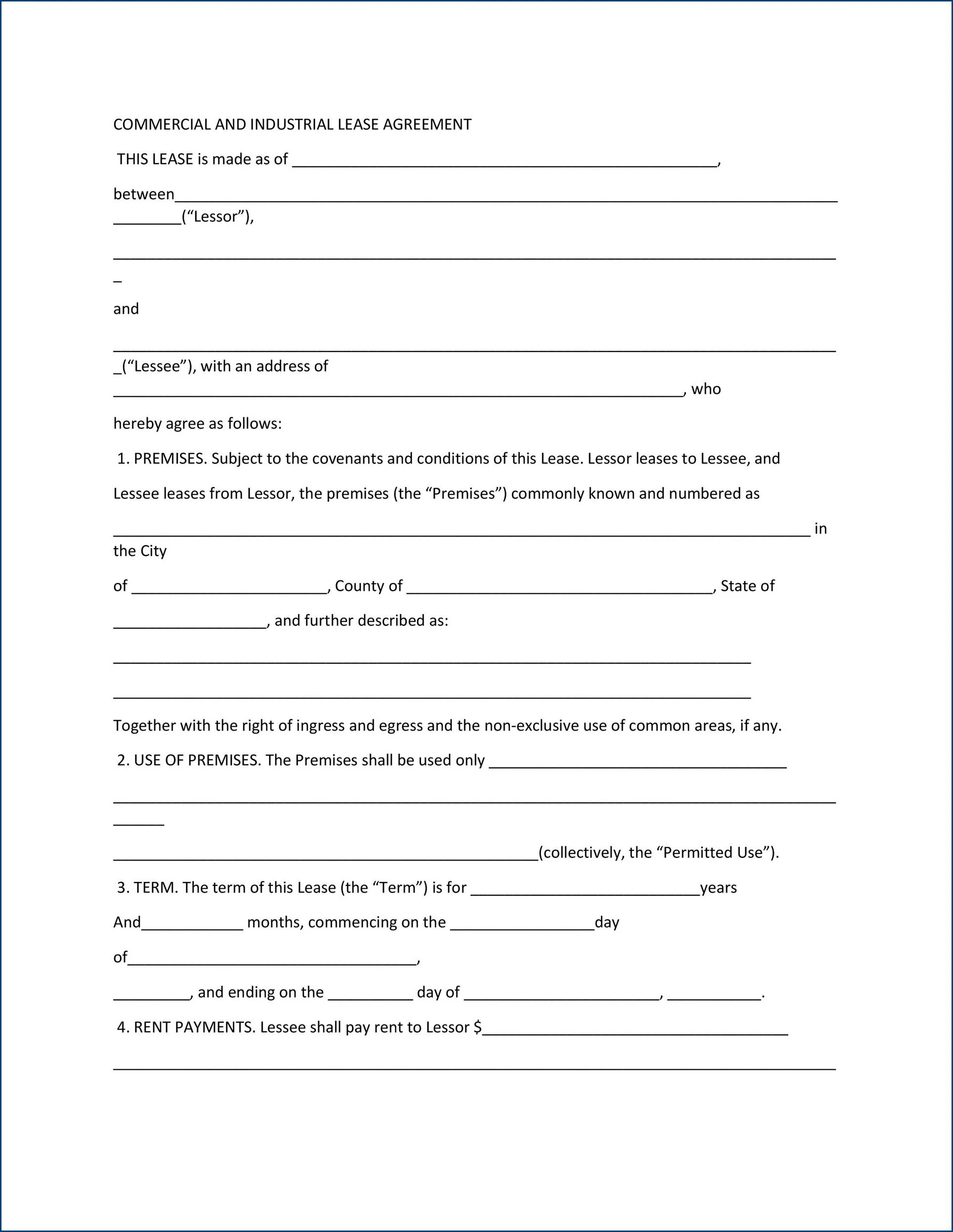
What to Include in a Commercial Rental Agreement
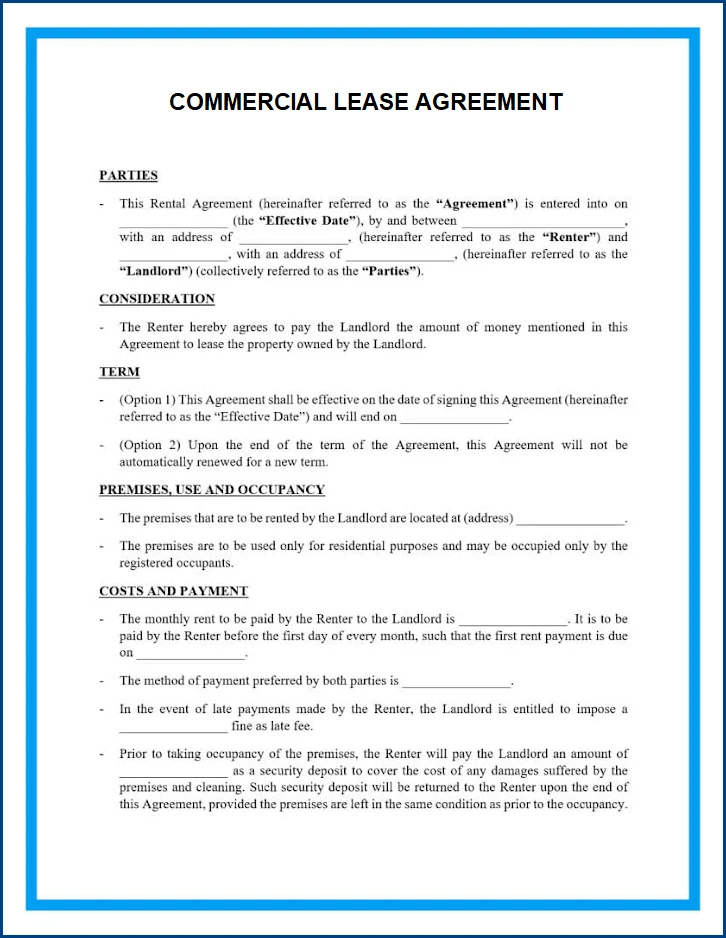
When drafting a commercial rental agreement, it is essential to include the following key elements to ensure clarity and protection for both parties:
- Parties Involved: Clearly identify the landlord and tenant by including their full legal names and contact information.
- Property Details: Describe the commercial property being leased, including the address, square footage, and any specific features or amenities.
- Lease Terms: Specify the lease term, rent amount, payment schedule, security deposit amount, and any rent escalation clauses.
- Rights and Responsibilities: Outline the responsibilities of both the landlord and tenant, including maintenance obligations, utilities, insurance requirements, and the permitted uses of the property.
- Additional Clauses: Include any additional clauses that are relevant to the lease, such as subletting provisions, renewal options, dispute resolution mechanisms, and termination conditions.
How to Negotiate a Commercial Rental Agreement
Negotiating a commercial rental agreement can be a complex process that requires careful consideration and negotiation skills. Here are some tips to help you navigate the negotiation process effectively:
- Research Market Rates: Before entering negotiations, research the market rates for similar commercial properties in the area to ensure you are getting a fair deal.
- Understand Your Needs: Clearly define your requirements and priorities for the space, including location, size, amenities, and budget constraints.
- Seek Legal Advice: Consider seeking legal advice from a real estate attorney to review the terms of the agreement and ensure your rights are protected.
- Communicate Openly: Maintain open communication with the other party to discuss any concerns, questions, or proposed changes to the agreement.
- Be Flexible: While it is important to advocate for your interests, be willing to compromise on certain terms to reach a mutually beneficial agreement.
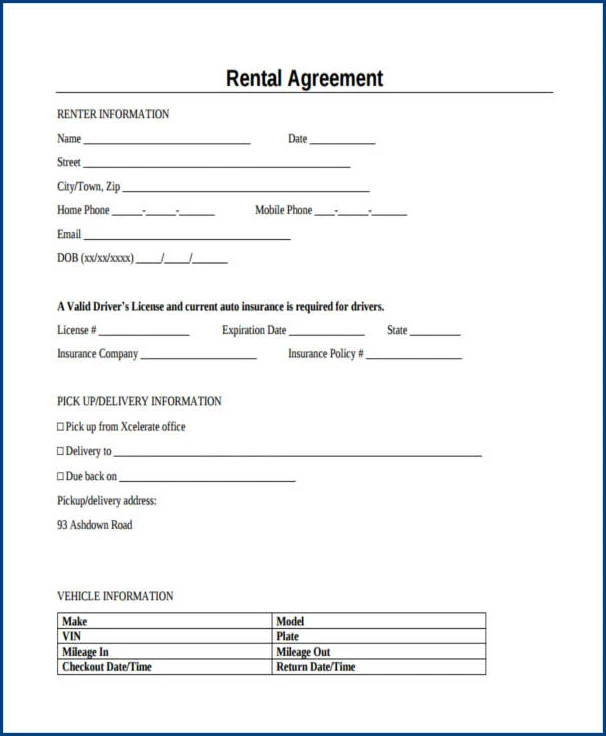
Tips for Successful Commercial Lease Agreements
When entering into a commercial rental agreement, keep the following tips in mind to ensure a successful and smooth leasing experience:
- Thoroughly Review the Agreement: Carefully review the terms of the agreement to ensure you understand all obligations, rights, and conditions before signing.
- Document Property Condition: Conduct a detailed inspection of the property and document its condition before moving in to avoid disputes over damages later on.
- Maintain Communication: Stay in regular contact with the landlord or tenant throughout the lease term to address any issues promptly and effectively.
- Adhere to Lease Terms: Honor the terms of the agreement, including rent payments, maintenance responsibilities, and any other obligations outlined in the contract.
- Seek Legal Assistance If Needed: If you encounter any legal issues or disputes during the lease term, consider seeking legal assistance to protect your rights and interests.
Conclusion
Commercial rental agreements play a crucial role in defining the relationship between landlords and tenants in the commercial real estate sector. By understanding the key elements of these agreements, negotiating effectively, and following best practices for successful leasing, both parties can enjoy a positive and mutually beneficial rental experience. Whether you are a landlord or a tenant, taking the time to craft a solid commercial rental agreement can help protect your interests and ensure a smooth leasing process.
Commercial Rental Agreement Template – Download
