When it comes to conducting business or engaging in certain activities, the concept of risk is always present. Whether you are a business owner, contractor, event organizer, or simply participating in an activity, there is always a chance that something could go wrong. This is where hold harmless agreements come into play. These agreements are designed to protect one party from being held liable for certain actions or outcomes that may occur during the course of a business transaction or activity.
In this article, we will delve into the world of hold harmless agreements, exploring what they are, why they are important, what to include in them, how to use them effectively, and some useful tips for creating a solid agreement.
What is a Hold Harmless Agreement?
A hold harmless agreement, also known as a liability waiver or release, is a legal document that outlines the responsibilities and liabilities of each party involved in a business transaction or activity. Essentially, it is a way for one party to protect themselves from being held responsible for certain risks or liabilities that may arise during the course of the transaction or activity. These agreements are commonly used in situations where there is a higher risk of injury or damage, such as construction projects, events, or sports activities.
Hold harmless agreements typically specify which party will be responsible for any damages, injuries, or losses that occur as a result of the transaction or activity. By signing the agreement, the party agreeing to hold harmless is essentially agreeing not to hold the other party liable for any damages or losses that may occur.
Why are Hold Harmless Agreements Important?
Hold harmless agreements are important for several reasons. Firstly, they help to clearly define the responsibilities and liabilities of each party involved in a business transaction or activity. This can help to prevent misunderstandings or disputes down the line, as each party knows exactly what is expected of them.
Secondly, hold harmless agreements help to protect parties from potential legal action in the event that something goes wrong during the course of the transaction or activity. By outlining each party’s responsibilities and liabilities upfront, hold harmless agreements can help to minimize the risk of being held liable for damages or losses that were not directly caused by the party in question.
What to Include in a Hold Harmless Agreement
When creating a hold harmless agreement, several key elements should be included to ensure that the agreement is clear, comprehensive, and legally binding:
- Identification of the Parties: Clearly identify the parties involved in the agreement, including their names, addresses, and contact information.
- Description of the Transaction or Activity: Provide a detailed description of the transaction or activity that the agreement pertains to, including the date, time, and location.
- Scope of the Agreement: Clearly outline the scope of the agreement, including the specific risks or liabilities that are being waived.
- Insurance Coverage: Specify whether either party is required to maintain insurance coverage for the transaction or activity.
- Signatures: Ensure that the agreement is signed by all parties involved, including witnesses if necessary, to make it legally binding.
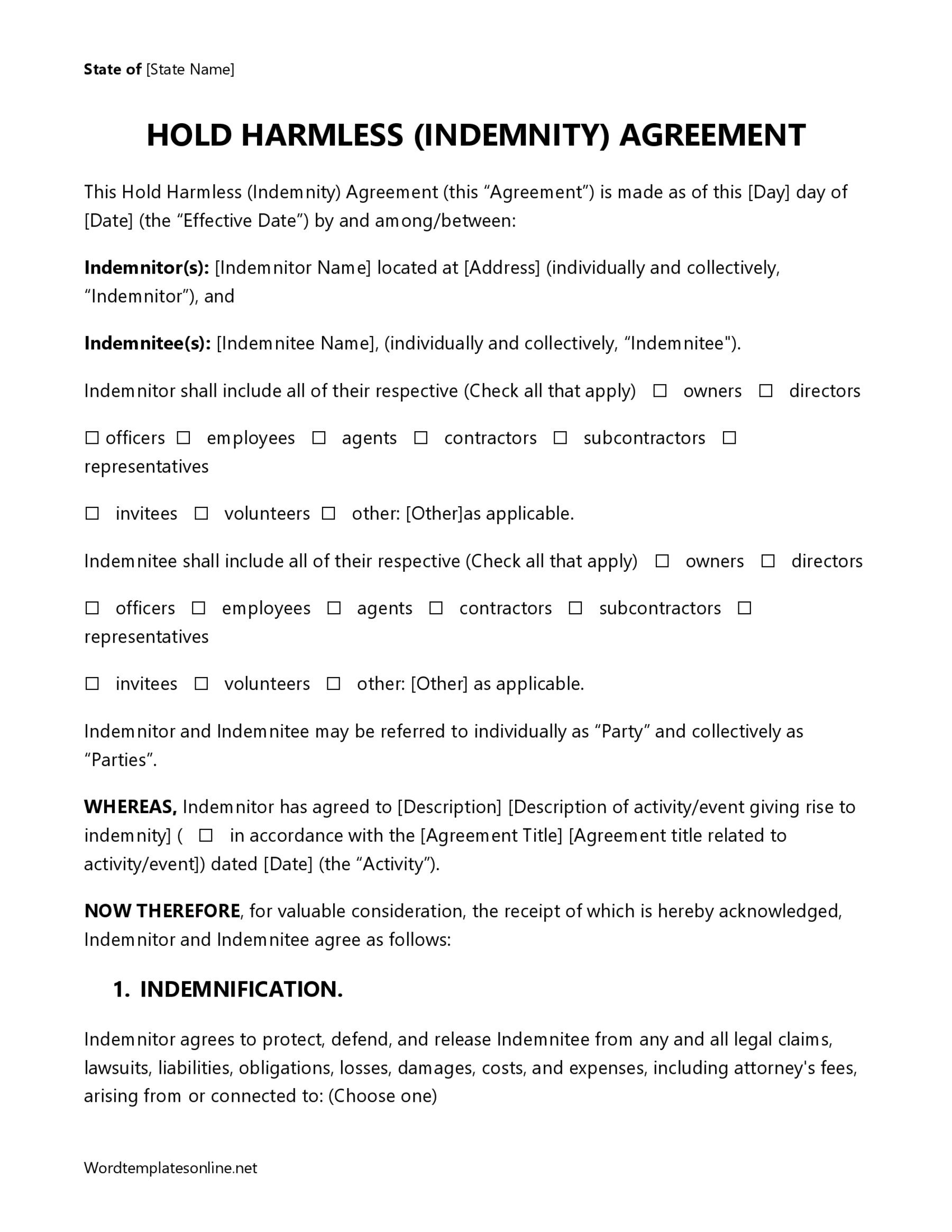
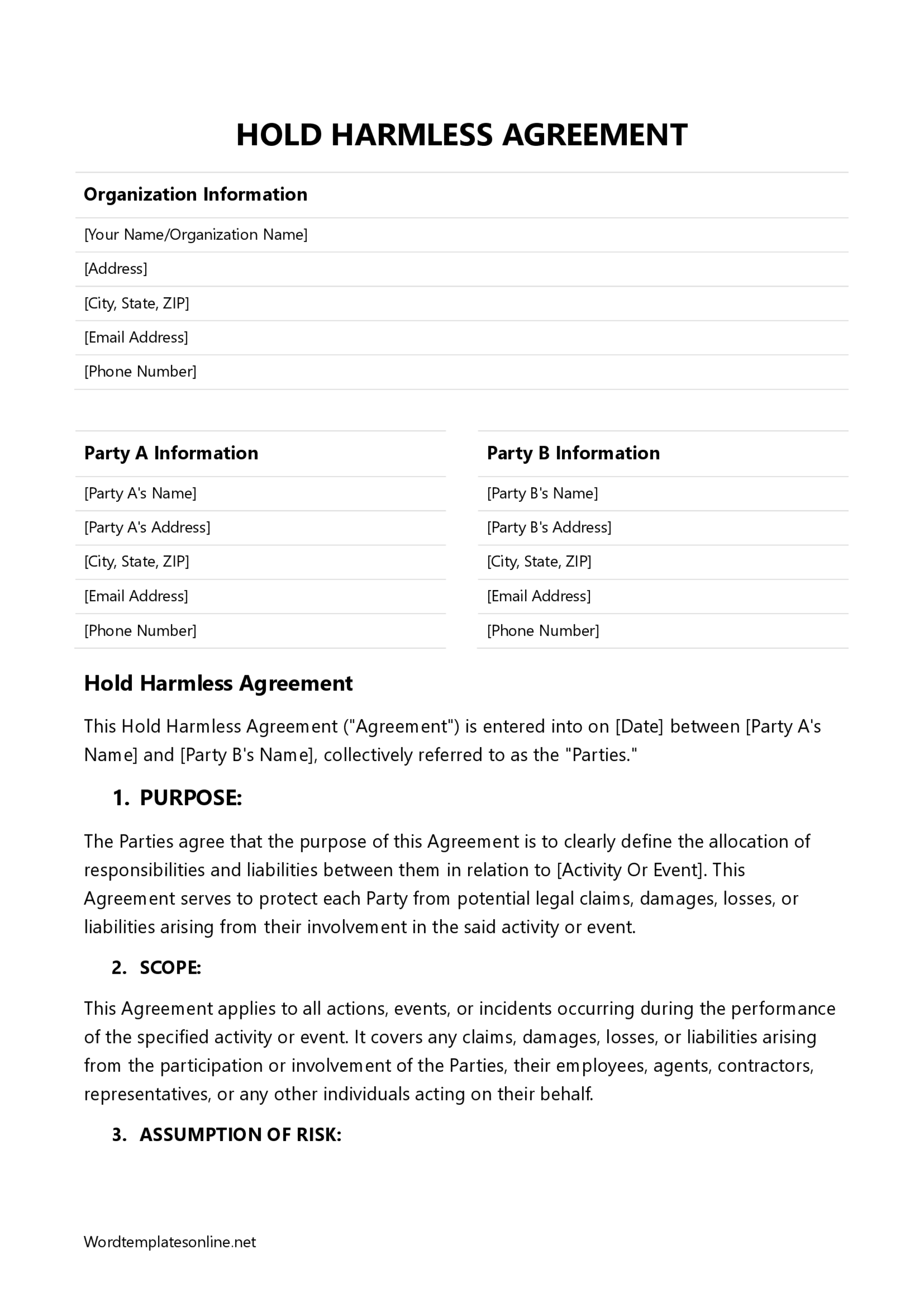
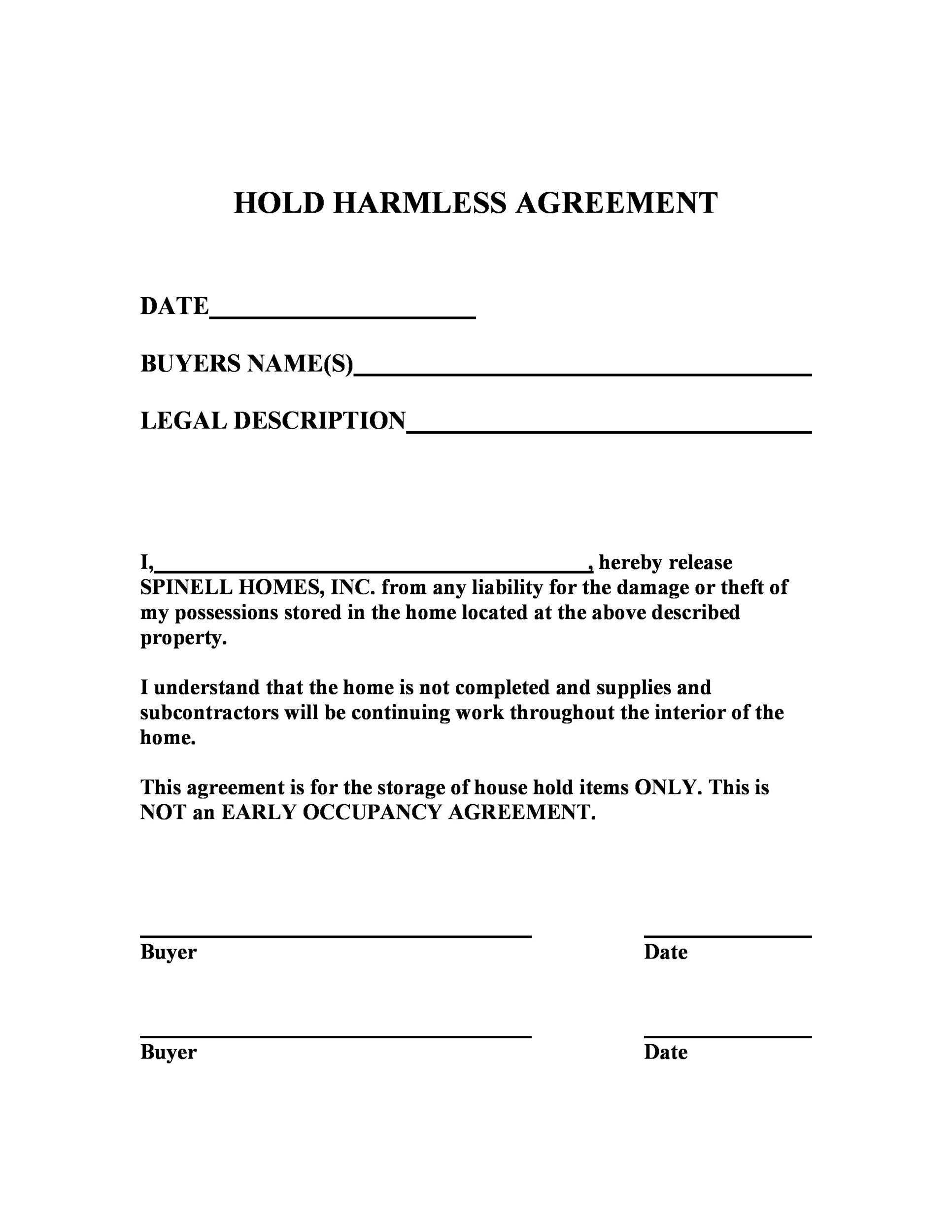
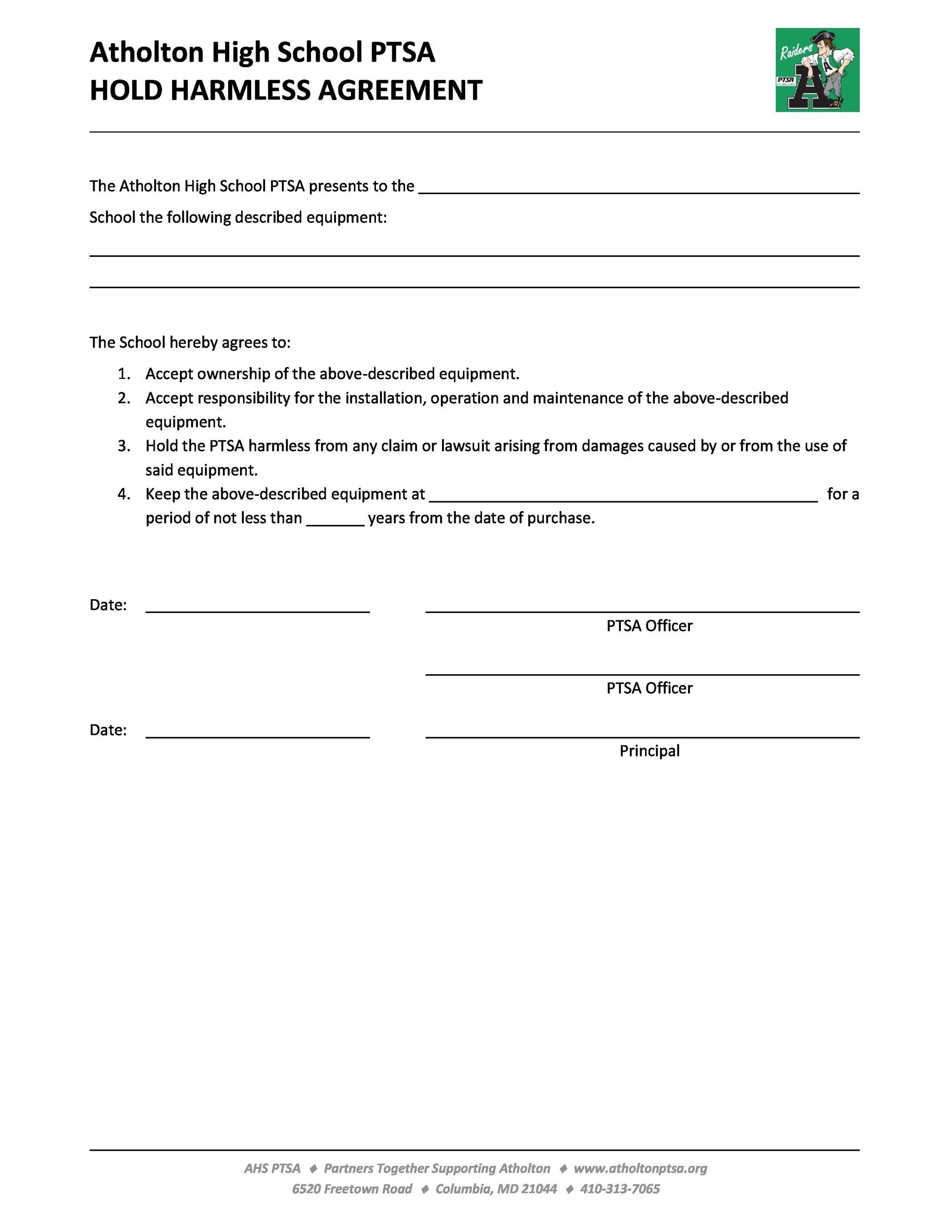
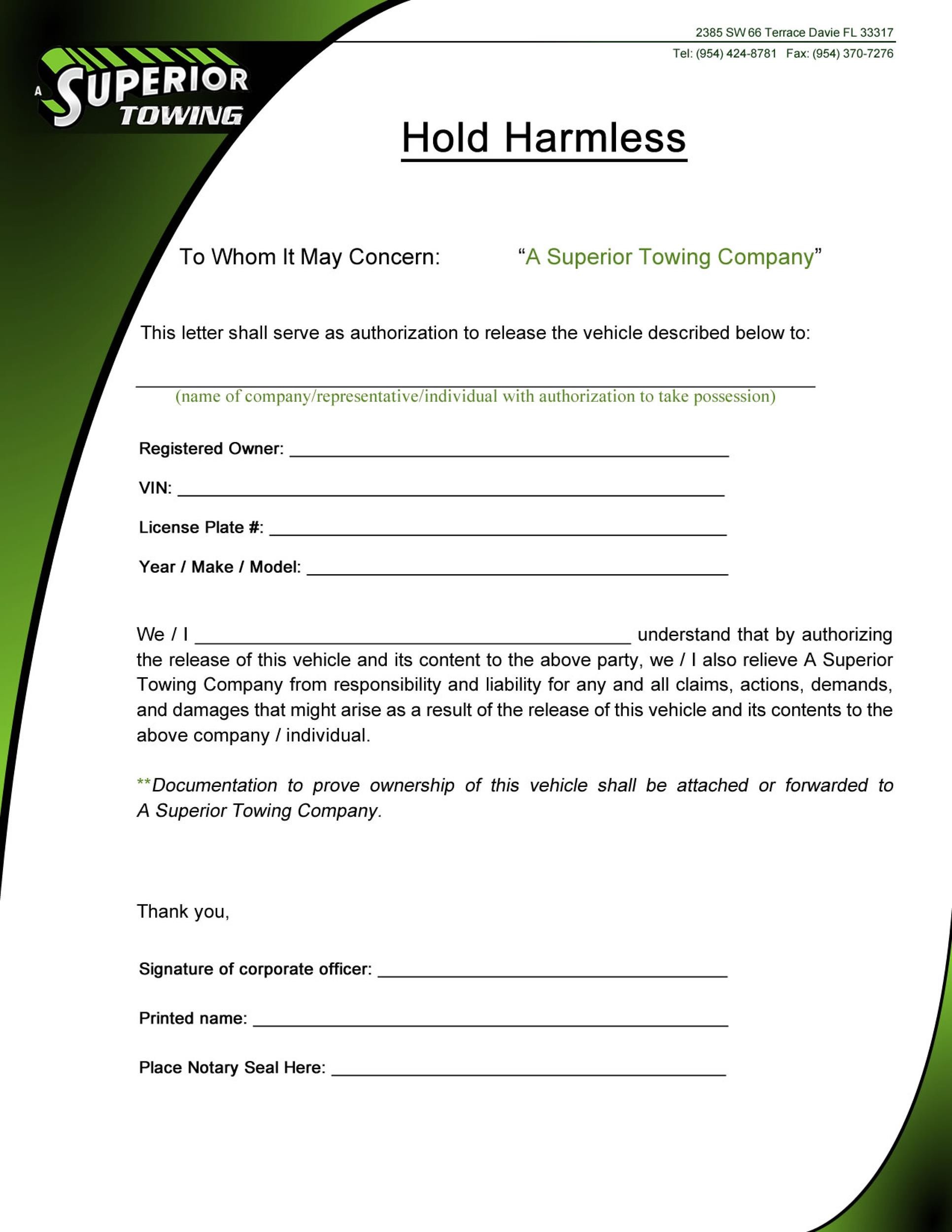
Examples
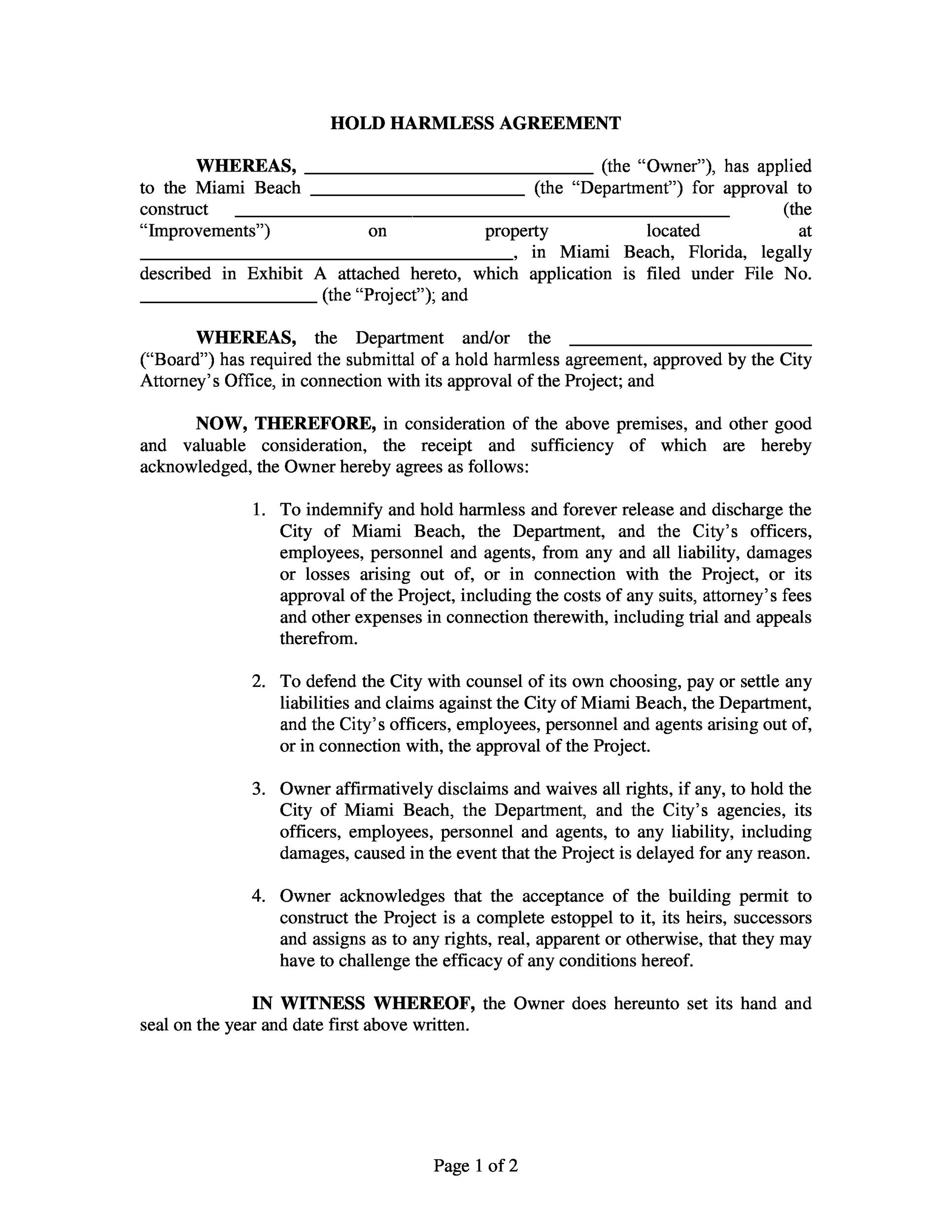
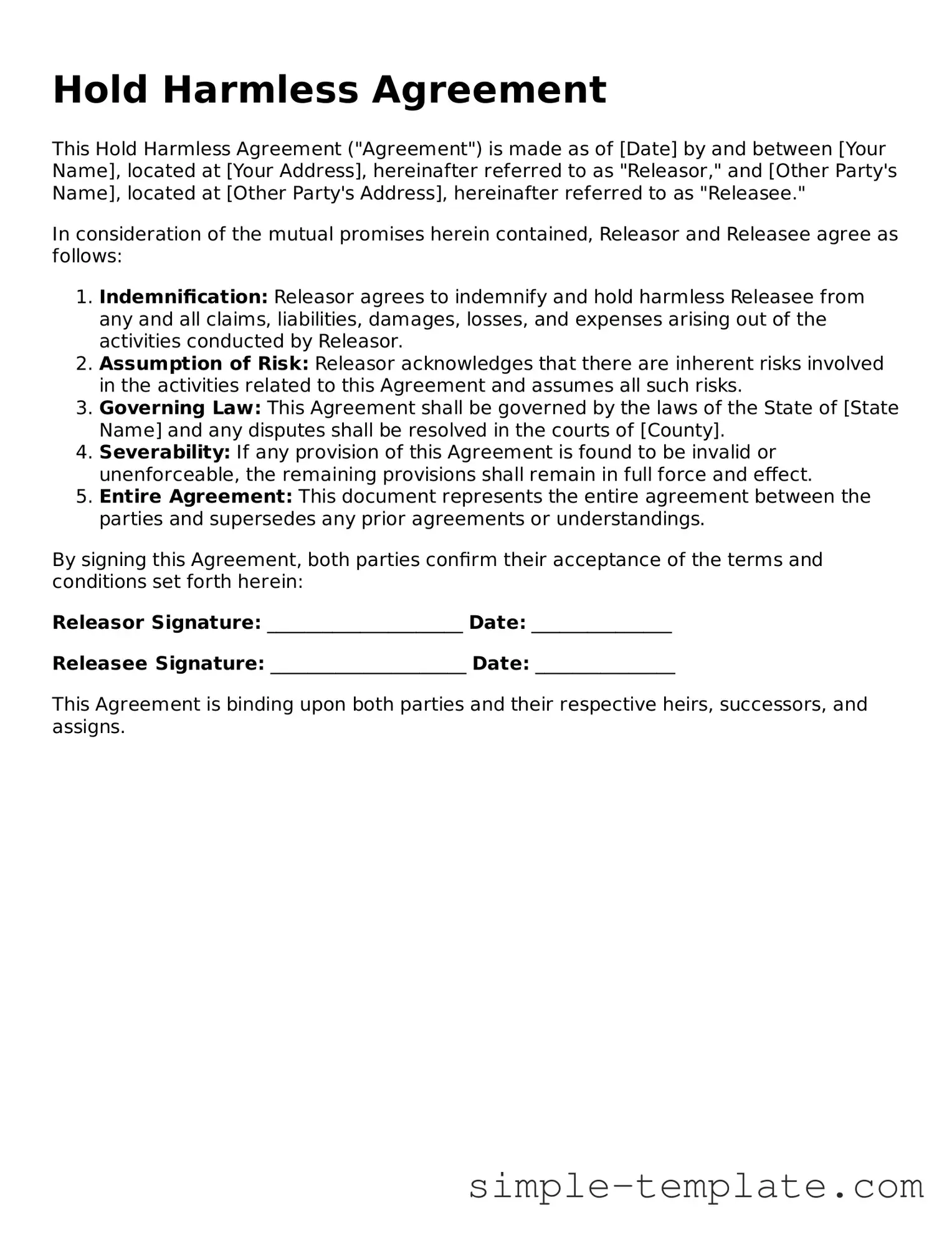
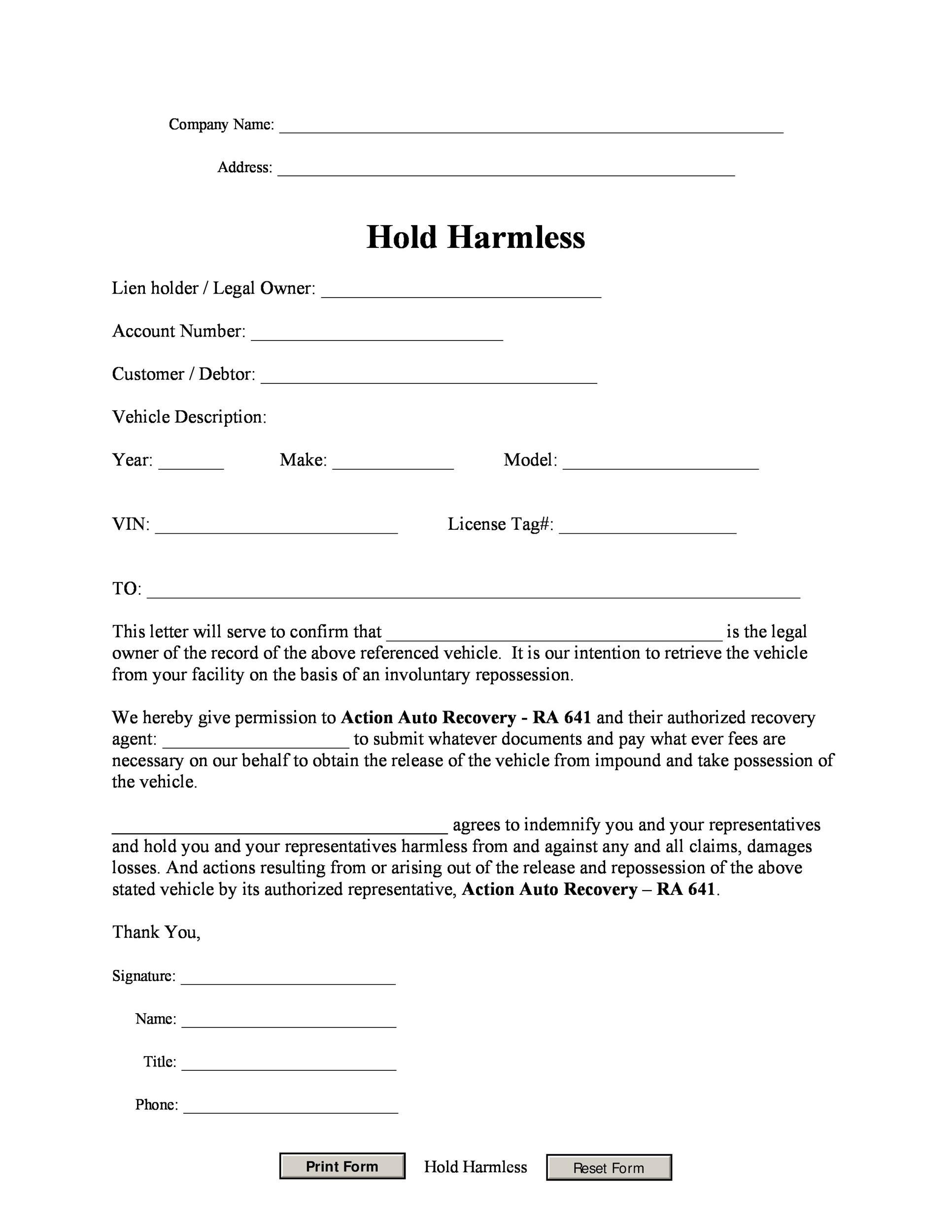
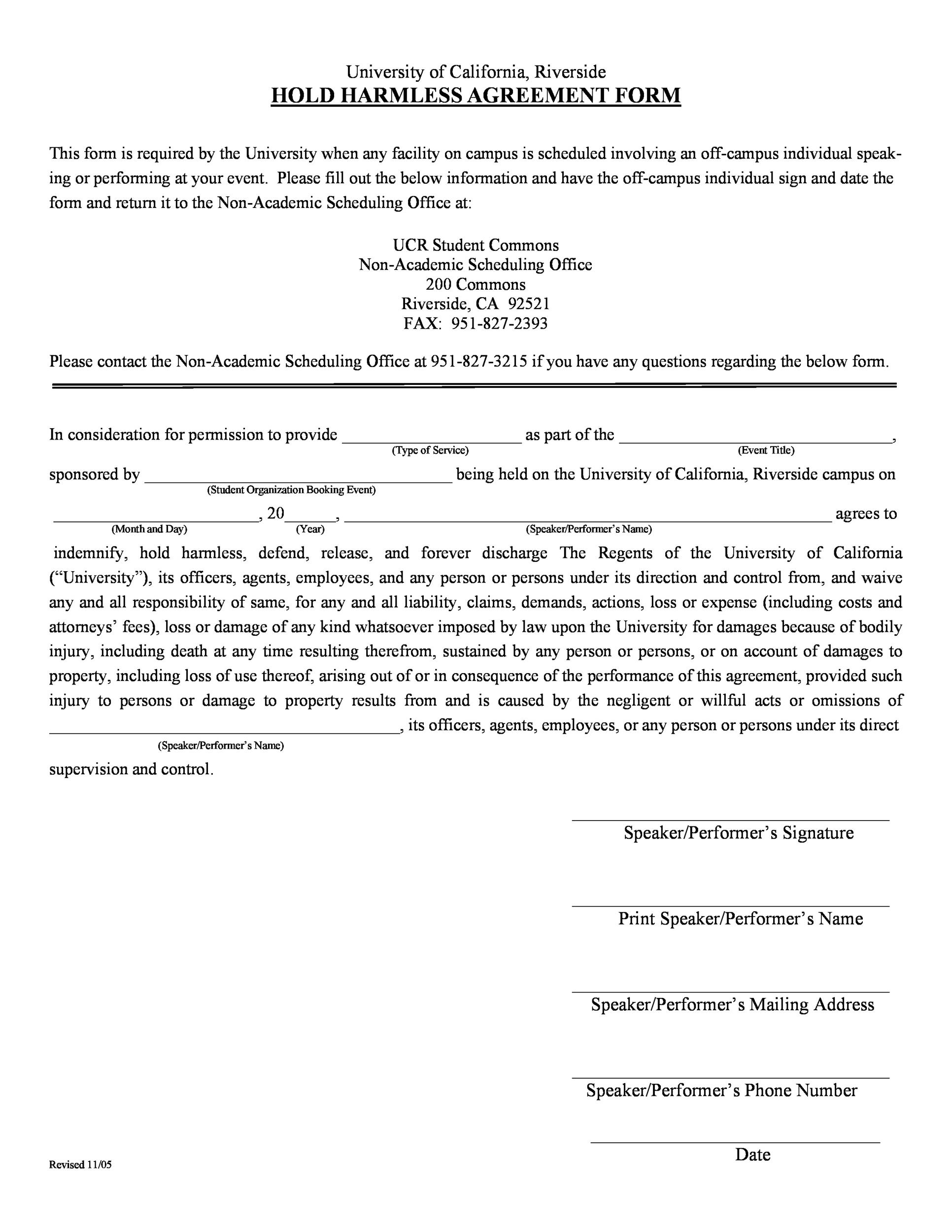
How to Use Hold Harmless Agreements Effectively
When using hold harmless agreements, it is important to follow these tips to ensure that the agreements are effective and legally sound:
- Consult with Legal Counsel: Before creating or signing a hold harmless agreement, it is advisable to consult with a legal professional to ensure that the agreement is legally binding and enforceable.
- Be Specific: Clearly outline the risks and liabilities that are being waived in the agreement to avoid any ambiguity or misunderstandings.
- Review Regularly: Periodically review and update hold harmless agreements to ensure that they accurately reflect the current situation and any changes in circumstances.
- Keep Copies: Keep copies of all hold harmless agreements on file for future reference in case any disputes arise.
Tips for Creating a Solid Hold Harmless Agreement
Creating a solid hold harmless agreement is essential for protecting your interests and minimizing risk. Here are some tips to help you create a strong and effective agreement:
- Use Clear and Concise Language: Avoid using legalese or complicated language in the agreement, as this can lead to confusion or misunderstandings.
- Include Relevant Details: Be sure to include all relevant details about the transaction or activity, as well as any specific risks or liabilities involved.
- Consider Worst-Case Scenarios: When drafting the agreement, consider worst-case scenarios and plan accordingly to protect yourself from potential risks.
- Get Legal Advice: If you are unsure about any aspect of the agreement, seek legal advice to ensure that it is legally sound and enforceable.
By following these tips and guidelines, you can create a solid hold harmless agreement that protects your interests and helps to minimize risk in any business transaction or activity.
Hold Harmless Agreement Template – Download
