Incident reports play a crucial role in various industries, from healthcare and manufacturing to education and retail. These reports are essential for documenting and analyzing any unexpected or undesirable event that occurs within an organization. By keeping detailed records of incidents, businesses can identify trends, improve safety measures, and prevent future occurrences. In this article, we will delve deeper into the world of incident reports, exploring their significance, what to include, how to write them effectively, and tips for creating comprehensive reports.
What is an Incident Report?
An incident report is a document that records details of any incident, accident, or near-miss that takes place in a workplace or public setting. These reports are used to document the event, investigate the causes, and implement preventive measures to avoid similar incidents in the future. Incident reports can cover a wide range of incidents, including injuries, property damage, security breaches, and more.
Why are Incident Reports Important?
Incident reports are crucial for several reasons. They help organizations track and analyze incidents to identify patterns and root causes. By understanding why incidents occur, businesses can implement corrective actions to prevent future occurrences. Incident reports also serve as legal records, providing documentation in the event of litigation or insurance claims.
What to Include in an Incident Report
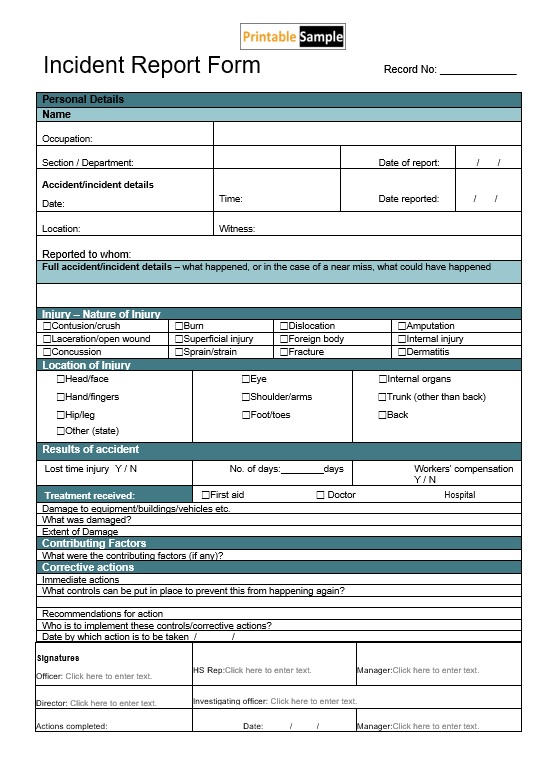
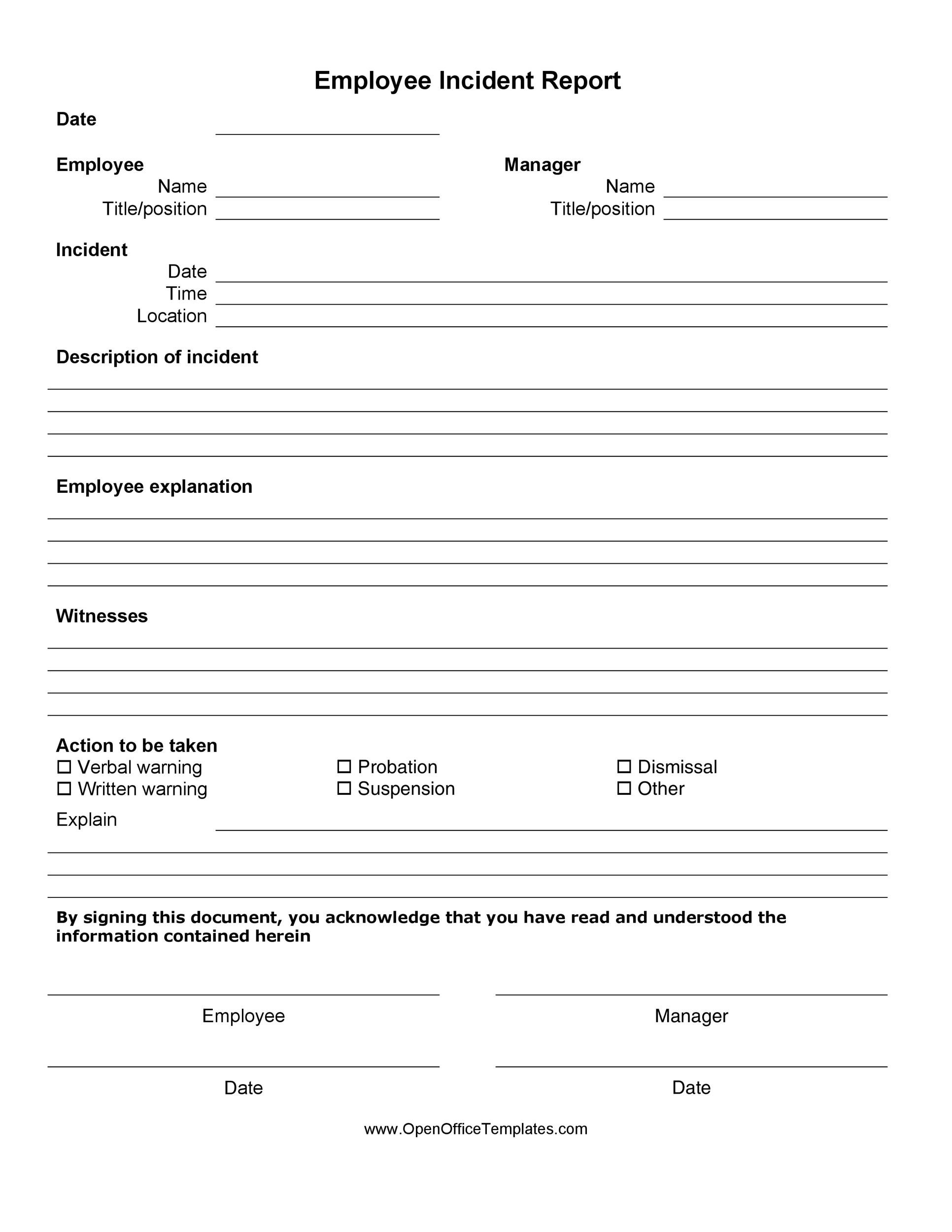
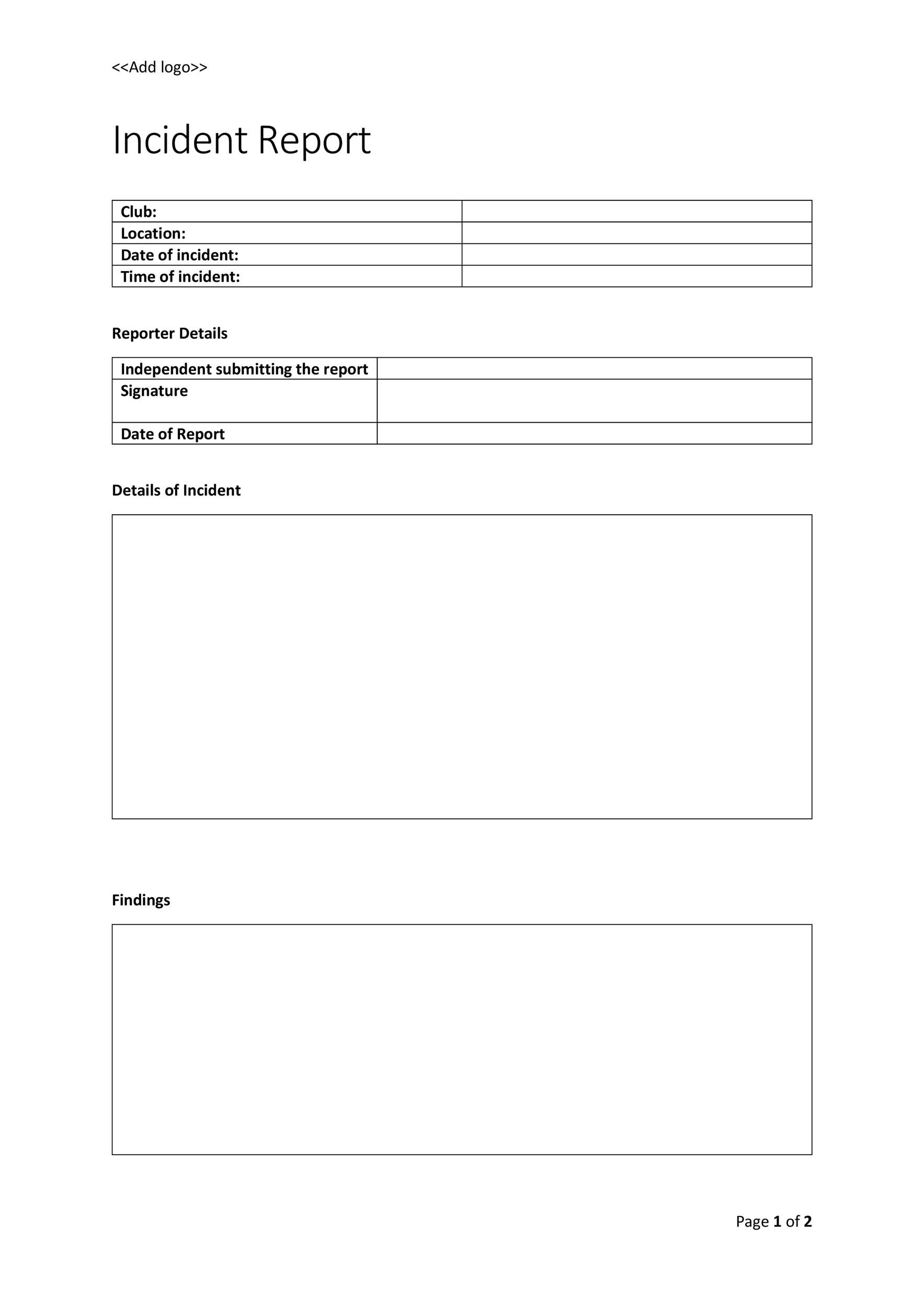
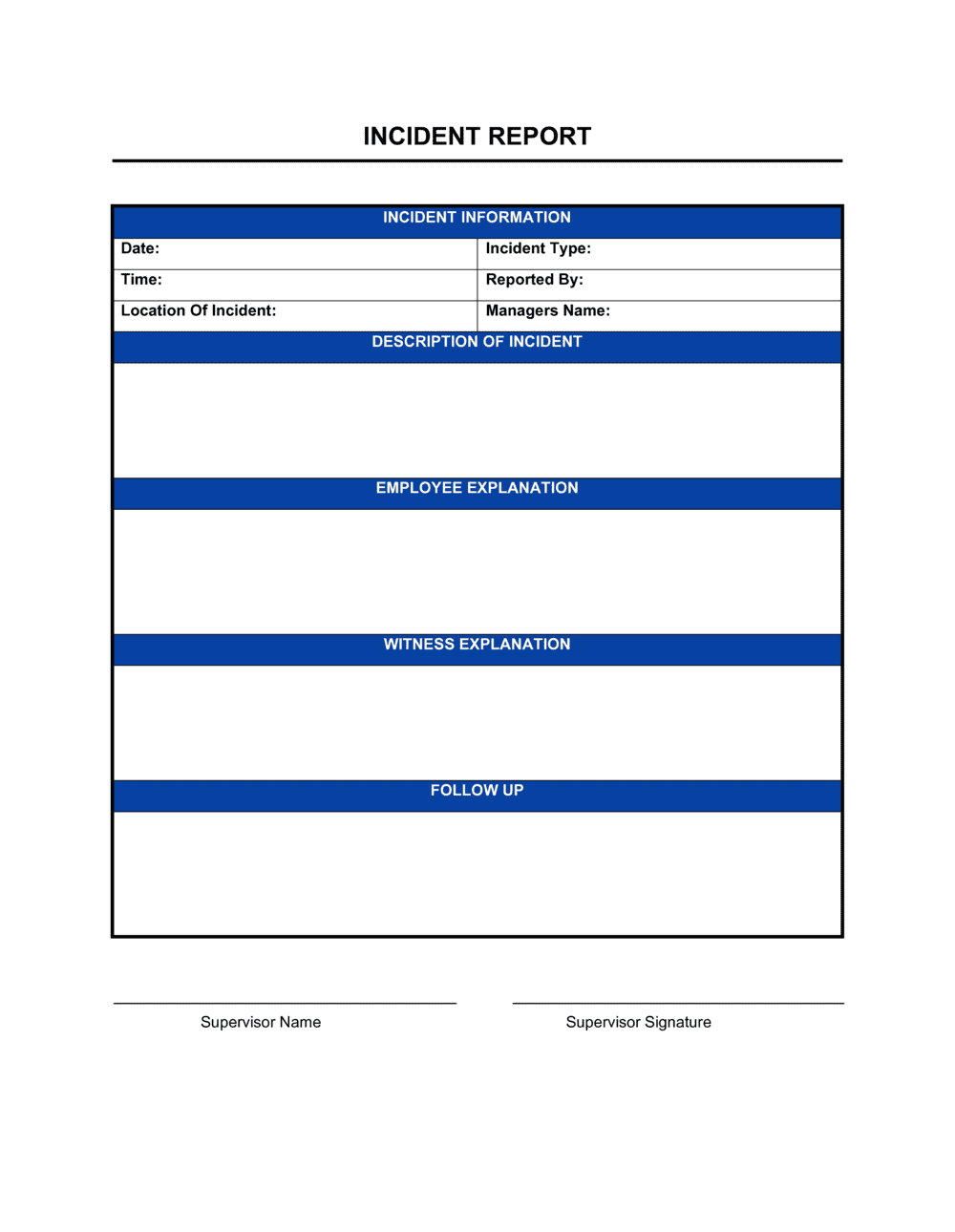
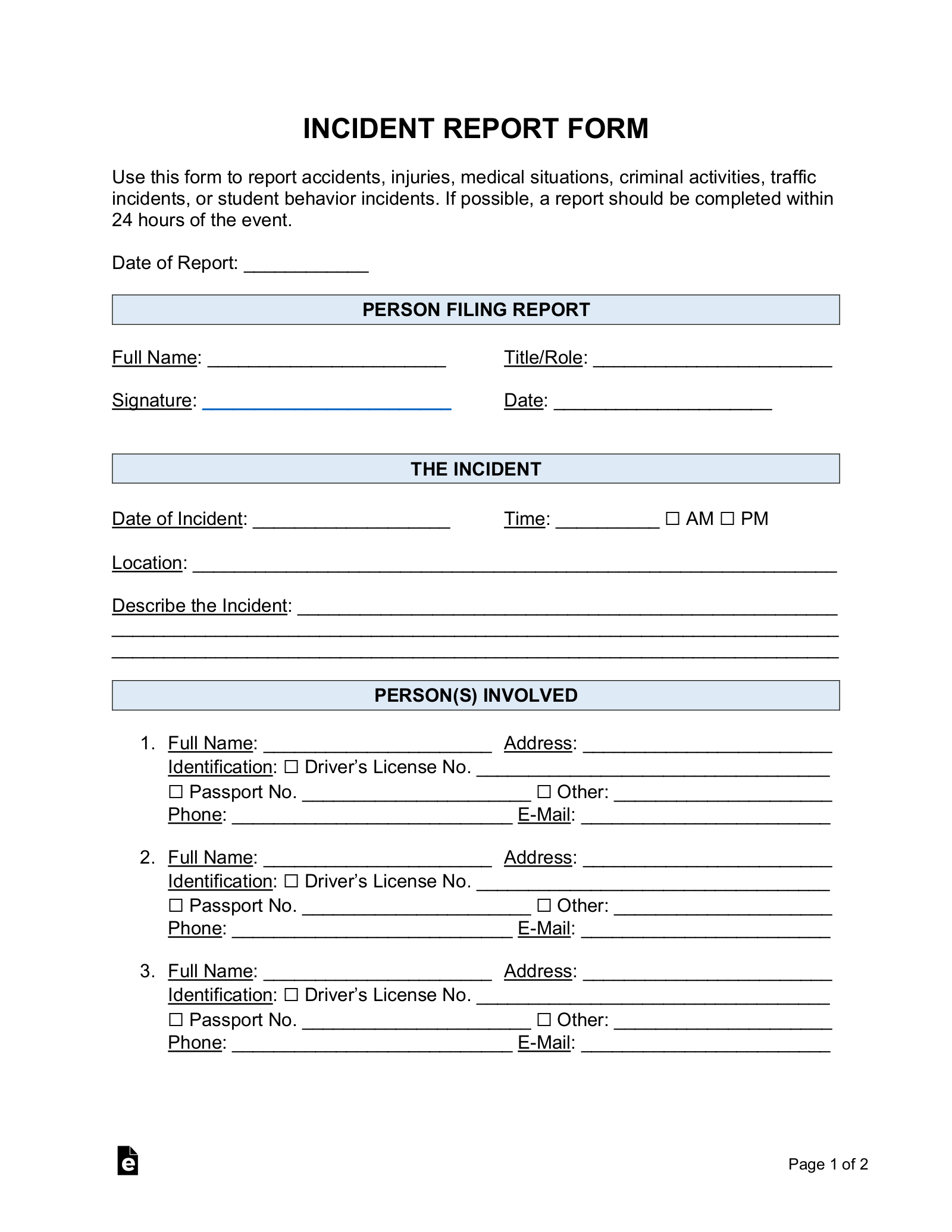
When creating an incident report, it is essential to include specific details to ensure accuracy and clarity. Here are some key elements to include in an incident report:
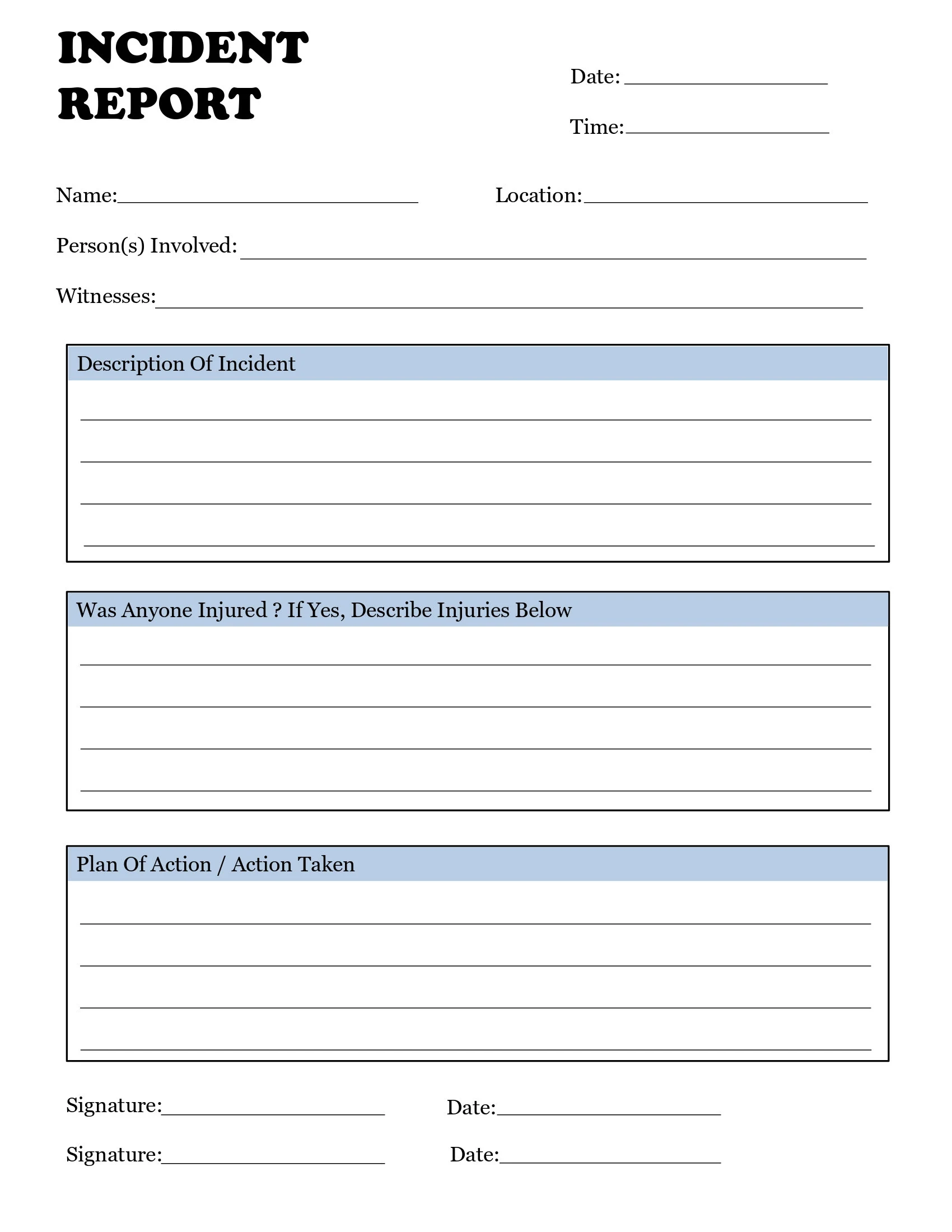
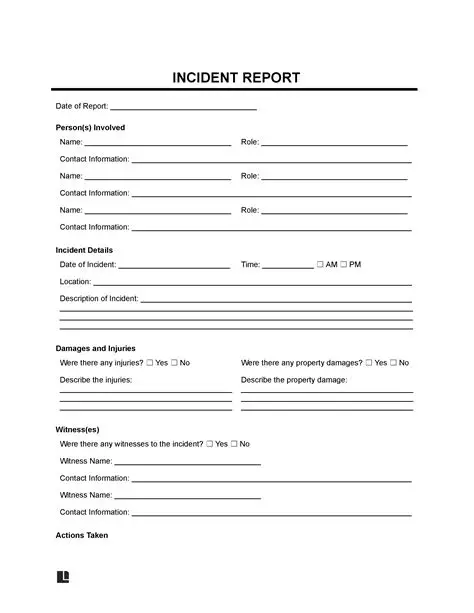
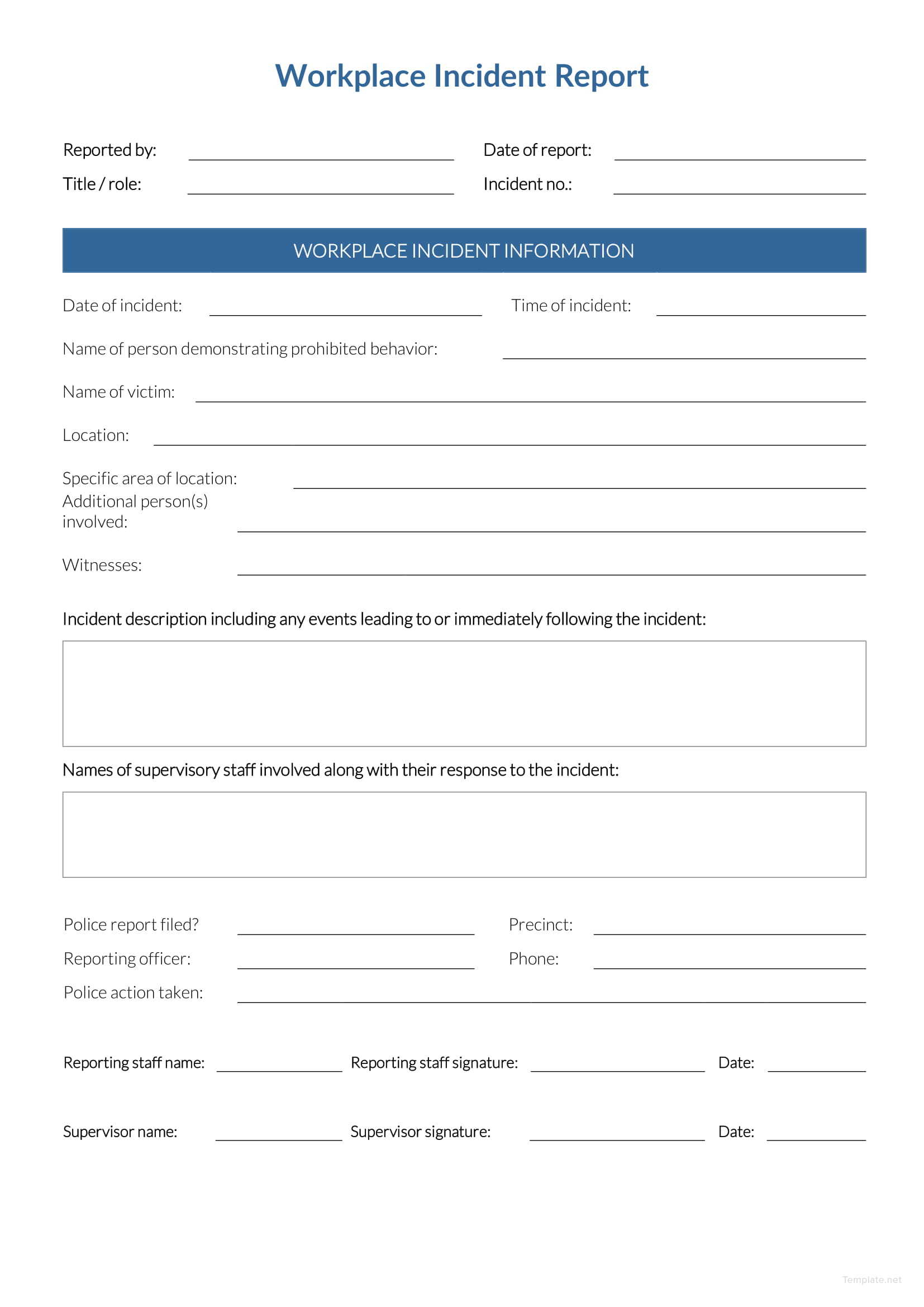
- Date and time: Record the date and time the incident occurred.
- Location: Specify where the incident took place.
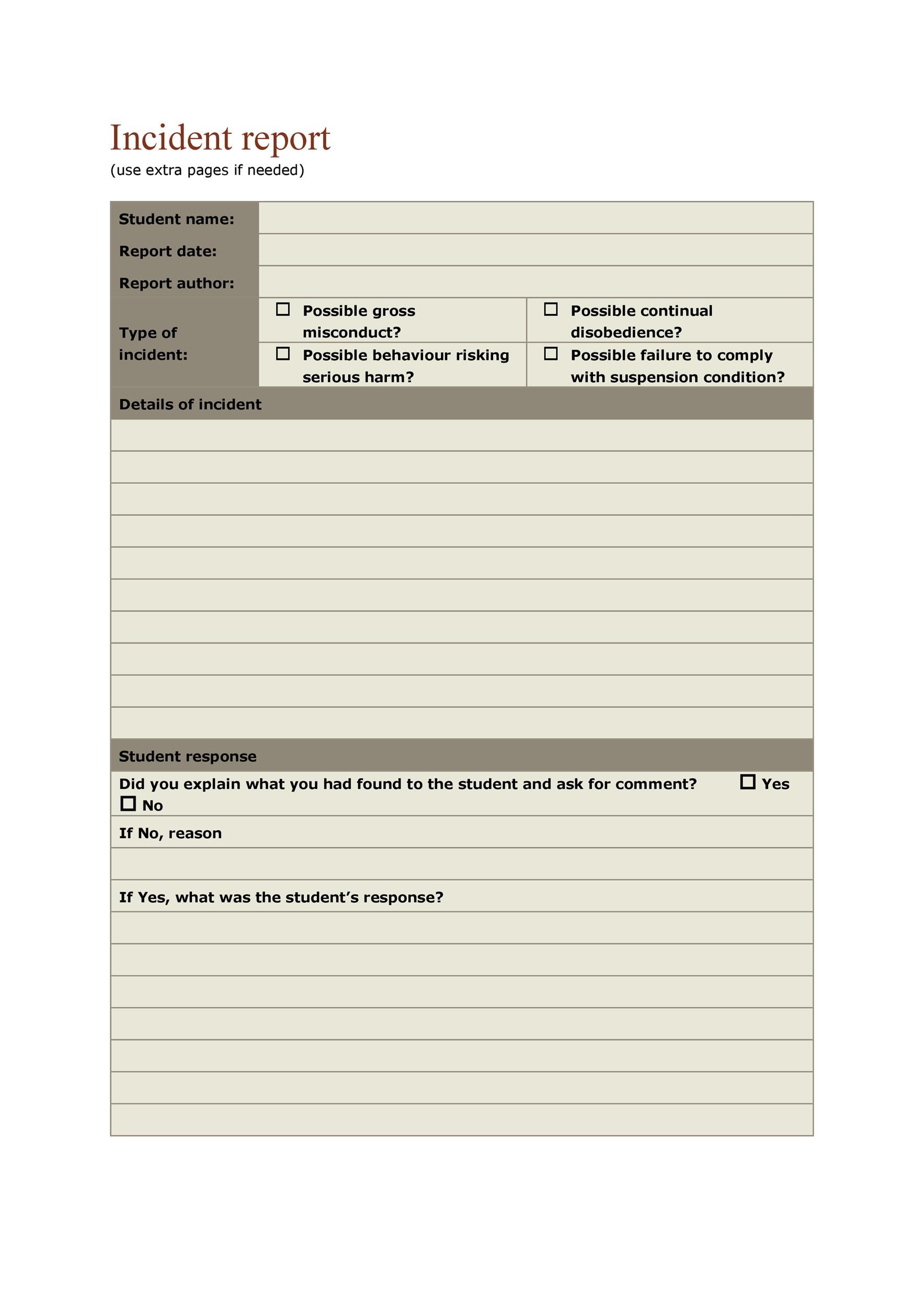
- Description of the incident: Provide a detailed description of what happened.
- Witness information: Include names and contact information of any witnesses.
- Injuries or damages: Document any injuries or damages resulting from the incident.
- Cause of the incident: Identify possible causes or contributing factors.
- Actions taken: Describe any immediate actions taken in response to the incident.
Examples
How to Write an Incident Report
Writing an incident report requires clear and concise communication. Here are some tips on how to write an effective incident report:
- Be factual: Stick to the facts and avoid making assumptions or speculations.
- Use clear language: Write in a straightforward manner to ensure the report is easily understood.
- Include relevant details: Provide all necessary information to paint a complete picture of the incident.
- Use a structured format: Organize the report in a logical sequence, starting with the date and time of the incident.
- Proofread and edit: Review the report for any errors or inconsistencies before finalizing it.
Tips for Creating Comprehensive Incident Reports
Creating comprehensive incident reports is essential for effective incident management. Here are some additional tips to help you create detailed and informative reports:
- Interview witnesses: Gather firsthand accounts from witnesses to get a complete picture of the incident.
- Include photos or diagrams: Visual aids can help illustrate the scene of the incident and provide additional context.
- Follow up: Ensure that any corrective actions or preventive measures are implemented and documented in the report.
- Train staff: Provide training on incident reporting procedures to ensure all employees know how to respond in case of an incident.
- Regularly review reports: Analyze incident reports regularly to identify trends and make improvements to safety protocols.
Conclusion
Incident reports are a vital tool for promoting safety and preventing future incidents in the workplace. By documenting incidents accurately and comprehensively, organizations can learn from past mistakes and create a safer environment for employees and customers. Understanding the importance of incident reports and following best practices for creating them can help businesses mitigate risks and ensure a proactive approach to incident management.
Incident Report Template – Download
