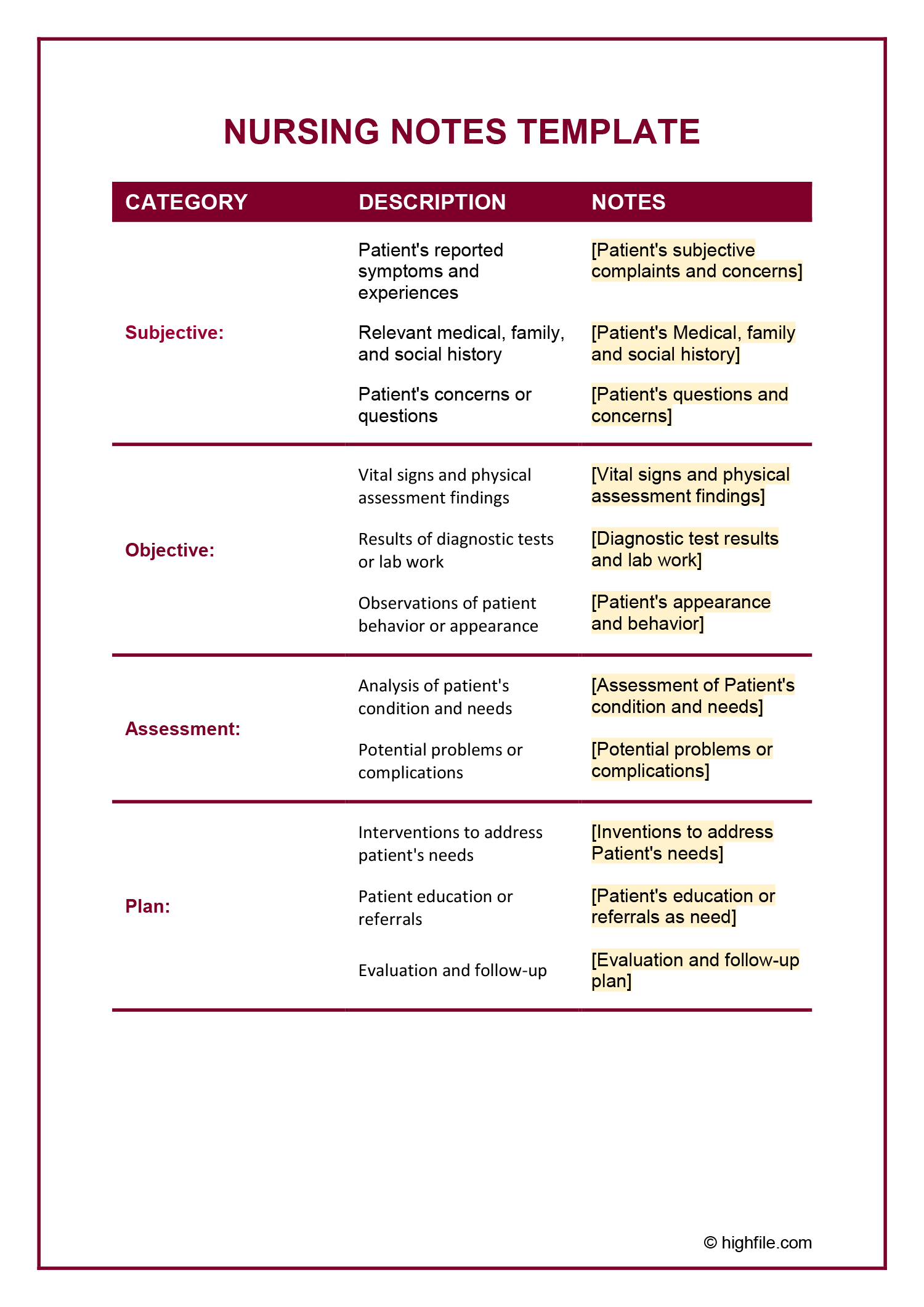
Nursing notes are an essential part of a nurse’s daily routine, providing a detailed record of a patient’s care and progress. These notes are crucial for communication between healthcare providers, ensuring that all team members are informed about the patient’s condition and treatment plan. In this comprehensive guide, we will explore the importance of nursing notes, what to include in them, how to write effective notes, and tips for success in nursing documentation.
What are Nursing Notes?
Nursing notes, also known as nurse’s documentation or nurse’s charting, are written records that document a patient’s care, treatment, and response to interventions. These notes are typically written in a patient’s medical record and serve as a legal document that can be used in court proceedings. Nursing notes are essential for providing continuity of care, ensuring that all healthcare providers have access to the most up-to-date information about a patient’s condition.
Nursing notes can take many forms, including handwritten notes, electronic health records (EHR), and voice-to-text documentation. Regardless of the format, nursing notes should be clear, concise, and accurate, providing a complete picture of the patient’s status and care plan.
Why are Nursing Notes Important?
Nursing notes play a vital role in patient care by providing a detailed record of the care provided and the patient’s response to treatment. These notes serve as a communication tool among healthcare providers, helping to ensure that all team members are on the same page regarding the patient’s condition and treatment plan. In addition, nursing notes are essential for legal and regulatory purposes, providing evidence of the care provided and documenting any changes in the patient’s condition.
Accurate and timely nursing notes are critical for ensuring patient safety and quality of care. By documenting all aspects of a patient’s care, nurses can track trends, identify potential problems, and make informed decisions about the patient’s treatment plan.
What to Include in Nursing Notes
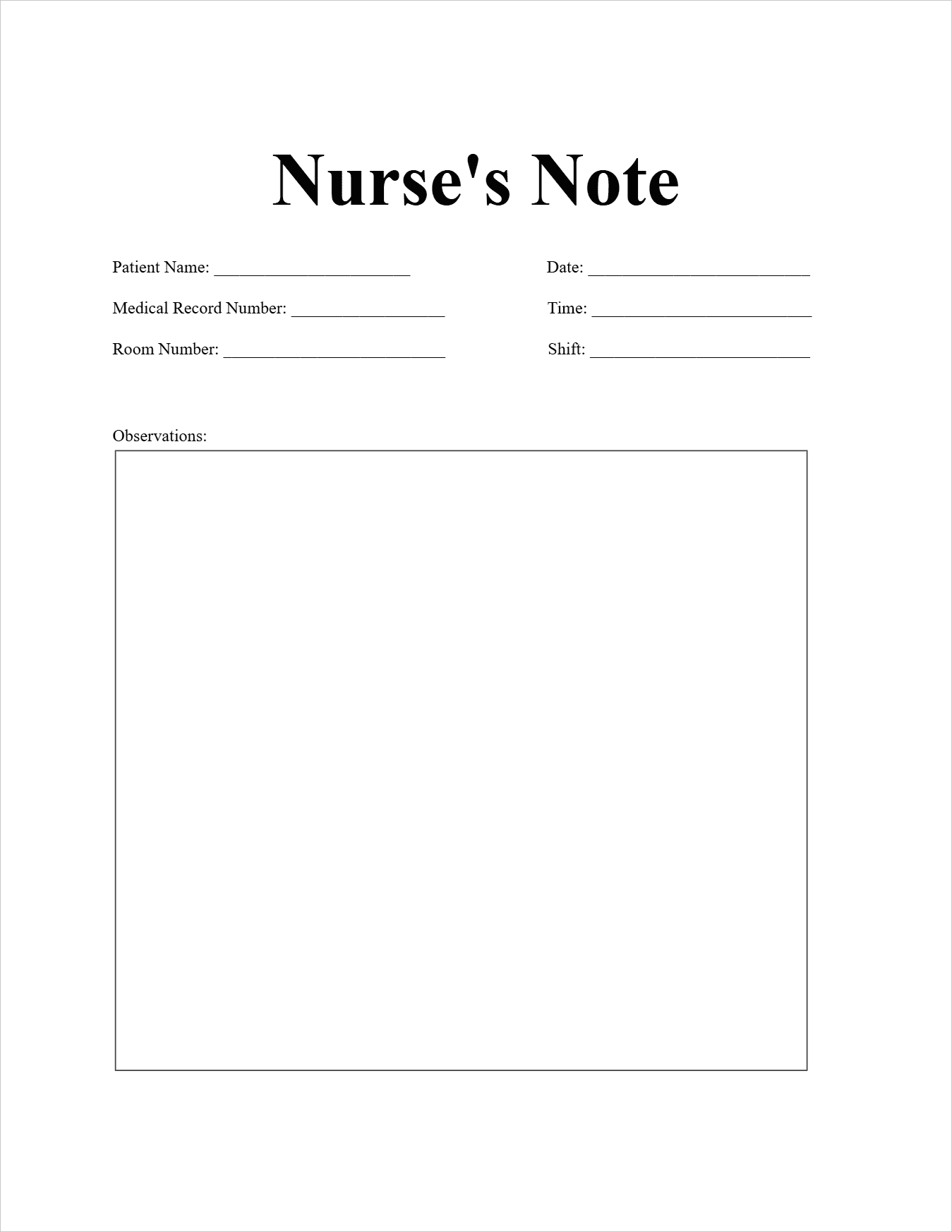
When documenting in nursing notes, it is essential to include the following information:
- Patient Information: Include the patient’s name, age, sex, and medical record number.
- Date and Time: Document the date and time of each entry to provide a timeline of events.
- Objective Data: Include vital signs, physical assessments, laboratory results, and other measurable data.
- Subjective Data: Document the patient’s complaints, symptoms, and feelings.
- Interventions: Describe the care provided, including medications administered, treatments performed, and patient education.
- Response to Interventions: Note the patient’s response to treatment, any changes in condition, and the effectiveness of interventions.
- Consultations: Document any consultations with other healthcare providers, including specialists and therapists.
- Discharge Planning: Include information about the patient’s discharge plan, follow-up care, and referrals.
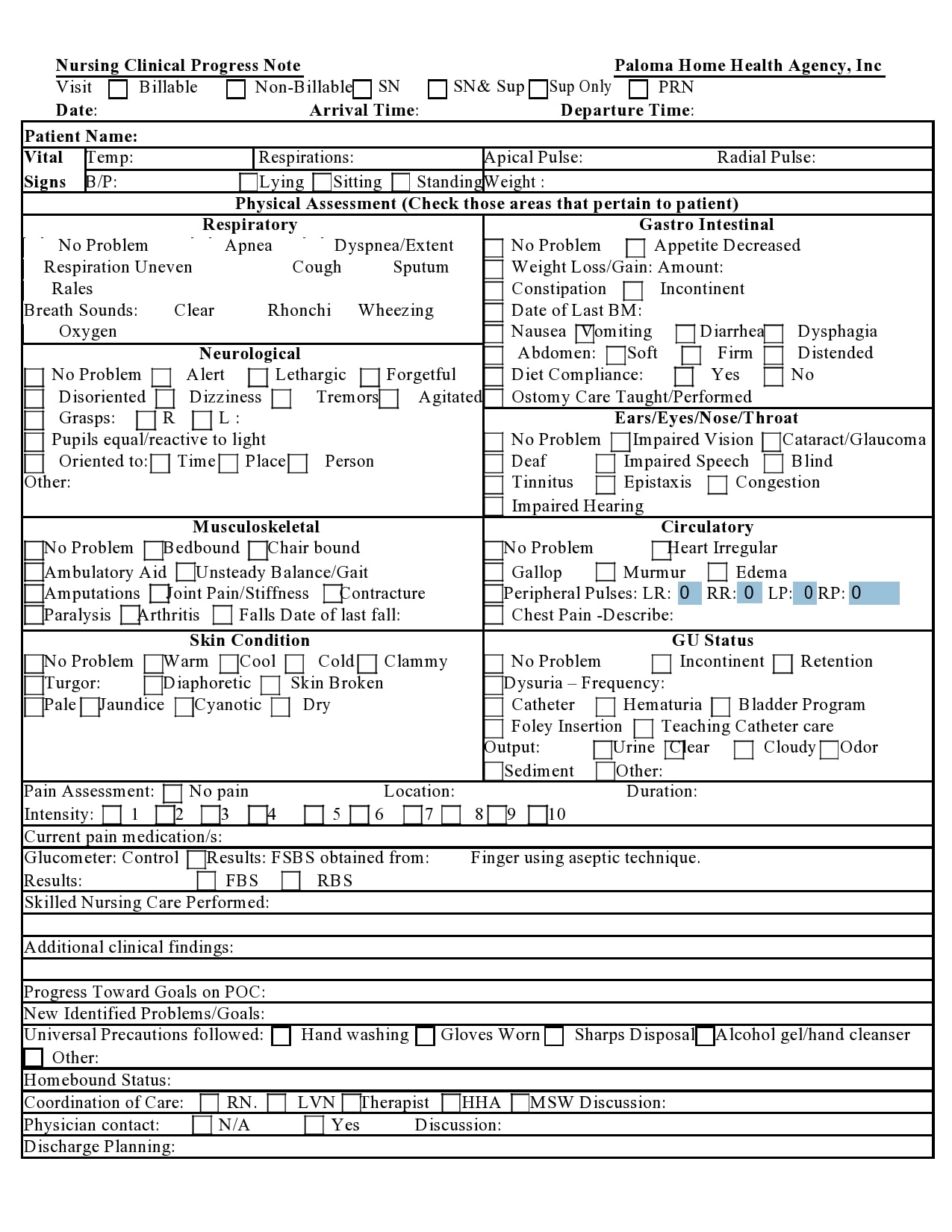
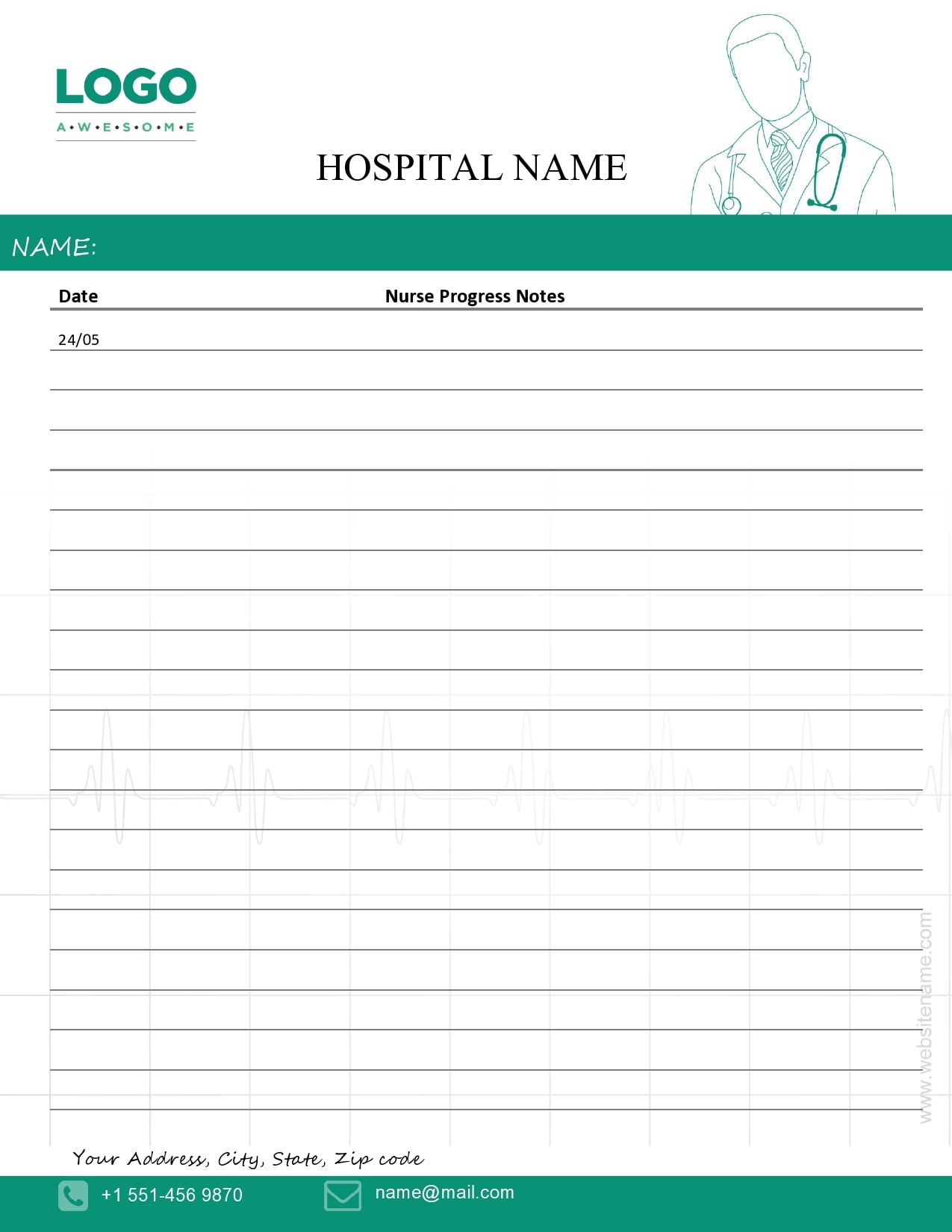
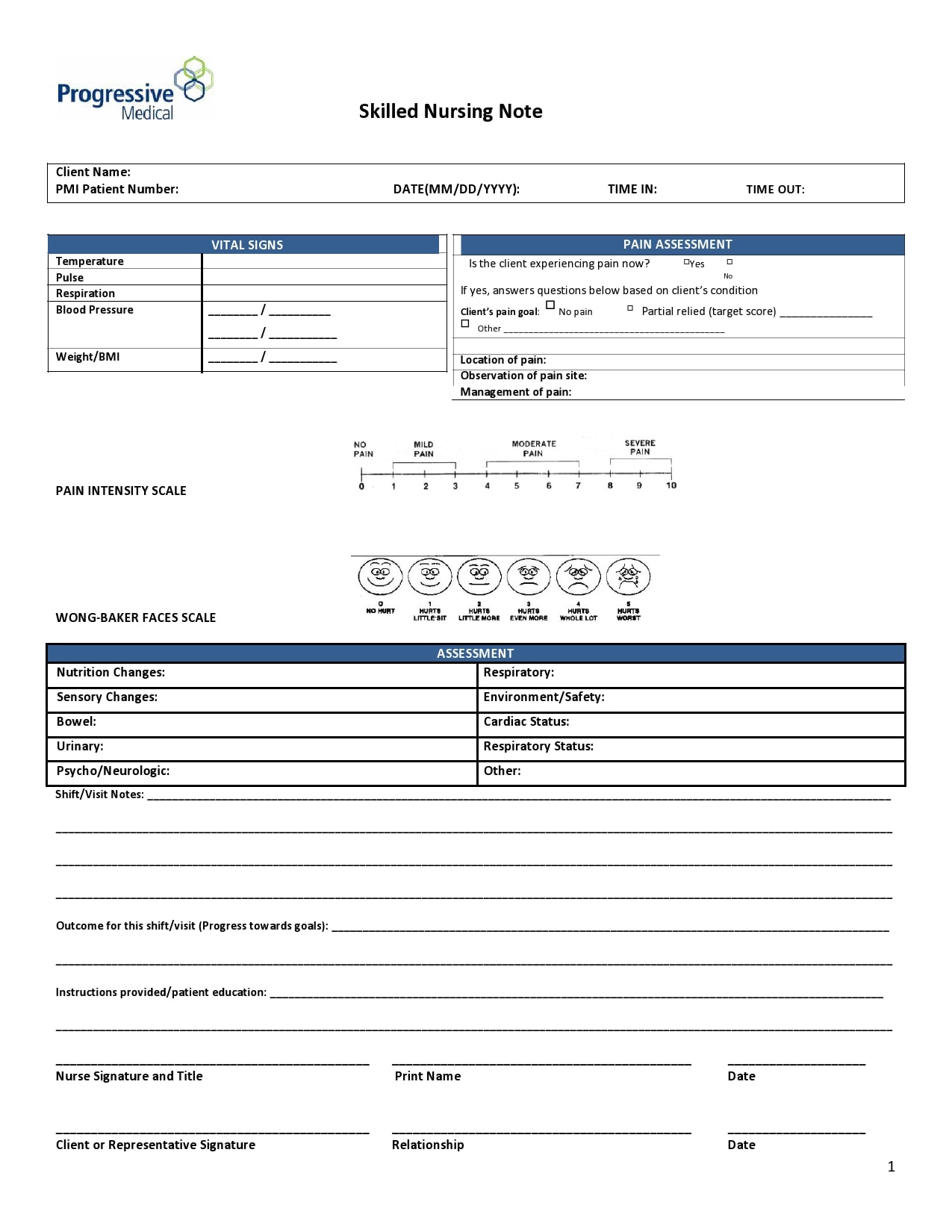
How to Write Effective Nursing Notes
Writing effective nursing notes requires attention to detail, clarity, and accuracy. Follow these tips to improve your nursing documentation skills:
- Be Objective: Stick to the facts and avoid personal opinions or interpretations.
- Use Standard Terminology: Use clear and concise language that is easily understood by other healthcare providers.
- Be Timely: Document care as soon as possible after providing it to ensure accuracy and completeness.
- Be Thorough: Include all relevant information, even if it seems minor, to provide a complete picture of the patient’s care.
- Be Organized: Use a consistent format and structure for your notes to make them easy to read and follow.
- Proofread: Review your notes for errors or omissions before finalizing them to ensure accuracy.
Tips for Successful Nursing Documentation
In addition to the above tips, consider the following strategies for successful nursing documentation:
- Collaborate with Team Members: Communicate with other healthcare providers to ensure that everyone is informed and on the same page.
- Use Technology Wisely: Take advantage of electronic health records and other digital tools to streamline documentation and improve accuracy.
- Seek Feedback: Ask for input from experienced nurses or nurse educators to improve your documentation skills.
- Stay Current: Stay up-to-date on best practices and guidelines for nursing documentation to ensure compliance and quality.
- Practice Regularly: The more you document, the more comfortable and proficient you will become in writing nursing notes.
Conclusion
Nursing notes are a critical component of patient care, providing a detailed record of the care provided and the patient’s response to treatment. By following the tips and guidelines outlined in this guide, nurses can improve their documentation skills and ensure that they are providing accurate and thorough notes. Effective nursing documentation is essential for promoting patient safety, quality of care, and communication among healthcare providers. By mastering the art of nursing notes, nurses can enhance their practice and contribute to better patient outcomes.
