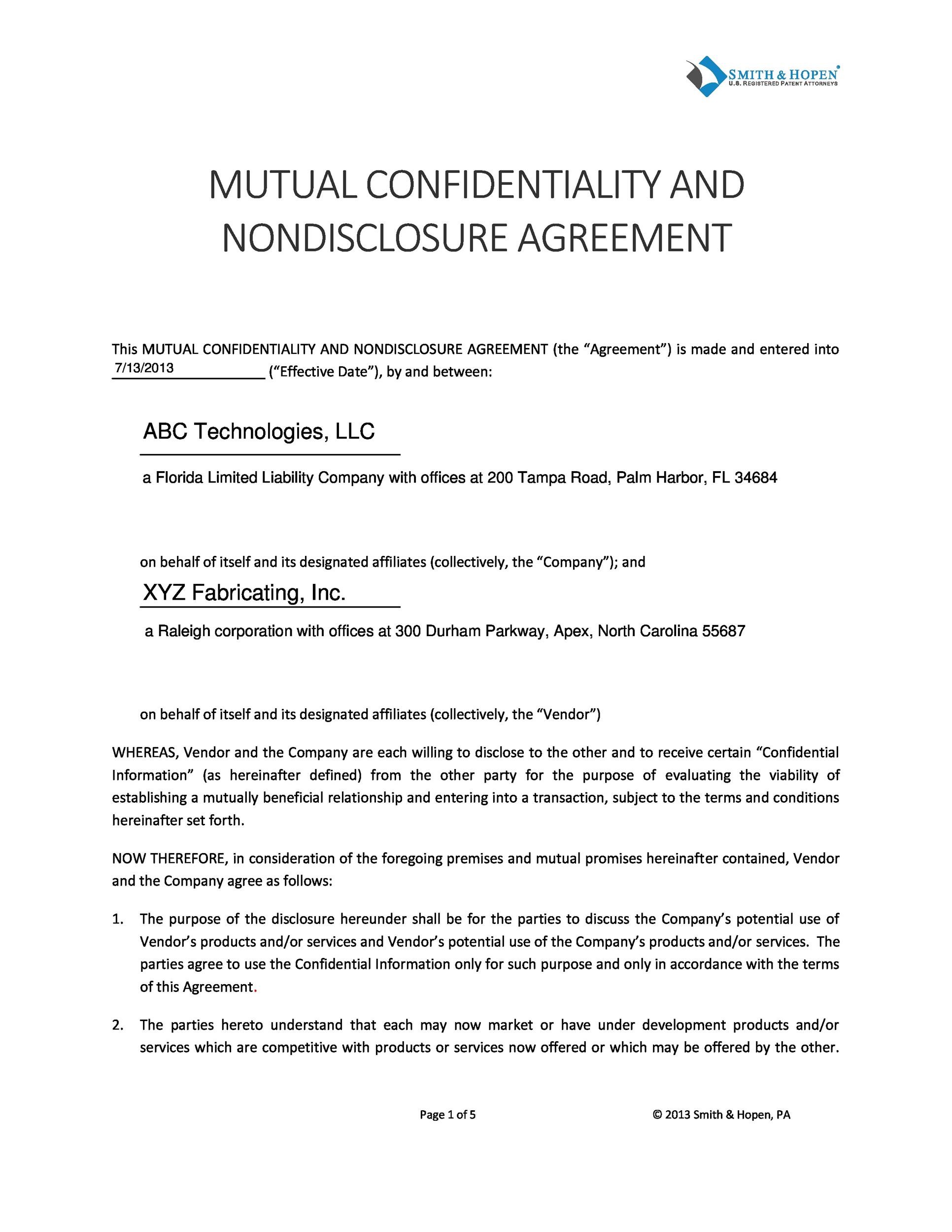
In the world of business, protecting sensitive information is crucial. This is where non-disclosure agreements (NDAs) come into play. An NDA is a legal contract that outlines confidential material, knowledge, or information that the parties wish to share with one another for certain purposes, but wish to restrict access to or by third parties. Whether you are a business owner, an employee, or a freelancer, understanding the ins and outs of NDAs is essential for safeguarding your intellectual property.
What is a Non-Disclosure Agreement?
A non-disclosure agreement, also known as a confidentiality agreement, is a legally binding contract between two or more parties that outlines confidential material, knowledge, or information that the parties wish to share with one another for certain purposes, but wish to restrict access to or by third parties. In essence, an NDA serves as a tool to protect sensitive information from being disclosed to unauthorized individuals or entities.
Non-disclosure agreements are commonly used in various business situations, such as:
- Employment contracts: Employers may require employees to sign NDAs to protect proprietary information.
- Business partnerships: Companies entering into partnerships may use NDAs to safeguard trade secrets.
- Freelance agreements: Freelancers often sign NDAs to ensure the confidentiality of their work for clients.
Why are Non-Disclosure Agreements Important?
Non-disclosure agreements play a crucial role in protecting sensitive information and intellectual property. By establishing clear guidelines on how confidential information should be handled, NDAs help prevent the unauthorized disclosure of trade secrets, customer lists, financial data, and other proprietary information. Without an NDA in place, businesses risk losing their competitive edge and facing potential legal disputes.
Some key benefits of using non-disclosure agreements include:
- Protecting intellectual property: NDAs help safeguard valuable assets, such as patents, trademarks, and copyrights.
- Building trust: By setting clear expectations for confidentiality, NDAs foster trust between parties.
- Preventing disputes: Having an NDA in place can help resolve conflicts related to the misuse or disclosure of confidential information.
What to Include in a Non-Disclosure Agreement
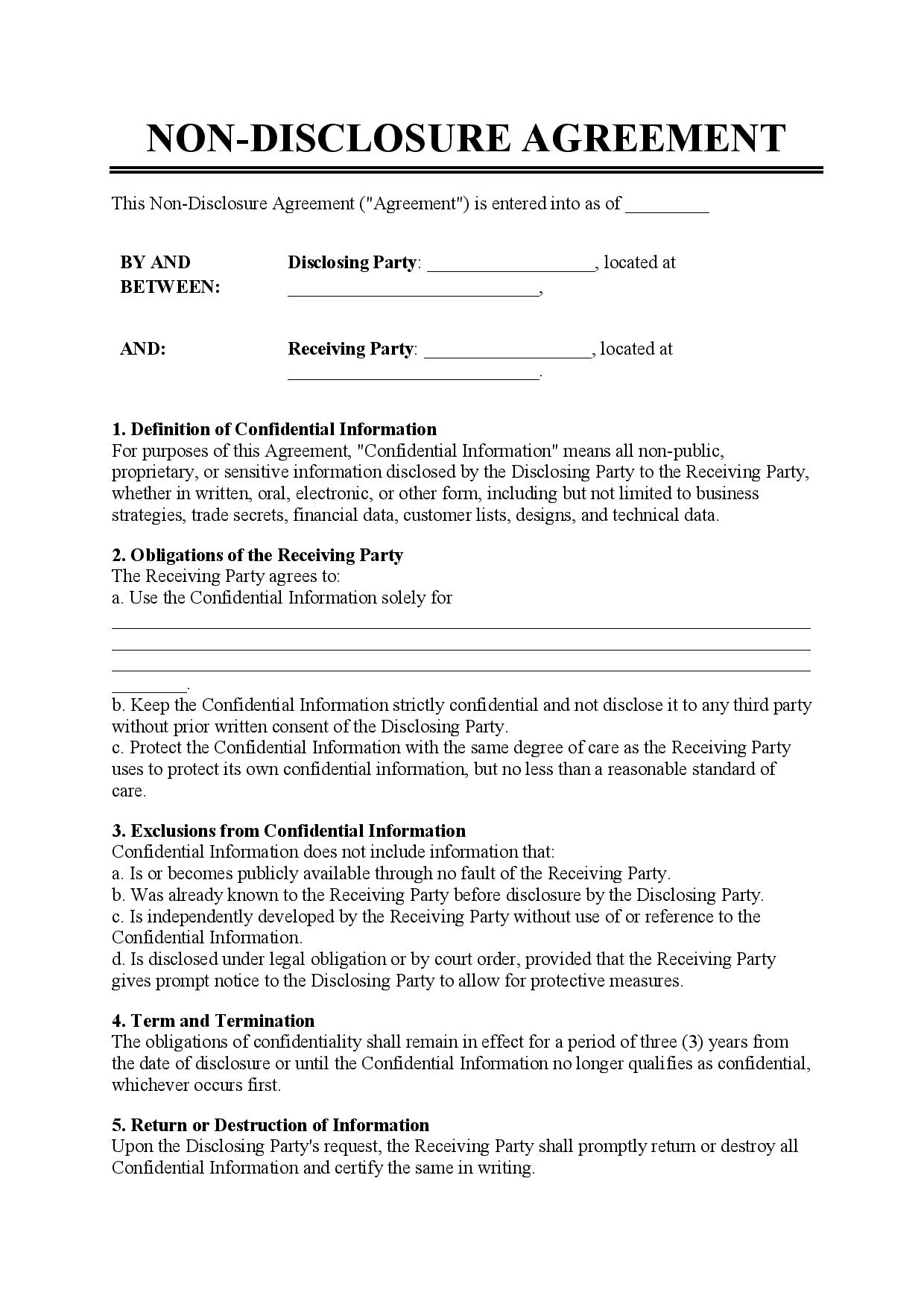
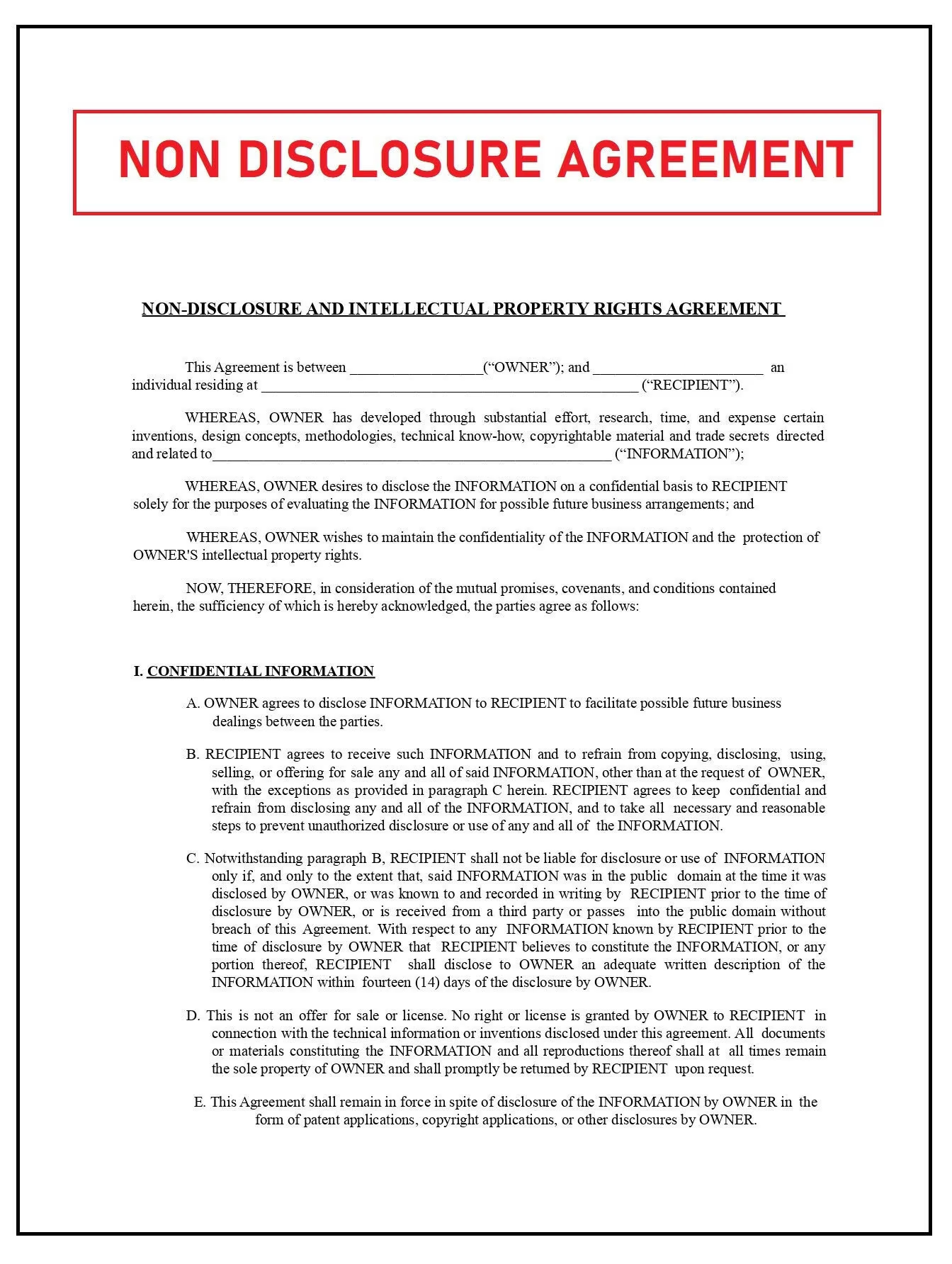
When drafting a non-disclosure agreement, it’s important to include specific provisions that address the unique needs of the parties involved. Some key elements to consider including in an NDA are:
- Definition of confidential information: Clearly define what constitutes confidential information under the agreement.
- Scope of confidentiality: Specify the purposes for which the confidential information can be used and the restrictions on disclosure.
- Duration of the agreement: Define the period during which the confidentiality obligations will apply.
- Exceptions to confidentiality: Identify any circumstances under which the confidentiality obligations may be waived.
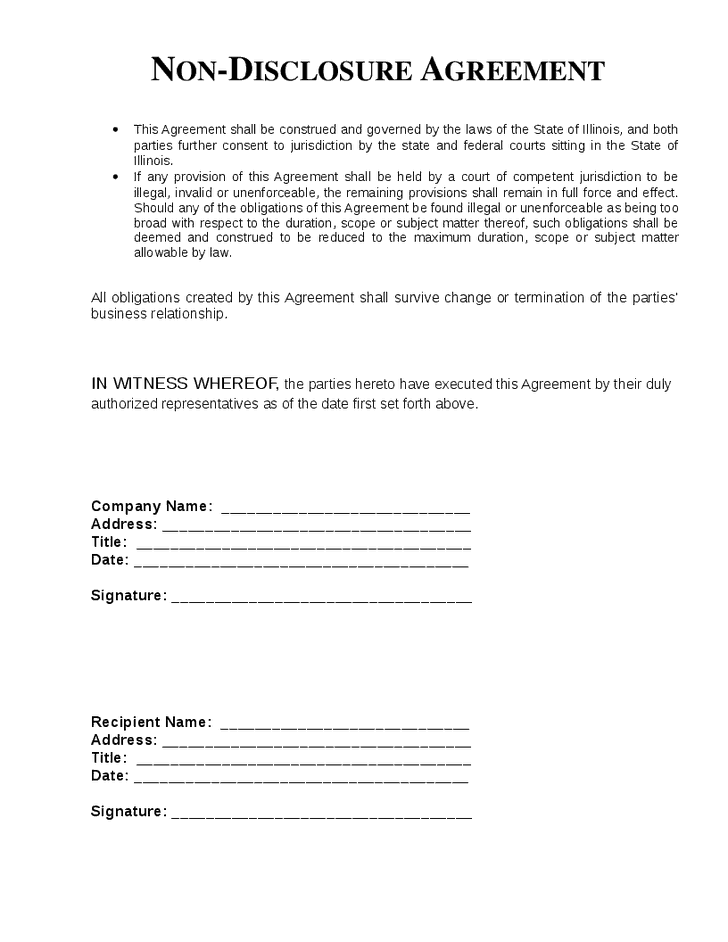
How to Draft a Non-Disclosure Agreement
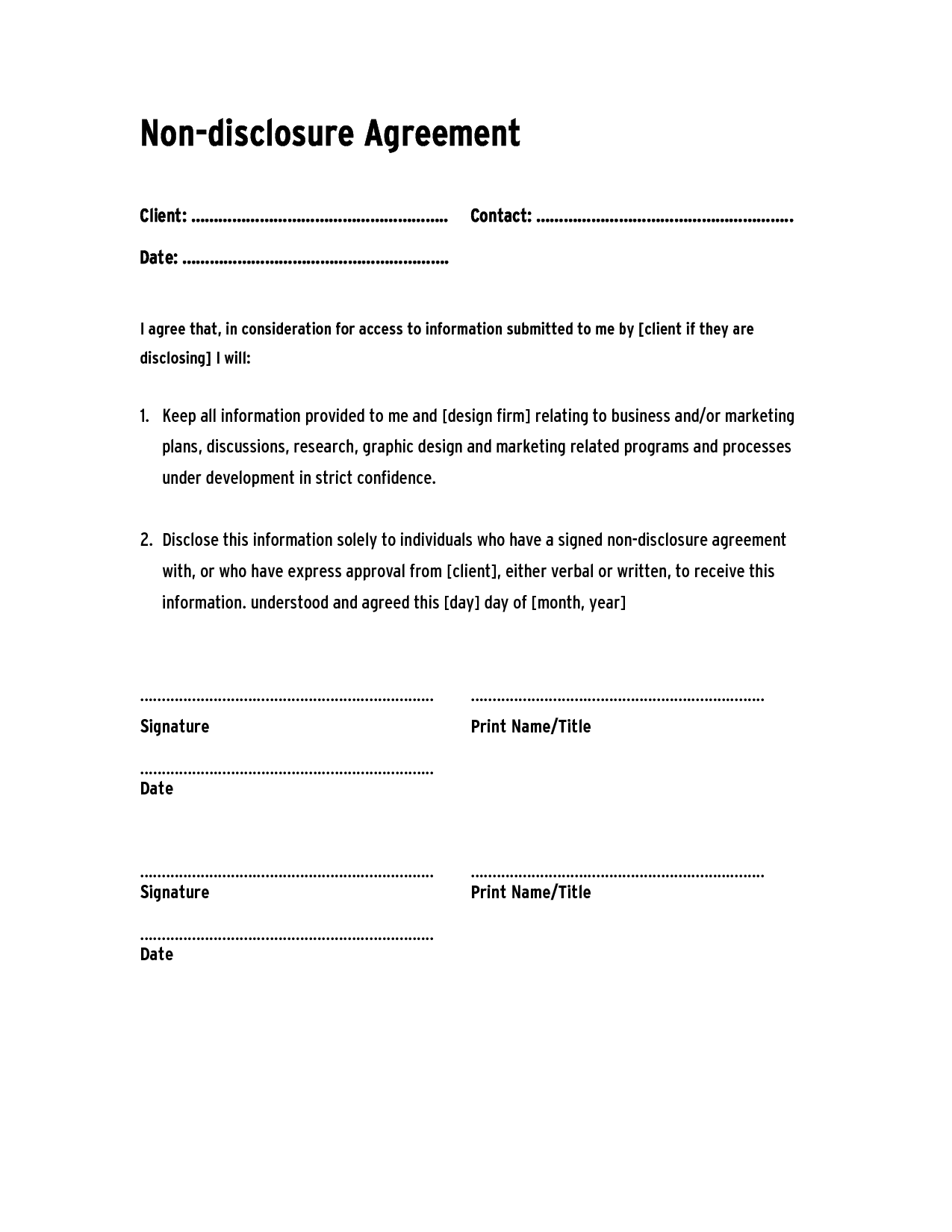
Drafting a non-disclosure agreement can be a complex process, but following a few key steps can help ensure that the agreement is comprehensive and enforceable. When creating an NDA, consider the following tips:
- Consult with legal counsel: Seek advice from a qualified attorney to ensure that the NDA complies with relevant laws and regulations.
- Be specific: Clearly define the confidential information and the parties’ obligations to maintain confidentiality.
- Use clear language: Avoid using jargon or complex terminology that may be difficult to understand.
- Include remedies for breach: Outline the consequences of violating the NDA, such as monetary damages or injunctive relief.
Tips for Successful Non-Disclosure Agreements
Creating an effective non-disclosure agreement requires careful consideration of the parties’ rights and obligations. To ensure the success of an NDA, keep the following tips in mind:
- Customize the agreement: Tailor the NDA to the specific needs and circumstances of the parties involved.
- Review and update regularly: Periodically review and update the NDA to reflect changes in the business environment or legal requirements.
- Train employees: Educate employees on the importance of confidentiality and the proper handling of sensitive information.
- Seek mutual agreement: Ensure that all parties fully understand and agree to the terms of the NDA before signing.
Non-disclosure agreements are a valuable tool for protecting confidential information in various business scenarios. By understanding the key components of an NDA and following best practices for drafting and implementing these agreements, businesses can safeguard their intellectual property and maintain trust with partners, employees, and clients.
Non-Disclosure Agreement Template
