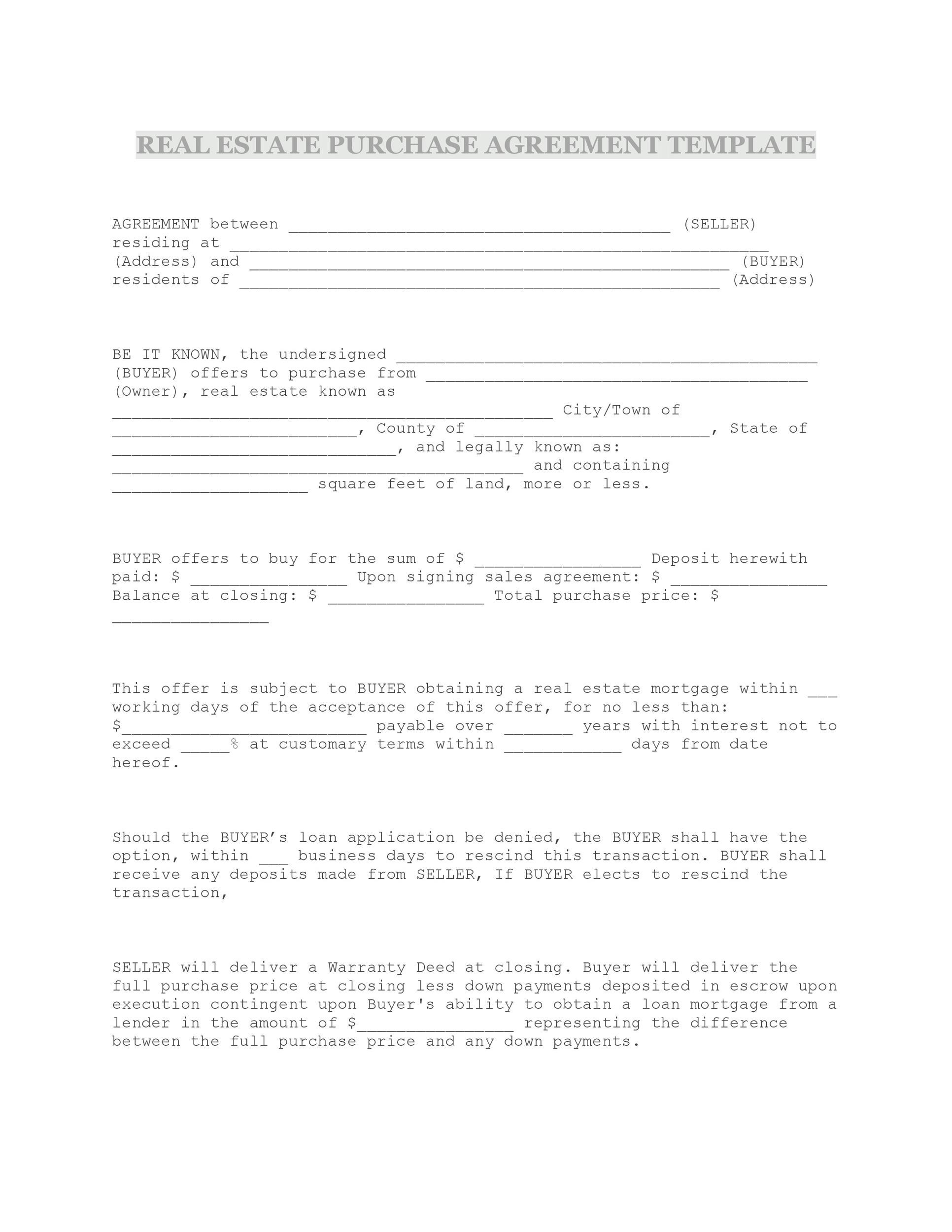
When it comes to buying land, a land purchase agreement plays a crucial role in ensuring a smooth and legally binding transaction. Whether you are a first-time buyer or a seasoned investor, having a solid understanding of this document is essential. In this guide, we will delve into the intricacies of a land purchase agreement, covering everything from what it is to how to navigate the process successfully.
What is a Land Purchase Agreement?
A land purchase agreement, also known as a land contract or purchase agreement, is a legal document that outlines the terms and conditions of a land sale between a buyer and a seller. This agreement serves as a contract between the two parties, detailing important information such as the purchase price, payment terms, property description, and any contingencies that must be met before the sale is finalized.
Typically, a land purchase agreement is used when the buyer is unable to secure traditional financing or when the seller is willing to finance the purchase themselves. This arrangement allows for more flexibility in the terms of the sale and can be beneficial for both parties involved.
Why is a Land Purchase Agreement Important?
A land purchase agreement is important for several reasons. Firstly, it provides clarity and protection for both the buyer and the seller by clearly outlining the terms of the sale. This helps to avoid misunderstandings and disputes down the line.
Additionally, a land purchase agreement is a legally binding document that can be enforced in court if necessary. This means that if either party fails to uphold their end of the agreement, the other party has legal recourse to seek damages or enforce the sale.
Overall, having a well-drafted land purchase agreement in place can help to streamline the buying process and provide peace of mind for both parties involved.
What to Include in a Land Purchase Agreement
When drafting a land purchase agreement, there are several key elements that should be included to ensure that all aspects of the sale are covered. Some of the most important details to include in the agreement are:
- Property Description: A detailed description of the land being sold, including boundaries, acreage, and any improvements.
- Purchase Price: The agreed-upon purchase price for the land, as well as any deposit or earnest money required.
- Payment Terms: The schedule for making payments, including the down payment, interest rate, and final payment date.
- Contingencies: Any conditions that must be met before the sale can be finalized, such as obtaining financing or completing a land survey.
- Closing Date: The date when the sale will be finalized, and ownership of the land will transfer to the buyer.
By including these essential elements in the land purchase agreement, both parties can ensure that their rights and obligations are clearly defined and that the sale proceeds smoothly.
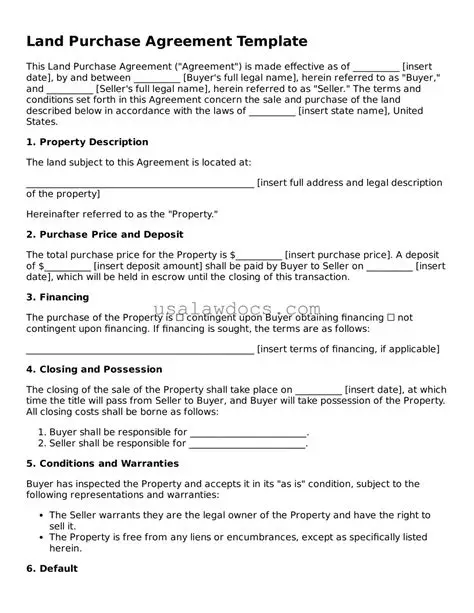
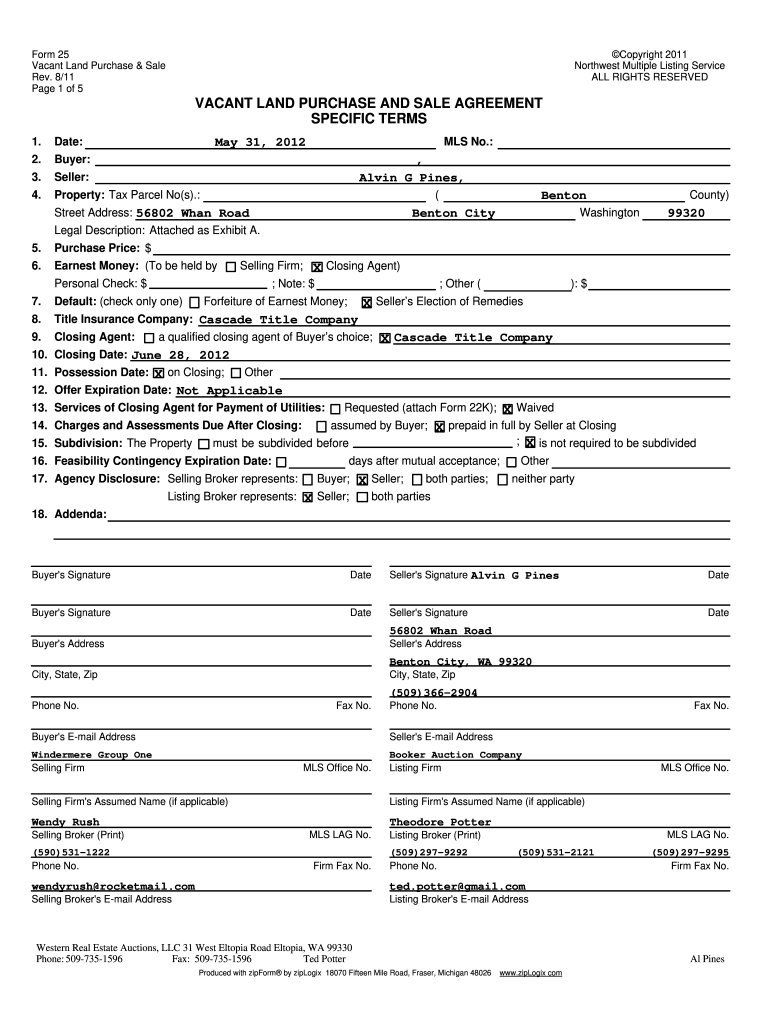
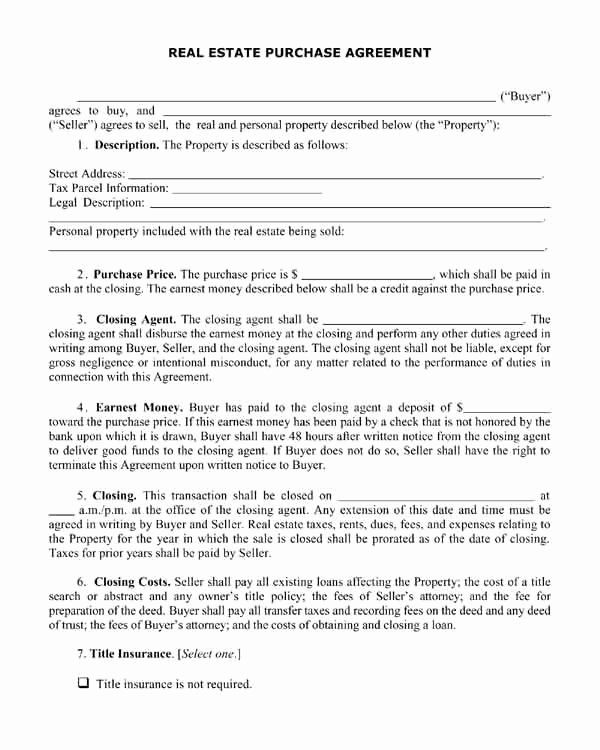
Examples

How to Navigate a Land Purchase Agreement
Navigating a land purchase agreement can be a complex process, especially for those who are unfamiliar with legal documents. To ensure that you understand the terms of the agreement and protect your interests, consider the following steps:
- Seek Legal Advice: Before signing any agreement, it is advisable to consult with a real estate attorney who can review the document and explain any legal jargon or implications.
- Ask Questions: Don’t hesitate to ask the seller or your attorney any questions you may have about the agreement. It’s important to clarify any uncertainties before signing.
- Review Thoroughly: Take the time to carefully review the agreement in its entirety, paying close attention to the terms, conditions, and obligations outlined.
By following these steps and seeking professional guidance, you can navigate a land purchase agreement with confidence and ensure that your interests are protected throughout the buying process.
Tips for Successful Land Purchase Agreements
When entering into a land purchase agreement, consider the following tips to help facilitate a successful transaction:
- Communicate Openly: Maintain open communication with the seller throughout the process to address any concerns or issues promptly.
- Get Everything in Writing: Ensure that all agreements, changes, or amendments to the original contract are documented in writing to avoid misunderstandings.
- Conduct Due Diligence: Before finalizing the sale, conduct thorough research on the property, including land surveys, title searches, and zoning regulations.
By following these tips and being proactive in your approach, you can increase the likelihood of a successful land purchase agreement and a smooth real estate transaction.
Land Purchase Agreement Template
