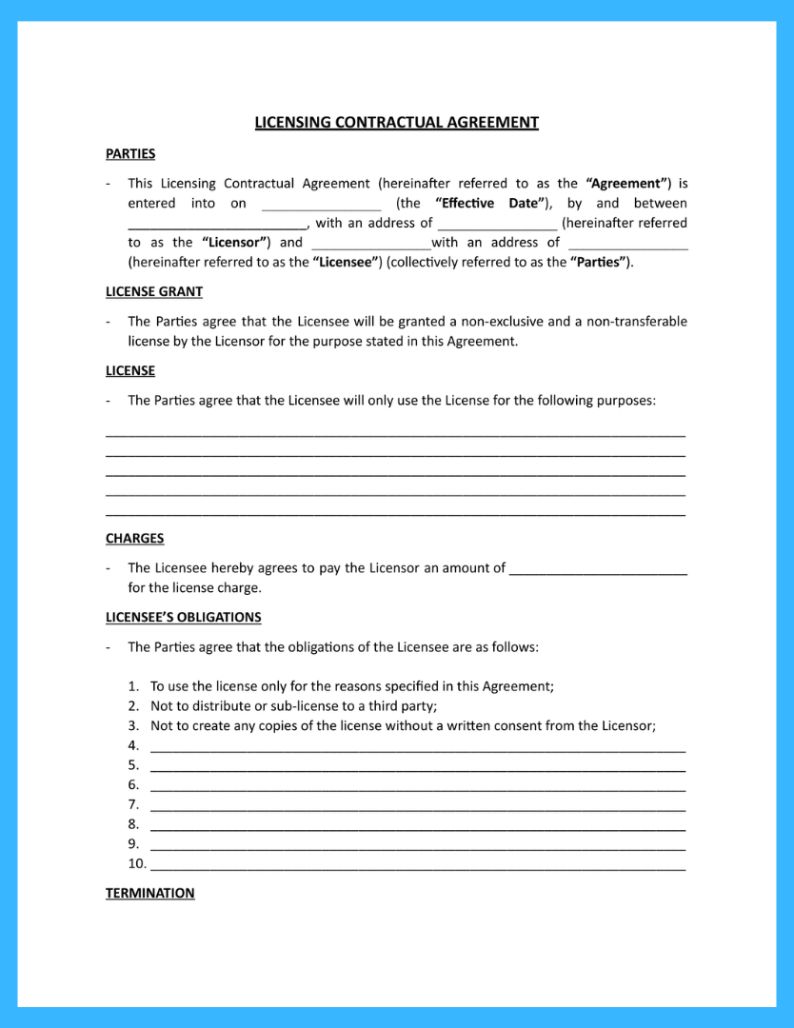
Have you ever wondered what a licensing agreement entails? In the vast world of business, licensing agreements play a crucial role in allowing companies to expand their reach and leverage their intellectual property. Whether you are a business owner looking to license your brand or a budding entrepreneur seeking to use someone else’s trademark, understanding the ins and outs of licensing agreements is essential. Let’s delve into the world of licensing agreements and uncover what they are all about.
What is a Licensing Agreement?
A licensing agreement is a legal contract between two parties that grants one party the rights to use the intellectual property of the other party in exchange for compensation. Intellectual property can include trademarks, patents, copyrights, or trade secrets. The party granting the rights is known as the licensor, while the party receiving the rights is called the licensee. This agreement outlines the terms and conditions under which the intellectual property can be used, including the duration of the agreement, the territories where it can be used, and the specific rights granted.
Types of Licensing Agreements
There are several types of licensing agreements, each serving a different purpose:
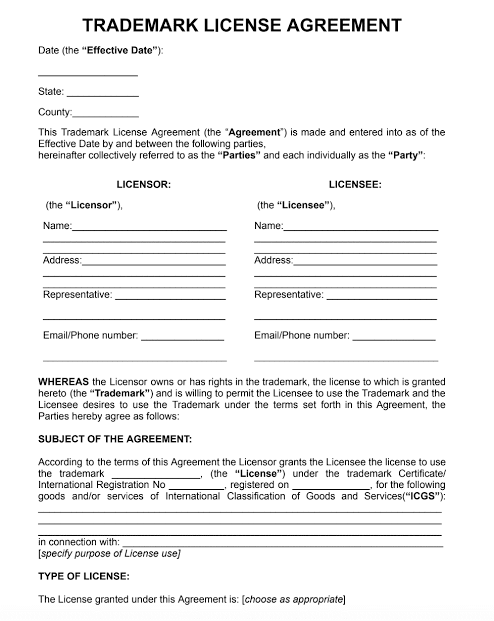
- Trademark License Agreement: Allows a licensee to use a licensor’s trademark for a specific purpose.
- Patent License Agreement: Grants a licensee the right to use a licensor’s patented technology.
- Copyright License Agreement: Permits a licensee to use a licensor’s copyrighted material.
- Exclusive License Agreement: Grants exclusive rights to a licensee, prohibiting the licensor from granting the same rights to others.
- Non-Exclusive License Agreement: Allows multiple licensees to use the same intellectual property.
Why Consider a Licensing Agreement?
Licensing agreements offer numerous benefits to both parties involved:
- Generate Revenue: Licensors can earn royalties from licensees using their intellectual property.
- Expand Market Reach: Licensees can access new markets by leveraging established brands or technologies.
- Reduce Risk: Licensees can mitigate the risk of developing new products or entering unfamiliar markets by licensing existing intellectual property.
- Enhance Brand Value: Licensors can strengthen their brand by associating it with reputable licensees.
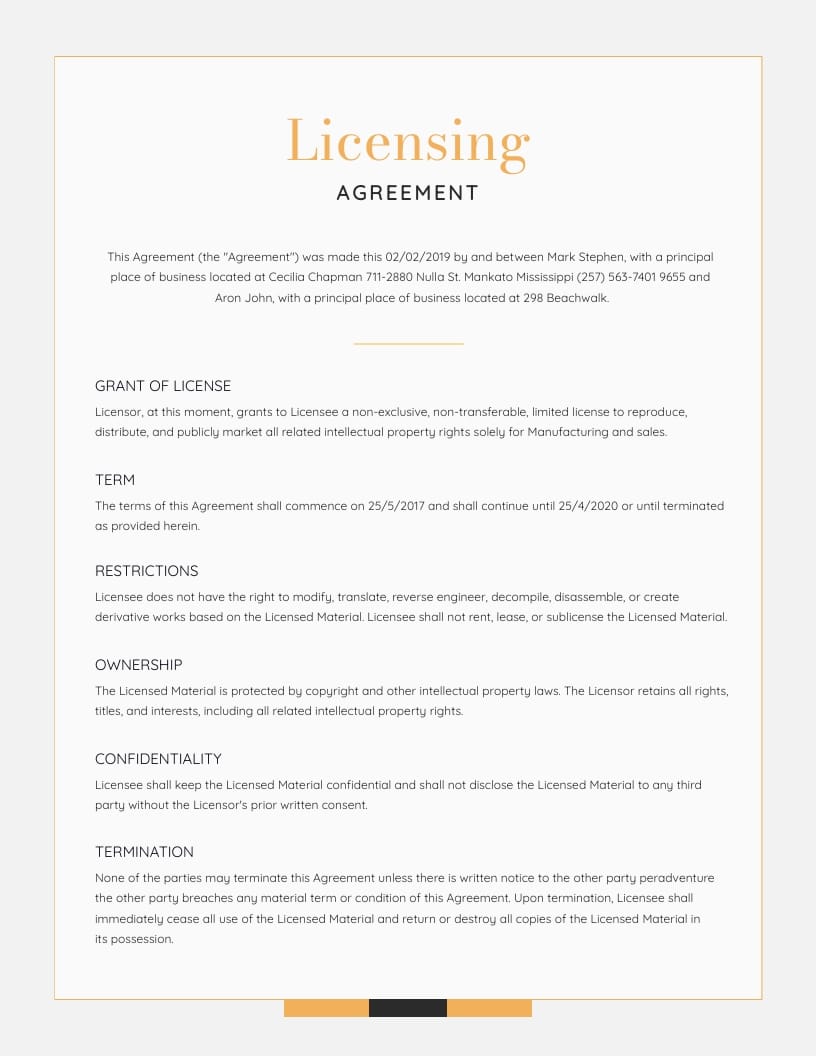
What to Include in a Licensing Agreement?
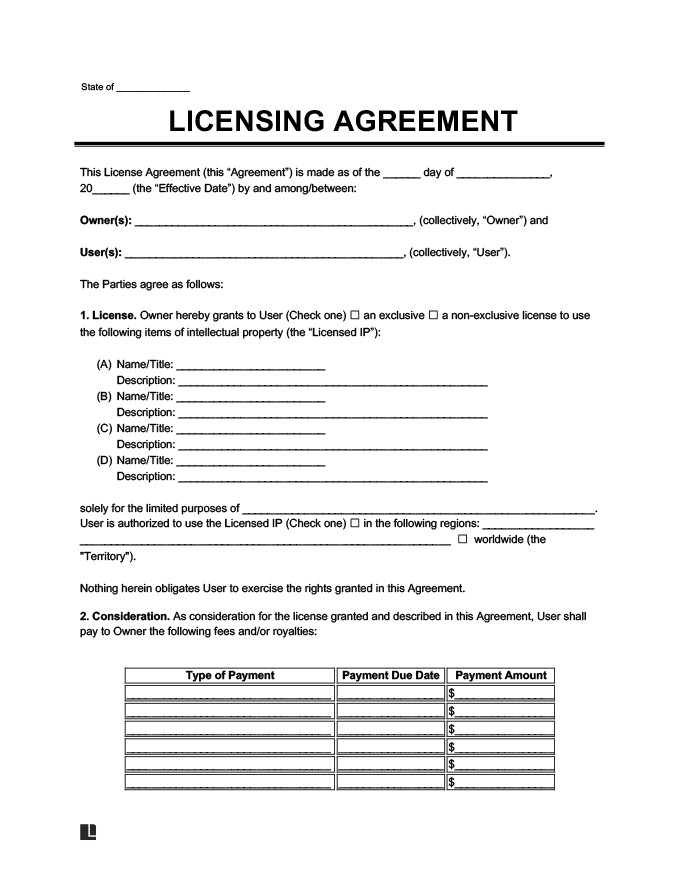
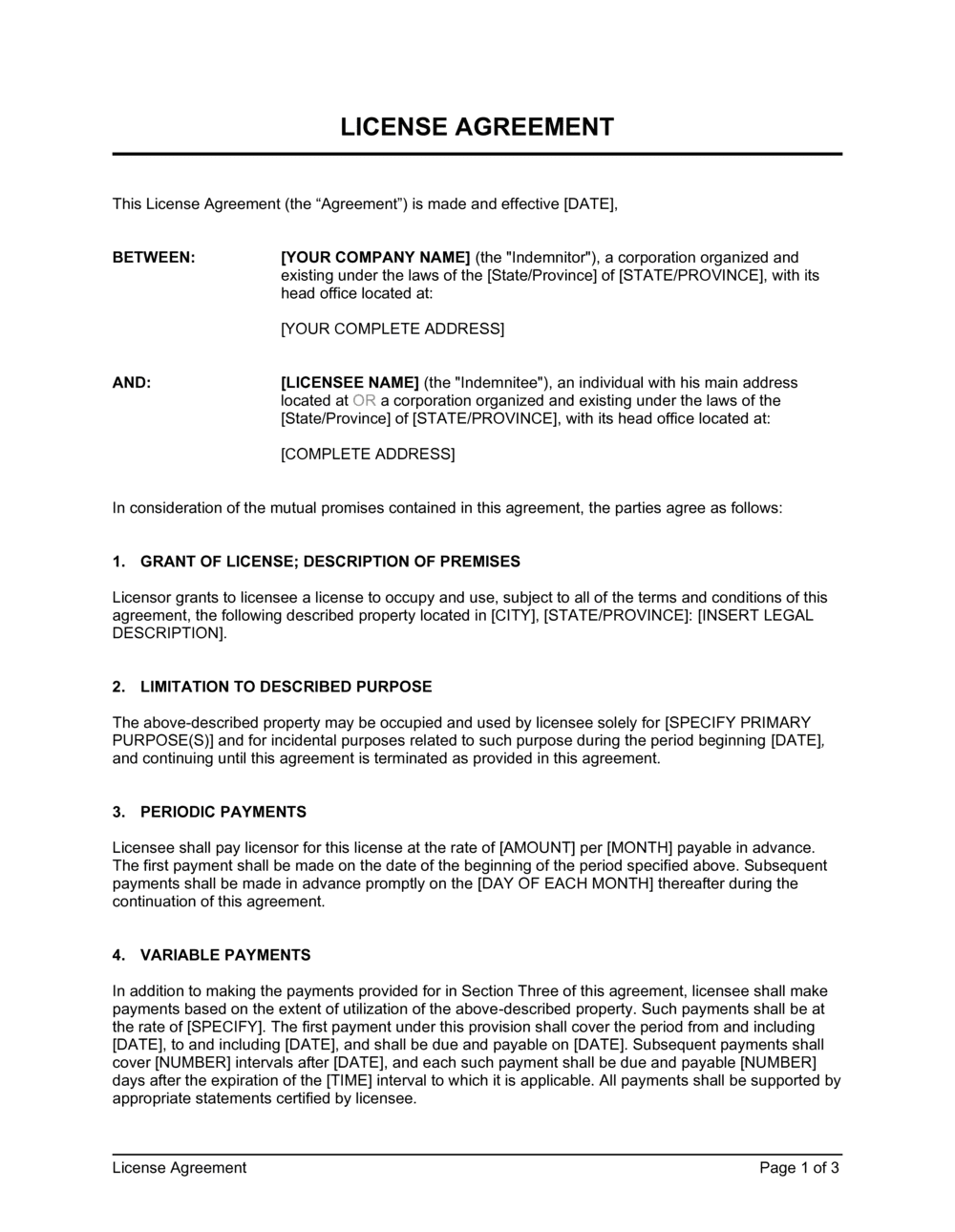
When drafting a licensing agreement, it is essential to include the following key provisions:
- Parties Involved: Clearly identify the licensor and licensee.
- Scope of License: Define the specific rights granted, including the duration and territories where the intellectual property can be used.
- Financial Terms: Outline the compensation structure, including royalties, upfront fees, and payment schedules.
- Intellectual Property Rights: Specify the ownership of the intellectual property and any restrictions on its use.
- Termination Clause: Include provisions for terminating the agreement, including breach of contract or expiration of the term.
How to Negotiate a Licensing Agreement?
Negotiating a licensing agreement can be a complex process, but following these tips can help ensure a successful outcome:
- Do Your Research: Understand the value of your intellectual property and the market conditions before entering negotiations.
- Seek Legal Advice: Consult with an experienced attorney to review the agreement and ensure your interests are protected.
- Clarify Expectations: Clearly communicate your expectations and objectives to the other party to avoid misunderstandings later on.
- Be Flexible: Be open to compromise and find mutually beneficial solutions to reach a fair agreement.
Tips for Successful Licensing Agreements
To maximize the benefits of a licensing agreement, consider the following tips:
- Establish Clear Communication: Maintain open and transparent communication with the other party throughout the agreement.
- Monitor Performance: Regularly review the licensee’s performance to ensure compliance with the terms of the agreement.
- Protect Your Intellectual Property: Implement measures to safeguard your intellectual property from misuse or infringement.
- Renew and Renegotiate: Evaluate the success of the agreement and consider renewing or renegotiating terms for continued collaboration.
In Conclusion
Understanding licensing agreements is essential for businesses looking to expand their reach and maximize the value of their intellectual property. By carefully crafting and negotiating licensing agreements, companies can unlock new opportunities for growth and innovation. Whether you are a licensor or licensee, knowing the intricacies of licensing agreements can set you on the path to success in the competitive business landscape.
