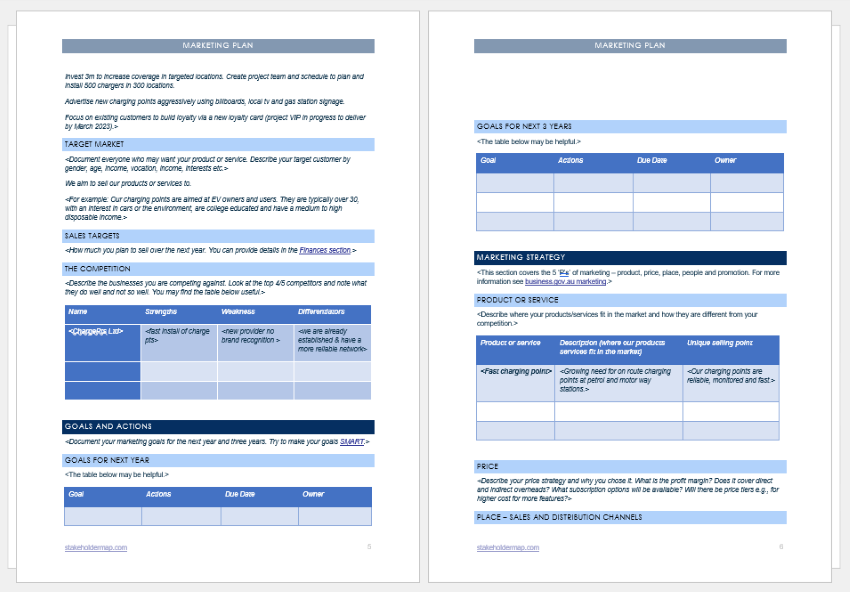
Marketing is essential for any business looking to attract and retain customers. A well-thought-out marketing plan can help you reach your target audience, increase brand awareness, and ultimately drive sales. In this guide, we will explore what a marketing plan is, why it is important, what to include in a marketing plan, how to create one, and provide tips for a successful marketing plan implementation.
What is a Marketing Plan?
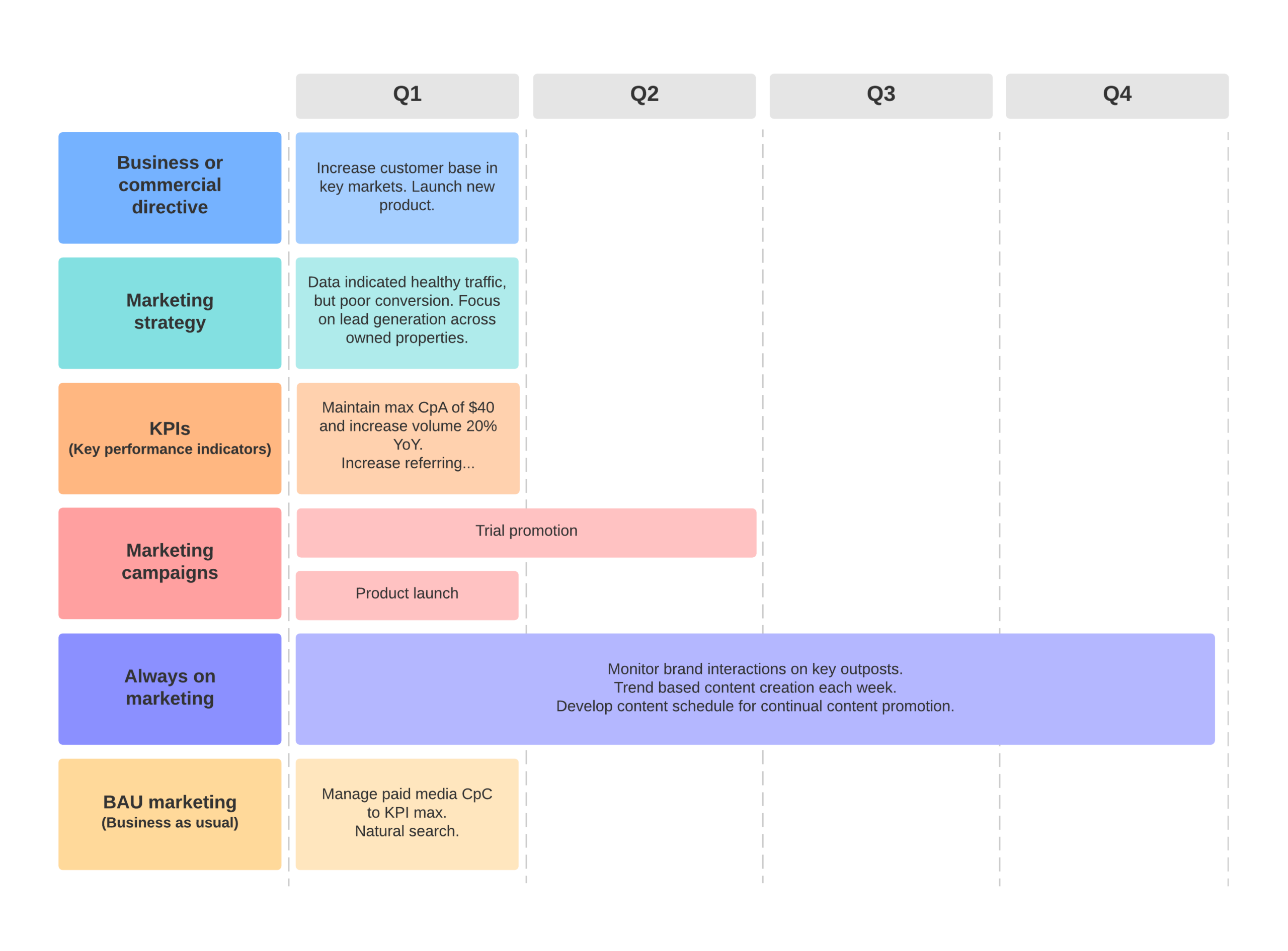
A marketing plan is a strategic roadmap that outlines your marketing goals and objectives, target audience, messaging, tactics, and budget for a specified period. It serves as a blueprint for your marketing efforts and helps you stay on track to achieve your business objectives.
1. Setting Clear Goals
One of the first steps in creating a marketing plan is setting clear, measurable goals. Whether your goal is to increase brand awareness, drive website traffic, generate leads, or boost sales, make sure your goals are specific, achievable, and aligned with your overall business objectives.
2. Defining Your Target Audience
Understanding your target audience is crucial for the success of your marketing plan. Identify who your ideal customers are, their demographics, interests, and pain points. Tailor your messaging and strategies to resonate with your target audience and drive engagement.
3. Conducting a SWOT Analysis
Conducting a SWOT analysis (Strengths, Weaknesses, Opportunities, Threats) can help you identify internal and external factors that may impact your marketing efforts. Leverage your strengths, address weaknesses, capitalize on opportunities, and mitigate threats to create a competitive advantage.
Why is a Marketing Plan Important?
A marketing plan is essential for businesses of all sizes as it provides a roadmap to guide your marketing efforts and ensure alignment with your business goals. It helps you allocate resources effectively, measure the success of your campaigns, and adapt to changes in the market landscape.
1. Alignment with Business Objectives
A well-crafted marketing plan ensures that your marketing efforts are aligned with your overall business objectives. By setting clear goals and strategies, you can focus on activities that drive results and contribute to the growth of your business.
2. Resource Allocation
With a marketing plan in place, you can allocate your resources (budget, time, and personnel) effectively. By prioritizing initiatives that align with your goals and target audience, you can maximize the impact of your marketing efforts and optimize your ROI.
3. Measurement and Adaptation
By establishing key performance indicators (KPIs) and metrics to track the success of your marketing campaigns, you can measure the effectiveness of your strategies and tactics. Use this data to make informed decisions, optimize your campaigns, and adapt to changes in the market environment.
What to Include in a Marketing Plan
When creating a marketing plan, consider including the following components to ensure a comprehensive and effective strategy:
- Executive Summary. Provide an overview of your marketing plan, including key objectives and strategies.
- Situation Analysis. Conduct a SWOT analysis and assess the market landscape, competition, and target audience.
- Target Audience. Define your ideal customers and segment them based on demographics, psychographics, and behavior.
- Goals and Objectives. Set specific, measurable, achievable, relevant, and time-bound (SMART) goals for your marketing efforts.
- Strategies and Tactics. Outline the strategies and tactics you will use to achieve your marketing goals, including channels, messaging, and creative assets.
- Budget and Resources. Allocate your budget and resources effectively to support your marketing initiatives and campaigns.
- Implementation Plan. Create a timeline with milestones and deadlines for the execution of your marketing activities.
- Measurement and Evaluation. Define KPIs and metrics to track the success of your campaigns and evaluate the performance of your marketing efforts.
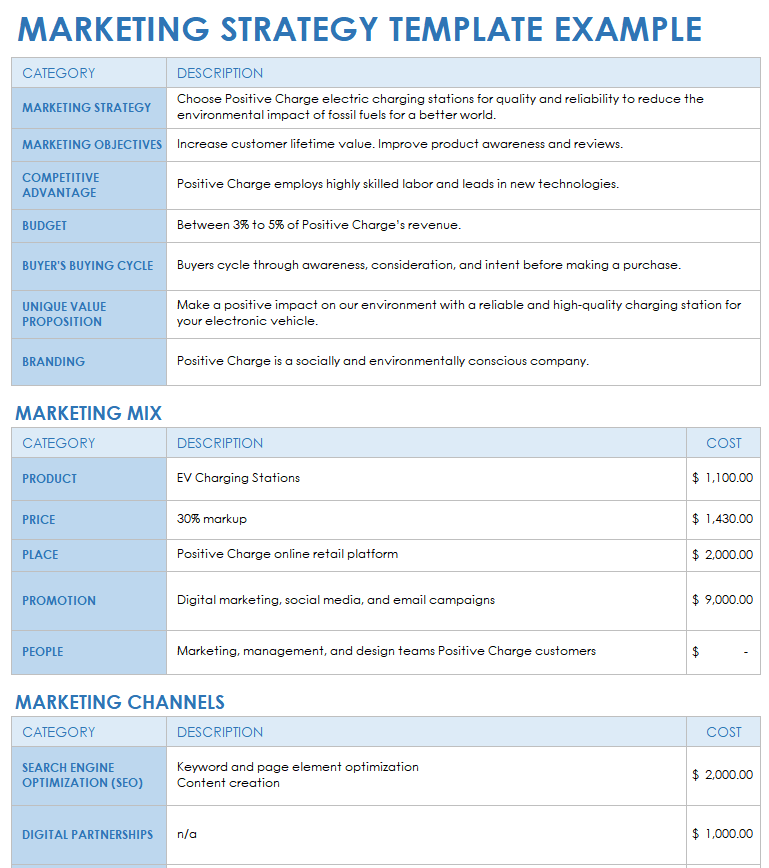
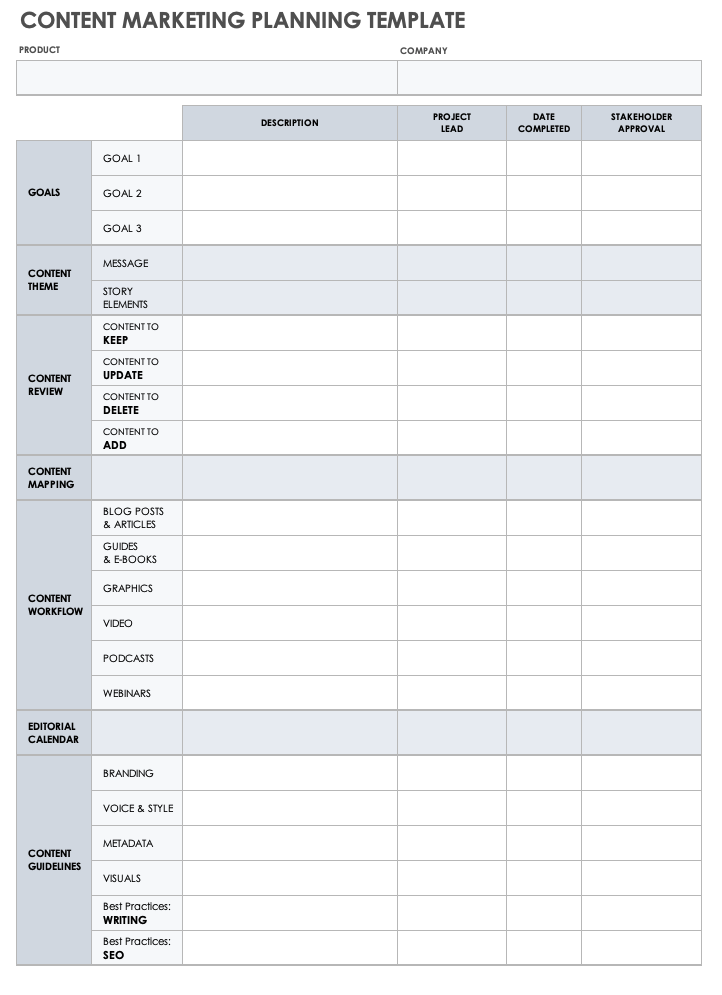
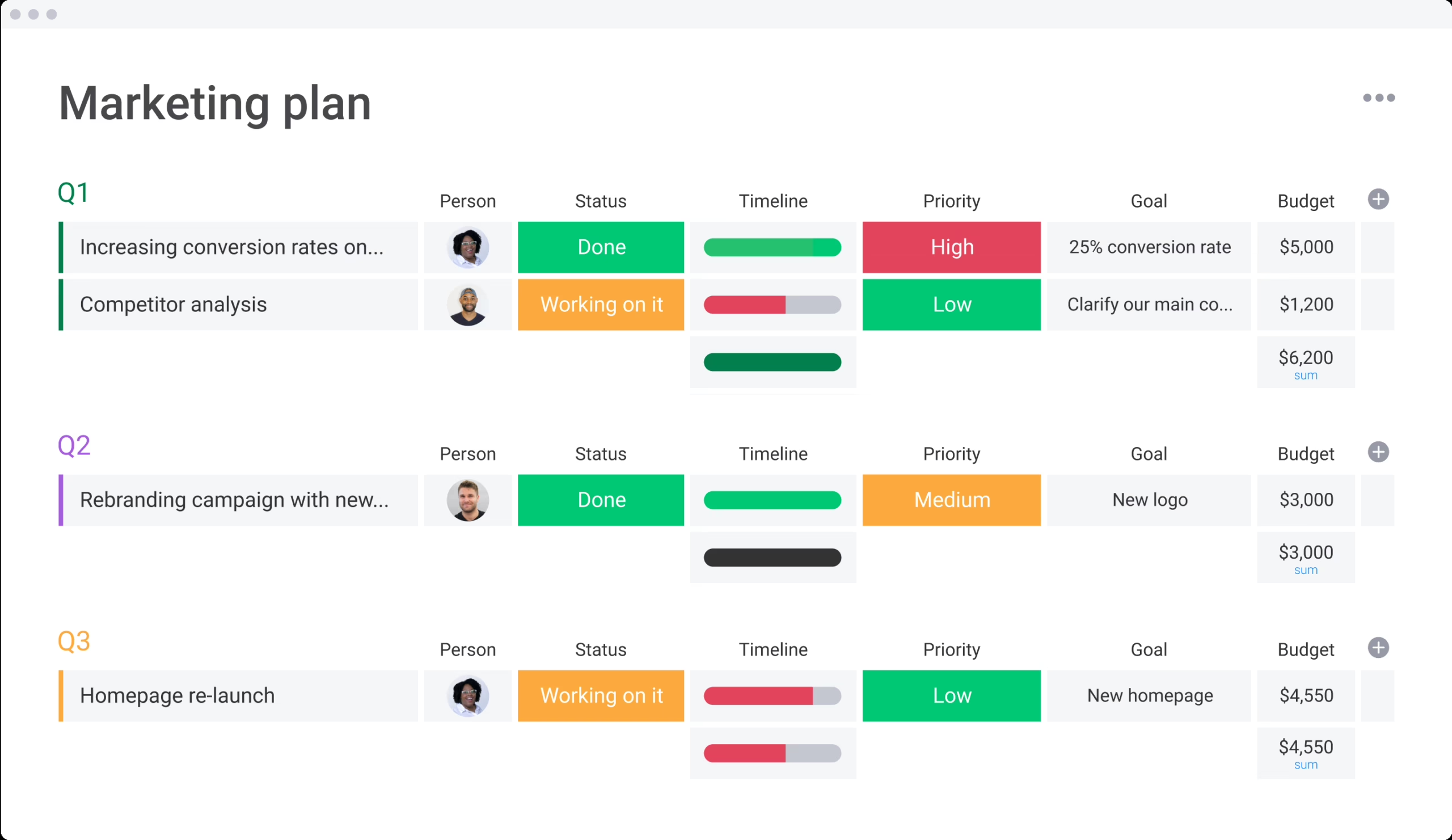
Examples
How to Create a Marketing Plan
Follow these steps to create a comprehensive marketing plan that aligns with your business goals and drives results:
1. Research and Analysis
Begin by conducting market research, analyzing your competition, and identifying your target audience. Use this data to inform your marketing strategies and tactics.
2. Set Clear Goals
Define specific, measurable goals for your marketing plan that are aligned with your business objectives. Ensure that your goals are achievable within the specified timeframe.
3. Develop Strategies and Tactics
Based on your research and analysis, develop strategies and tactics to reach your target audience, communicate your brand message, and drive engagement and conversions.
4. Allocate Resources
Determine the budget, personnel, and tools needed to execute your marketing plan effectively. Allocate resources based on your priorities and expected ROI.
5. Create an Implementation Plan
Develop a timeline with milestones and deadlines for the implementation of your marketing activities. Assign responsibilities and ensure accountability for each task.
6. Measure and Evaluate
Define KPIs and metrics to measure the success of your marketing campaigns. Monitor performance, analyze data, and make adjustments to optimize your strategies for better results.
7. Review and Revise
Regularly review and revise your marketing plan to adapt to changes in the market landscape, consumer behavior, and competitive dynamics. Stay agile and flexible in your approach to maximize the impact of your marketing efforts.
Tips for Successful Marketing Plan Implementation
Follow these tips to ensure the successful implementation of your marketing plan and achieve your business objectives:
- Stay Consistent. Maintain consistency in your messaging, branding, and customer experience across all marketing channels.
- Monitor Performance. Track the performance of your marketing campaigns regularly and make data-driven decisions to optimize your strategies.
- Stay Agile. Be flexible and responsive to changes in the market environment, consumer preferences, and competitive landscape.
- Collaborate Cross-Functionally. Involve stakeholders from different departments in the planning and execution of your marketing initiatives to ensure alignment and support.
- Seek Feedback. Solicit feedback from customers, employees, and partners to gain insights and improve the effectiveness of your marketing efforts.
- Continuous Learning. Stay updated on industry trends, best practices, and emerging technologies to innovate and stay ahead of the competition.
- Celebrate Successes. Acknowledge and celebrate milestones and achievements to motivate your team and foster a culture of success and collaboration.
In Conclusion
Creating a successful marketing plan requires careful planning, research, and execution. By setting clear goals, defining your target audience, developing strategies and tactics, and measuring performance, you can create a roadmap to guide your marketing efforts and drive business growth. Stay agile, monitor performance, and adapt to changes in the market landscape to ensure the success of your marketing plan.
