Creating and sticking to a family budget each month can be challenging. However, with careful planning and discipline, it is possible to achieve financial stability and peace of mind.
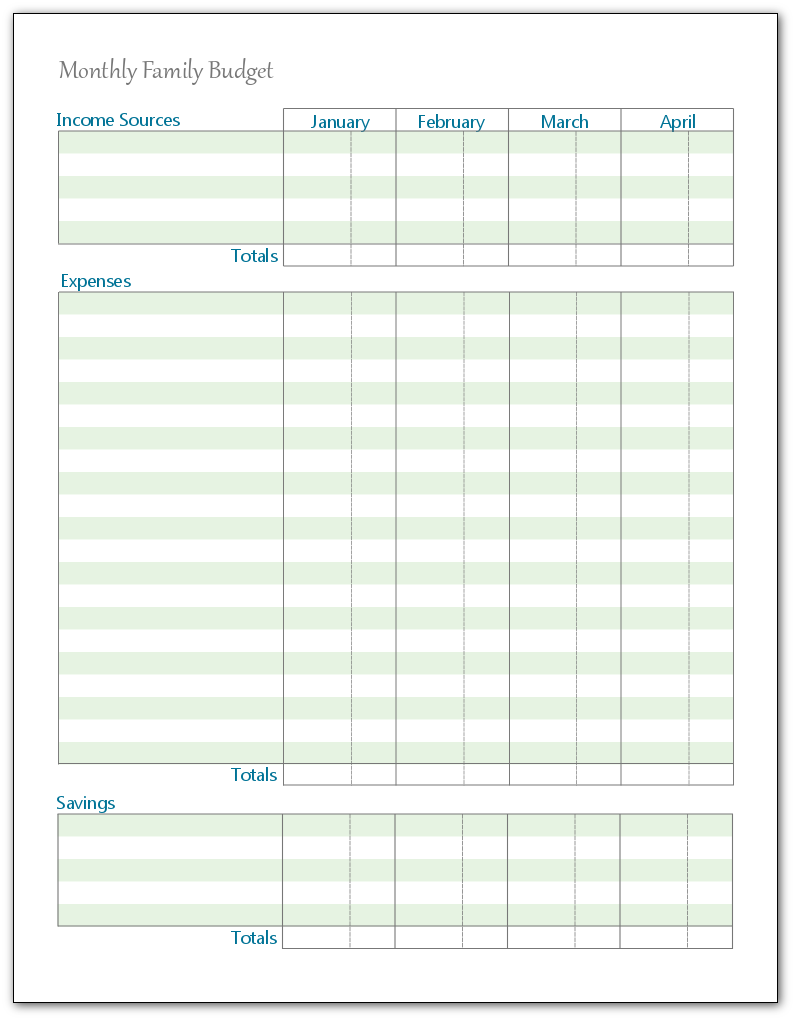
In this article, we will explore the importance of a monthly family budget, what to include in your budget, how to manage your finances effectively, and helpful tips to stay on track.
What is a Family Monthly Budget?
A family monthly budget is a financial plan that outlines all sources of income and expenses for a household over one month. It serves as a roadmap to guide spending decisions, savings goals, and debt repayment. By tracking income and expenses, families can gain a better understanding of their financial situation and make informed decisions to achieve their financial goals.
Why is a Family Monthly Budget Important?
Having a family monthly budget is crucial for several reasons. First and foremost, it helps families to live within their means and avoid overspending. By tracking expenses and income, families can identify areas where they can cut back on spending and save more money for the future. Additionally, a budget can help families to plan for unexpected expenses, such as medical emergencies or car repairs, and avoid accumulating debt.
What to Include in Your Family Monthly Budget
When creating a family monthly budget, it is important to include all sources of income and expenses. Some key items to include in your budget are:
- Income: Include all sources of income, such as salaries, bonuses, rental income, and child support.
- Fixed Expenses: Include recurring expenses that stay the same each month, such as mortgage or rent payments, utility bills, and insurance premiums.
- Variable Expenses: Include expenses that may vary each month, such as groceries, dining out, entertainment, and clothing.
- Savings Goals: Set aside a portion of your income for savings, emergency fund, retirement, and other long-term financial goals.
- Debt Payments: Include monthly payments for credit cards, loans, and other debts to track your progress in debt repayment.
How to Effectively Manage Your Family Monthly Budget
Once you have created your family monthly budget, it is essential to manage it effectively to achieve your financial goals. Here are some tips to help you stay on track:
- Track Your Spending: Keep a record of all your expenses to ensure that you are staying within your budget.
- Review Your Budget Regularly: Take time each month to review your budget and make adjustments as needed based on your income and expenses.
- Set Realistic Goals: Establish achievable savings goals and debt repayment targets to stay motivated and focused on your financial objectives.
- Use Cash Envelopes: Allocate cash for different spending categories in envelopes to prevent overspending and keep track of your expenses.
- Avoid Impulse Purchases: Think carefully before making any purchases and distinguish between needs and wants to avoid unnecessary expenses.
Tips for Staying on Track
Sticking to a family monthly budget requires dedication and discipline. Here are some additional tips to help you stay on track:
1. Build an Emergency Fund
Set aside money in an emergency fund to cover unexpected expenses and avoid dipping into your savings or using credit cards.
2. Automate Your Savings
Automate regular transfers to your savings account to ensure that you are consistently saving money each month.
3. Reduce Unnecessary Expenses
Identify areas where you can cut back on spending, such as dining out, subscription services, or impulse purchases, to free up more money for savings or debt repayment.
4. Communicate with Your Family
Involve your family in budgeting decisions and communicate openly about financial goals and priorities to ensure everyone is on the same page.
5. Seek Professional Help
If you are struggling to stick to your budget or manage your finances effectively, consider seeking advice from a financial planner or counselor to help you get back on track.
6. Celebrate Your Successes
Recognize and celebrate your achievements along the way, whether it’s reaching a savings milestone or paying off a debt, to stay motivated and encouraged on your financial journey.
7. Stay Flexible
Life is unpredictable, and unexpected expenses may arise. Be flexible with your budget and make necessary adjustments to accommodate changes in your financial situation.
In Conclusion
Creating and maintaining a family monthly budget is a valuable tool for achieving financial stability and reaching your financial goals. By tracking income and expenses, setting realistic goals, and following these tips, you can take control of your finances and build a secure financial future for your family.
Family Monthly Budget Template
