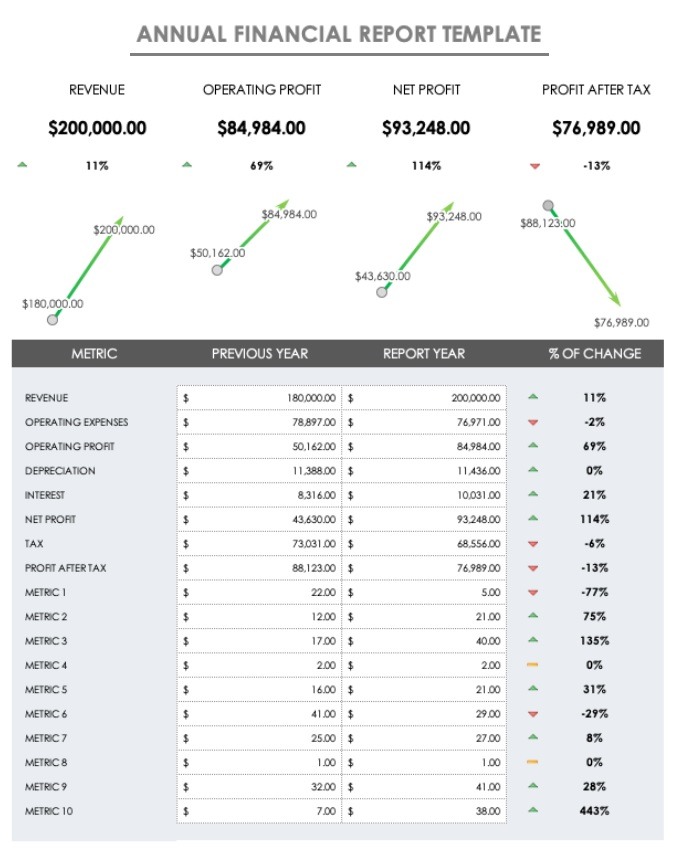
Financial reports are essential documents that provide insights into the financial health and performance of a business. These reports are crucial for decision-making, planning, and evaluating the success of a company. In this comprehensive guide, we will explore what financial reports are, why they are important, what to include in a financial report, how to create one, and some tips for making the most out of your financial reports.
What are Financial Reports?
Financial reports are formal records of the financial activities and position of a business or organization. These reports provide detailed information about the revenues, expenses, assets, liabilities, and overall financial performance of a company. Financial reports are typically prepared on a quarterly and annual basis and are used by internal and external stakeholders to assess the financial health of a business.
Financial reports are essential for various reasons, including:
Why are Financial Reports Important?
1. Decision-making: Financial reports provide crucial information that helps management make informed decisions about the direction of the business.
2. Transparency: Financial reports promote transparency and accountability by disclosing the financial information of a company to stakeholders.
3. Compliance: Companies are required by law to prepare and disclose financial reports to regulatory bodies and shareholders.
4. Investor Confidence: Investors rely on financial reports to assess the financial stability and performance of a company before making investment decisions.
What to Include in a Financial Report
A typical financial report includes the following key components:
1. Income Statement: Also known as the profit and loss statement, this section shows the revenues, expenses, and profitability of a company over a specific period.
2. Balance Sheet: This section provides a snapshot of the company’s financial position by showing its assets, liabilities, and equity at a specific point in time.
3. Cash Flow Statement: The cash flow statement shows the inflows and outflows of cash within a company, providing insights into its liquidity and solvency.
4. Notes to Financial Statements: This section includes additional information and explanations about the numbers presented in the financial statements.
5. Management Discussion and Analysis: A narrative section that explains the financial results and provides insights into the company’s performance.
How to Create a Financial Report
Creating a financial report requires careful preparation and attention to detail. Here are some steps to follow:
1. Gather Financial Data: Collect financial information such as income, expenses, assets, and liabilities from your accounting system.
2. Prepare Financial Statements: Use accounting software or spreadsheets to create the income statement, balance sheet, and cash flow statement.
3. Review and Analyze: Review the financial statements for accuracy and analyze the results to understand the financial performance of the company.
4. Include Supplementary Information: Add notes, management discussion, and analysis to provide context and explanations for the numbers presented in the financial statements.
5. Finalize and Distribute: Once the financial report is complete, finalize it and distribute it to stakeholders such as management, shareholders, and regulatory bodies.
Tips for Effective Financial Reporting
1. Be Transparent: Provide clear and concise information in your financial reports to promote transparency and build trust with stakeholders.
2. Use Comparisons: Compare current financial results with previous periods or industry benchmarks to provide context and insights.
3. Seek Professional Help: Consider hiring a financial expert or accountant to help you prepare and review your financial reports.
4. Stay Updated: Keep abreast of changes in accounting standards and regulations to ensure your financial reports are compliant and up to date.
5. Use Visuals: Incorporate charts, graphs, and tables in your financial reports to make the information more digestible and visually appealing.
6. Seek Feedback: Encourage feedback from stakeholders on your financial reports to identify areas for improvement and enhance the quality of future reports.
7. Continuous Improvement: Continuously evaluate and improve your financial reporting processes to ensure accuracy, relevance, and timeliness of information.
Conclusion
In conclusion, financial reports play a vital role in the success and sustainability of a business. By understanding what financial reports are, why they are important, what to include, how to create them, and following some tips for effective reporting, you can ensure that your financial reports provide valuable insights and support informed decision-making. Remember, financial reports are not just numbers on a page – they are powerful tools that can help drive your business forward.
