In today’s competitive business landscape, it’s crucial for companies to allocate their resources effectively, especially when it comes to marketing. The marketing budget is a key component of any successful business strategy, as it determines how much you can invest in promoting your products or services to your target audience. However, creating a marketing budget can be a daunting task, as there are many factors to consider and decisions to make. In this article, we will explore the ins and outs of creating a marketing budget that maximizes your ROI and helps your business grow.
What is a Marketing Budget?
A marketing budget is a financial plan that outlines how much money a company intends to spend on marketing activities over a specific period, typically a year. This budget includes all expenses related to promoting products or services, such as advertising, public relations, events, and digital marketing. The goal of a marketing budget is to allocate resources in a way that maximizes the impact of marketing efforts and drives business growth.
Creating a marketing budget can be a complex process, as it requires careful consideration of various factors, such as business goals, target audience, competition, and industry trends. By establishing a well-defined marketing budget, companies can ensure that their marketing efforts are aligned with their overall business objectives and that they are getting the most out of their marketing investments.
Why is a Marketing Budget Important?
A marketing budget is essential for businesses of all sizes, as it helps them plan and execute effective marketing campaigns that reach their target audience and drive sales. Without a clear budget in place, companies risk overspending on ineffective marketing tactics or missing out on opportunities to reach potential customers. Additionally, a marketing budget provides a roadmap for measuring the success of marketing efforts and adjusting strategies as needed to achieve better results.
By setting a marketing budget, companies can allocate resources strategically, focusing on initiatives that are most likely to generate a positive return on investment (ROI). This allows businesses to optimize their marketing spending and make informed decisions about where to invest their marketing dollars for the best results.
What to Include in Your Marketing Budget
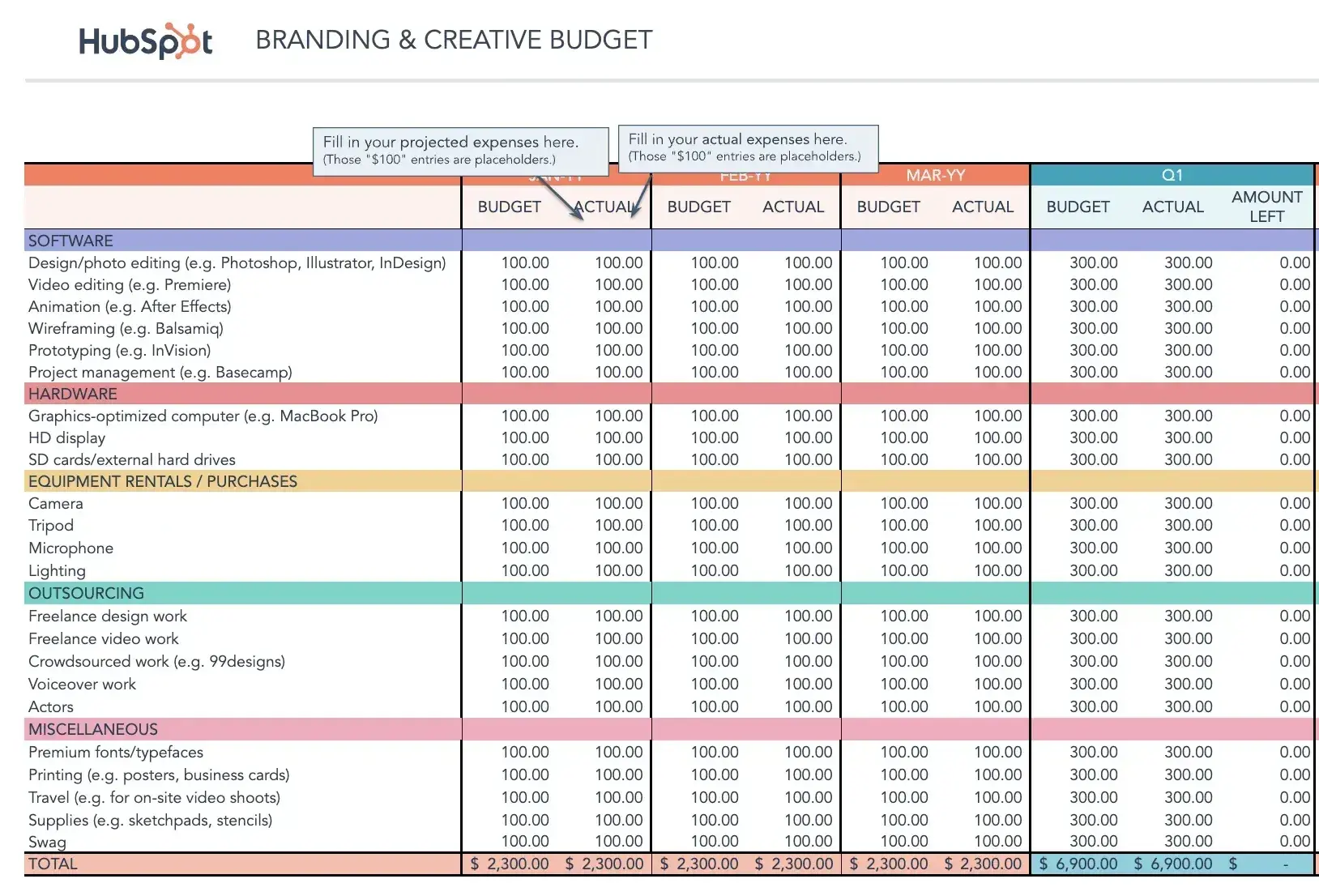
When creating a marketing budget, it’s important to consider all the elements that will contribute to the success of your marketing campaigns. Here are some key components to include in your marketing budget:
- Advertising: Allocate funds for paid advertising channels, such as online ads, print ads, and TV commercials.
- Digital Marketing: Include expenses for digital marketing tactics like social media, email marketing, and search engine optimization (SEO).
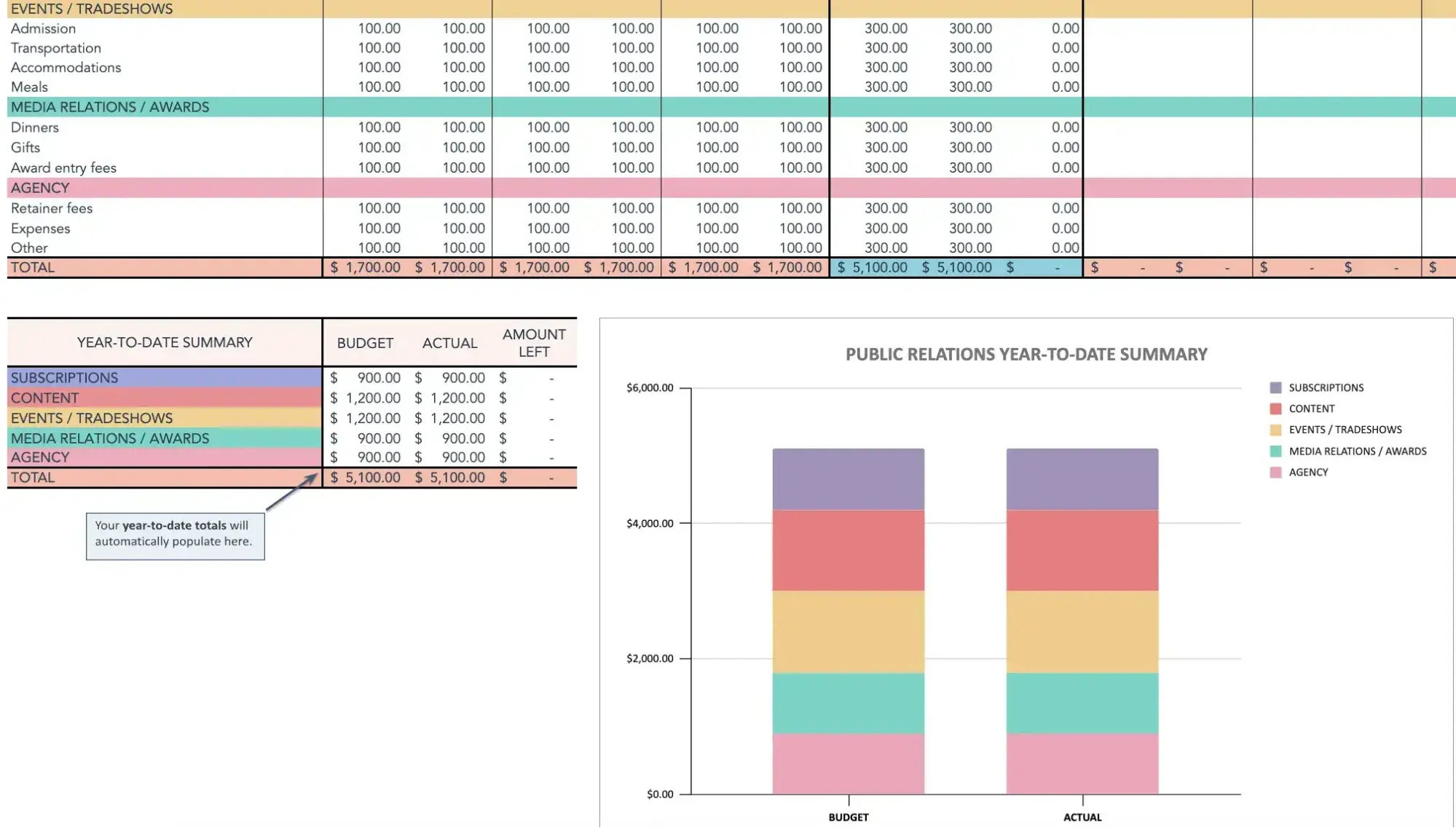
- Public Relations: Budget for PR activities, such as media outreach, press releases, and events.
- Content Creation: Set aside funds for creating high-quality content for your website, blog, and other marketing materials.
- Marketing Tools: Include costs for marketing software, analytics tools, and other resources that support your marketing efforts.
- Events and Sponsorships: Budget for attending industry events, sponsoring conferences, and hosting promotional events.
- Agency Fees: Factor in expenses for hiring external agencies or consultants to assist with marketing campaigns.
- Testing and Optimization: Allocate funds for testing different marketing strategies and optimizing campaigns for better results.
How to Create a Marketing Budget
Creating a marketing budget requires a systematic approach to ensure that you are allocating resources effectively and achieving your business goals. Here are some steps to help you create a successful marketing budget:
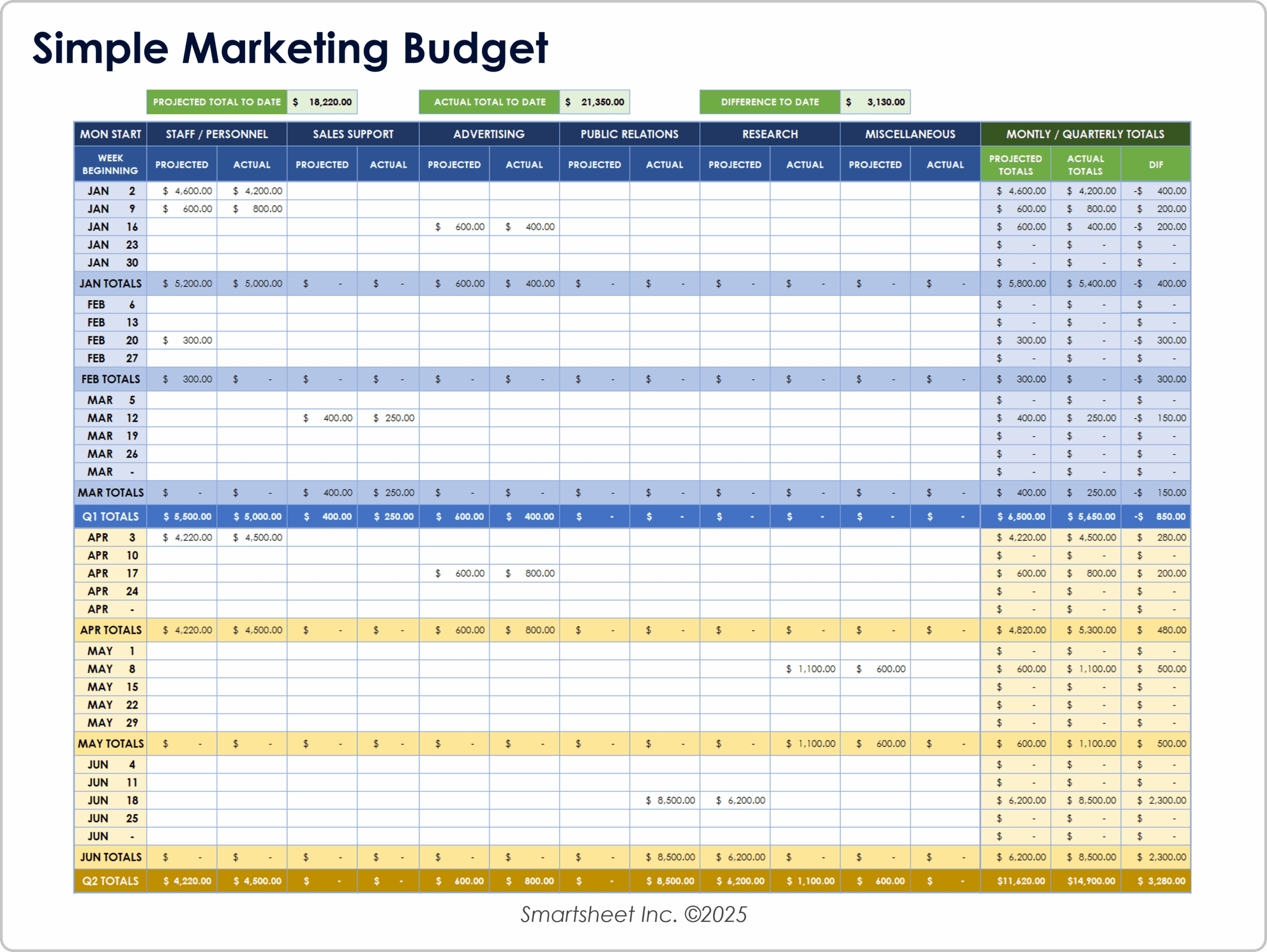
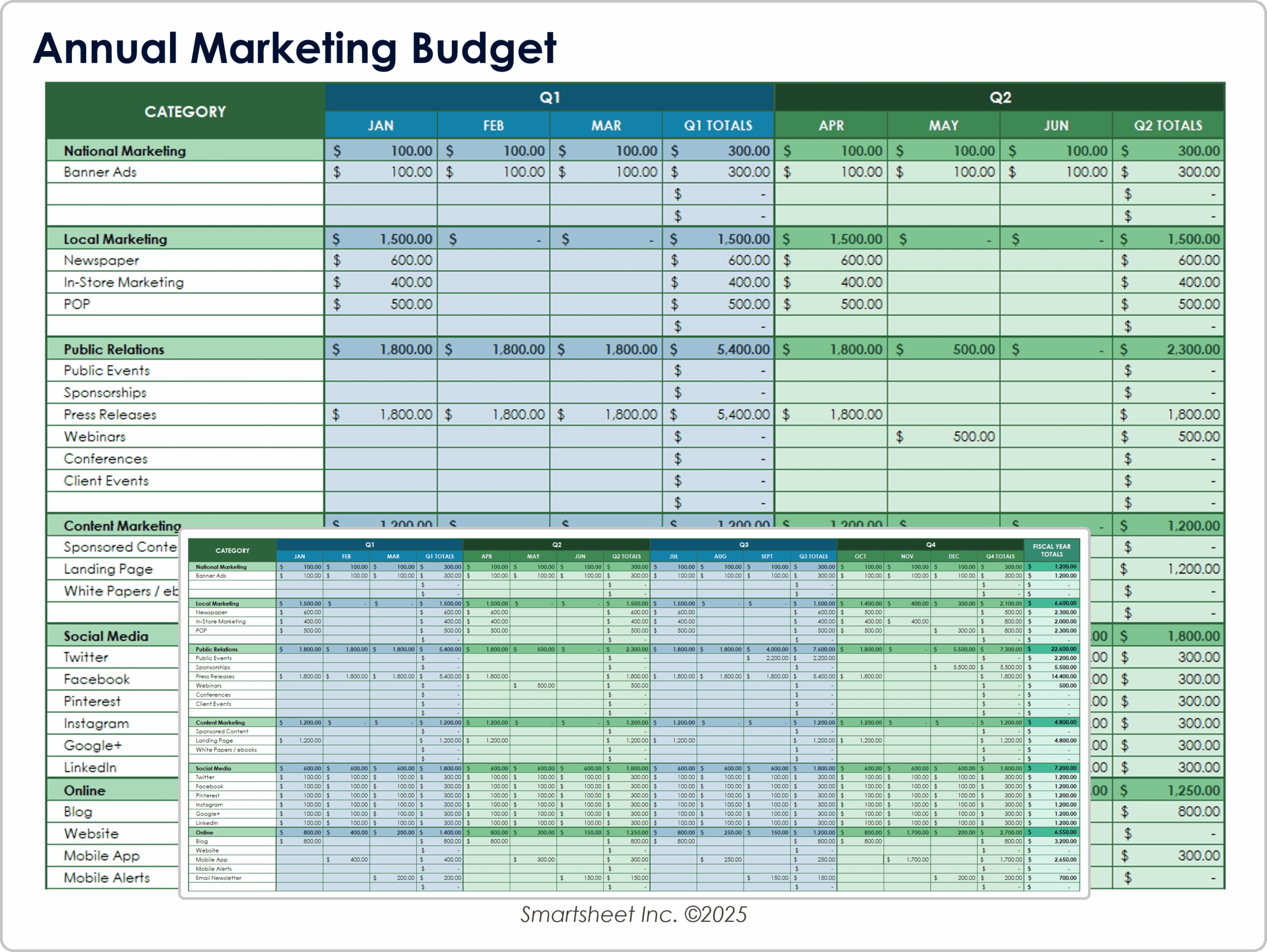
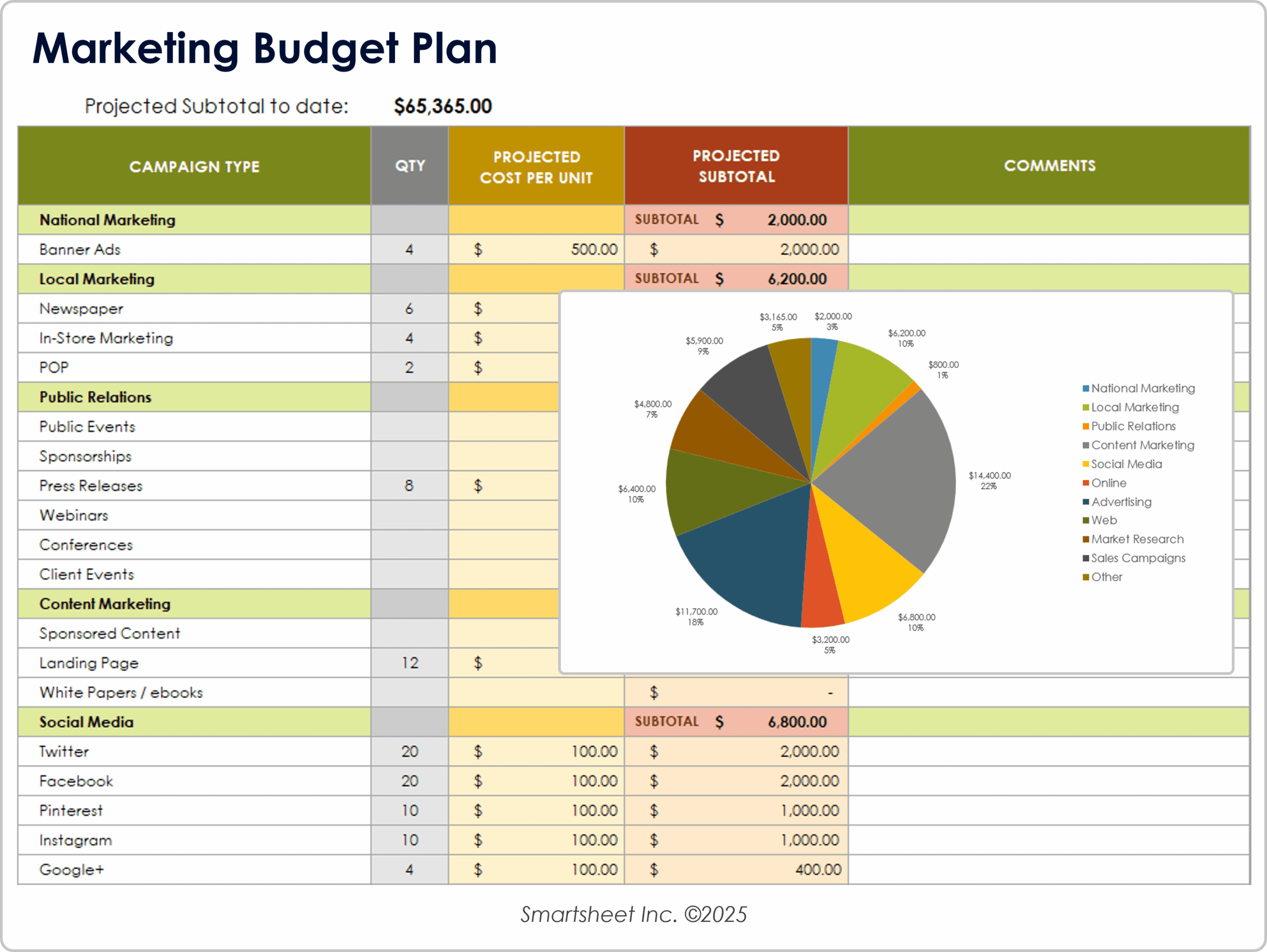
1. Define Your Goals: Start by outlining your marketing objectives and what you hope to achieve with your marketing efforts.2. Conduct Market Research: Gather information about your target audience, competitors, and industry trends to inform your budget decisions.3. Set Your Budget: Determine how much you can afford to spend on marketing activities based on your overall business budget and revenue projections.4. Allocate Resources: Break down your budget into specific categories, such as advertising, digital marketing, and events, based on your priorities and goals.5. Monitor and Adjust: Regularly track the performance of your marketing campaigns and adjust your budget as needed to optimize results and maximize ROI.
Tips for Successful Marketing Budgeting
Creating a marketing budget can be a challenging task, but with the right approach, you can develop a budget that drives business growth and maximizes your marketing ROI. Here are some tips for successful marketing budgeting:
- Set Clear Objectives: Define specific, measurable goals for your marketing campaigns to guide your budget decisions.
- Track Your Spending: Monitor your marketing expenses regularly to ensure that you are staying within budget and making the most of your resources.
- Invest in Analytics: Use data and analytics tools to measure the performance of your marketing efforts and make data-driven decisions about where to allocate resources.
- Stay Flexible: Be prepared to adjust your budget as needed based on changes in the market, consumer behavior, or the performance of your campaigns.
- Focus on ROI: Prioritize initiatives that are most likely to generate a positive return on investment and contribute to your business objectives.
- Seek Expert Advice: Consider working with a marketing consultant or agency to help you develop a comprehensive marketing budget and strategy that aligns with your business goals.
- Experiment and Learn: Test different marketing tactics, measure results, and learn from your experiences to continuously improve your marketing budgeting process.
Conclusion
In conclusion, creating a marketing budget is a critical step in developing a successful marketing strategy that drives business growth and maximizes your marketing ROI. By following the tips outlined in this guide and taking a systematic approach to budgeting, you can ensure that your marketing efforts are aligned with your business goals and are generating tangible results. Remember to monitor your spending, track your performance, and adjust your budget as needed to optimize your marketing campaigns and achieve maximum impact. With a well-defined marketing budget in place, you can set your business up for success and outshine the competition in today’s fast-paced market.
