Planning an event can be an exciting yet daunting task. From choosing the perfect venue to coordinating vendors and creating a memorable experience for guests, there are countless details to consider. One of the most critical aspects of event planning is managing your budget effectively. A well-thought-out budget can make or break the success of your event, so it’s essential to approach it with careful consideration and planning.
In this guide, we will delve into everything you need to know about creating and managing an event budget that will ensure your event’s success.
What is an Event Budget?
An event budget is a financial plan that outlines all the expenses and income associated with hosting an event. It serves as a roadmap for managing financial resources and ensuring that all aspects of the event are adequately funded. A well-crafted budget helps you stay on track with your spending, avoid unnecessary costs, and make informed decisions throughout the planning process.
Creating an event budget may seem like a daunting task, but with the right approach and attention to detail, it can be a manageable and even rewarding experience. By taking the time to thoroughly research and plan your budget, you can ensure that your event runs smoothly and achieves its desired outcomes without breaking the bank.
Why is an Event Budget Important?
An event budget is crucial for several reasons. Firstly, it helps you set realistic financial goals and allocate resources efficiently. By identifying all potential expenses upfront, you can avoid unexpected costs and ensure that every aspect of your event is adequately funded. Additionally, a well-organized budget allows you to track your spending and make adjustments as needed to stay within your financial limits.
Moreover, an event budget provides a clear overview of your event’s financial health, allowing you to make informed decisions about where to allocate resources and prioritize spending. It also serves as a tool for communication and collaboration with stakeholders, vendors, and sponsors, ensuring that everyone is on the same page regarding financial expectations and commitments.
What to Include in Your Event Budget?
When creating an event budget, it’s essential to include all potential expenses and income sources to ensure comprehensive financial planning. Some common items to consider when building your budget include:
- Venue Rental. This includes the cost of renting the event space, any additional fees for setup or cleaning, and security deposits.
- Food and Beverage. Budget for catering services, bar service, and any additional costs for dietary restrictions or special requests.
- Entertainment. Include fees for performers, speakers, or entertainment services, as well as any equipment or technical support needed.
- Decor and Design. Factor in expenses for event decor, floral arrangements, signage, and any other visual elements to enhance the event atmosphere.
- Marketing and Promotion. Allocate funds for advertising, promotional materials, social media campaigns, and other marketing expenses to attract attendees.
- Staffing. Budget for event staff, security personnel, volunteers, and any other personnel needed to support the event’s operations.
- Contingency Fund. Set aside a reserve fund for unexpected expenses or emergencies that may arise during the event planning process.
How to Create an Event Budget?
Creating an event budget requires careful planning, attention to detail, and a thorough understanding of your event’s financial requirements. To build an effective budget, follow these steps:
1. Start by outlining your event’s goals, objectives, and target audience to determine the scope and scale of the event.
2. Research potential expenses and vendors to gather accurate cost estimates for each aspect of the event.
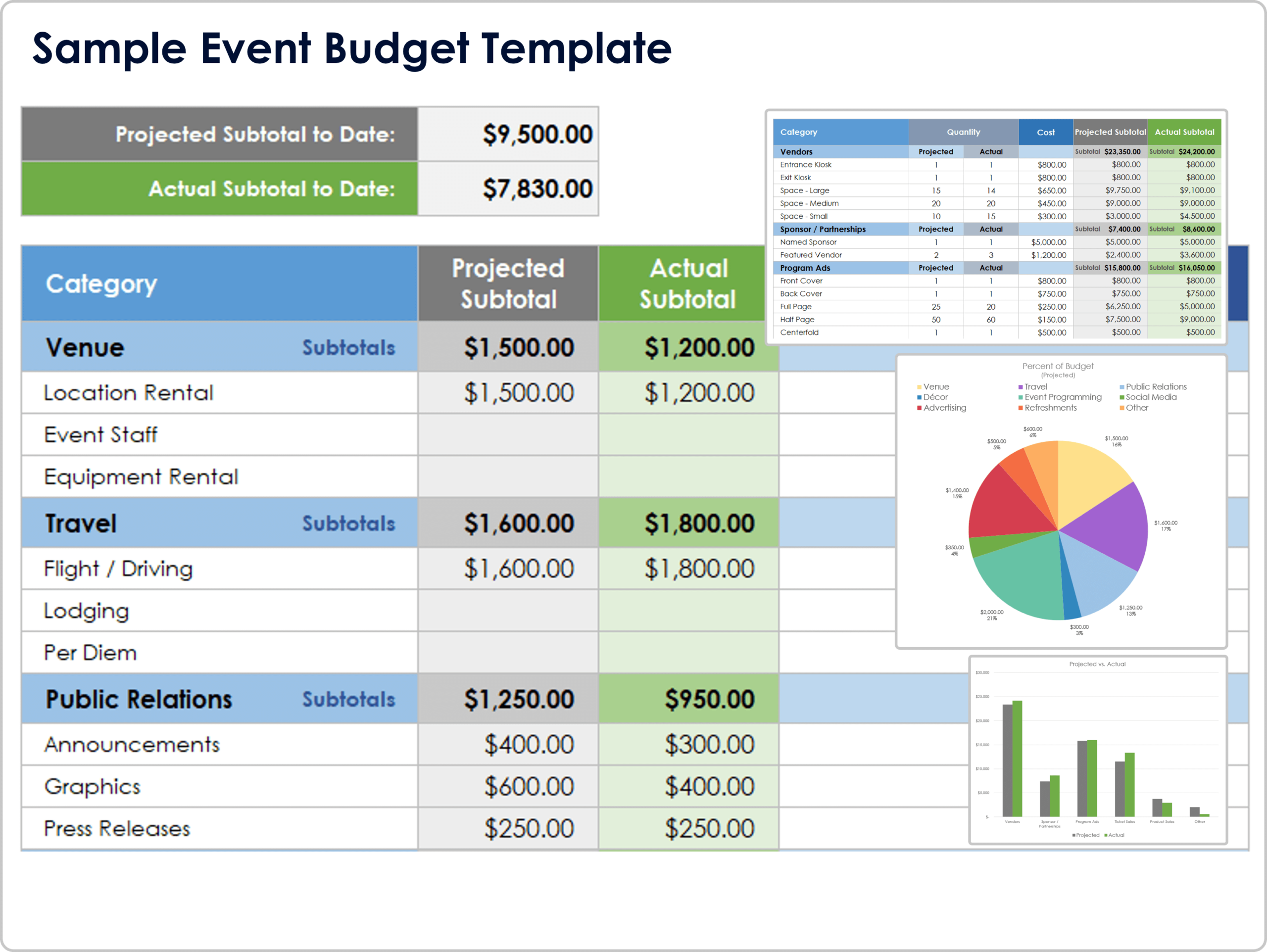
3. Create a detailed spreadsheet or budget template to track expenses, income, and overall financial projections.
4. Allocate funds to each budget category based on priority and importance to the event’s overall success.
5. Regularly update and review your budget as you progress through the planning process, making adjustments as needed to stay within financial limits.
6. Communicate with stakeholders, sponsors, and vendors to ensure alignment on budget expectations and financial commitments.
7. Keep detailed records of all financial transactions and receipts to track spending and maintain accountability throughout the event planning process.
Tips for Managing Your Event Budget
Managing an event budget can be a challenging task, but with the right strategies and mindset, you can ensure that your event stays on track financially. Here are some tips for effectively managing your event budget:
1. Set clear financial goals and priorities for your event to guide budget decisions and resource allocation.
2. Research and compare vendors and suppliers to find the best value for your budget without compromising on quality.
3. Establish a contingency fund to account for unexpected expenses or last-minute changes that may arise during the planning process.
4. Monitor your budget regularly and track spending to identify areas where you can cut costs or reallocate resources to stay within financial limits.
5. Communicate openly and transparently with stakeholders, sponsors, and vendors to manage expectations and address any financial concerns proactively.
6. Stay flexible and adaptable in your budget planning to accommodate changes or unforeseen circumstances that may impact your event’s financial requirements.
7. Evaluate the success of your budget management after the event to identify areas for improvement and apply lessons learned to future event planning efforts.
In Conclusion
Managing an event budget is a critical aspect of event planning that requires careful consideration, strategic planning, and effective communication with stakeholders and vendors. By creating a comprehensive budget that accounts for all expenses and income sources, you can ensure that your event runs smoothly, achieves its objectives, and stays within financial limits. With the right mindset, tools, and strategies, you can master your event budget and set the stage for a successful and memorable event that meets or exceeds expectations.
Event Budget Template – Download
