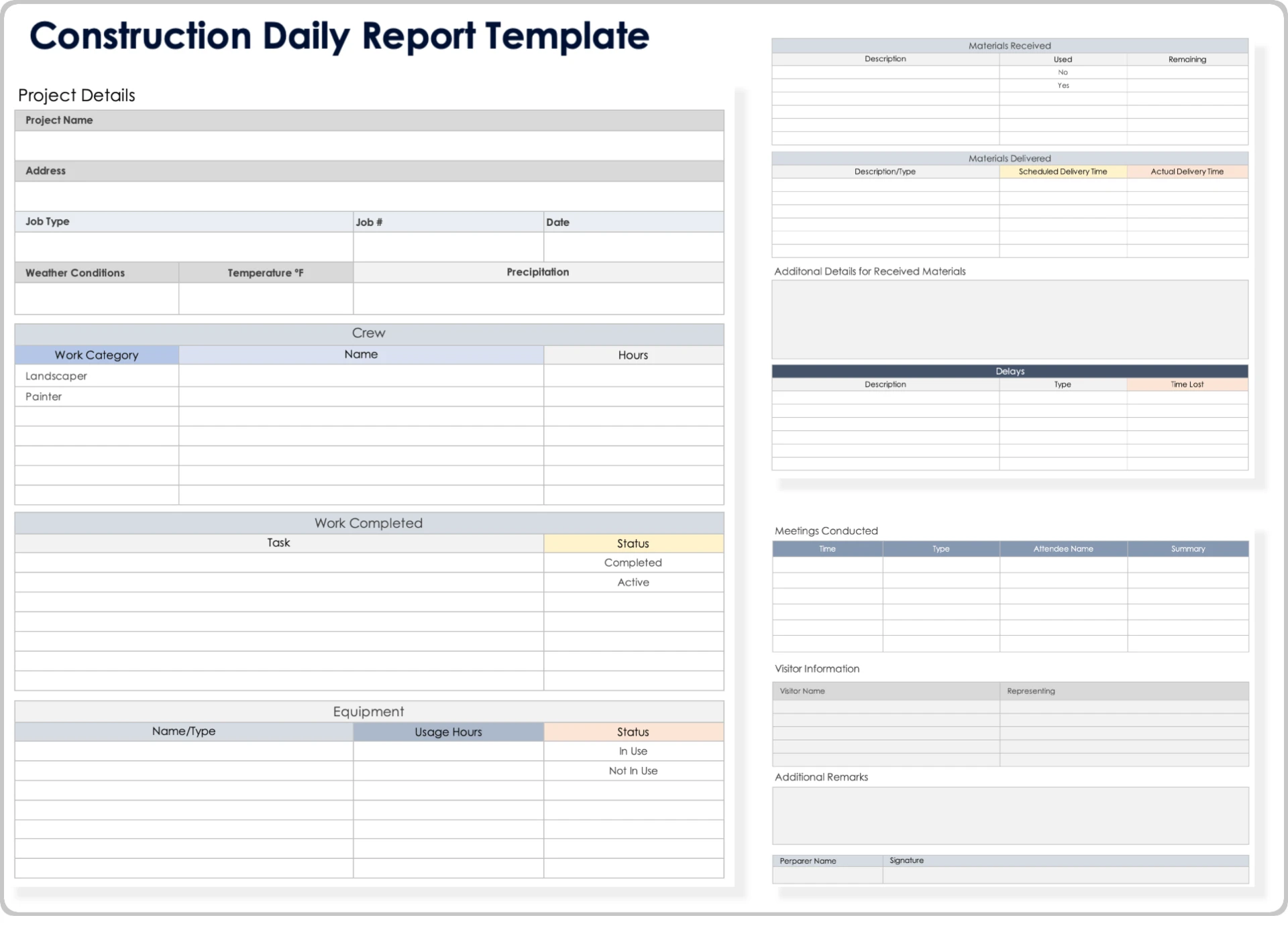
Construction daily reports are crucial documents that provide a detailed account of the day-to-day activities on a construction site. These reports serve as a vital communication tool between project managers, contractors, and stakeholders, ensuring transparency and accountability throughout the construction process.
In this guide, we will delve into the what, why, what to include, how to, and tips for successful construction daily reports.
What is a Construction Daily Report?
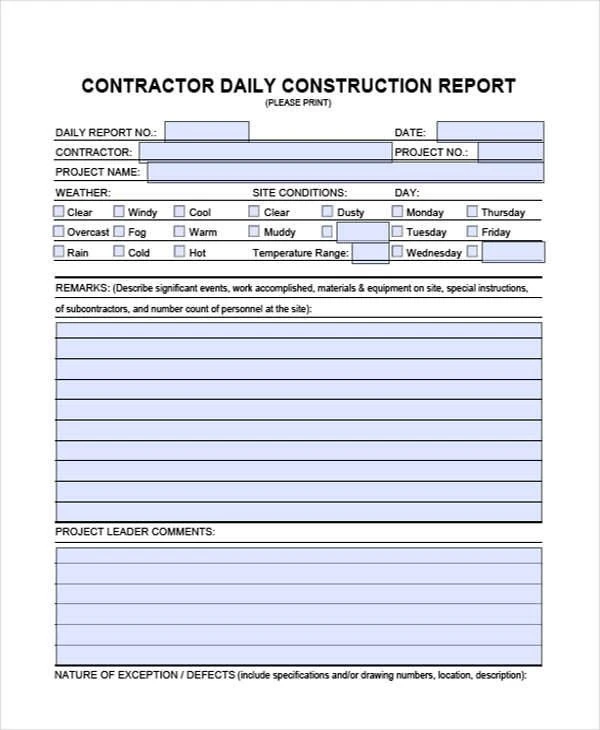
A construction daily report, also known as a daily log or diary, is a record of all activities, events, and progress on a construction site over a specific period, typically a day. It serves as a comprehensive account of the workforce, equipment, materials, weather conditions, delays, incidents, and any other relevant information that occurred during the day. These reports are essential for tracking project progress, identifying issues early on, and ensuring compliance with regulations.
Construction daily reports are typically filled out by site supervisors, project managers, or contractors who are responsible for overseeing the day-to-day operations on the site. The information recorded in these reports is crucial for monitoring productivity, identifying potential risks, and making informed decisions to keep the project on track.
Why are Construction Daily Reports Important?
Construction daily reports play a vital role in the successful completion of construction projects. Here are some key reasons why these reports are important:
- Communication: Daily reports help keep all stakeholders informed about the progress and challenges faced on the site.
- Documentation: They serve as a legal record of activities and events, which can be useful in case of disputes or claims.
- Monitoring Progress: Daily reports provide a detailed overview of project milestones, delays, and productivity levels.
- Risk Management: They help identify potential risks and issues early on, allowing for timely intervention and resolution.
- Compliance: Daily reports ensure that work is being carried out in accordance with regulations and specifications.
Overall, construction daily reports are essential for maintaining transparency, accountability, and efficiency on construction sites.
What to Include in a Construction Daily Report
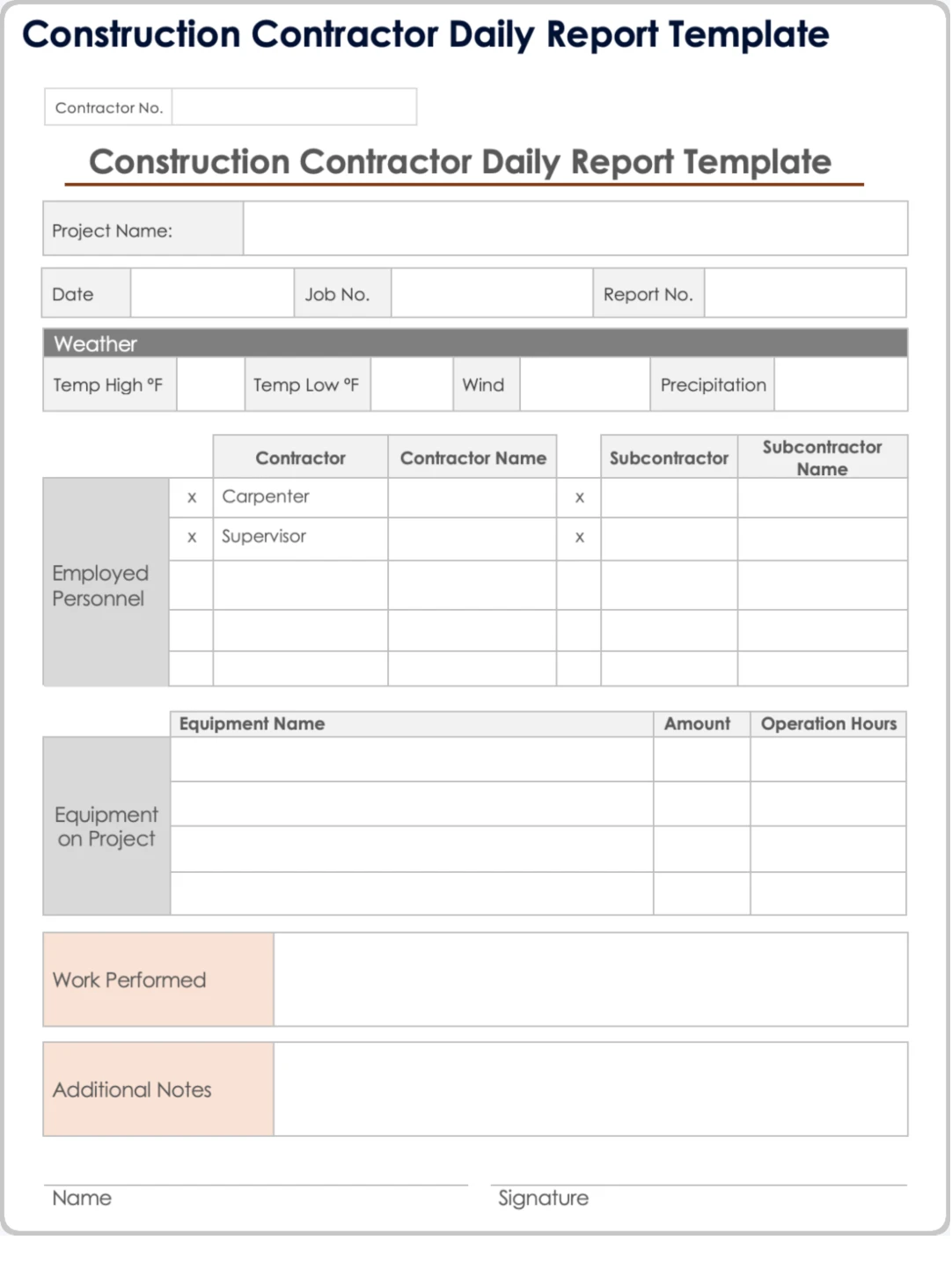
A well-structured construction daily report should include the following key components:
- Date: The date of the report to provide a chronological record of activities.
- Weather Conditions: Details of the weather conditions that may have impacted work progress.
- Workforce: Number of workers on-site, their tasks, and any issues or incidents involving personnel.
- Equipment: Inventory of equipment used on the site and any malfunctions or maintenance needs.
- Materials: List of materials delivered, used, or required for the day’s activities.
- Progress Updates: Summary of work completed, milestones achieved, and any delays encountered.
- Issues and Incidents: Record of any accidents, safety violations, or other incidents that occurred on-site.
- Visitors and Meetings: List of visitors to the site and details of any meetings or discussions held.
By including these essential components in your construction daily report, you can create a comprehensive overview of the day’s activities and ensure that all relevant information is documented for future reference.
How to Create a Construction Daily Report
Creating a construction daily report involves the following steps:
1. Begin by documenting the date and weather conditions at the start of the report.
2. Record the number of workers on-site, their tasks, and any issues or incidents involving personnel.
3. Inventory the equipment used on the site and note any malfunctions or maintenance needs.
4. List the materials delivered, used, or required for the day’s activities.
5. Provide a summary of work completed, milestones achieved, and any delays encountered.
6. Record any accidents, safety violations, or other incidents that occurred on-site.
7. Document any visitors to the site and details of meetings or discussions held.
8. Conclude the report with a brief summary and any additional notes or observations.
By following these steps and ensuring that all essential information is included, you can create a detailed and informative construction daily report that effectively communicates the day’s activities on the site.
Tips for Successful Construction Daily Reports
Creating effective construction daily reports requires attention to detail and consistency. Here are some tips for success:
- Be Detailed: Include as much relevant information as possible to provide a comprehensive overview of the day’s activities.
- Be Clear and Concise: Use clear language and avoid jargon to ensure that the report is easily understood by all stakeholders.
- Be Timely: Fill out the report at the end of each day to ensure that all information is fresh in your mind.
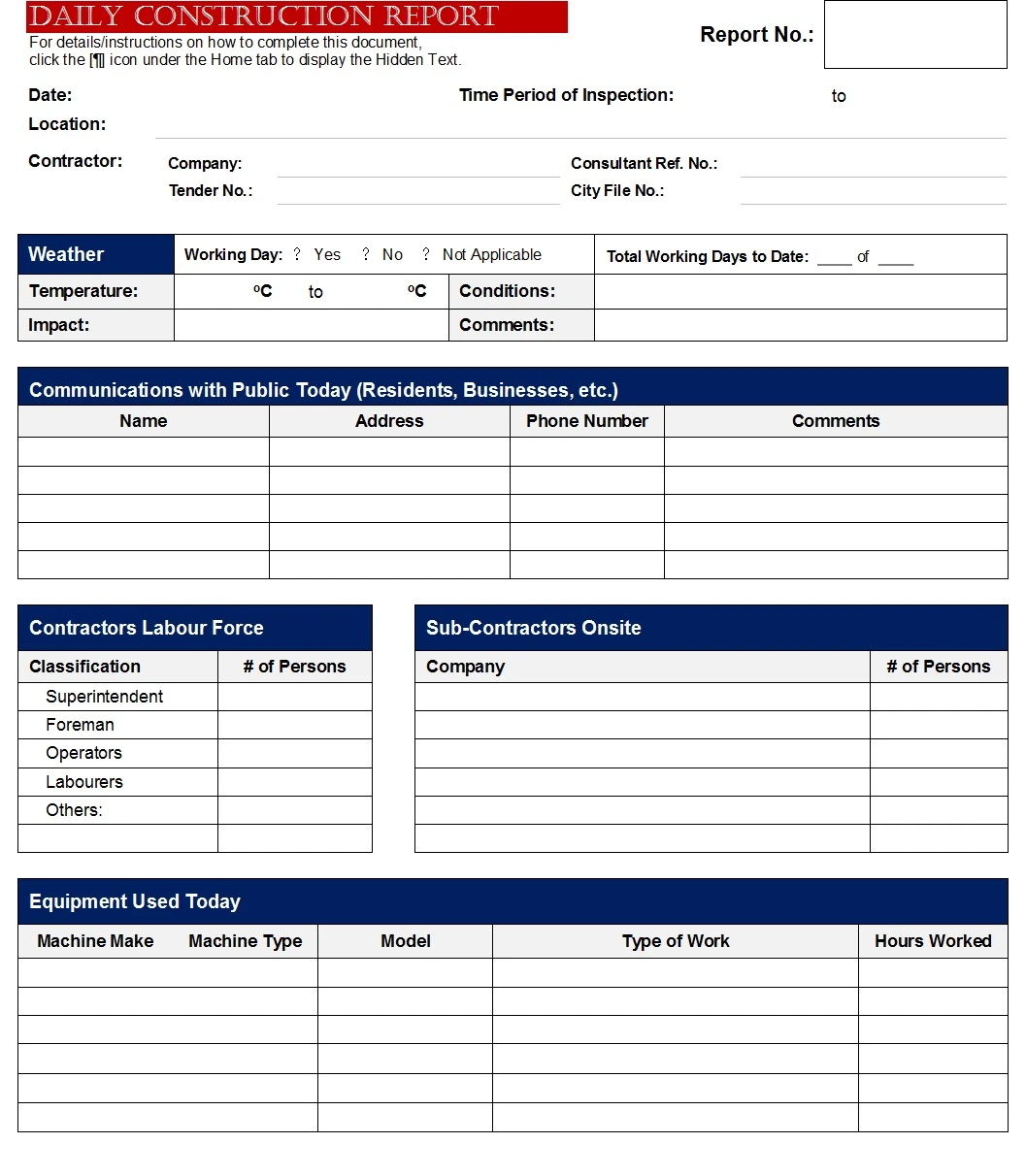
- Use a Standard Format: Develop a template for your daily reports to ensure consistency and organization.
- Include Supporting Documentation: Attach photos, drawings, or other relevant documents to provide additional context and clarity.
- Review and Revise: Review each report for accuracy and completeness before submitting it to stakeholders.
- Solicit Feedback: Encourage feedback from team members to improve the quality and effectiveness of your daily reports.
By following these tips and best practices, you can create construction daily reports that are informative, accurate, and valuable for all parties involved in the construction project.
Construction Daily Report Template – Excel
