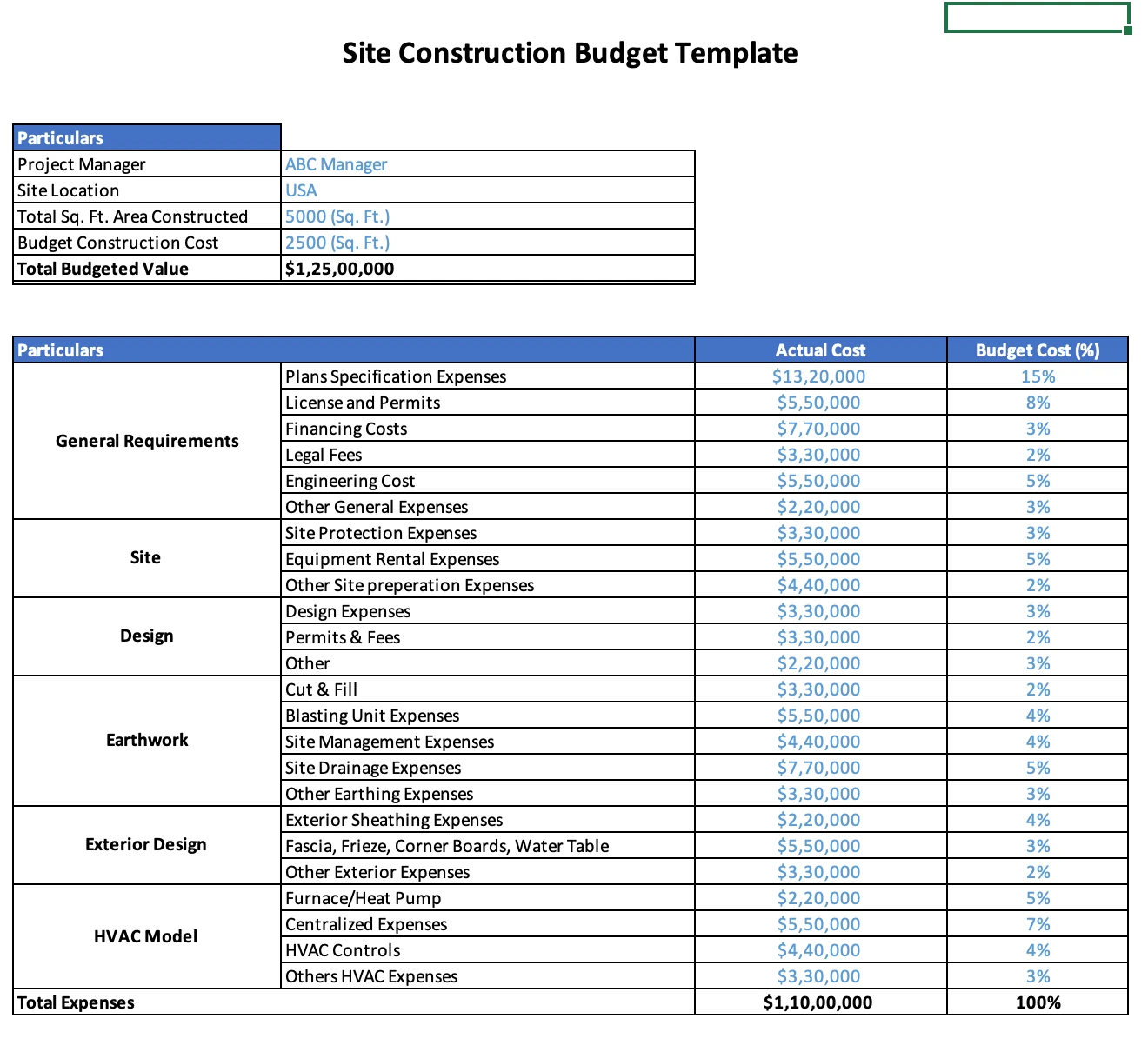
When it comes to embarking on a construction project, one of the most crucial aspects to consider is the construction budget. A well-planned and managed budget can make or break a project, impacting everything from the quality of materials used to the timeline of completion.
In this article, we will delve into the significance of construction budgeting and provide valuable insights on how to effectively manage it.
What is a Construction Budget?
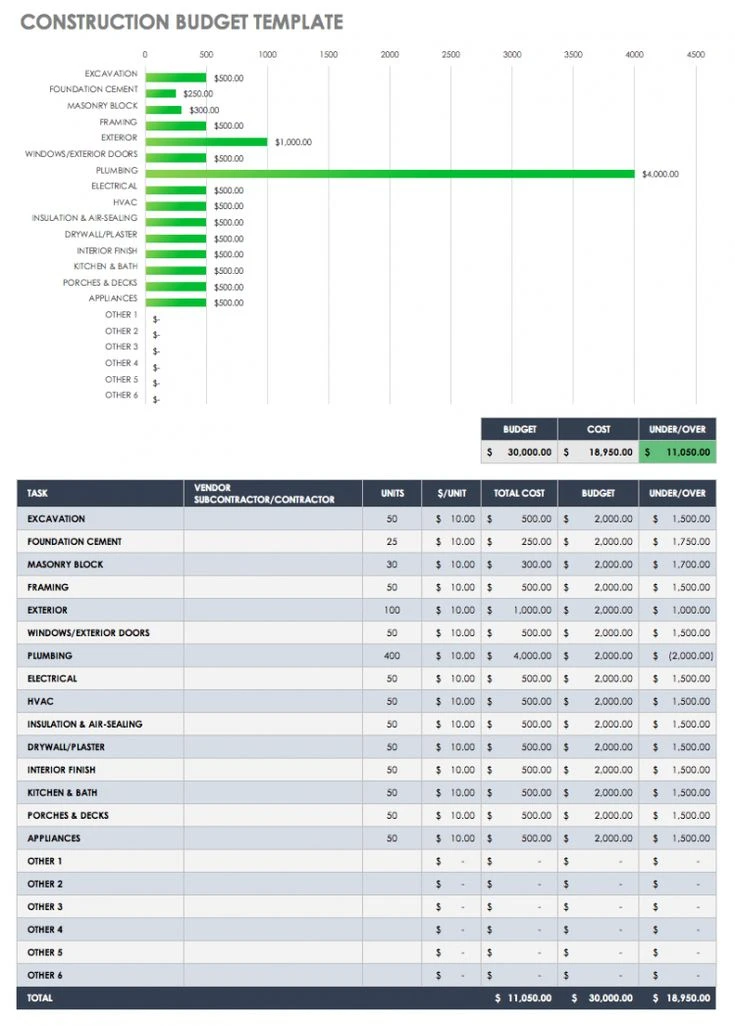
A construction budget is a detailed financial plan that outlines all the costs associated with a construction project. It includes everything from the cost of materials and labor to permits, equipment rentals, and contingency funds. Creating a construction budget allows project managers to allocate resources efficiently, monitor expenses, and ensure that the project stays within financial constraints.
Why is Construction Budgeting Important?
Proper construction budgeting is essential for several reasons. First and foremost, it helps prevent cost overruns, which can derail a project and lead to delays. By establishing a clear budget from the outset, stakeholders can make informed decisions about where to allocate funds and identify potential areas for cost savings.
Additionally, a well-managed budget can enhance transparency and accountability, fostering trust among all parties involved in the project.
What to Include in a Construction Budget
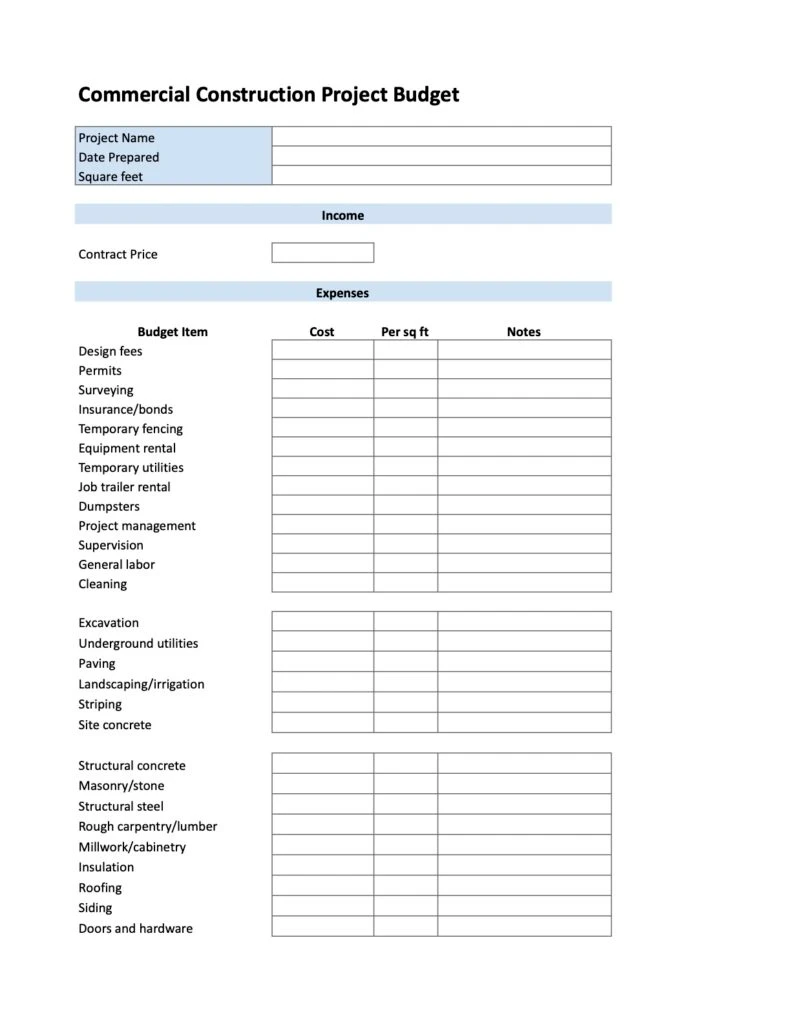
Creating a comprehensive construction budget requires careful consideration of various factors. Some key components to include in a construction budget are:
- Materials: Estimate the cost of all materials required for the project, including building supplies, fixtures, and finishes.
- Labor: Calculate labor costs based on the number of workers needed, their hourly rates, and the duration of the project.
- Permits and Fees: Factor in the cost of obtaining permits, inspections, and any other regulatory fees associated with the project.
- Equipment Rentals: Include the cost of renting or leasing any equipment or machinery needed for the construction process.
- Contingency Funds: Set aside a portion of the budget for unexpected expenses or changes that may arise during the project.
How to Manage a Construction Budget Effectively
Managing a construction budget effectively requires careful planning and diligent oversight. Here are some tips for successful budget management:
- Set Realistic Goals: Establish clear objectives and realistic expectations for the project to avoid unnecessary expenses.
- Track Expenses Closely: Monitor expenses regularly to identify any deviations from the budget and address them promptly.
- Communicate Regularly: Keep all stakeholders informed about the budget status and any potential changes that may impact costs.
- Identify Cost-Saving Opportunities: Look for ways to reduce costs without compromising the quality or integrity of the project.
- Adjust as Needed: Be prepared to make adjustments to the budget as the project progresses to account for unforeseen circumstances or changes in scope.
Tips for Successful Construction Budgeting
Effective construction budgeting requires a proactive approach and attention to detail. Some additional tips for successful budgeting include:
- Work with Experienced Professionals: Partner with knowledgeable contractors, architects, and project managers who can help create an accurate budget and adhere to it.
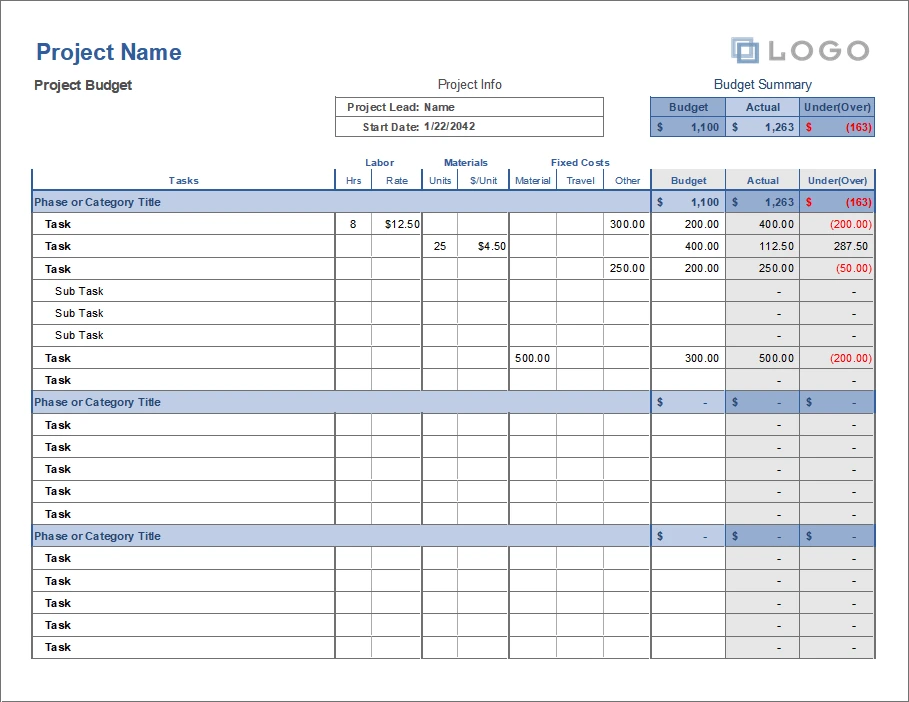
- Use Budgeting Software: Utilize construction-specific budgeting software to streamline the process and ensure accuracy in tracking expenses.
- Plan for Contingencies: Build contingency funds into the budget to account for unexpected expenses or changes in the project scope.
- Regularly Review and Update the Budget: Conduct regular budget reviews to assess progress, identify any potential issues, and make necessary adjustments.
Conclusion
In conclusion, construction budgeting is a critical aspect of any construction project that requires careful planning, monitoring, and management. By creating a detailed budget, adhering to it, and implementing best practices for budget management, stakeholders can increase the likelihood of project success and avoid costly delays or overruns. Effective construction budgeting is key to achieving project goals on time and within budget.
Construction Budget Template – Excel
