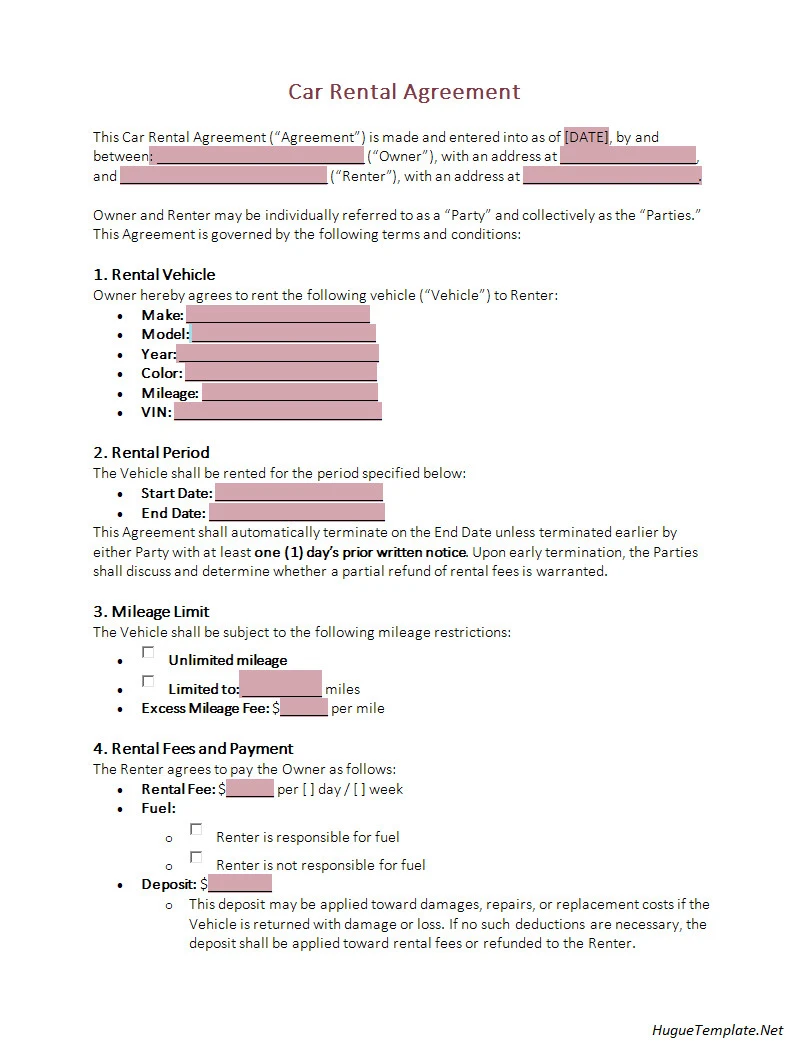
When renting a car, having a clear understanding of the terms and conditions is crucial.
A car rental agreement is a legally binding contract between a car rental company and a renter, outlining the rights and responsibilities of both parties. By defining the rental process, fees, insurance coverage, and limitations on use, the agreement helps protect both the rental company and the renter, reducing the risk of disputes and ensuring clear expectations.
What is a Car Rental Agreement?
A car rental agreement is a document that lays out the terms and conditions of renting a vehicle from a car rental company. It is a legally binding contract that both the rental company and the renter must adhere to.
The agreement includes details such as the rental period, fees, insurance coverage, mileage limits, and any additional charges or restrictions. By signing the contract, both parties agree to comply with the terms outlined within it.
Why Do I Need a Car Rental Agreement?
Having a car rental agreement in place is essential for both the rental company and the renter. For the rental company, the agreement helps protect their assets and ensures that their vehicles are returned in good condition. It also provides a framework for resolving any disputes that may arise during the rental period. For the renter, the agreement offers transparency and clarity regarding their rights and responsibilities, preventing any misunderstandings or unexpected charges.
Key Components of a Car Rental Agreement
A car rental agreement typically includes several key components that outline the terms and conditions of the rental. These components help define the rights and responsibilities of both the renter and the rental company. Some common components of a car rental agreement include:
- Rental Period. This specifies the dates and times when the vehicle can be rented.
- Cost and Fees. Details about the rental fees, additional charges, and any security deposits required.
- Insurance Coverage. Information about the insurance coverage provided, including liability and collision coverage.
- Mileage Limits. Restrictions on the number of miles the vehicle can be driven during the rental period.
- Use Restrictions. Any limitations on how the vehicle can be used, such as towing or off-road driving.
Understanding Your Rights and Responsibilities
Both the renter and the rental company have specific rights and responsibilities outlined in the car rental agreement. Understanding these roles is crucial to ensure a smooth rental experience and avoiding any potential issues. Here are some key responsibilities for both parties:
Renter’s Responsibilities
- Return the vehicle on time and in the same condition as when rented. The renter is responsible for returning the vehicle at the agreed-upon time and in the same condition it was rented.
- Comply with all traffic laws and regulations. The renter must obey all traffic laws and regulations while driving the rental vehicle.
- Report any damages or accidents promptly. If the vehicle is damaged or involved in an accident, the renter must report it to the rental company immediately.
Rental Company’s Responsibilities
- Provide a well-maintained and safe vehicle. The rental company must provide a vehicle that is in good working condition and safe to drive.
- Offer clear information about fees and charges. The rental company should disclose all fees and charges upfront to avoid any surprises for the renter.
- Assist with any issues or emergencies. The rental company should be available to help with any issues or emergencies that arise during the rental period.
Common Terms and Conditions Explained
Car rental agreements often include specific terms and conditions that may be unfamiliar to renters. It’s important to understand these terms to avoid any confusion or misunderstandings. Some common terms and conditions found in car rental agreements include:
- Collision Damage Waiver (CDW). This optional insurance coverage protects the renter from liability for damage to the rental vehicle.
- Loss Damage Waiver (LDW). Similar to CDW, LDW covers the renter for loss or damage to the rental vehicle.
- Additional Driver Fee. An extra charge for adding another driver to the rental agreement.
- Excess Mileage Charge. Fees incurred for exceeding the allotted mileage limit.
Checklist Before Hiring a Car
Before signing a car rental agreement, it’s essential to go through a checklist to ensure that you understand the terms and conditions. Here are some things to consider before hiring a car:
- Review the rental agreement. Carefully read through the entire agreement to understand the terms and conditions.
- Inspect the vehicle. Check the rental vehicle for any existing damage and make a note of it before driving off.
- Ask about insurance coverage. Clarify what insurance coverage is included and whether additional coverage is recommended.
- Discuss any restrictions. Inquire about any limitations on use, such as mileage restrictions or prohibited activities.
By following these steps and familiarizing yourself with the car rental agreement, you can ensure a smooth and hassle-free rental experience. Remember to ask questions if there is anything you don’t understand and clarify any concerns before signing the agreement.
Car Rental Agreement Template – DOWNLOAD
