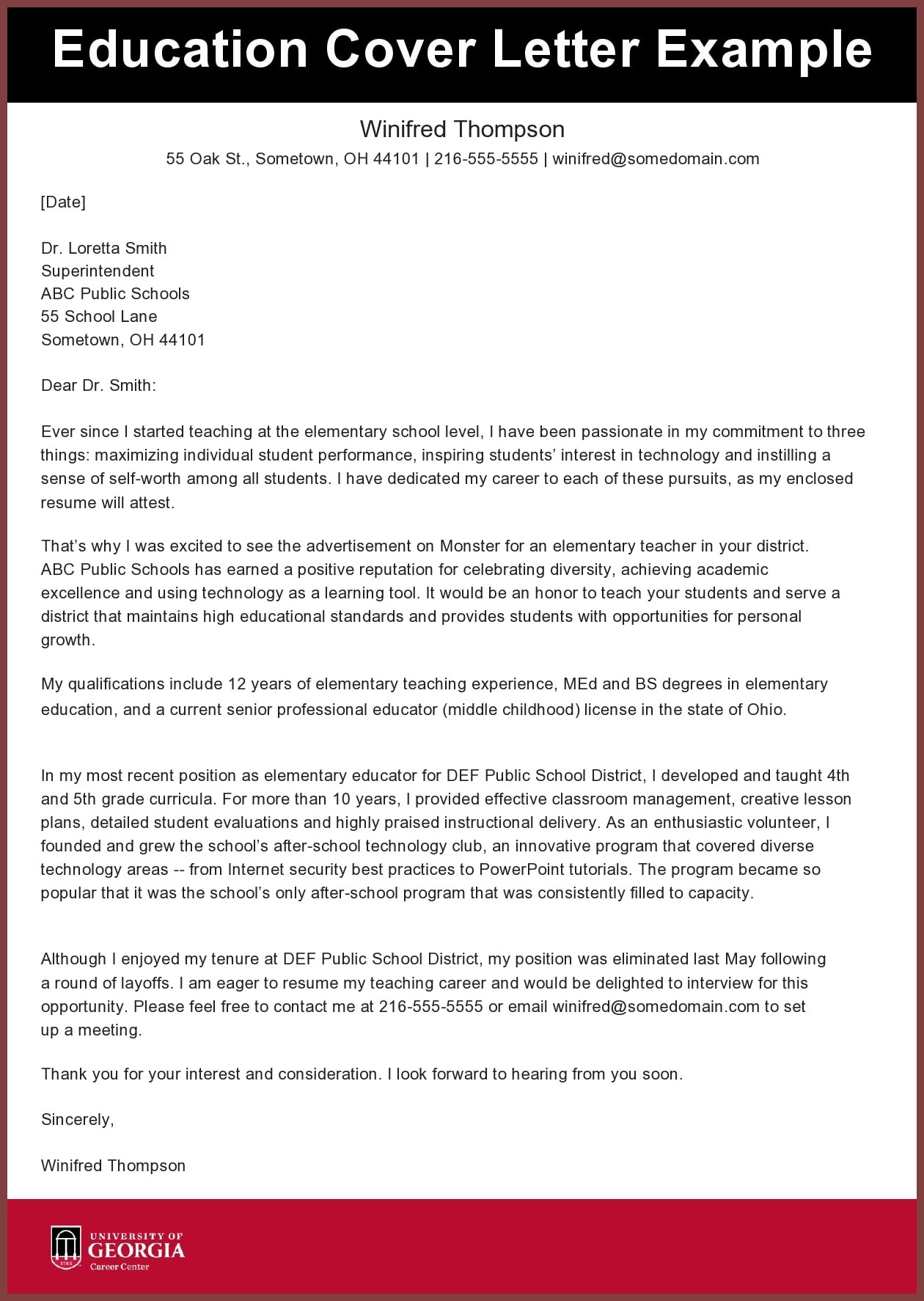
Are you a teacher looking to make a positive first impression with a new school or colleague? Or maybe you’re a school administrator seeking to introduce a new teacher to the faculty? In either case, a well-crafted letter of introduction can be a powerful tool to establish credibility and build rapport. In this guide, we will walk you through the what, why, what to include, how to, and tips for a successful letter of introduction for teachers.
What is a Letter of Introduction for Teachers?
A letter of introduction for teachers is a formal document that serves as an initial communication between a teacher and their new school, colleagues, or parents. It is a way to introduce oneself, highlight qualifications, and establish a positive impression from the start.
When done effectively, a letter of introduction can set the tone for a successful relationship and demonstrate professionalism and enthusiasm for the teaching role.
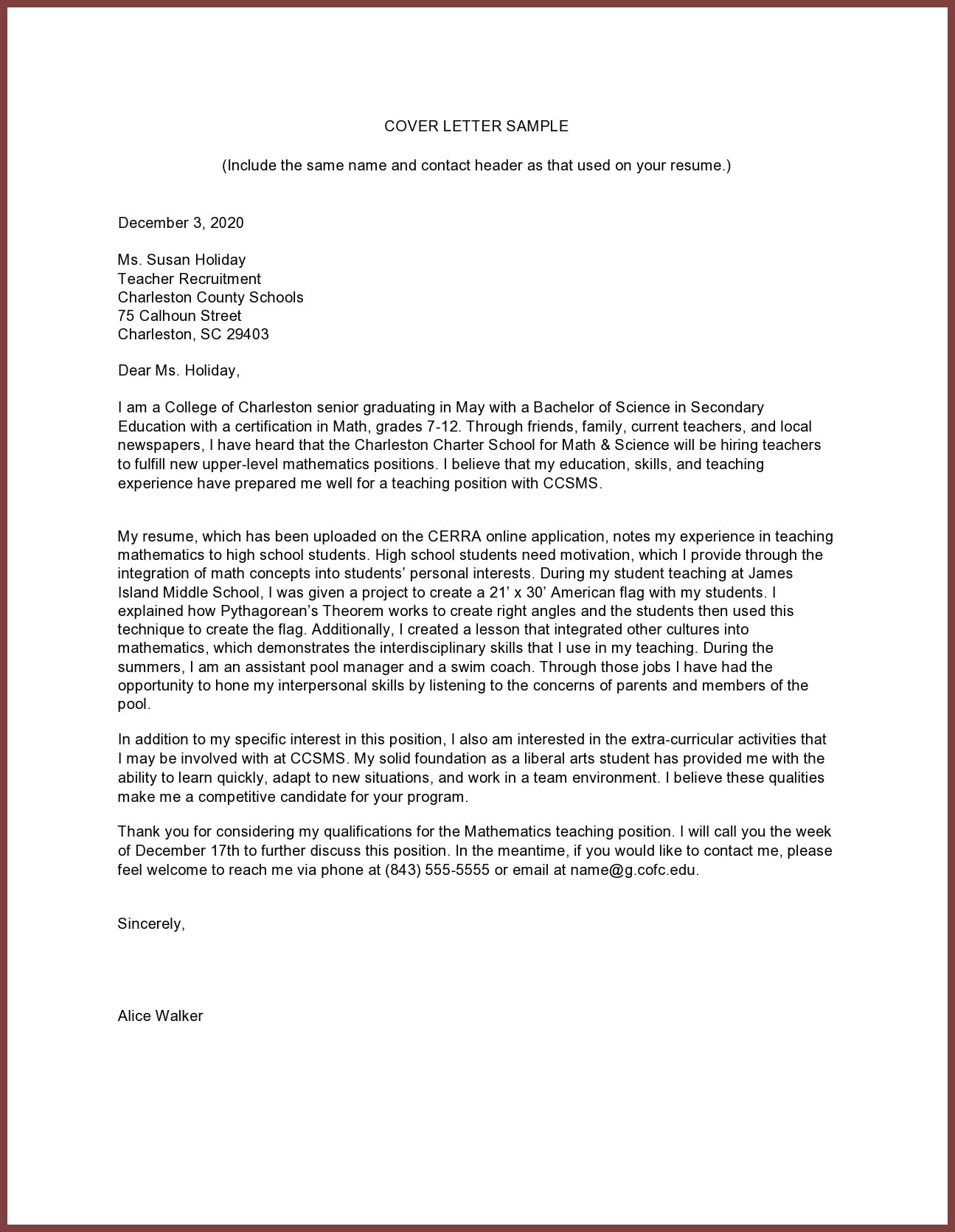
Why Write a Letter of Introduction for Teachers?
Writing a letter of introduction for teachers is essential for several reasons:- It provides an opportunity to make a positive first impression.- It allows you to showcase your qualifications and experience.- It can help establish credibility and build trust with colleagues, students, and parents.- It sets the tone for a positive and productive relationship with the school community.
In a competitive field like education, a well-crafted letter of introduction can help you stand out and make a memorable impression.
What to Include in a Letter of Introduction for Teachers
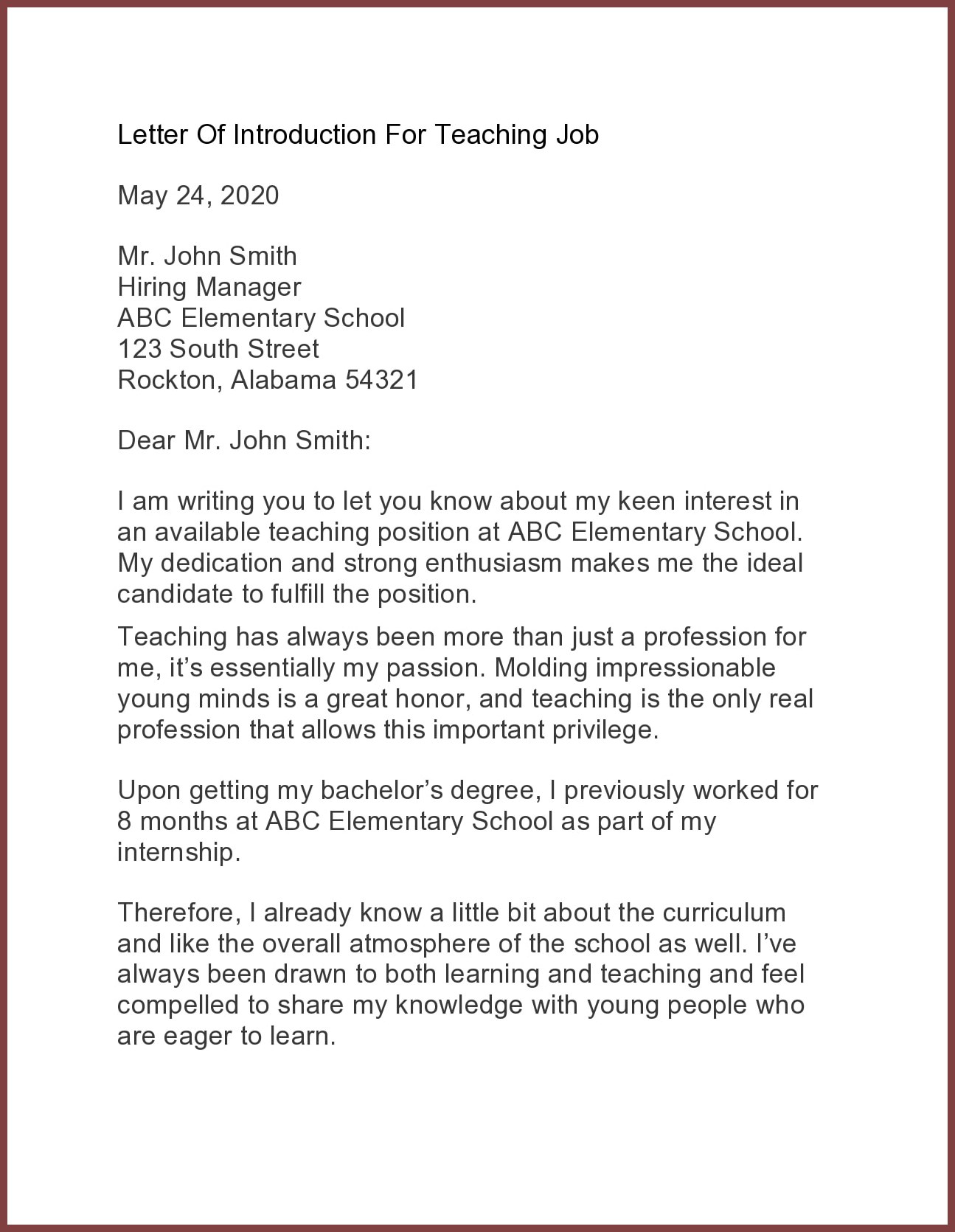
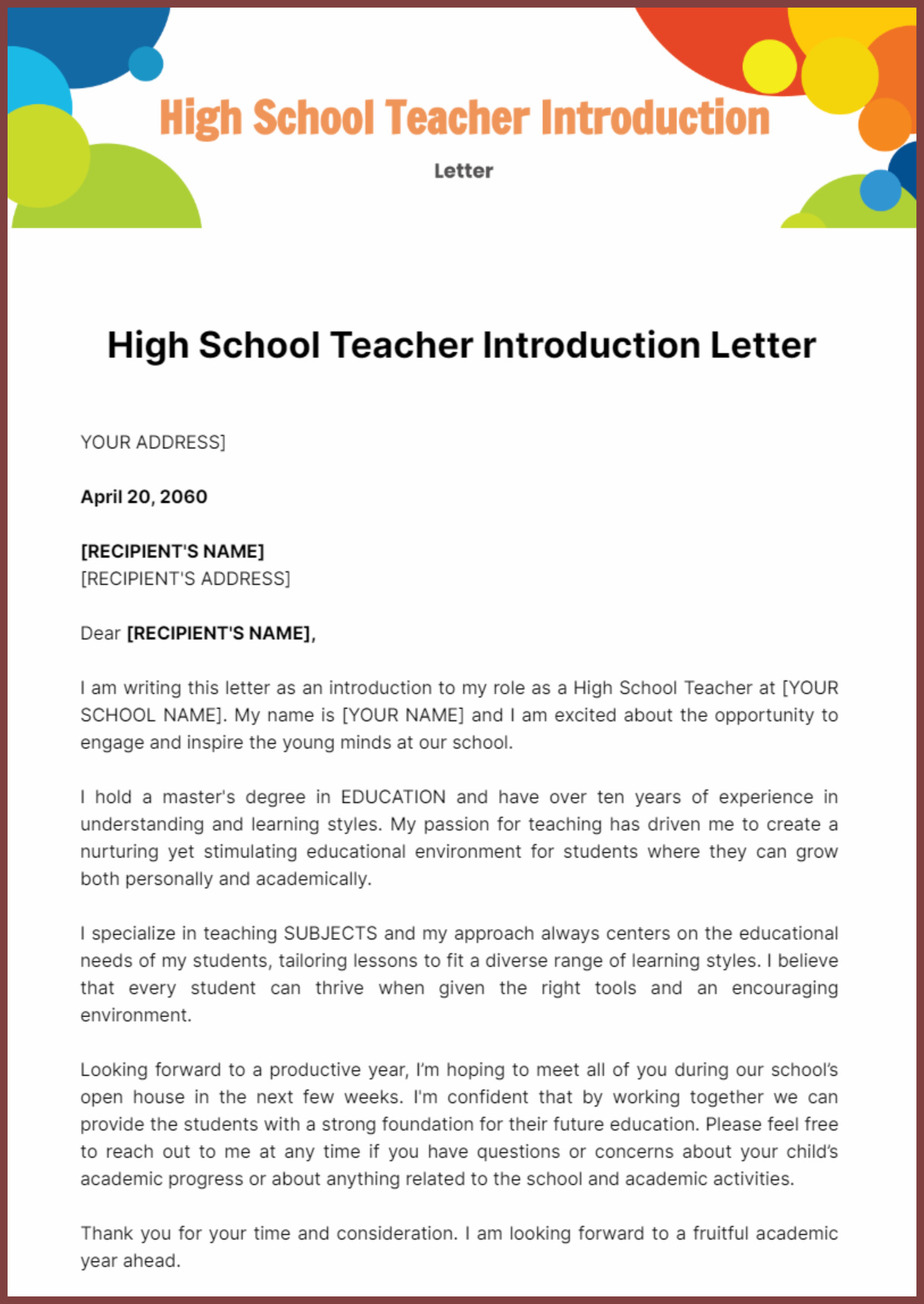
When writing a letter of introduction for teachers, it is essential to include the following key elements:- Introduction: Start by introducing yourself and stating the purpose of the letter.- Experience and Qualifications: Highlight your relevant experience, qualifications, and achievements.- Teaching Philosophy: Share your teaching philosophy and approach to education.- Personal Touch: Include a personal anecdote or connection to show your personality.- Contact Information: Provide your contact information for further communication.
1. Introduction
In the introduction, clearly state who you are and why you are writing the letter. Mention the position you are applying for or the school you are joining.
2. Experience and Qualifications
Highlight your relevant experience, qualifications, and achievements that make you a suitable candidate for the teaching role. This could include your education background, certifications, and any awards or recognitions.
3. Teaching Philosophy
Share your teaching philosophy and approach to education. This is an opportunity to showcase your passion for teaching and your commitment to student success.
4. Personal Touch
Include a personal anecdote or connection that sets you apart from other candidates. This could be a story about a memorable teaching experience or a unique skill you bring to the classroom.
5. Contact Information
End the letter with your contact information, including your phone number and email address. This makes it easy for the recipient to reach out to you for further communication.
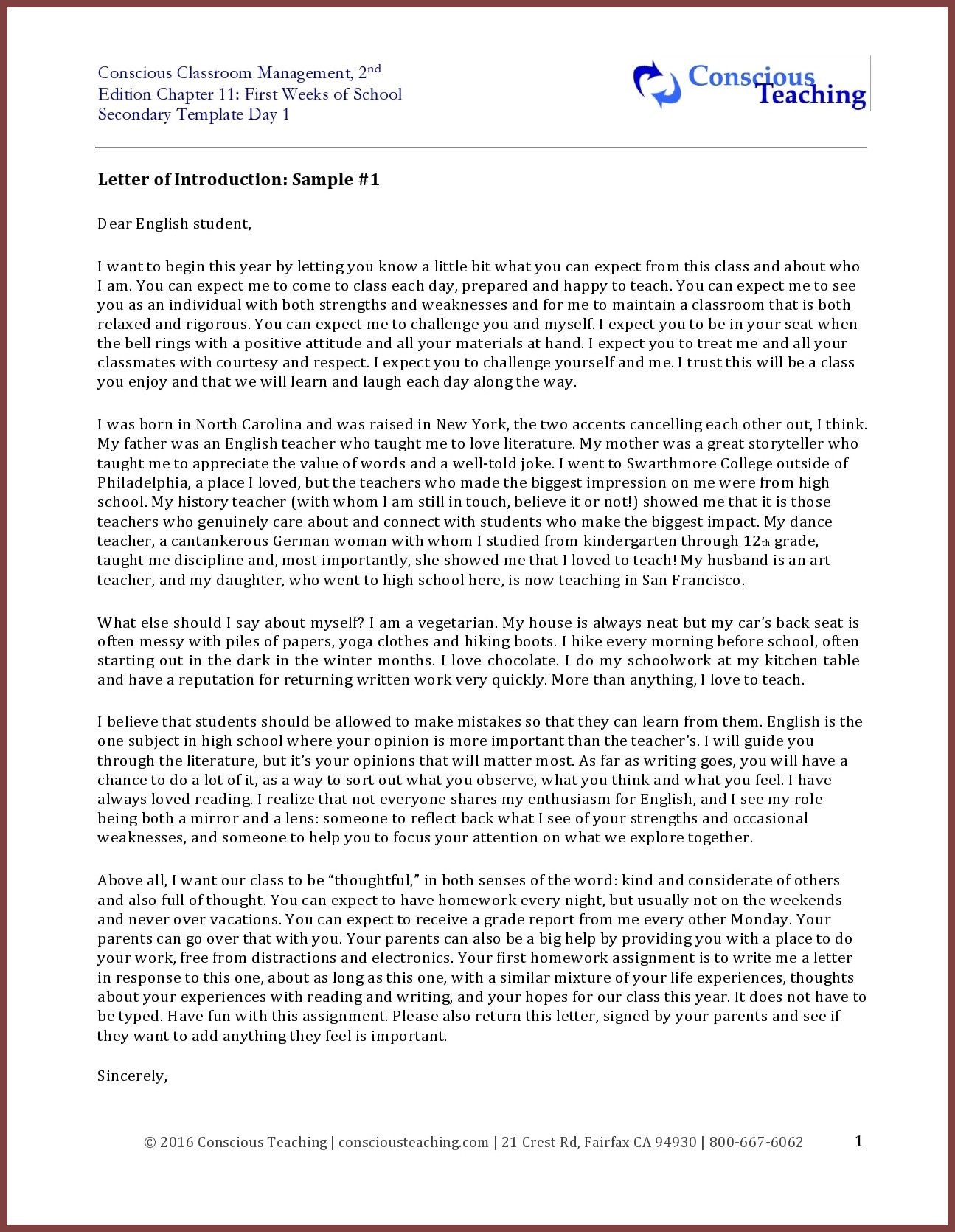
How to Write a Letter of Introduction for Teachers
Writing a letter of introduction for teachers may seem daunting, but with the right approach, it can be a straightforward process. Here are some steps to help you craft an effective letter:
1. Start with a strong opening that grabs the reader’s attention.
2. Keep the tone professional yet personable to connect with the recipient.
3. Use clear and concise language to convey your message effectively.
4. Highlight your unique qualities and what sets you apart from other candidates.
5. Proofread your letter carefully to ensure there are no errors or typos.
6. End with a strong closing that leaves a positive impression.
Tips for Successful Letter of Introduction for Teachers
To make your letter of introduction for teachers stand out, consider the following tips:
– Tailor the letter to the specific school or position you are applying for.
– Show enthusiasm and passion for teaching in your writing.
– Use concrete examples and evidence to support your claims.
– Keep the letter concise and focused on key points.
– Seek feedback from colleagues or mentors to improve your letter.
By following these tips and guidelines, you can create a compelling letter of introduction that sets you up for success in your teaching career. Good luck!
Letter of Introduction Template for a Teacher
