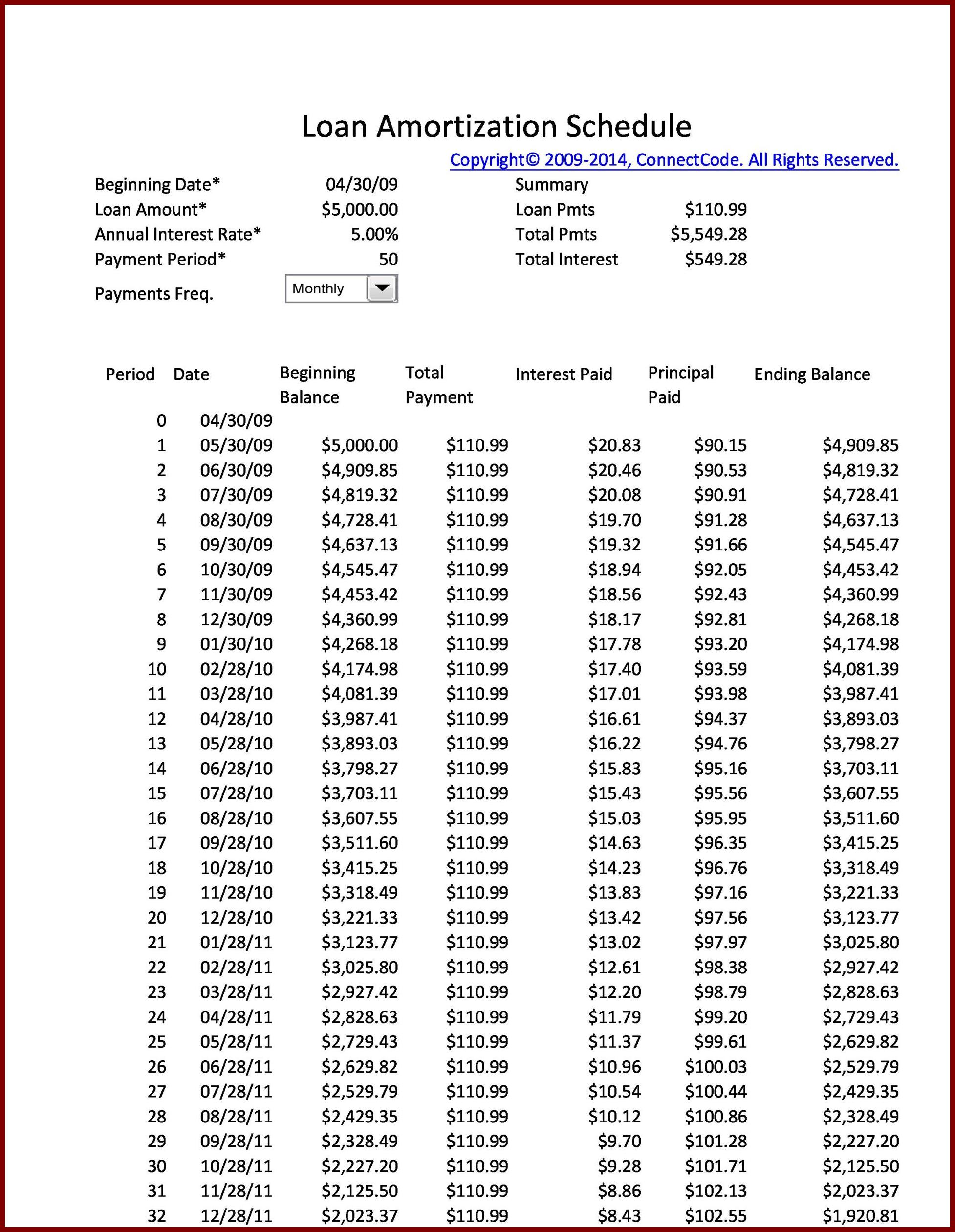
When it comes to understanding your mortgage payments, the term “amortization schedule” is crucial. It may sound like a complex financial term, but it’s actually quite simple to comprehend once you break it down. In this comprehensive guide, we will delve into the ins and outs of mortgage amortization schedules, explaining what they are, why they matter, what to include in your schedule, how to interpret it, and tips for successfully managing your mortgage payments.
What is a Mortgage Amortization Schedule?
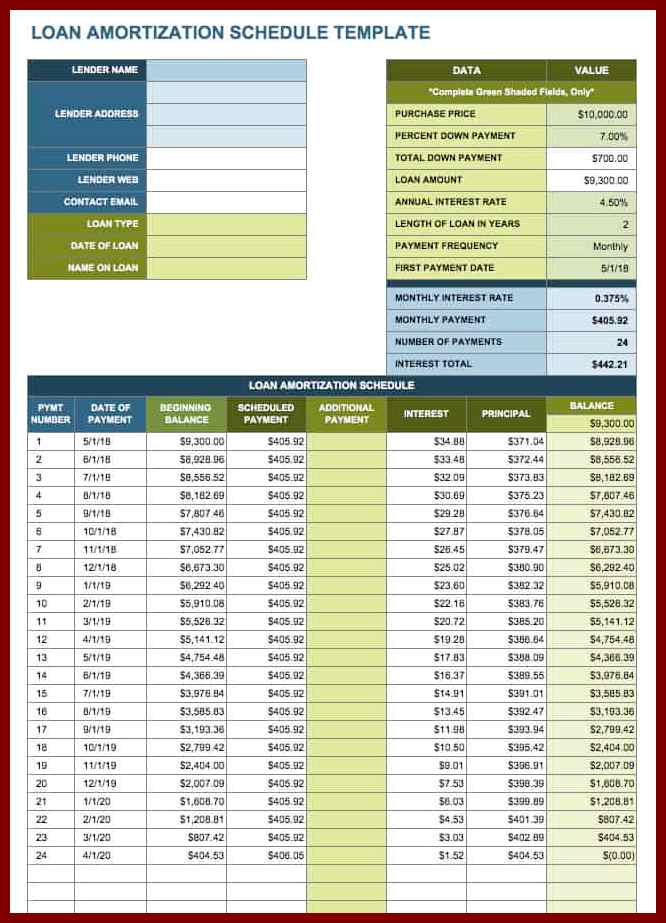
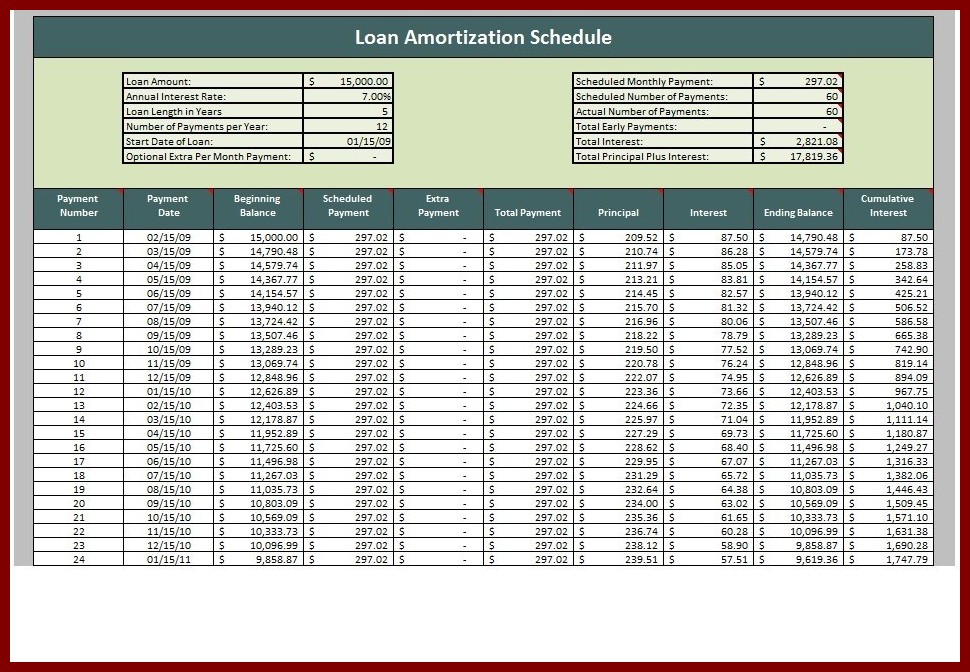
A mortgage amortization schedule is a table that details how your mortgage payments are allocated over the life of your loan. It breaks down each payment into two parts: the portion that goes towards paying off the principal amount of the loan and the portion that goes towards paying the interest on the loan. As you make payments, the balance of your loan decreases, and the interest portion of each payment also decreases.
Why is a Mortgage Amortization Schedule Important?
Understanding your mortgage amortization schedule is crucial for several reasons. It helps you see how much of each payment goes towards the principal and how much goes towards interest. This information can be valuable in helping you plan your finances and make decisions about your mortgage. Additionally, having a clear picture of your amortization schedule can help you track your progress in paying off your loan and can provide insight into how much interest you will pay over the life of the loan.
What to Include in a Mortgage Amortization Schedule
When creating or reviewing a mortgage amortization schedule, there are several key elements to pay attention to. These include:
- Loan Amount: The total amount of the loan.
- Interest Rate: The annual interest rate on the loan.
- Loan Term: The length of time over which the loan will be repaid.
- Monthly Payment: The amount you will pay each month towards the loan.
- Principal Payment: The portion of each payment that goes towards paying off the loan amount.
- Interest Payment: The portion of each payment that goes towards paying the interest on the loan.
How to Interpret a Mortgage Amortization Schedule
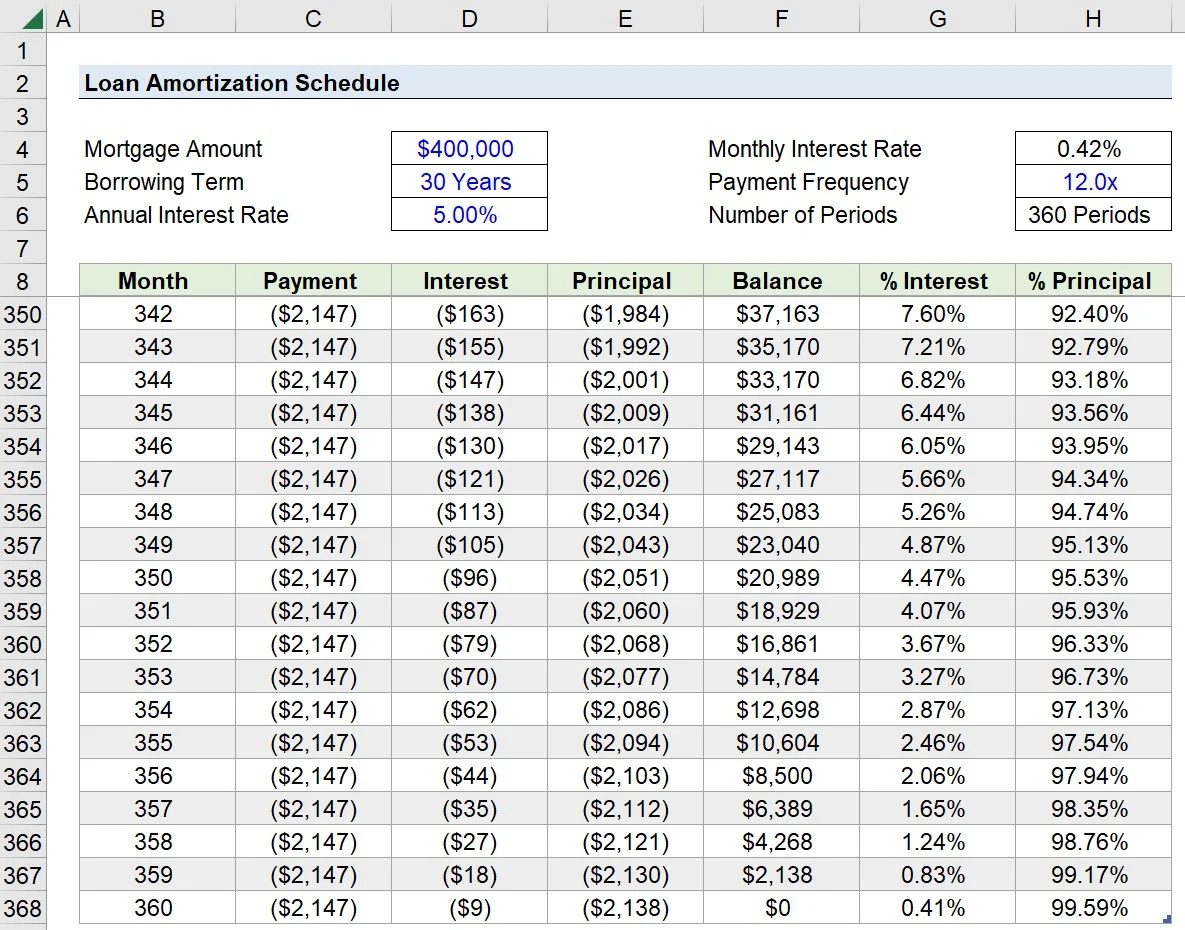
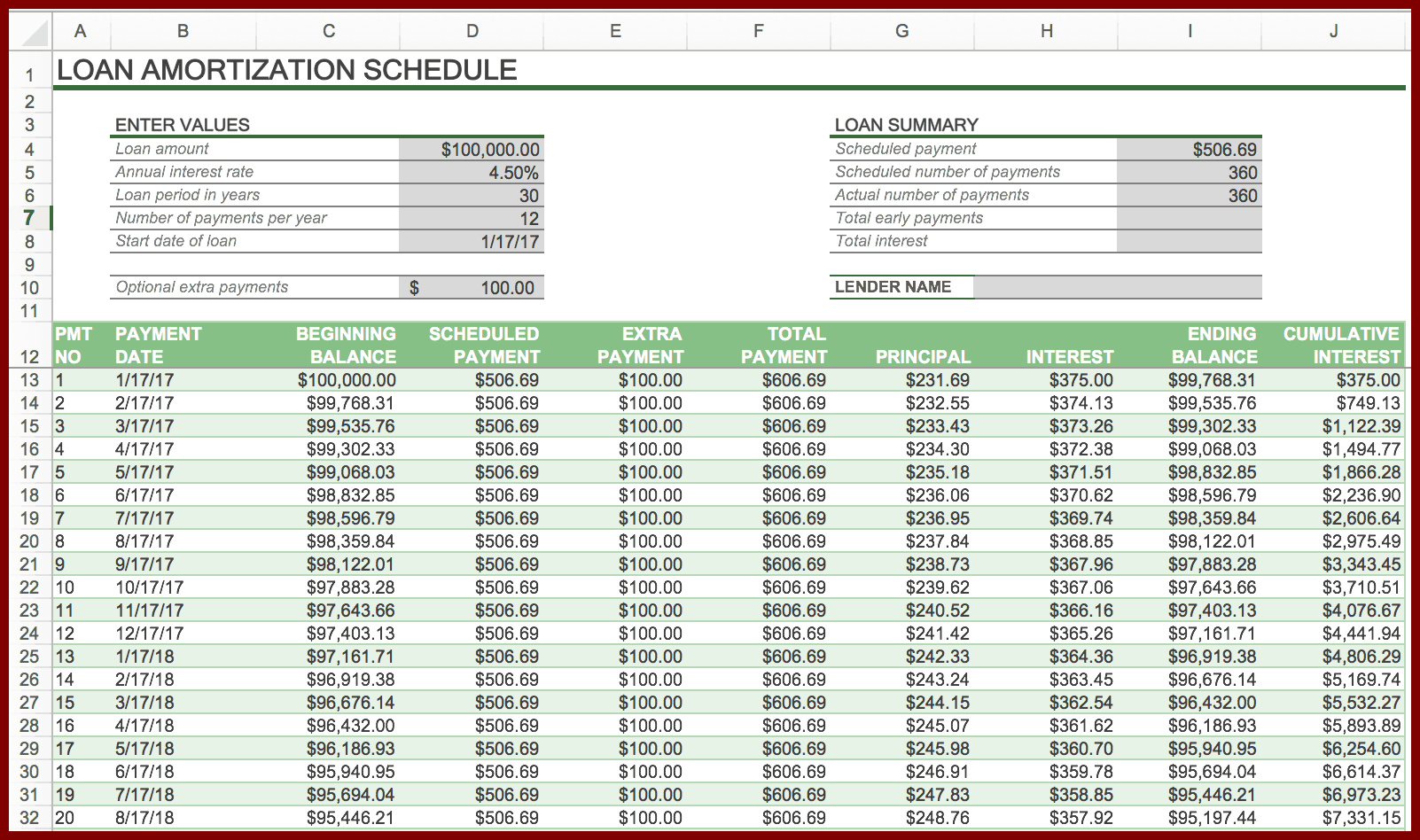
Interpreting a mortgage amortization schedule may seem daunting at first, but it’s actually quite straightforward. The schedule typically starts with higher interest payments and lower principal payments at the beginning of the loan term. Over time, the interest payments decrease, and the principal payments increase. This means that more of each payment goes towards paying off the loan balance as time goes on.
Tips for Successful Mortgage Management
Managing your mortgage effectively is crucial for maintaining financial stability. Here are some tips to help you successfully navigate your mortgage payments:
- Make Extra Payments: Consider making extra payments towards the principal to pay off your loan faster and save on interest.
- Refinance Wisely: Explore refinancing options to take advantage of lower interest rates and potentially lower your monthly payments.
- Review Your Amortization Schedule: Regularly review your schedule to track your progress and make informed decisions about your loan.
- Plan for Changes: Anticipate changes in your financial situation and adjust your mortgage payments accordingly.
- Seek Professional Advice: Consult with a financial advisor or mortgage specialist for personalized guidance on managing your mortgage.
Conclusion
Understanding your mortgage amortization schedule is a key aspect of managing your mortgage effectively. By familiarizing yourself with the components of the schedule, interpreting the data, and following our tips for successful mortgage management, you can take control of your finances and make informed decisions about your loan. Remember, staying informed and proactive is the key to successfully navigating the world of mortgages.
Mortgage Amortization Schedule Template
