Being self-employed comes with its own set of challenges and responsibilities, one of which is managing your finances effectively. Invoicing is a crucial aspect of running a successful self-employed business, as it ensures that you get paid for the services you provide. However, creating and sending out invoices can be a daunting task for many self-employed individuals.
In this article, we will delve into the world of self-employed invoices, exploring what they are, why they are important, what to include in them, how to create them, and tips for successful invoicing.
What is a Self-Employed Invoice?
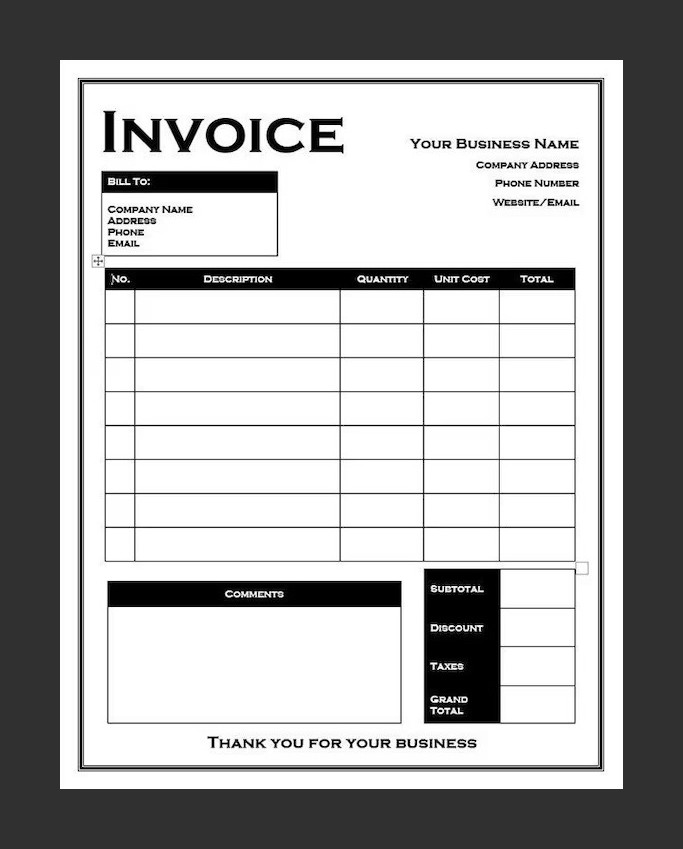
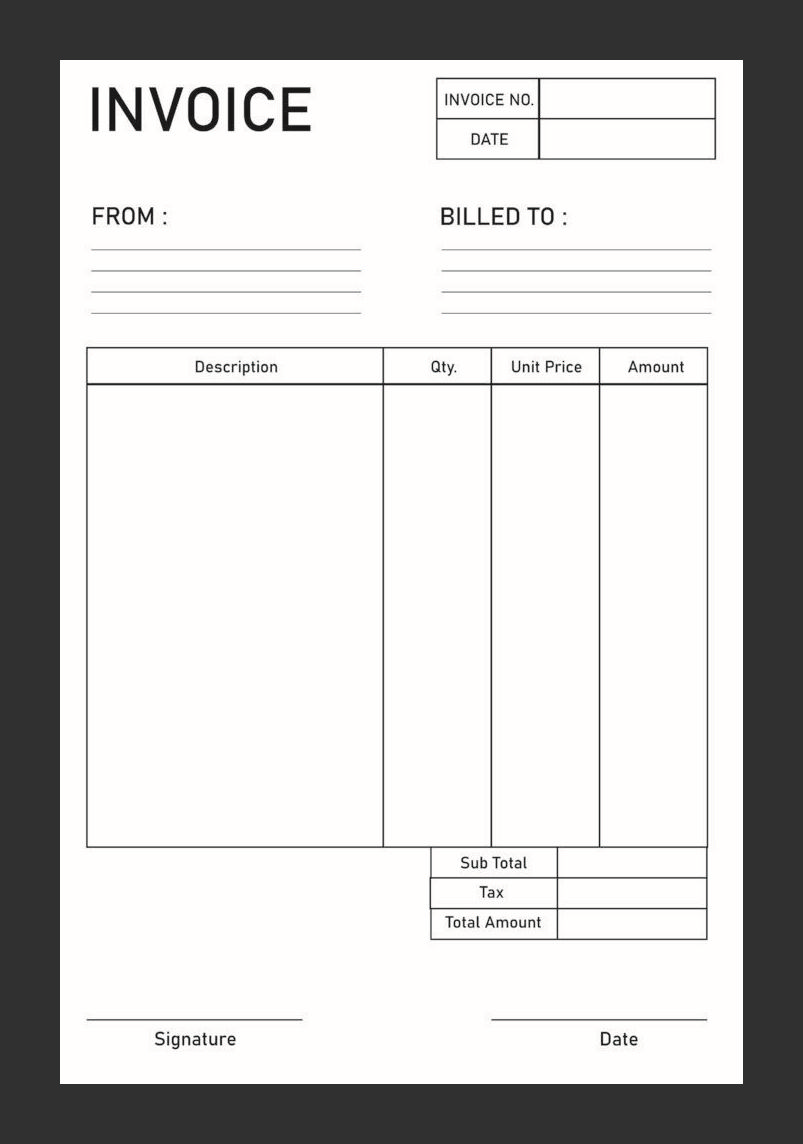
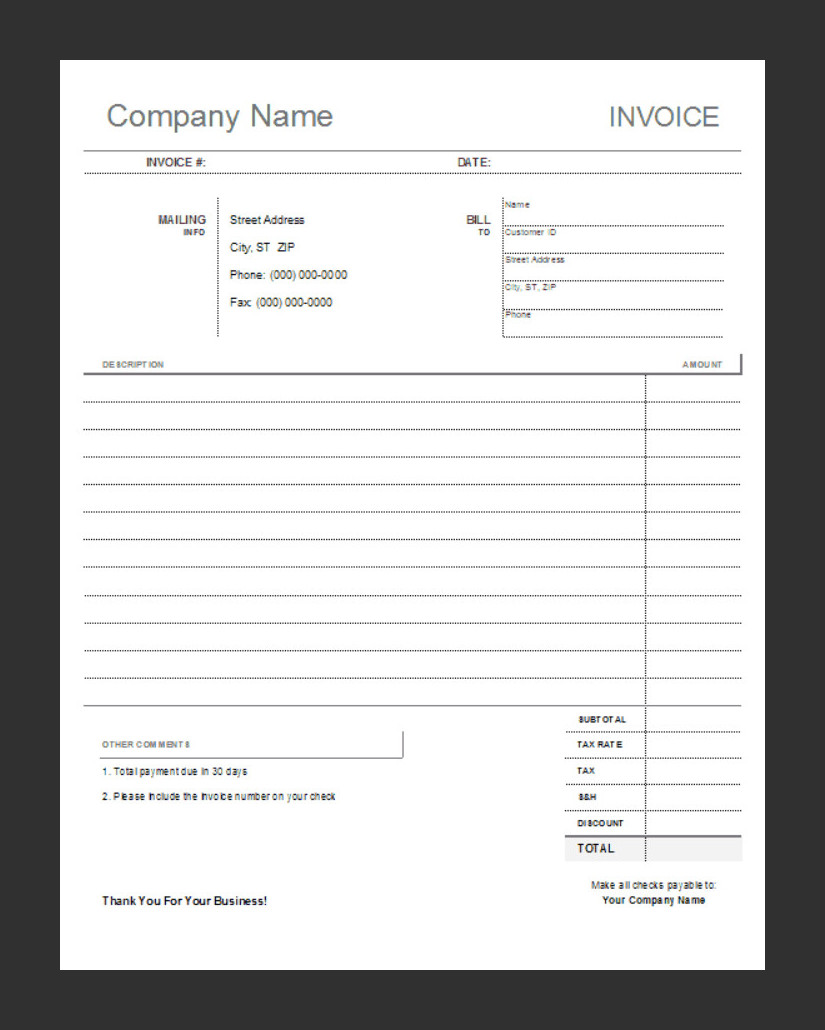
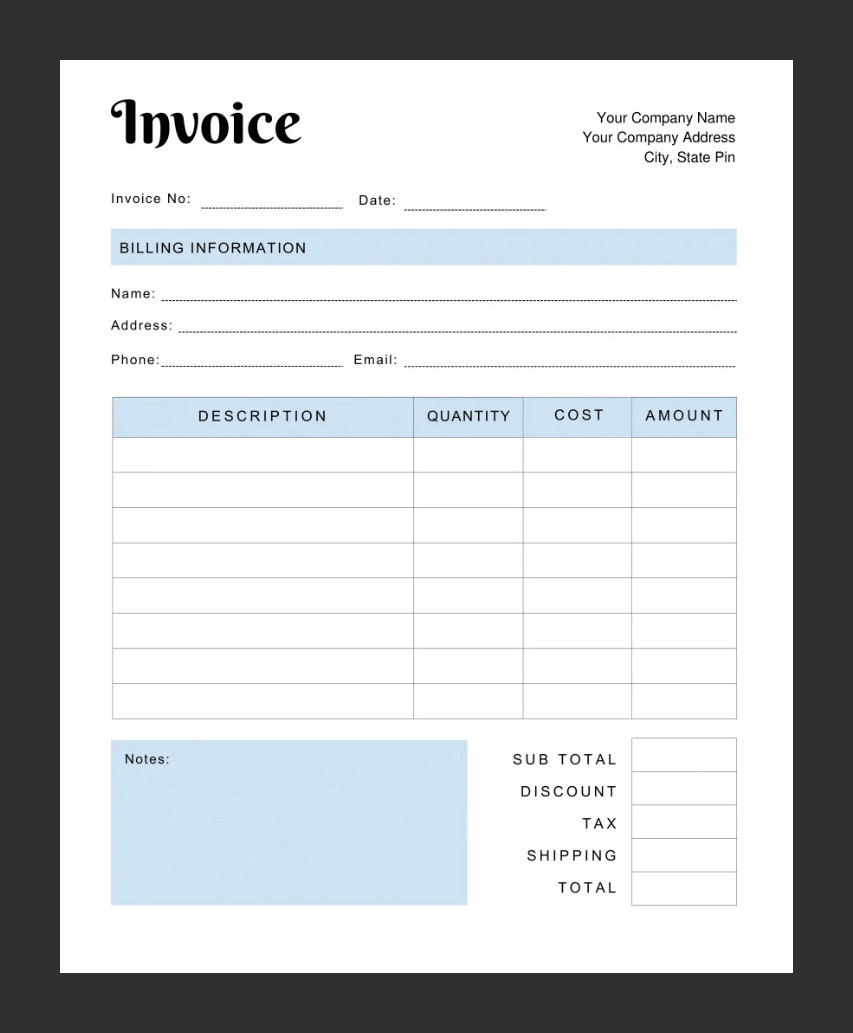
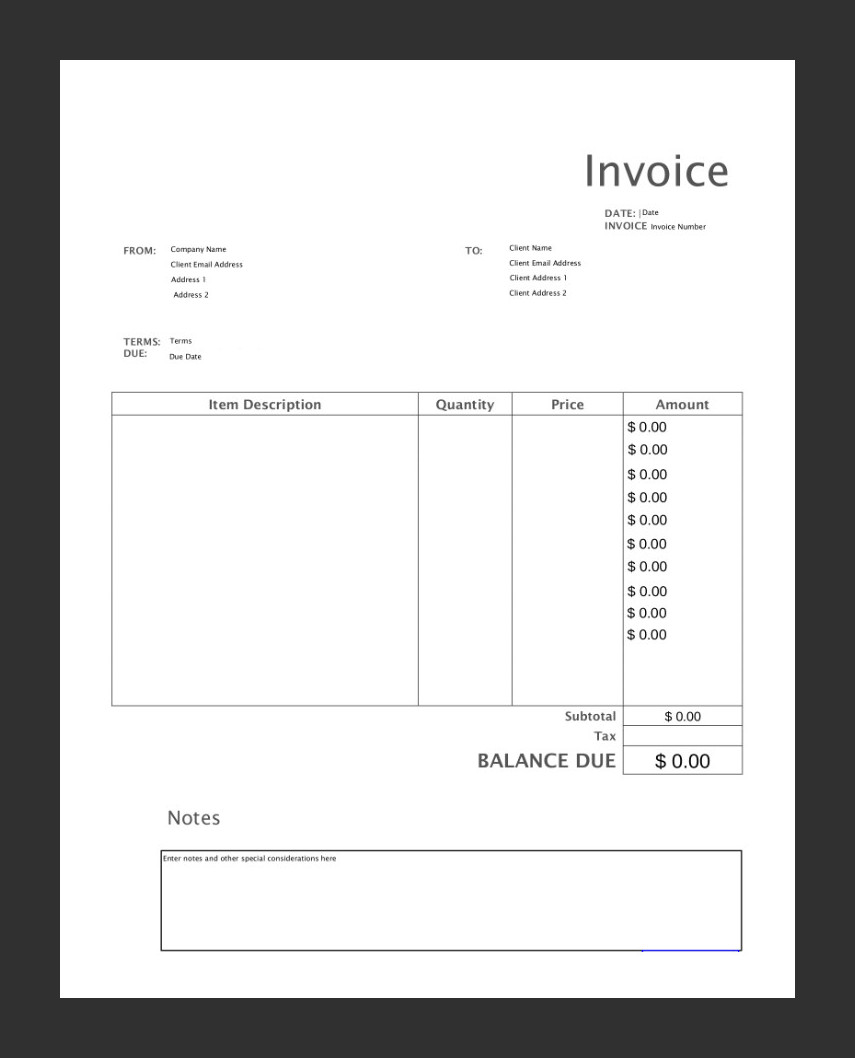
A self-employed invoice is a document that outlines the details of a transaction between a self-employed individual and their client. It serves as a formal request for payment for goods or services rendered. Invoices typically include information such as the name and contact information of both the self-employed individual and the client, a description of the goods or services provided, the amount owed, payment terms, and due date.
Why are Self-Employed Invoices Important?
Self-employed invoices are crucial for several reasons. Firstly, they serve as a record of the transaction, providing both parties with a clear outline of the services provided and the agreed-upon payment terms. Invoices also help self-employed individuals keep track of their income and expenses, which is essential for budgeting and tax purposes. Additionally, having a professional invoicing system in place can help establish credibility and trust with clients, leading to repeat business and referrals.
What to Include in a Self-Employed Invoice
When creating a self-employed invoice, it is important to include the following key information:
- Business name and contact information: Include your full name or business name, address, phone number, and email address.
- Client information: Include the client’s name, address, phone number, and email address.
- Invoice number and date: Assign a unique invoice number and include the date the invoice was issued.
- Description of services: Provide a detailed description of the goods or services provided, including quantity, rate, and total amount.
- Payment terms: Clearly outline the payment terms, including the due date and accepted payment methods.
- Total amount due: Calculate the total amount owed, including any taxes or discounts, and clearly display it on the invoice.
Examples
How to Create a Self-Employed Invoice
Creating a self-employed invoice is a relatively straightforward process. There are several tools and software available that can help streamline the invoicing process, such as online invoicing platforms or accounting software. Alternatively, you can create a simple invoice template using Microsoft Word or Excel. Make sure to customize the template with your business logo and branding for a professional look. Once the invoice is complete, you can send it to your client via email or traditional mail.
Tips for Successful Invoicing
To ensure smooth and efficient invoicing processes, consider implementing the following tips:
- Be clear and concise: Clearly outline the details of the transaction on the invoice to avoid any confusion.
- Set payment terms: Establish clear payment terms, including due dates and late payment fees, to encourage timely payments.
- Follow up: Send friendly reminders for unpaid invoices and follow up with clients to resolve any payment issues promptly.
- Keep accurate records: Maintain organized records of all invoices issued and payments received for easy reference.
- Stay professional: Maintain a professional demeanor when communicating with clients about invoicing matters to uphold your reputation.
- Seek professional help: Consider hiring a bookkeeper or accountant to assist with invoicing and financial management tasks if needed.
In conclusion, self-employed invoicing is an essential aspect of managing a self-employed business effectively. By understanding what self-employed invoices are, why they are important, what to include in them, how to create them, and implementing tips for successful invoicing, self-employed individuals can ensure a smooth and efficient invoicing process that helps them get paid on time and maintain positive relationships with their clients.
