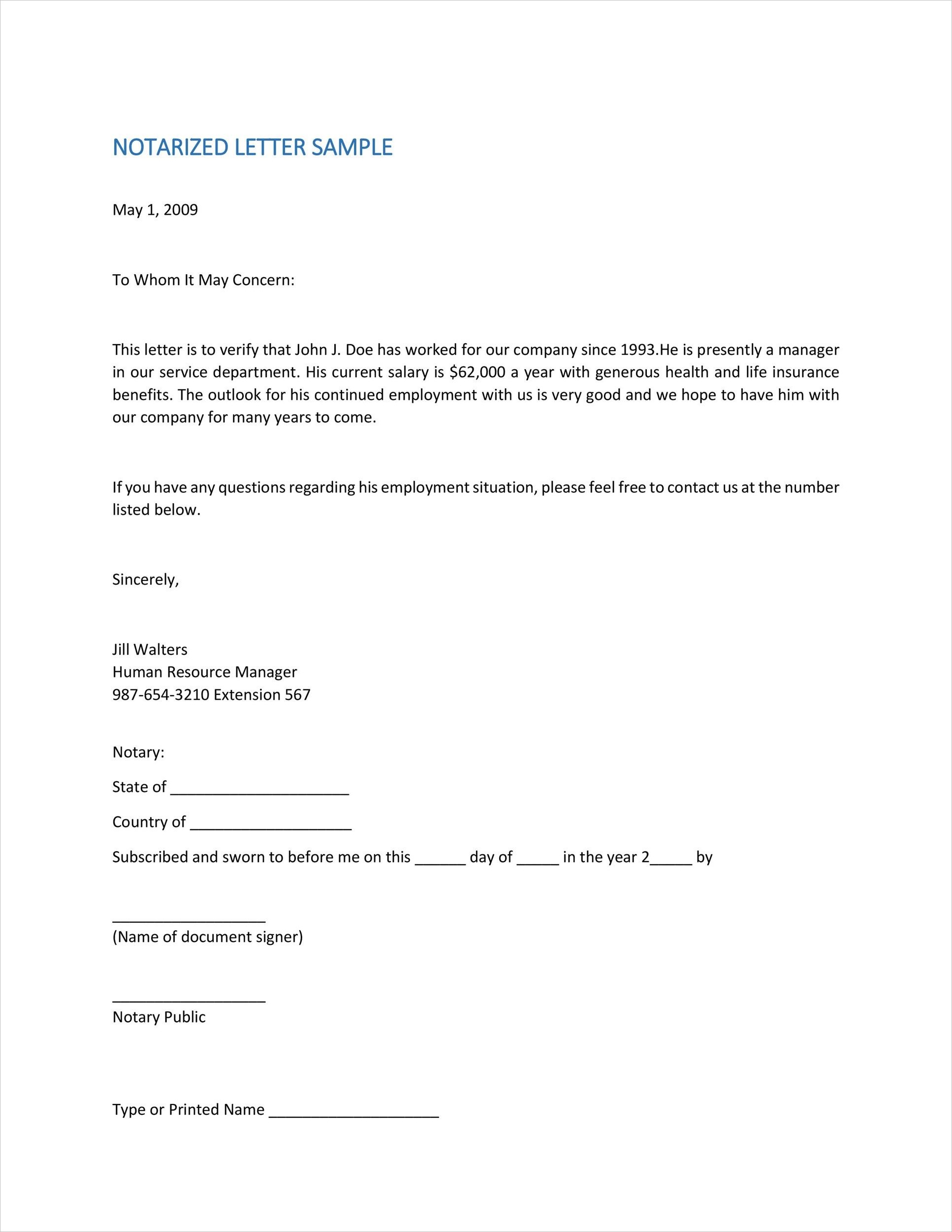
What is a Notarized Letter?
A notarized letter is a document that has been certified by a notary public. This means that the notary public has verified the identities of the signatories and has witnessed the signing of the document. Notarized letters are commonly used for a variety of legal and business purposes, such as confirming identity, authorizing someone to act on your behalf, or providing proof of residency.
Why Use a Notarized Letter?
There are several reasons why you might need to use a notarized letter. Notarized letters provide an extra layer of authenticity and credibility to the document, making it more legally binding and difficult to dispute. In some cases, a notarized letter may be required by law or by a particular organization, such as a bank or government agency. By having a document notarized, you can ensure that it will be accepted as valid and enforceable.
What to Include in a Notarized Letter
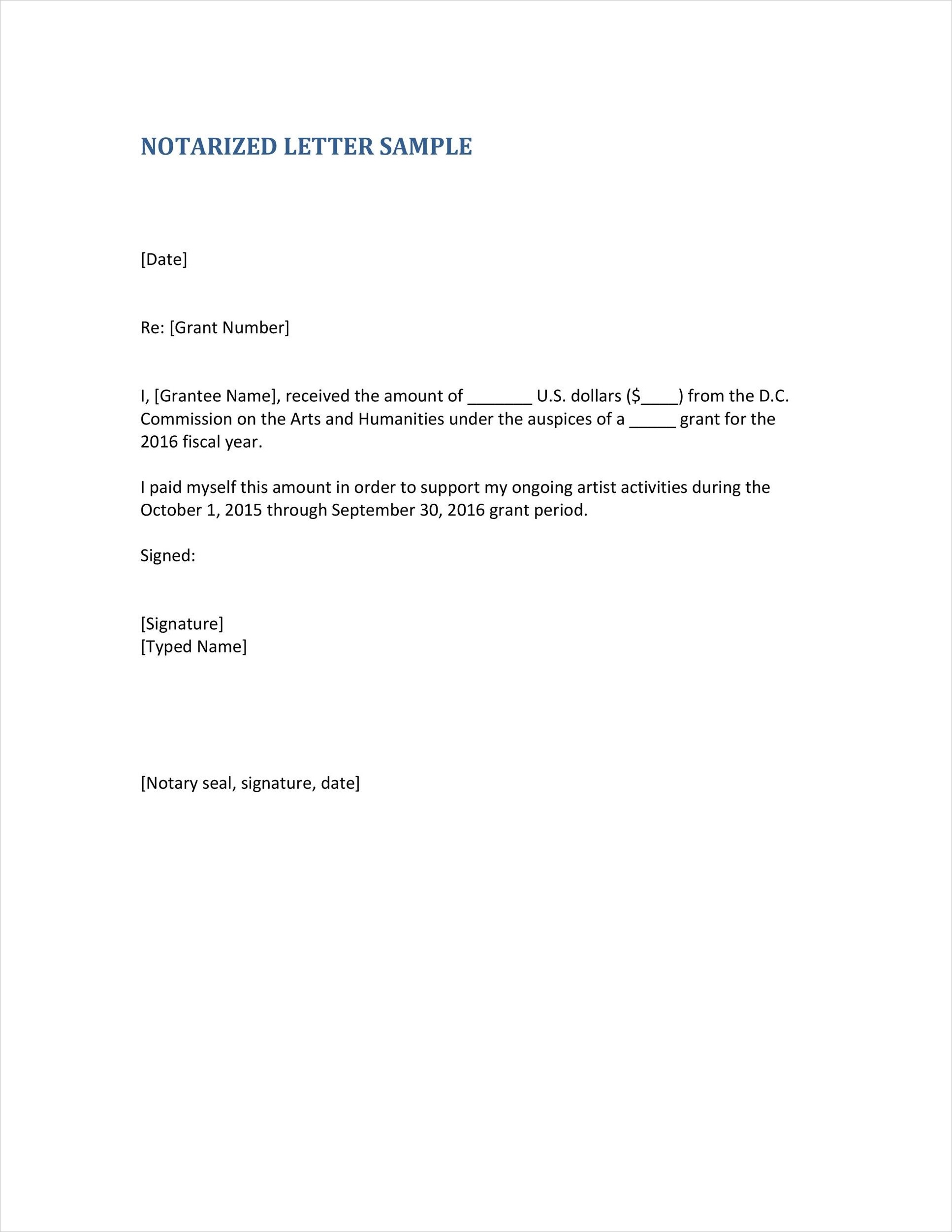
When preparing a notarized letter, there are certain key elements that should be included to ensure its validity:
- Identification: Include the full names and addresses of all parties involved in the letter.
- Date: Clearly state the date on which the letter is being signed.
- Statement of Intent: Clearly outline the purpose of the letter and the actions or permissions being granted.
- Signature: All parties involved must sign the letter in the presence of a notary public.
- Notary Seal: The notary public will affix their seal and signature to the document to certify its authenticity.
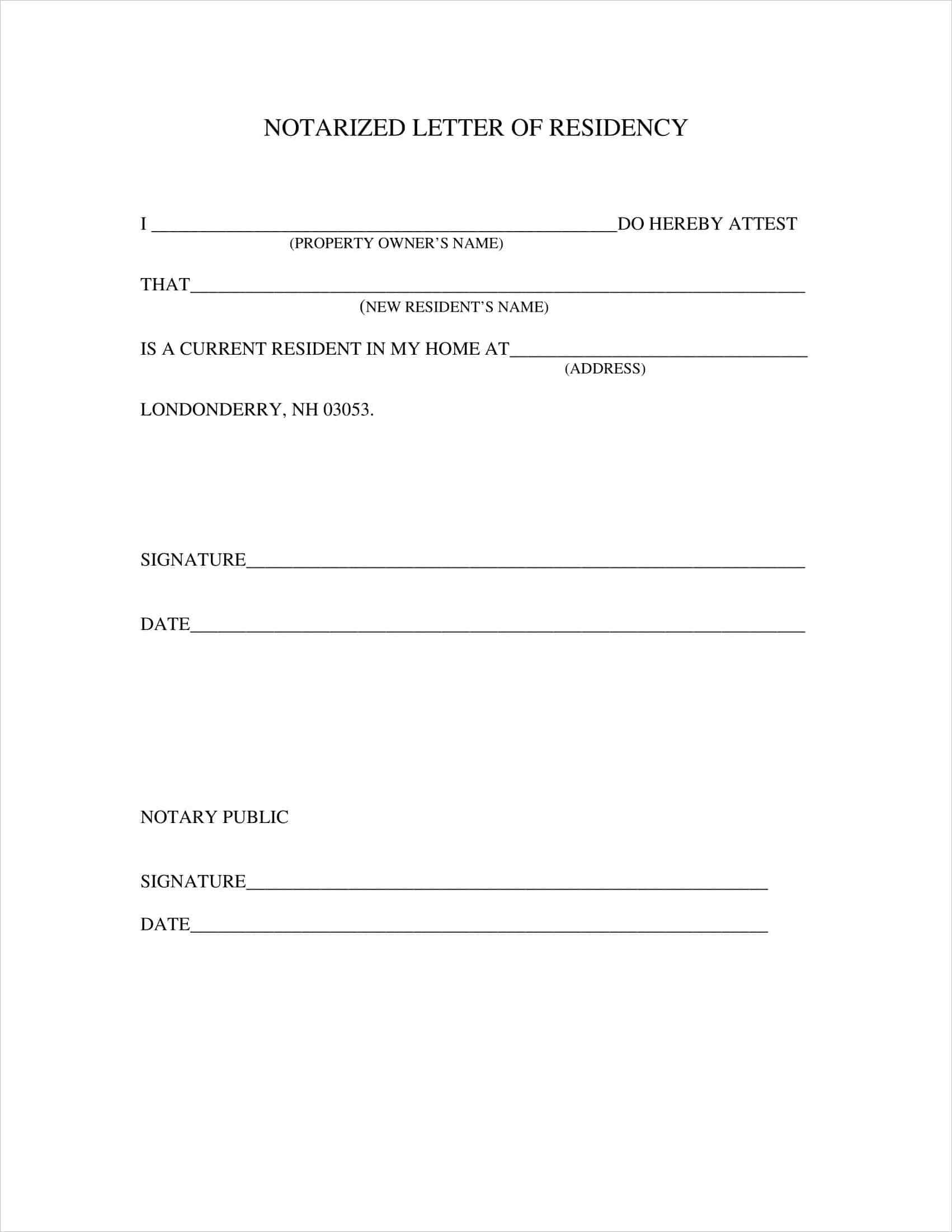
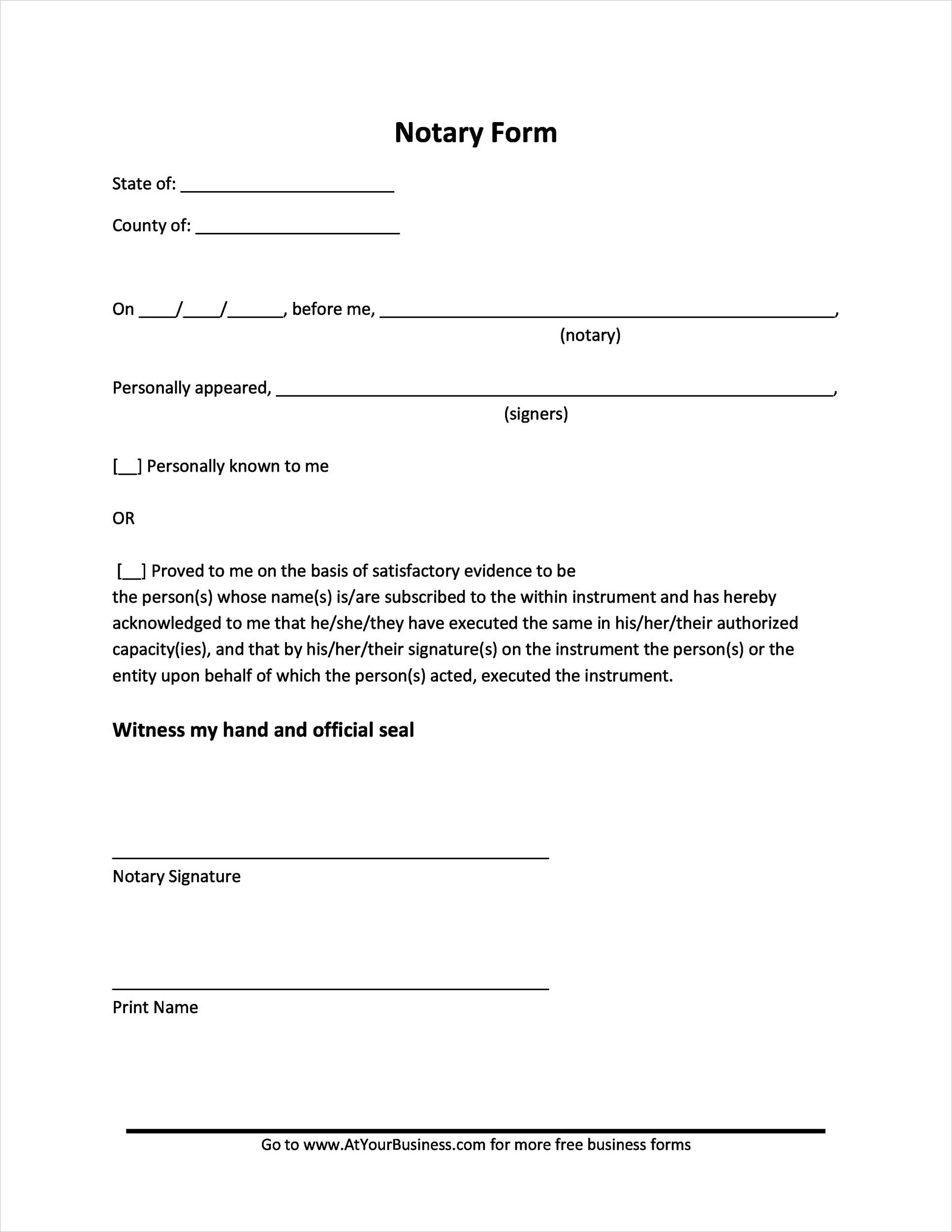
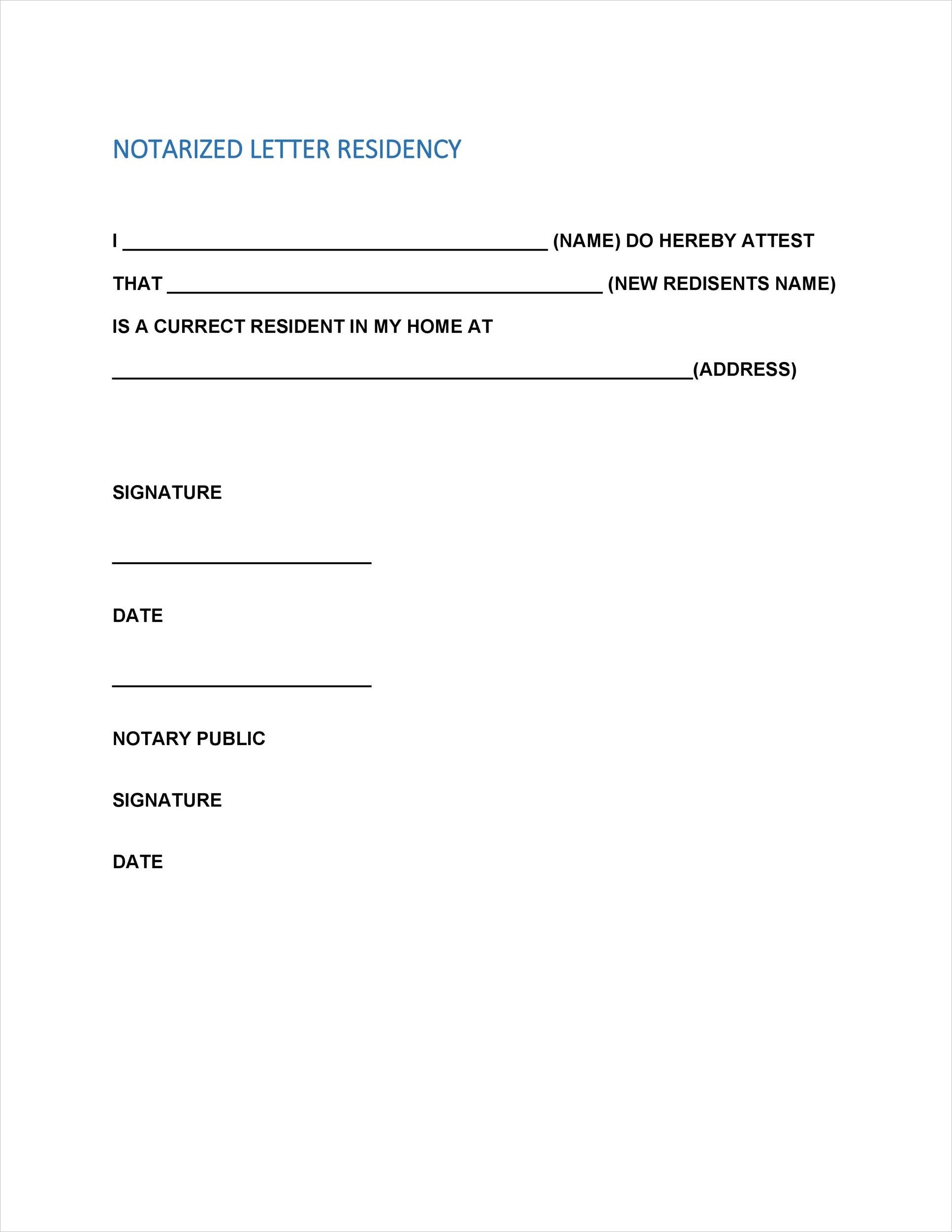
How to Notarize a Letter
To notarize a letter, follow these simple steps:
- Prepare the letter with all necessary information and signatures.
- Find a licensed notary public in your area.
- Bring the letter and a valid form of identification to the notary public.
- Sign the letter in the presence of the notary public.
- Have the notary public affix their seal and signature to the document.
Tips for Successful Notarized Letters
When creating a notarized letter, keep these tips in mind for a smooth and successful process:
- Plan Ahead: Give yourself plenty of time to prepare and notarize the letter to avoid any last-minute complications.
- Double-Check Information: Ensure all names, dates, and details in the letter are accurate and up-to-date.
- Bring Proper Identification: Make sure to bring a valid form of identification with you when meeting with the notary public.
- Follow Notary Instructions: Listen carefully to the notary public and follow their instructions for signing and sealing the letter.
- Keep Copies: Make copies of the notarized letter for your records before sending it off to its intended recipient.
