When it comes to running a business, having the right equipment is essential. However, not all businesses have the capital to purchase machinery outright. This is where a machine lease agreement can come in handy. In this article, we will explore what a machine lease agreement is, why it can be beneficial for your business, what to include in the agreement, how to go about getting one, and some tips for successful lease agreements.
What is a Machine Lease Agreement?
A machine lease agreement is a contract between a lessor (the owner of the equipment) and a lessee (the business or individual renting the equipment) that allows the lessee to use the equipment for a specified period of time in exchange for regular payments. This type of agreement is commonly used for businesses that need access to expensive machinery but may not have the funds to purchase it outright.
Why Consider a Machine Lease Agreement?
There are several reasons why a business might choose to enter into a machine lease agreement rather than purchasing equipment outright. Some of the benefits of leasing equipment include:
- Cost-Effective: Leasing equipment can be a more cost-effective option for businesses that do not have the capital to purchase machinery outright.
- Flexibility: Leasing allows businesses to upgrade to newer equipment as their needs change without the hassle of selling old equipment.
- Conservation of Capital: Leasing equipment allows businesses to conserve their capital for other investments or expenses.
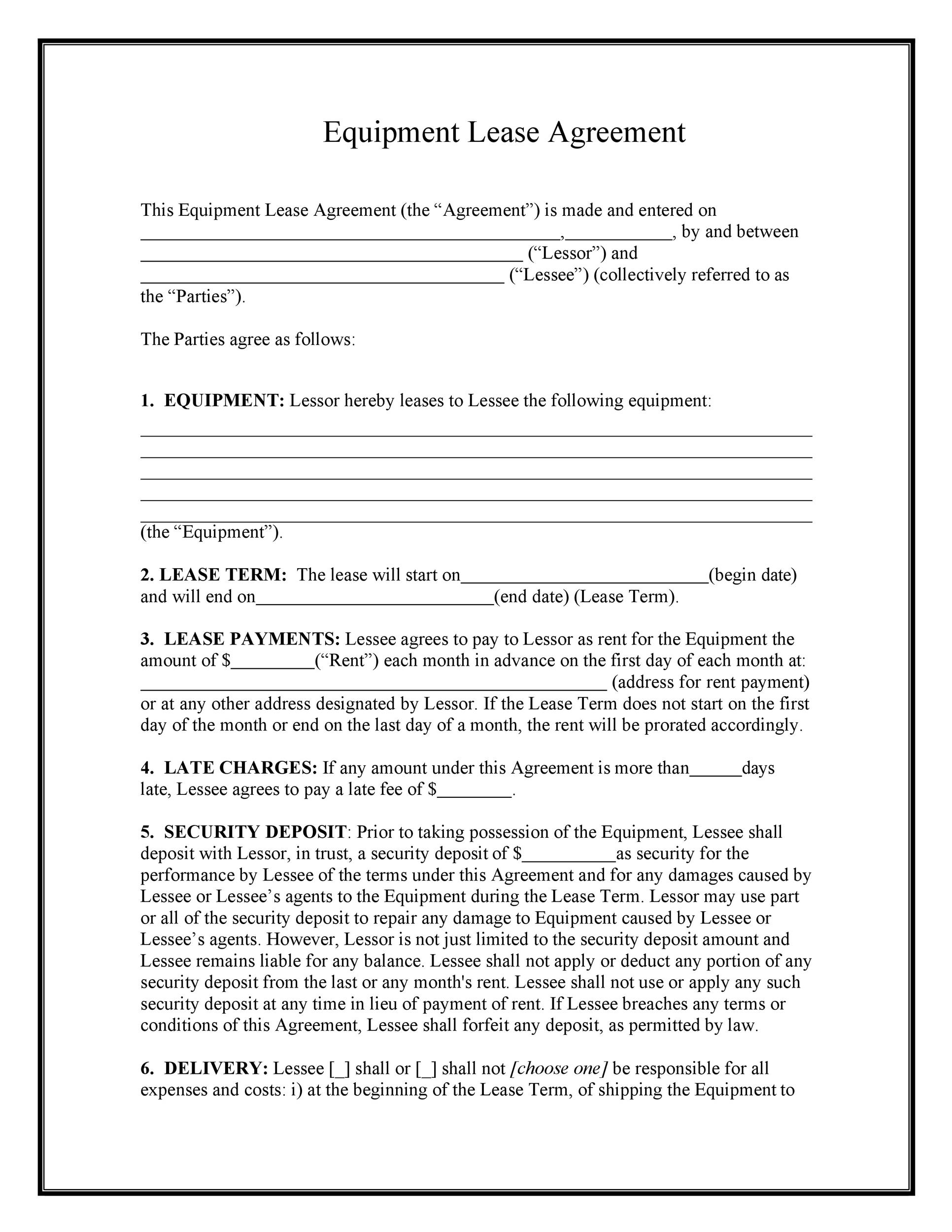
What to Include in a Machine Lease Agreement
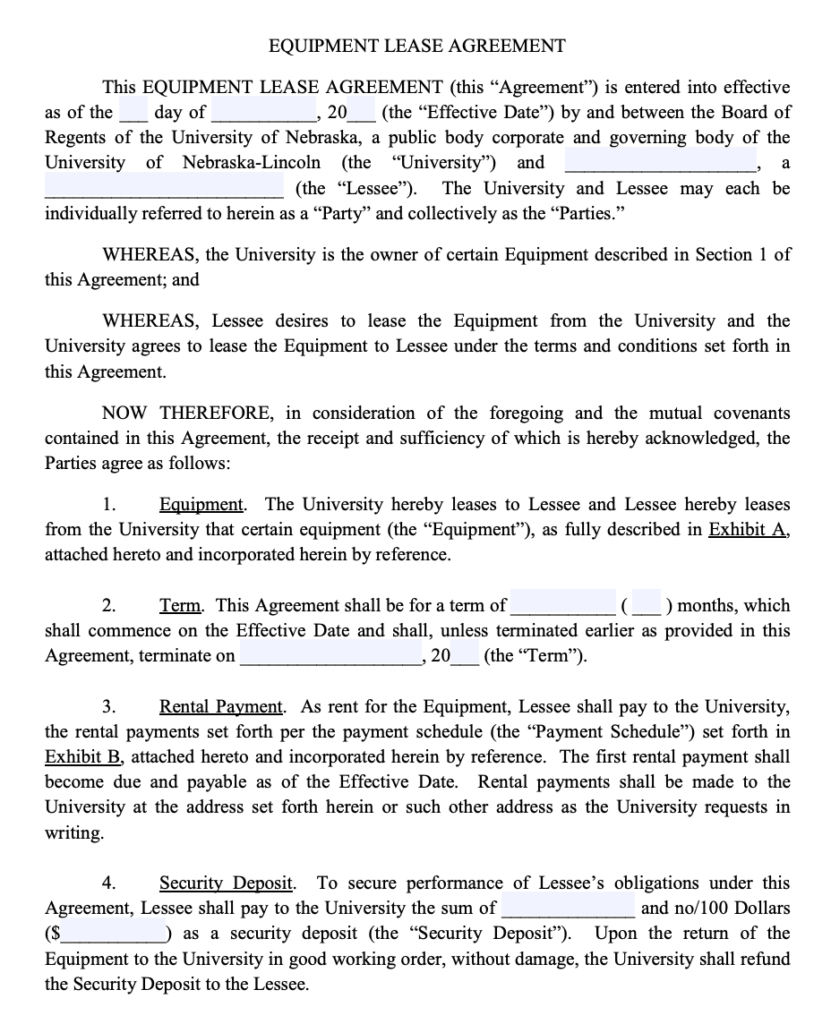
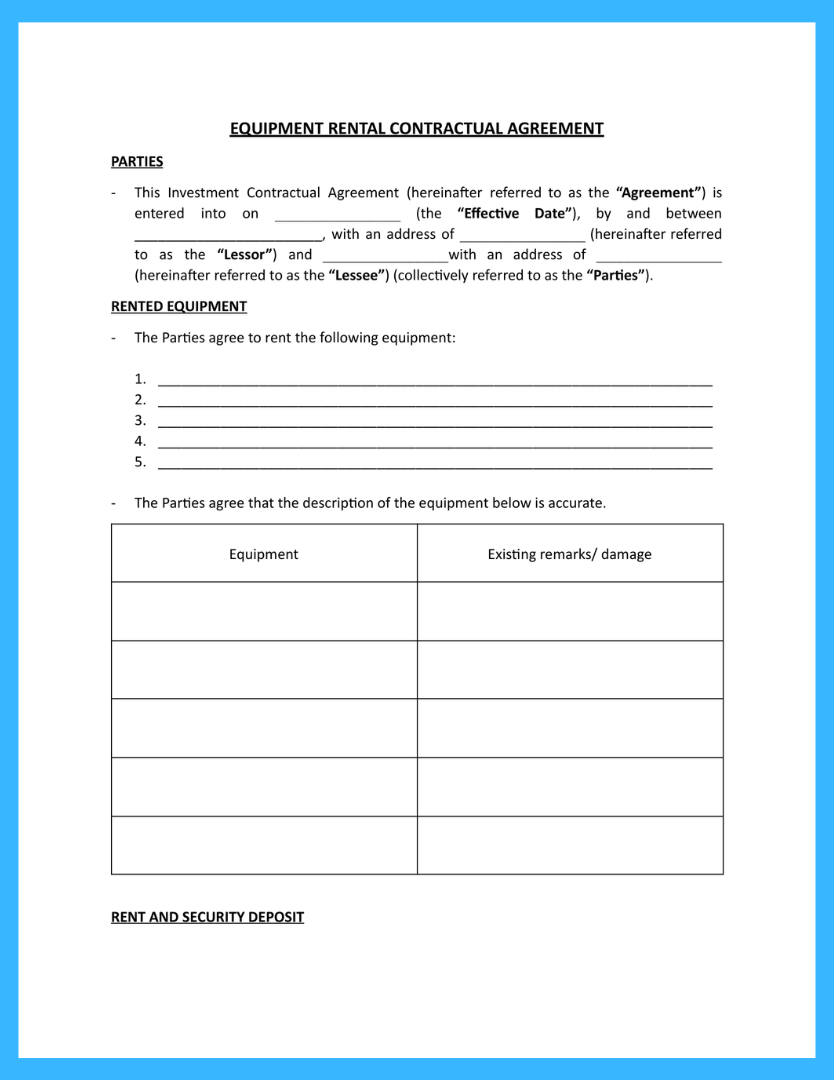
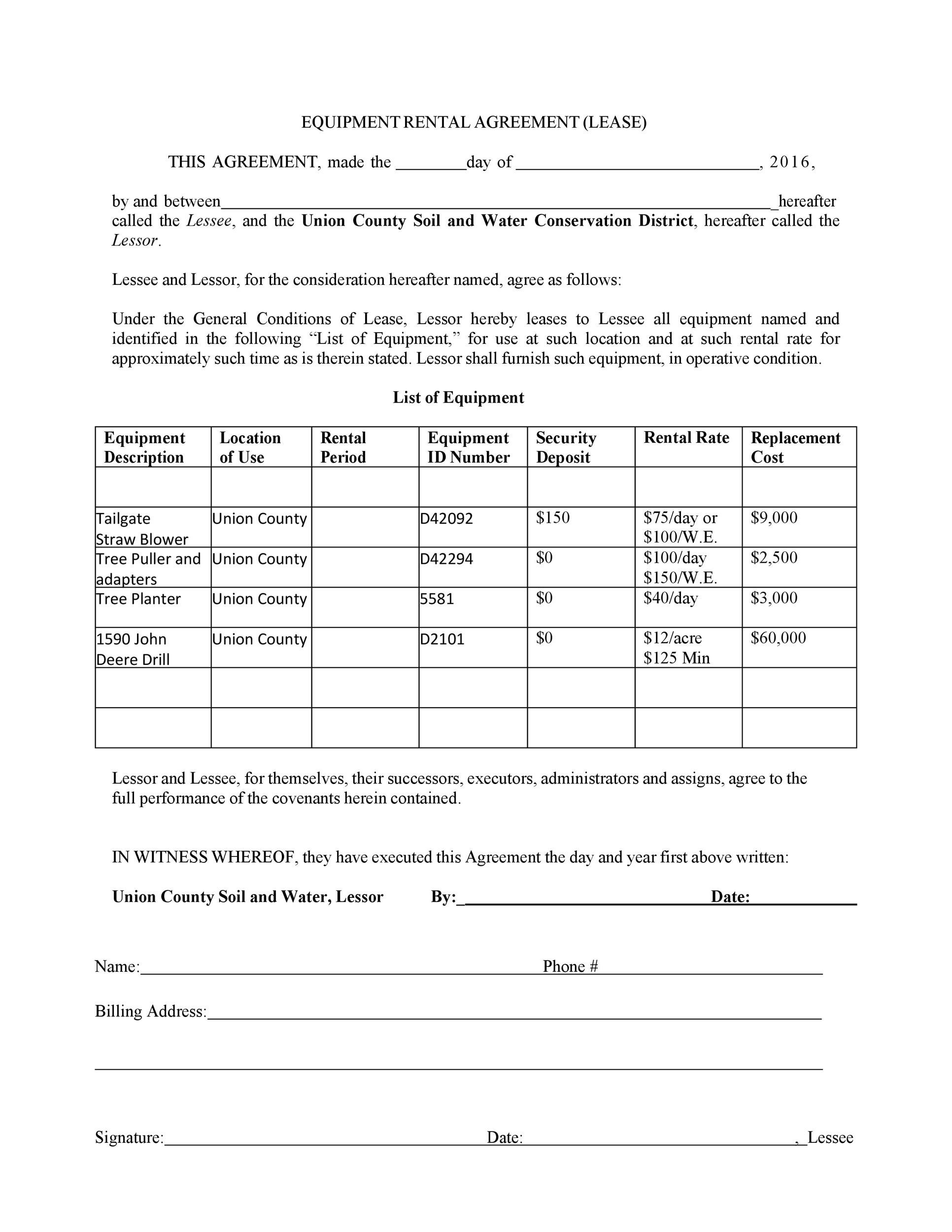
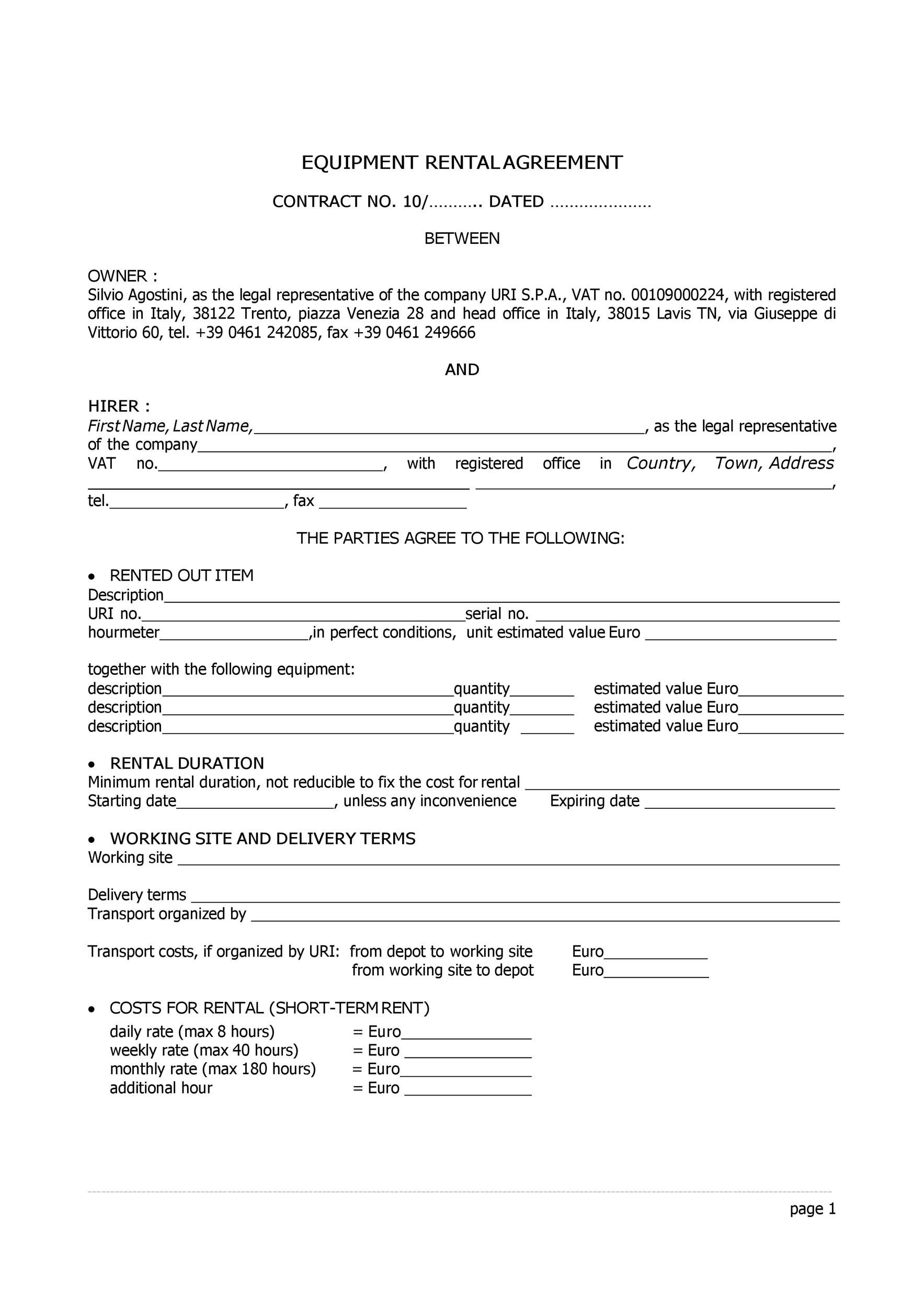
When drafting a machine lease agreement, it is important to include specific details to protect both parties involved. Some key elements to include in the agreement are:
- Identification of Parties: Clearly identify the lessor and lessee in the agreement.
- Description of Equipment: Provide a detailed description of the equipment being leased, including serial numbers and any accessories.
- Term of Lease: Specify the length of the lease agreement, including start and end dates.
- Payment Terms: Outline the payment schedule, including the amount and frequency of payments.
- Insurance Requirements: Specify who is responsible for maintaining insurance coverage on the equipment.
How to Obtain a Machine Lease Agreement
Obtaining a machine lease agreement involves several steps, including:
- Research: Research different leasing companies to find one that offers terms that suit your business needs.
- Negotiation: Negotiate the terms of the lease agreement, including payment terms and the length of the lease.
- Review: Carefully review the agreement before signing to ensure all terms are clear and acceptable.
- Sign: Once both parties are satisfied with the terms, sign the agreement to make it legally binding.
Tips for Successful Machine Lease Agreements
When entering into a machine lease agreement, keep the following tips in mind to ensure a successful partnership:
- Read the Fine Print: Carefully review all terms and conditions before signing the agreement.
- Communicate Clearly: Maintain open communication with the lessor throughout the term of the lease.
- Maintain the Equipment: Take good care of the leased equipment to avoid additional fees for damages.
- Plan Ahead: Consider your business’s future needs when negotiating the terms of the lease agreement.
Conclusion
A machine lease agreement can be a valuable tool for businesses looking to access expensive equipment without the upfront costs of purchasing. By understanding what to include in the agreement, how to obtain one, and following some key tips, businesses can enter into successful lease agreements that benefit both parties involved.
Machine Lease Agreement Template
