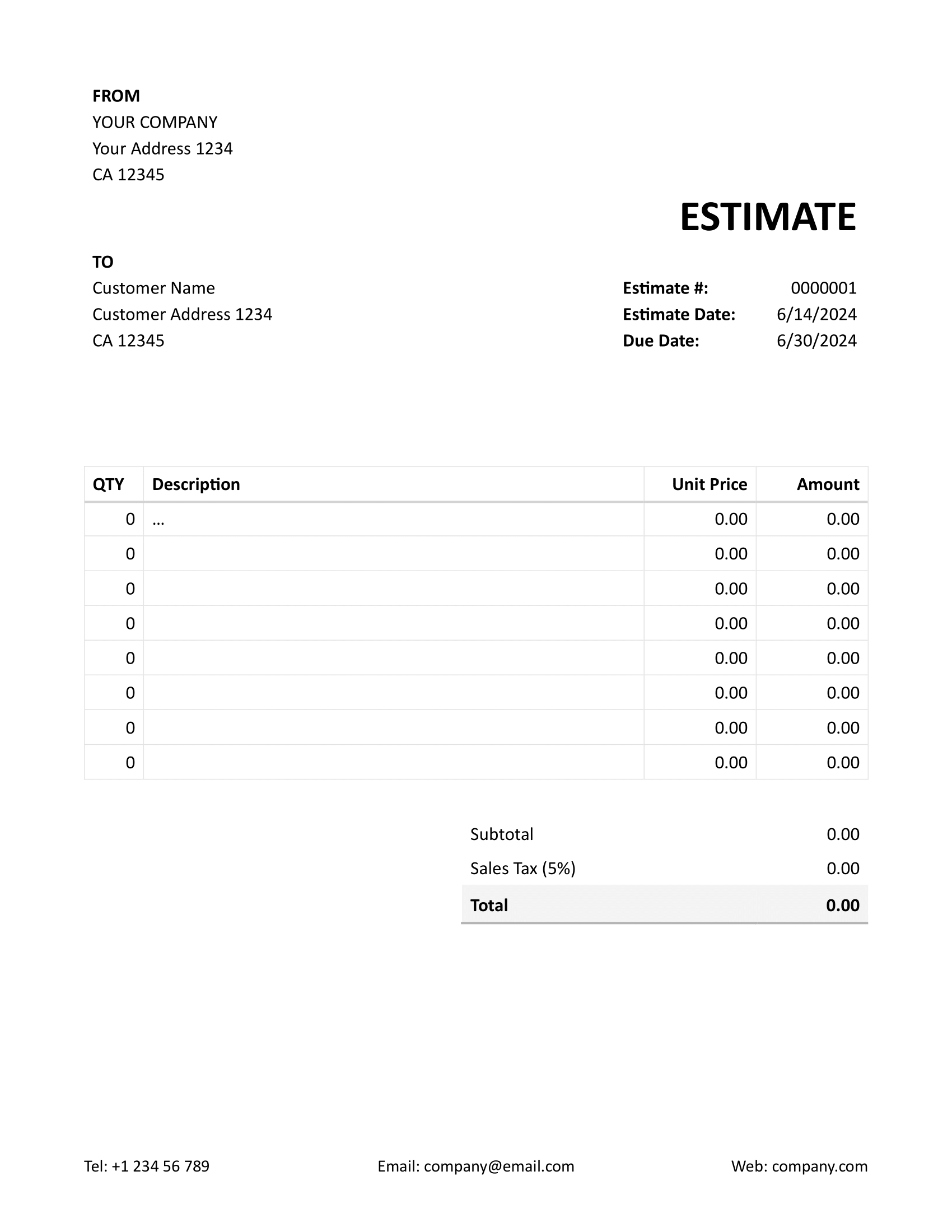
When it comes to any type of project, whether big or small, having a job estimate is crucial. A job estimate provides a detailed breakdown of the costs associated with a project, helping both the client and the contractor understand the scope of work and the financial implications. In this comprehensive guide, we will explore what job estimates are, why they are important, what to include in a job estimate, how to create one, and tips for successful job estimating.
What is a Job Estimate?
A job estimate is a document that outlines the expected costs and timeline for a specific project. It serves as a preliminary agreement between the contractor and the client, detailing the scope of work, materials needed, labor costs, and any other expenses associated with the project. Job estimates are typically provided before any work begins to ensure that both parties are on the same page regarding the project’s requirements and costs.
Creating a job estimate requires careful consideration of all the factors that could impact the project’s cost and timeline. It is essential to be thorough and accurate in estimating the costs to avoid any surprises or disputes later on. Job estimates are commonly used in construction, home improvement, landscaping, and other service-based industries.
Why are Job Estimates Important?
Job estimates are essential for several reasons. Firstly, they help clients understand the costs associated with a project upfront, allowing them to budget accordingly and make informed decisions. Secondly, job estimates provide contractors with a clear understanding of the scope of work and the resources required to complete the project successfully. This helps prevent misunderstandings and ensures that both parties are aligned on expectations.
Additionally, job estimates serve as a legal document that can protect both the client and the contractor in case of any disputes or disagreements. By documenting the agreed-upon costs and scope of work in writing, job estimates provide a reference point that can be used to resolve any issues that may arise during the project.
What to Include in a Job Estimate
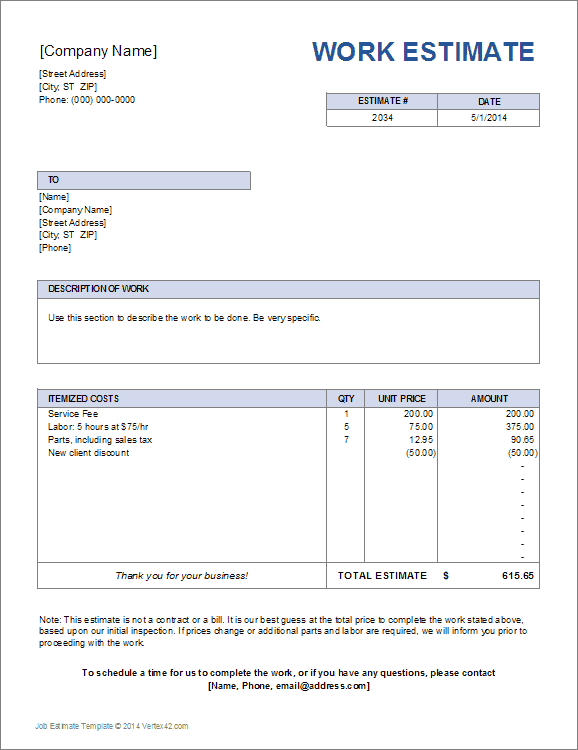
When creating a job estimate, it is important to include all relevant information to provide a comprehensive overview of the project. Here are some key elements to include in a job estimate:
- Project Description: Provide a detailed description of the project, including the scope of work and any specific requirements.
- Cost Breakdown: Break down the costs of materials, labor, equipment, and any other expenses associated with the project.
- Timeline: Estimate the time required to complete the project, including start and end dates.
- Terms and Conditions: Outline the terms of the agreement, including payment schedule, warranties, and any other relevant information.
- Contact Information: Include contact information for both the client and the contractor for easy communication.
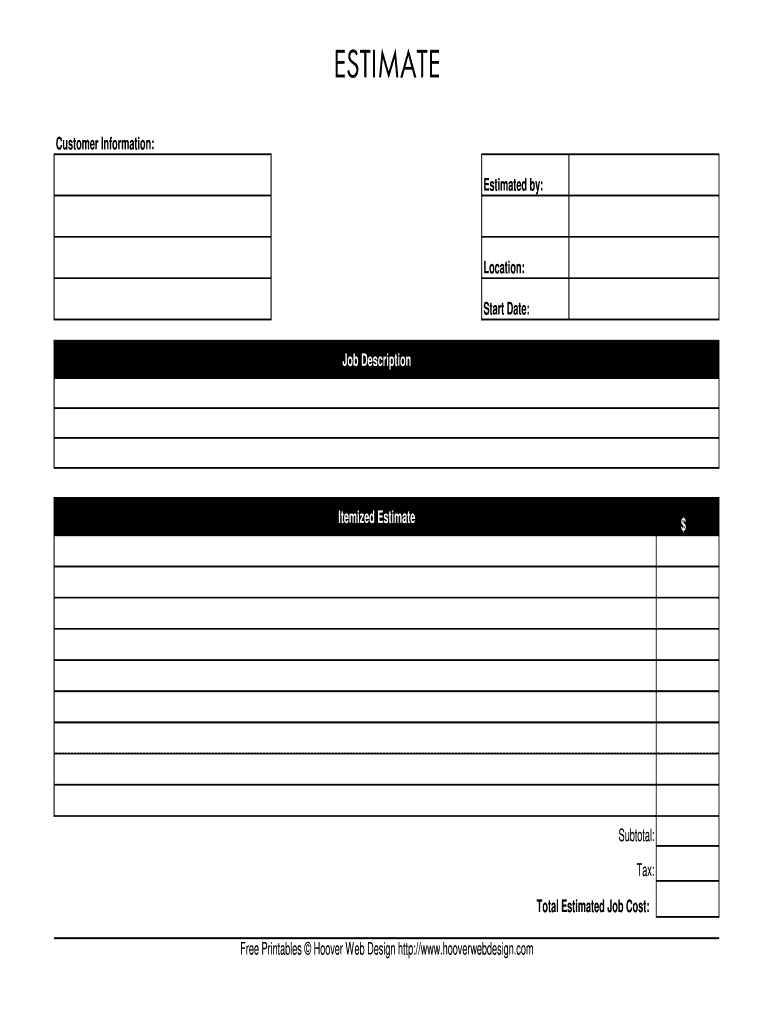
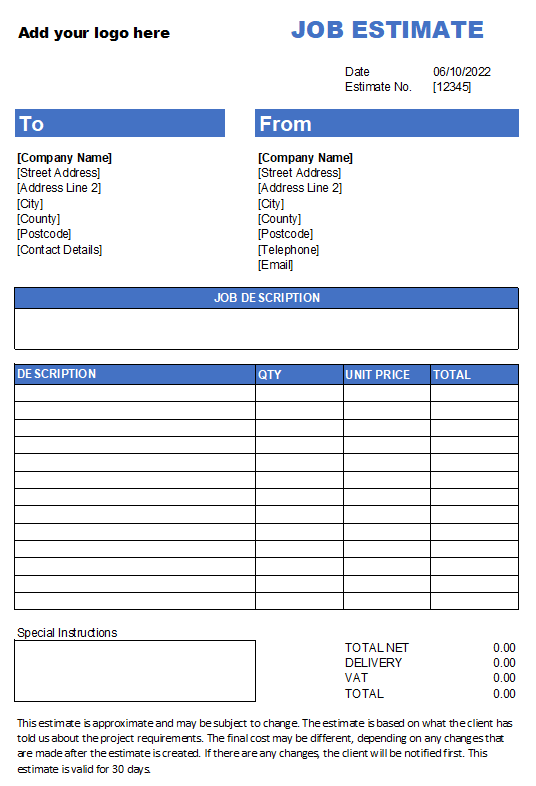
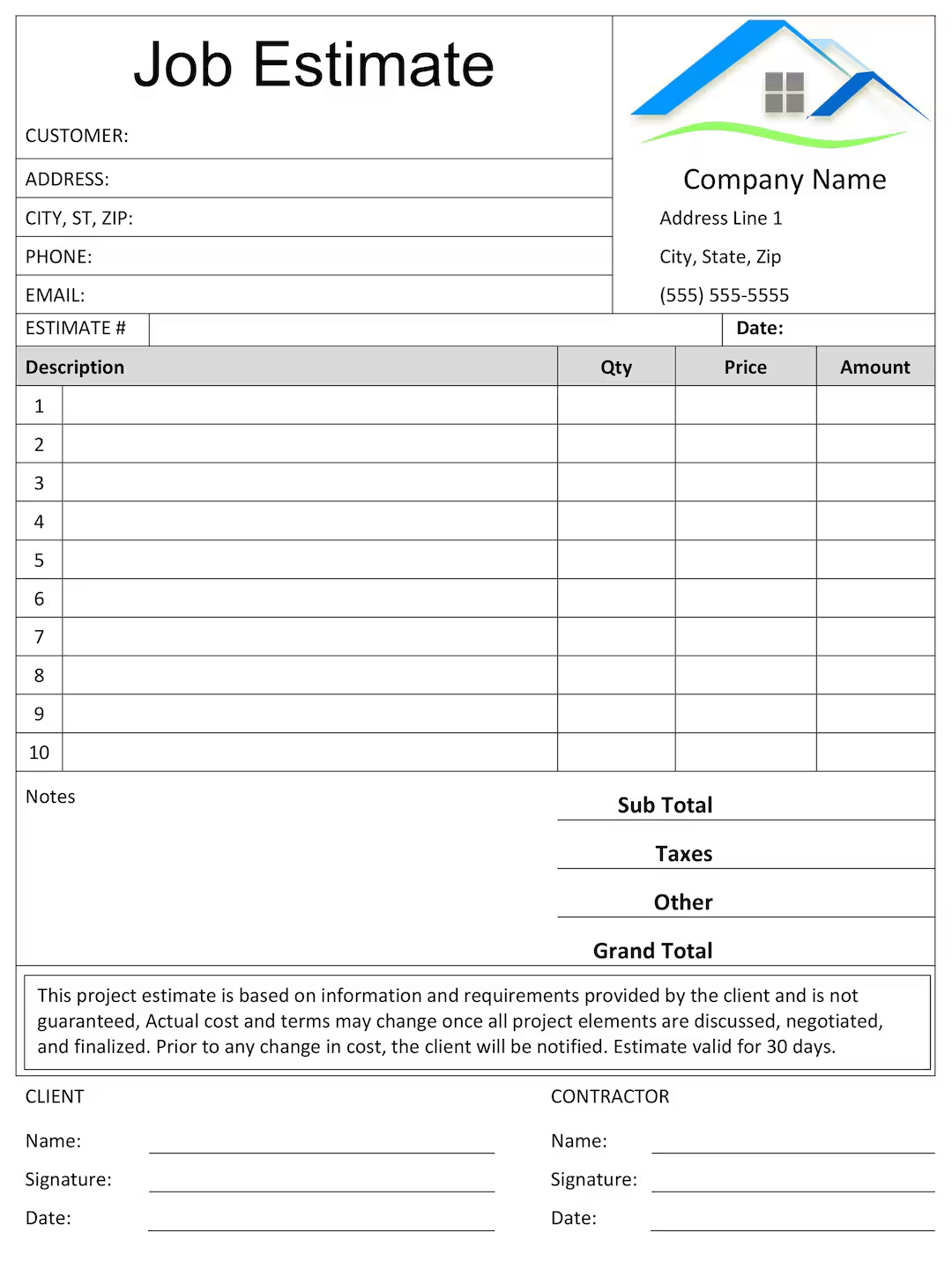
How to Create a Job Estimate
Creating a job estimate involves several steps to ensure accuracy and clarity. Here is a step-by-step guide on how to create a job estimate:
1. Gather Information: Collect all the relevant details about the project, including the scope of work, materials needed, labor costs, and any other expenses.
2. Calculate Costs: Estimate the costs of materials, labor, and other expenses based on the project requirements.
3. Factor in Overheads: Consider any overhead costs, such as insurance, permits, and equipment rental, that may impact the project’s cost.
4. Determine Profit Margin: Calculate a reasonable profit margin to ensure that the project is financially viable for your business.
5. Create the Estimate: Use a template or software to create a professional-looking job estimate that includes all the necessary information.
6. Review and Finalize: Double-check the estimate for accuracy and completeness before sending it to the client for approval.
Tips for Successful Job Estimating
Effective job estimating requires attention to detail and a thorough understanding of the project requirements. Here are some tips for successful job estimating:
- Be Thorough: Take the time to gather all the necessary information and consider all potential costs before creating the estimate.
- Use Templates: Utilize job estimate templates or software to streamline the estimating process and ensure consistency.
- Communicate Clearly: Clearly explain the scope of work, costs, and timeline to the client to avoid any misunderstandings.
- Include Contingency: Factor in a contingency amount in case of unexpected expenses or changes to the project scope.
- Review Regularly: Review and update your estimating process regularly to account for changes in costs or market conditions.
- Seek Feedback: Ask for feedback from clients on your job estimates to identify areas for improvement and enhance customer satisfaction.
In conclusion, job estimates are an essential tool for both clients and contractors to understand the costs and requirements of a project. By following the guidelines outlined in this guide, you can create accurate and comprehensive job estimates that set the stage for successful project completion. Remember to be thorough, communicate effectively, and continuously refine your estimating process to ensure the best results for your business and your clients.
