Meetings are an essential part of any organization’s workflow. They provide a platform for team members to collaborate, discuss important matters, and make decisions. However, meeting discussions can sometimes be lengthy and complex, making it crucial to have a meeting summary. In this comprehensive guide, we will explore everything you need to know about meeting summaries, including why they are important, what to include, how to create an effective summary, and tips for successful meeting summaries.
What is a Meeting Summary?
A meeting summary is a concise document that captures the key points discussed during a meeting. It serves as a record of what was covered, decisions made, action items assigned, and any other important information shared during the meeting. Meeting summaries are essential for keeping all team members on the same page, ensuring accountability, and providing a reference point for future meetings.
Why are Meeting Summaries Important?
Meeting summaries play a vital role in ensuring that everyone is aligned on the outcomes of a meeting. They help to clarify any misunderstandings, provide a reference point for future discussions, and hold team members accountable for their actions. Additionally, meeting summaries can save time by allowing team members to quickly review the key points of a meeting without having to rewatch or reread the entire discussion.
What to Include in a Meeting Summary
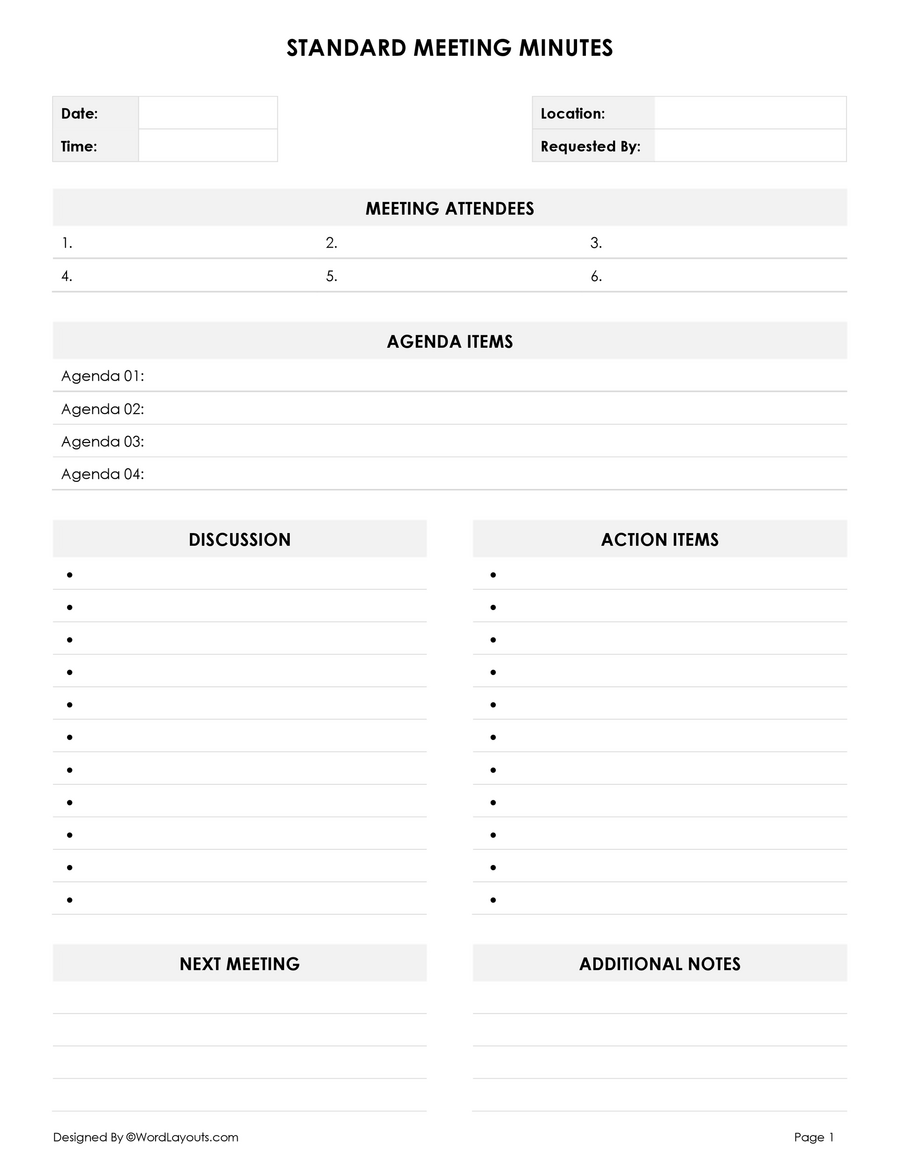
When creating a meeting summary, it is important to include the following key elements:
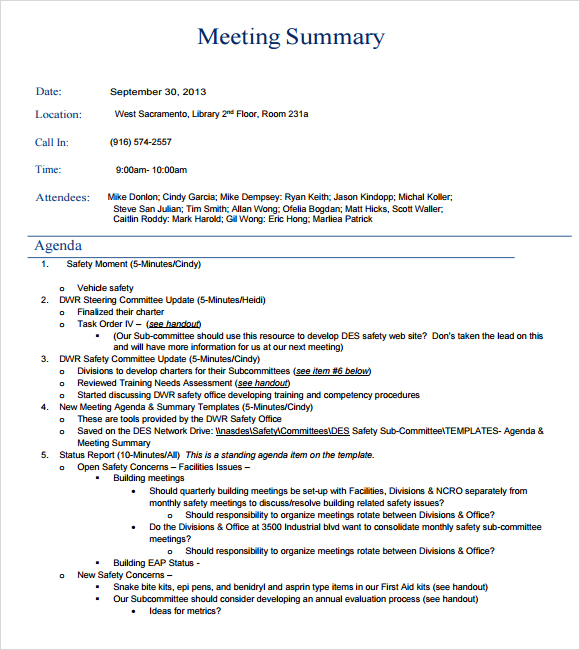
- Meeting Details: Date, time, location, and attendees.
- Agenda Items: A list of topics discussed during the meeting.
- Key Points: Summary of the main discussion points and decisions made.
- Action Items: Tasks assigned to specific team members with deadlines.
- Next Steps: Outline of what needs to be done before the next meeting.
- Additional Notes: Any other relevant information or follow-up needed.
How to Create an Effective Meeting Summary
Follow these steps to create an effective meeting summary:
1. Assign a Note-Taker
Designate someone to take notes during the meeting to ensure that all important points are captured accurately.
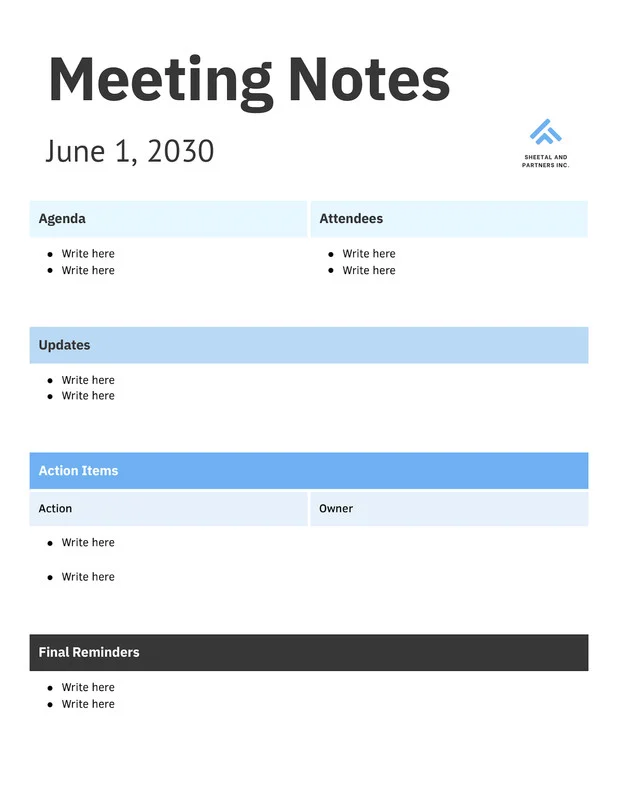
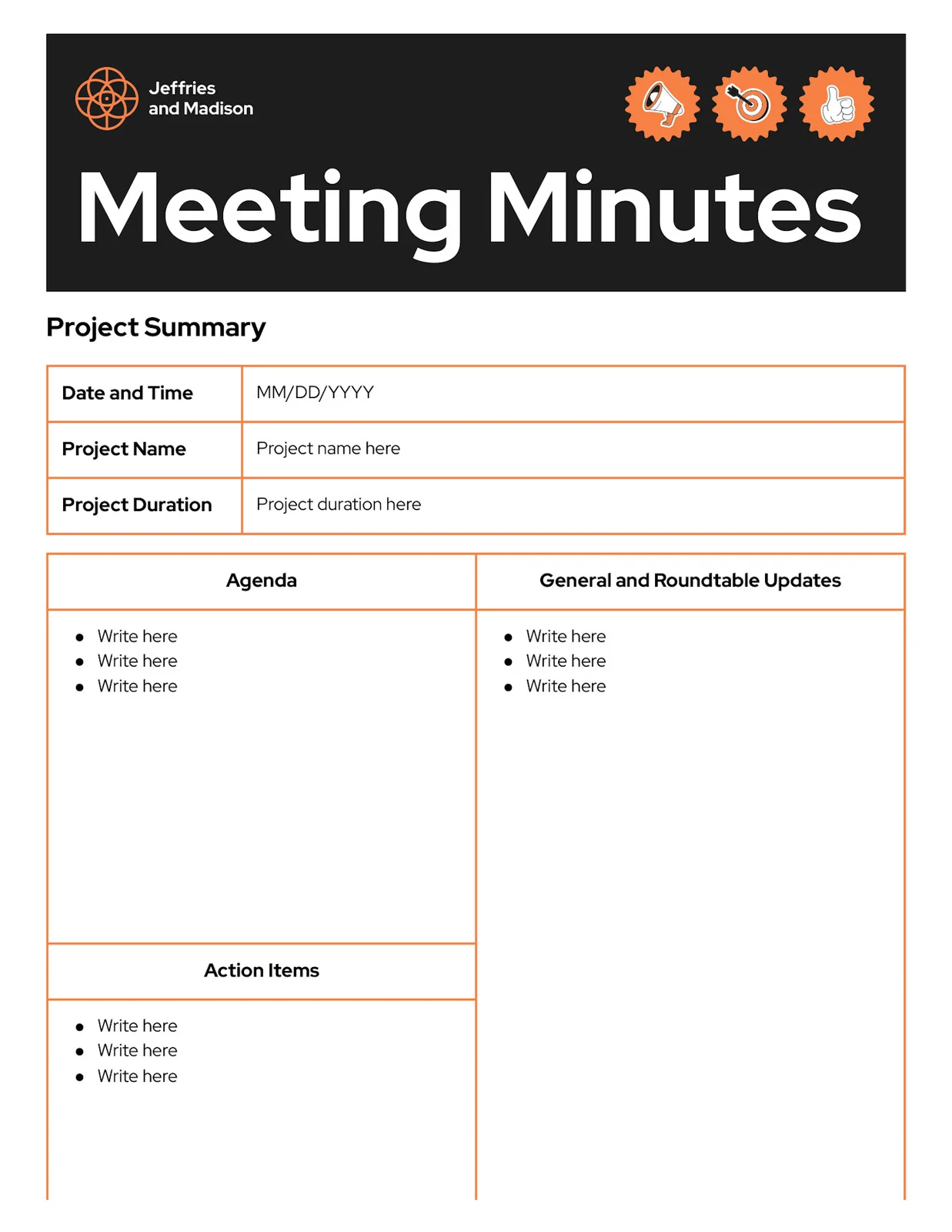
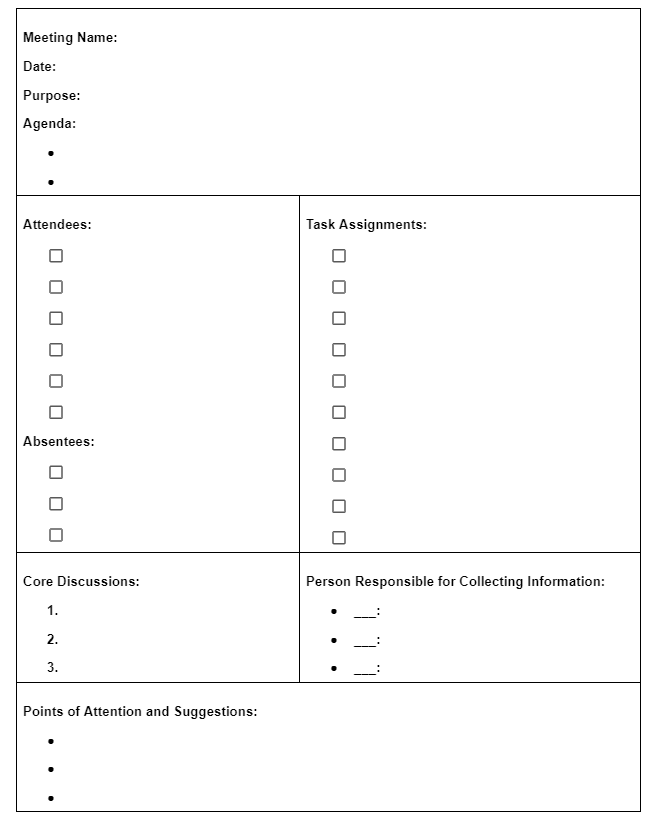
2. Use a Template
Utilize a meeting summary template to structure your notes and make sure all necessary information is included.
3. Be Concise
Avoid including unnecessary details in the meeting summary. Stick to the key points and action items.
4. Review and Edit
Before distributing the meeting summary, review and edit for clarity and accuracy. Make sure all action items are clear and assigned to the right people.
5. Distribute Promptly
Send out the meeting summary to all attendees shortly after the meeting to ensure that everyone is on the same page and can start working on their action items.
Tips for Successful Meeting Summaries
Follow these tips to create successful meeting summaries:
- Stay Focused: Keep the summary concise and focused on the key points.
- Be Accurate: Ensure that all information in the summary is accurate and reflects the discussions accurately.
- Include Action Items: Clearly outline action items and assign them to specific team members with deadlines.
- Follow Up: Make sure to follow up on action items in the next meeting to track progress.
- Solicit Feedback: Ask for feedback on the meeting summary to continuously improve the process.
Conclusion
Meeting summaries are an essential tool for keeping teams aligned, accountable, and productive. By following the guidelines outlined in this guide, you can create effective meeting summaries that capture the essence of your meetings and drive action. Remember to stay focused, be accurate, and follow up on action items to ensure successful meetings.
