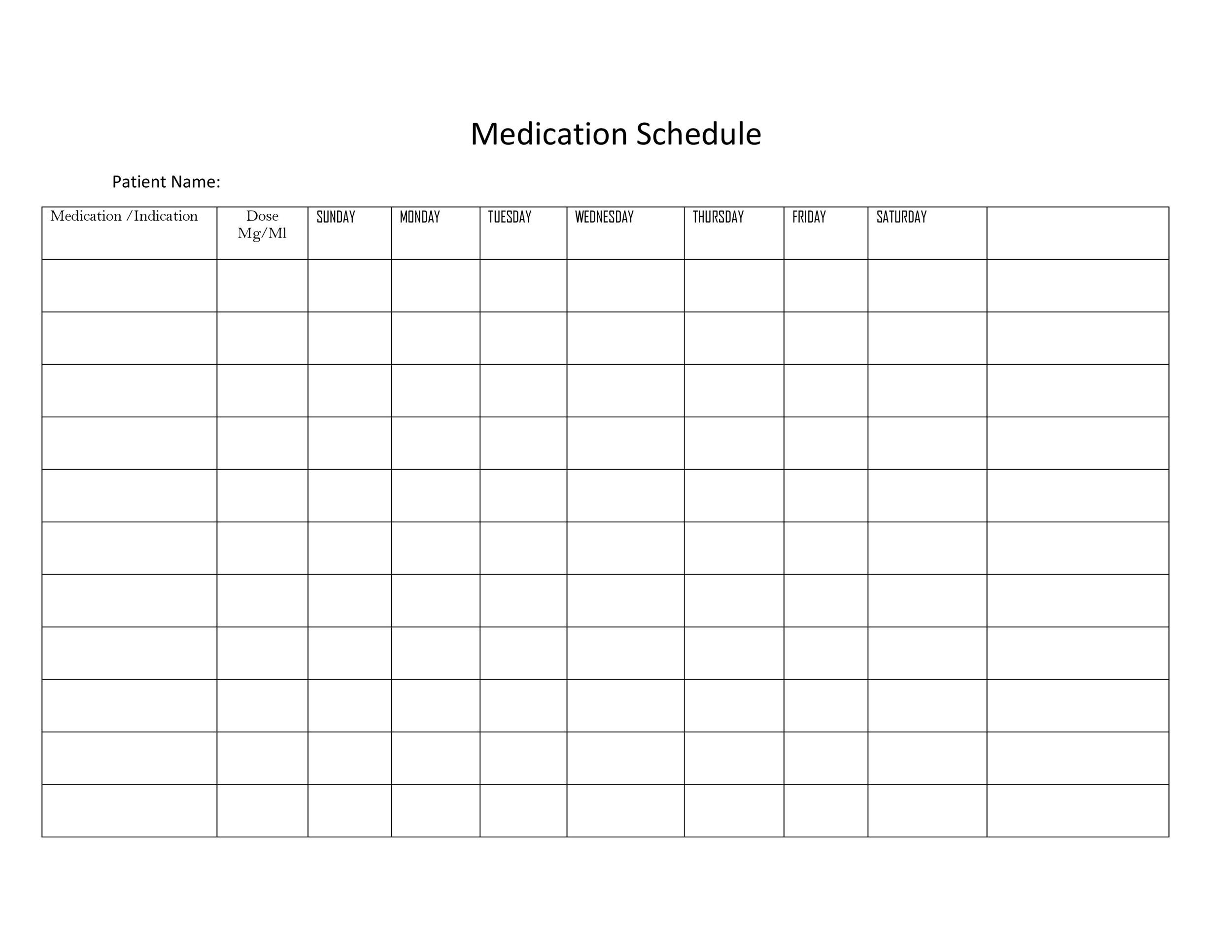
Medication charts are an essential tool for managing your health and keeping track of your medications. Whether you’re juggling multiple prescriptions or just need a simple way to remember to take your vitamins, a medication chart can help you stay organized and on top of your health. In this comprehensive guide, we’ll explore everything you need to know about medication charts, including what they are, why they’re important, what to include in a medication chart, how to create one, and tips for successful medication chart management.
What is a Medication Chart?
A medication chart, also known as a medication log or medication tracker, is a tool used to record and keep track of all the medications you are taking. This can include prescription medications, over-the-counter drugs, vitamins, supplements, and even herbal remedies. By maintaining a medication chart, you can easily see what medications you are taking, when you need to take them, and any special instructions or notes associated with each medication.
Why Use a Medication Chart?
There are several reasons why using a medication chart can be beneficial for your health and well-being. Firstly, a medication chart helps you stay organized and ensures that you are taking your medications as prescribed. It can also help prevent medication errors, such as double-dosing or missing a dose. Additionally, a medication chart can be a valuable tool for healthcare providers, allowing them to easily see what medications you are taking and make informed decisions about your care.
What to Include in a Medication Chart
When creating a medication chart, there are several key pieces of information that you should include to ensure it is comprehensive and useful. Some important details to include in your medication chart are:
- Medication Name: Include the name of the medication.
- Dosage: Specify the dosage amount and how often you need to take the medication.
- Instructions: Include any special instructions for taking the medication, such as with food or at a specific time of day.
- Prescribing Doctor: Note the name of the doctor who prescribed the medication.
- Pharmacy: Include the name and contact information for the pharmacy where you get the medication.
- Start Date: Record when you started taking the medication.
- End Date: If applicable, note when you should stop taking the medication.
- Side Effects: Record any side effects you experience while taking the medication.
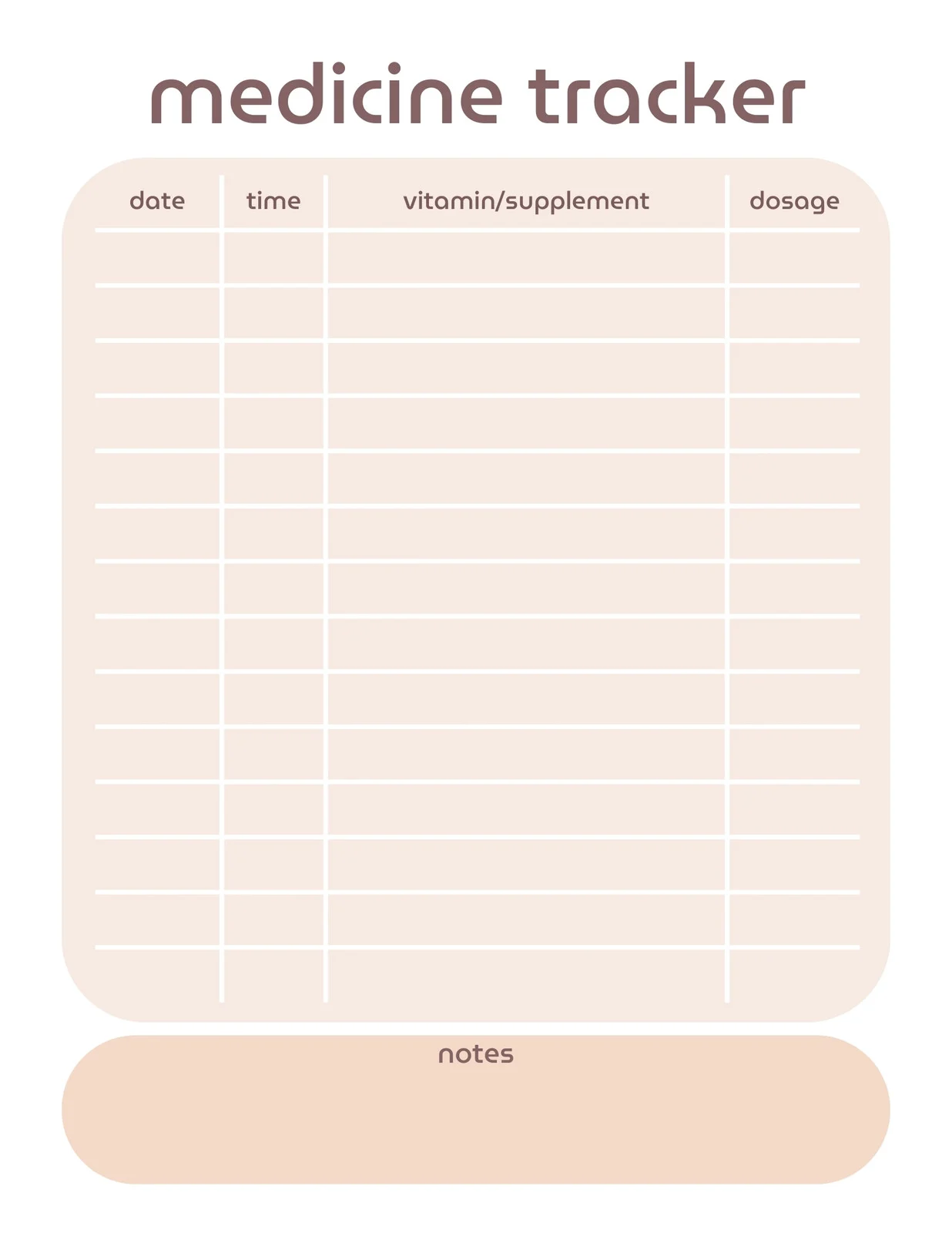
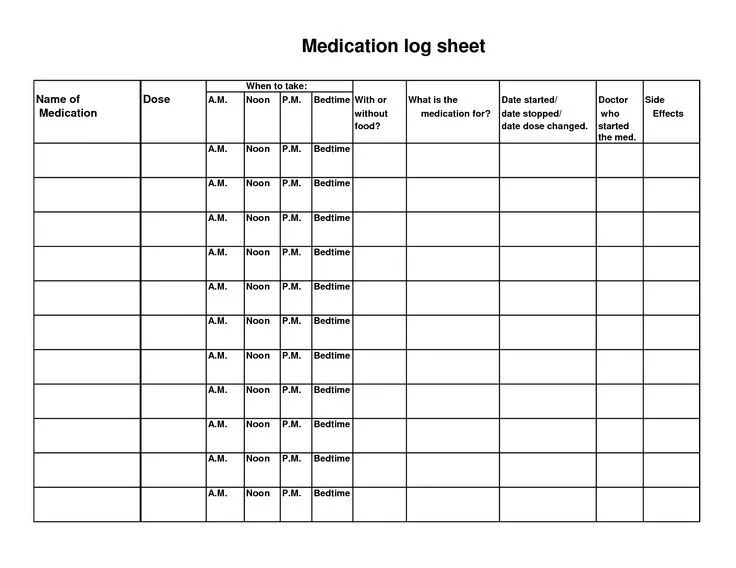
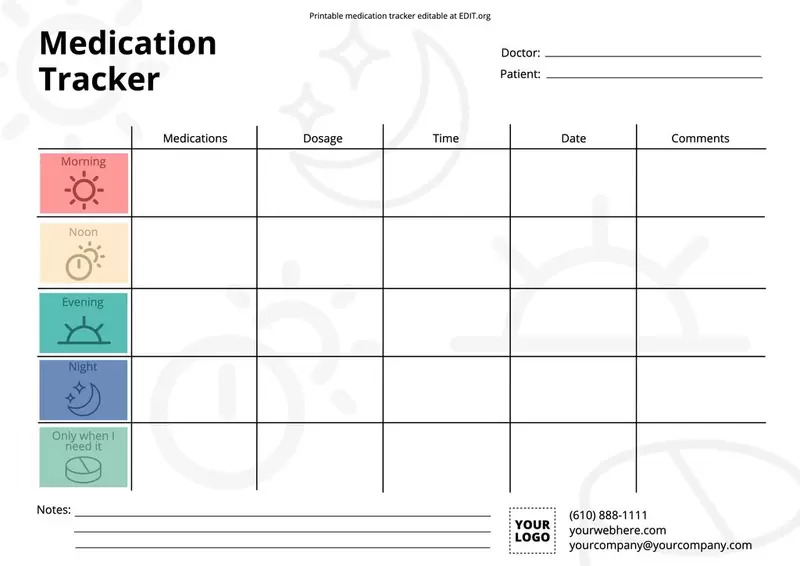
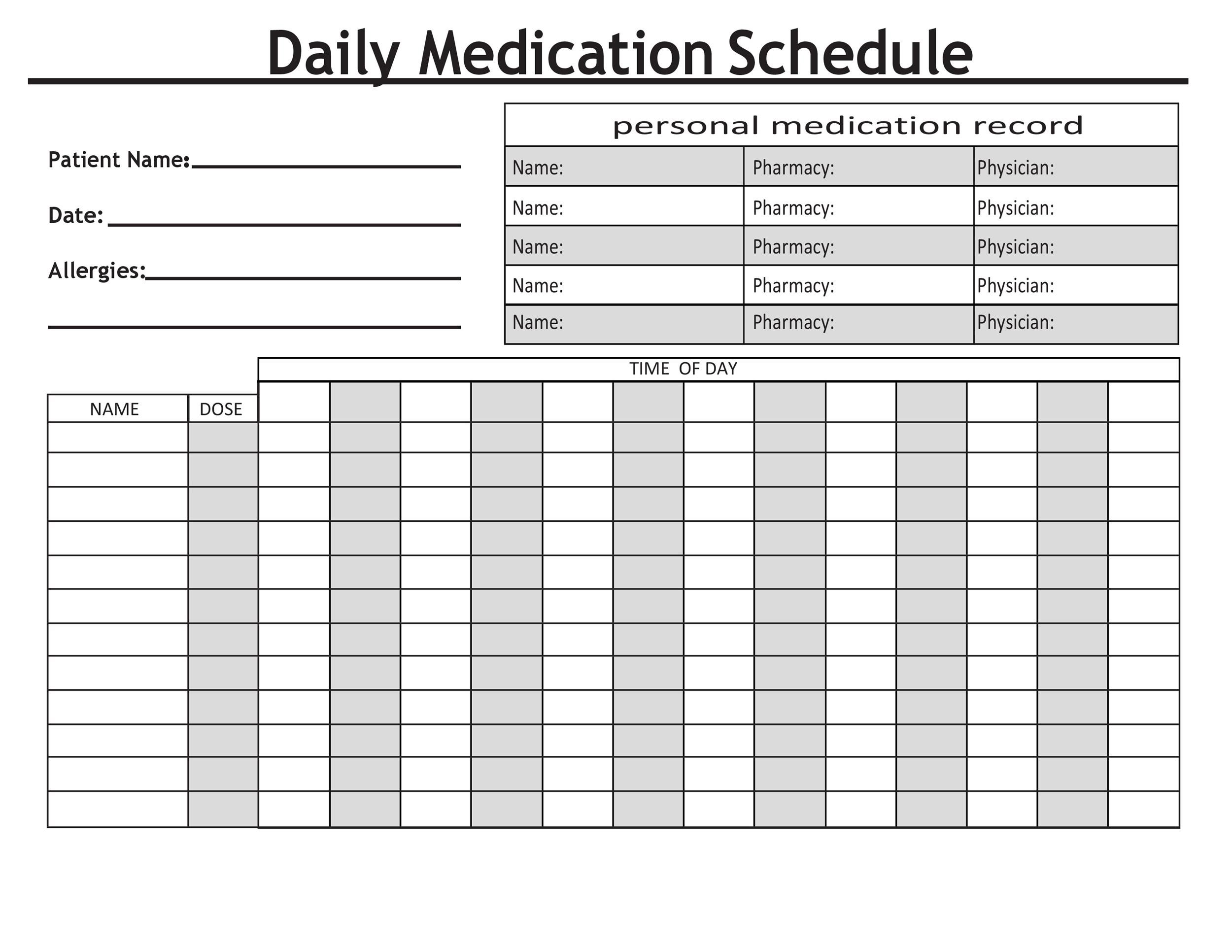
How to Create a Medication Chart
Creating a medication chart is simple and can be done with pen and paper, a spreadsheet, or even a medication tracking app on your phone. To create a medication chart, start by listing all the medications you are taking and including the details mentioned above. You can organize the information by medication name, dosage, and schedule to make it easy to read and follow. Be sure to update your medication chart regularly as your prescriptions change or new medications are added.
Tips for Successful Medication Chart Management
Managing a medication chart effectively requires some tips and tricks to ensure you stay on track with your medications. Here are some tips for successful medication chart management:
- Set Reminders: Use alarms or notifications on your phone to remind you when it’s time to take your medications.
- Keep Your Chart Handy: Keep your medication chart in a convenient location where you can easily access it.
- Review Regularly: Take time to review your medication chart regularly and update it as needed.
- Communicate with Your Healthcare Provider: Share your medication chart with your healthcare provider to ensure they have up-to-date information about your medications.
- Ask Questions: If you have any questions or concerns about your medications, don’t hesitate to ask your doctor or pharmacist for clarification.
- Stay Consistent: Try to take your medications at the same time each day to establish a routine.
In Conclusion
Medication charts are a valuable tool for managing your medications and staying on top of your health. By creating a comprehensive medication chart and following the tips outlined in this guide, you can ensure that you are taking your medications safely and effectively. Remember, your health is important, and a medication chart can help you take control of your well-being.
