Have you ever heard of a KWL chart? If not, you’re in for a treat! KWL charts are a fantastic tool that can help you organize your thoughts, track your learning progress, and enhance your understanding of a topic. Whether you’re a student looking to improve your study habits or a teacher seeking a new way to engage your students, KWL charts can be a game-changer. In this comprehensive guide, we will dive deep into what KWL charts are, why they are beneficial, what to include in a KWL chart, how to create one effectively, and tips for successful implementation. So, let’s get started!
What is a KWL Chart?
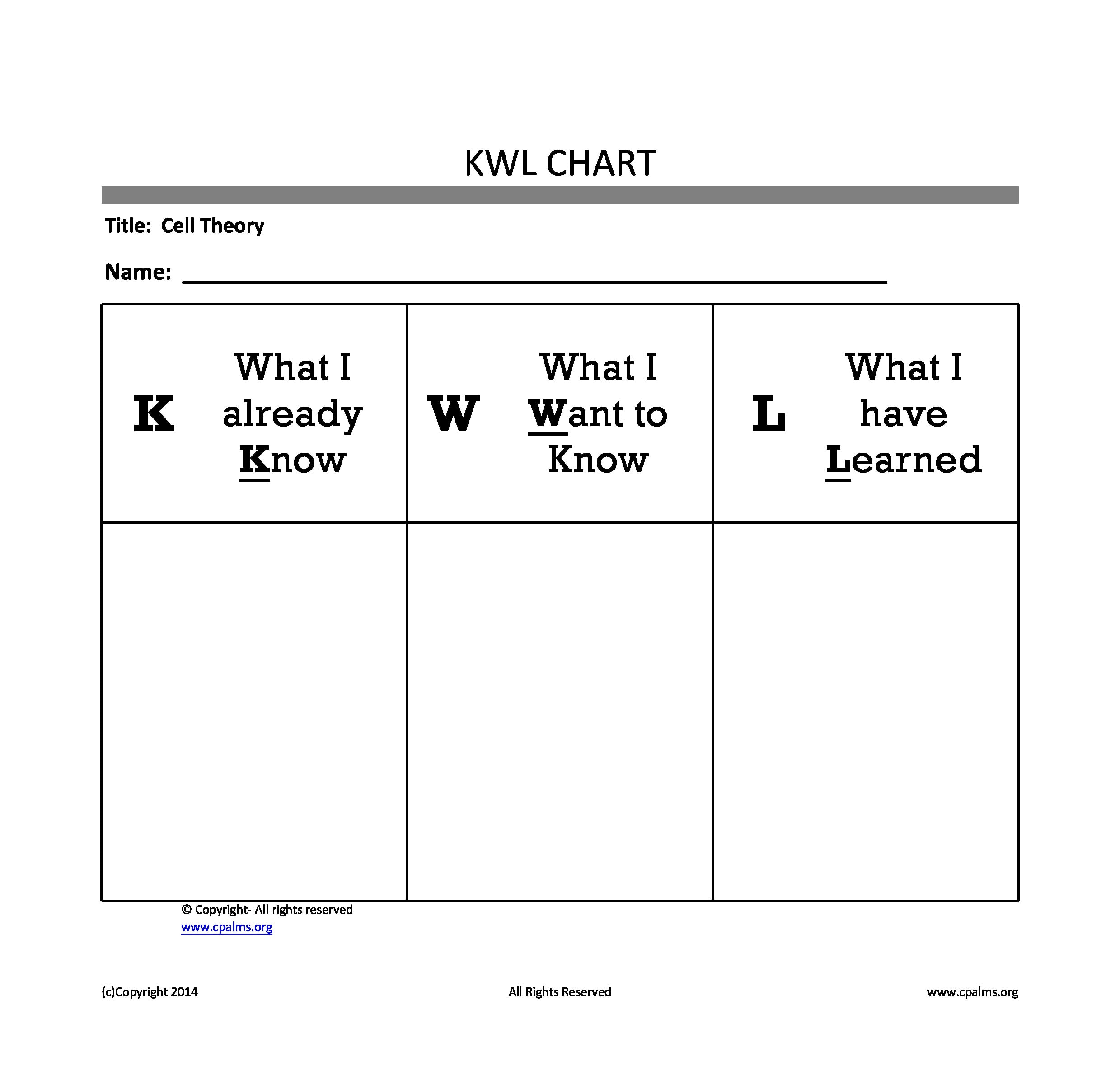
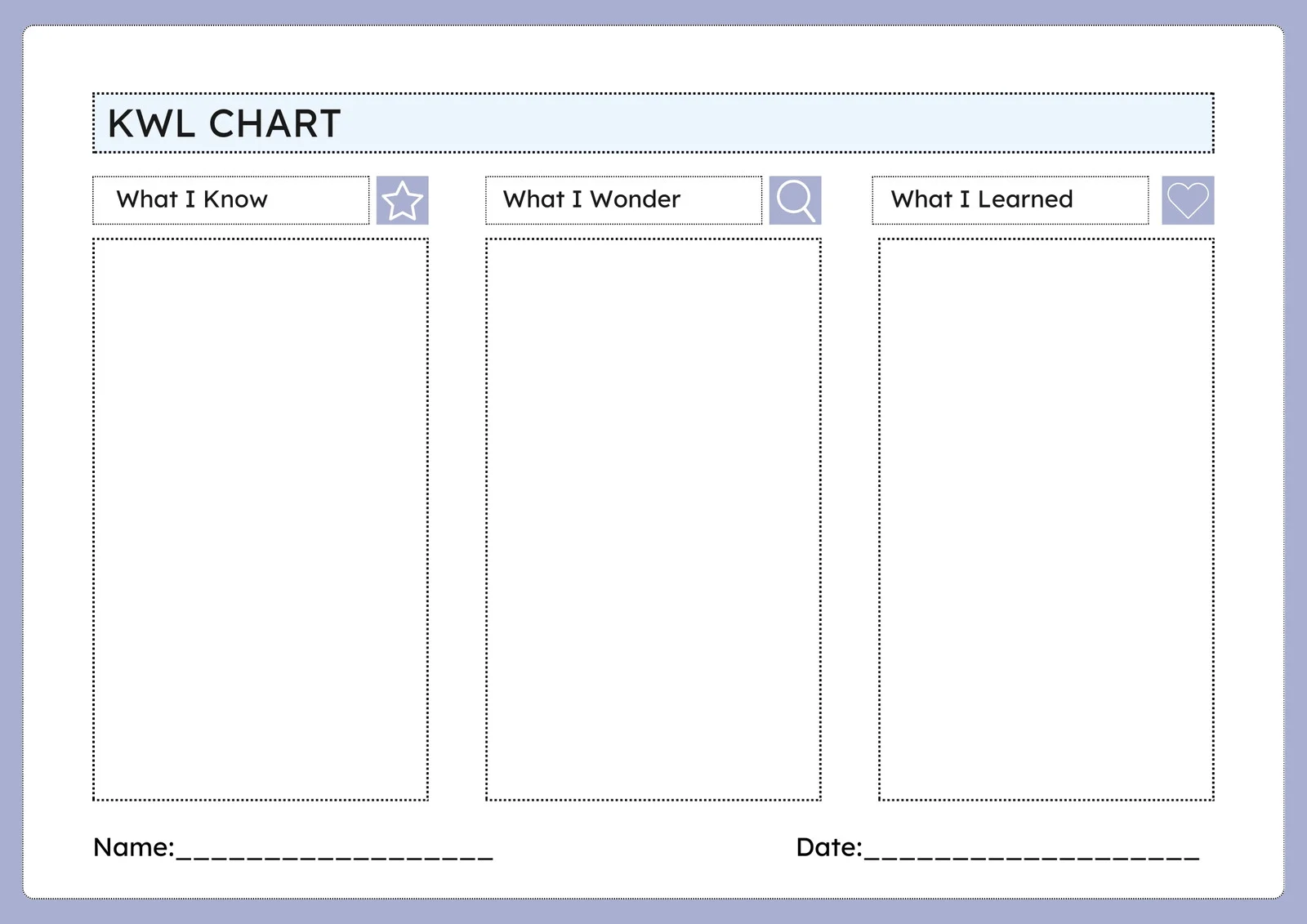
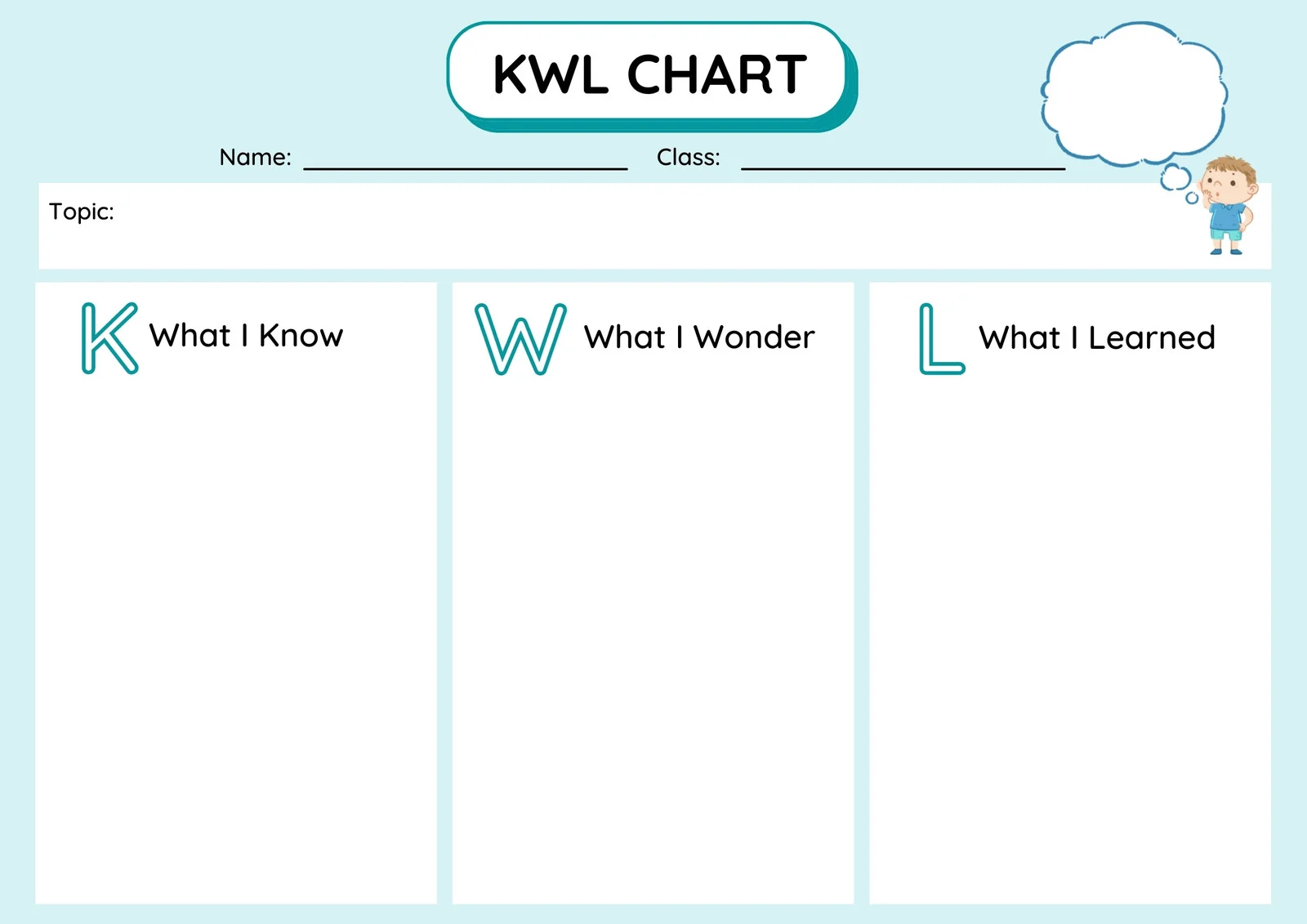
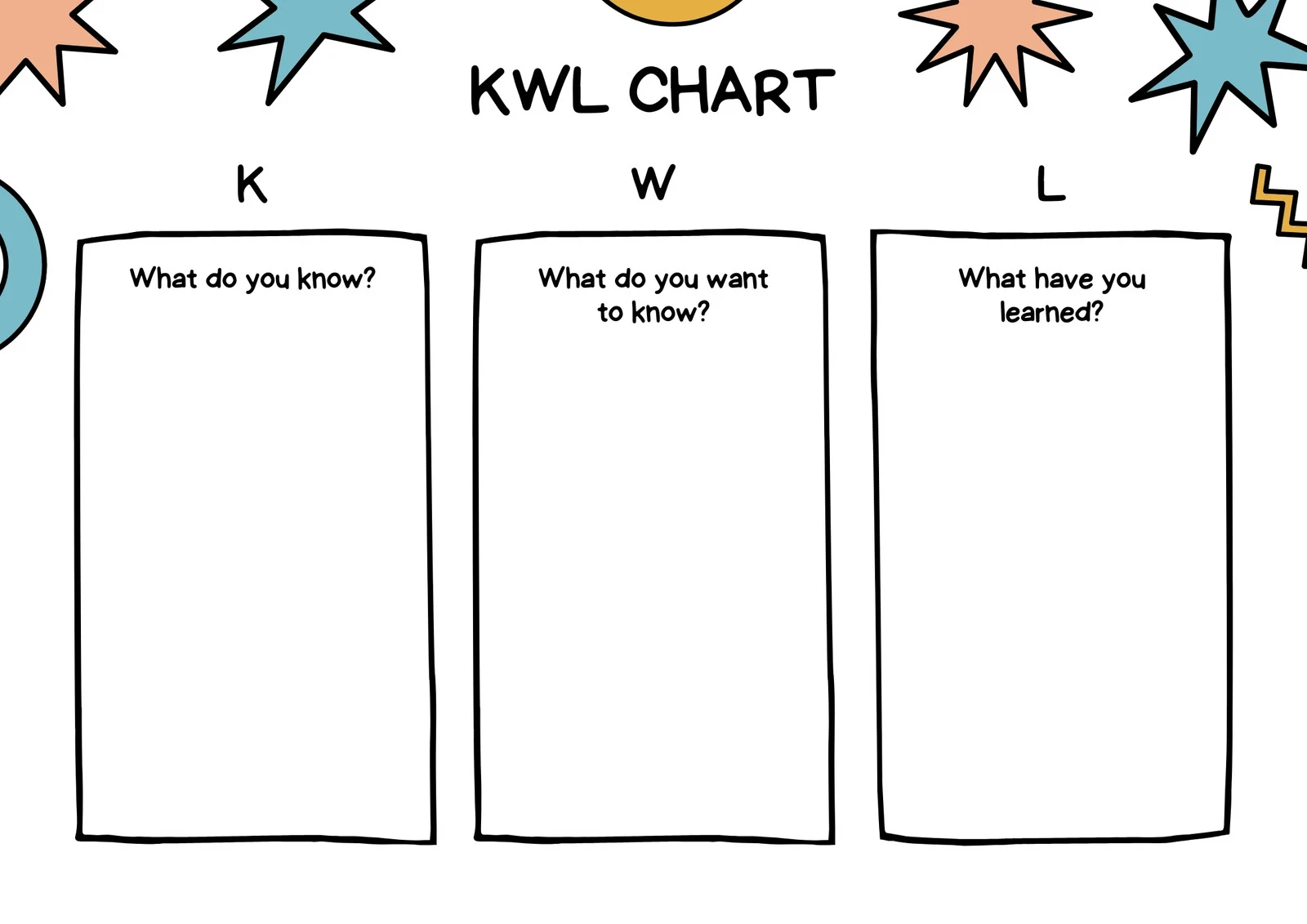
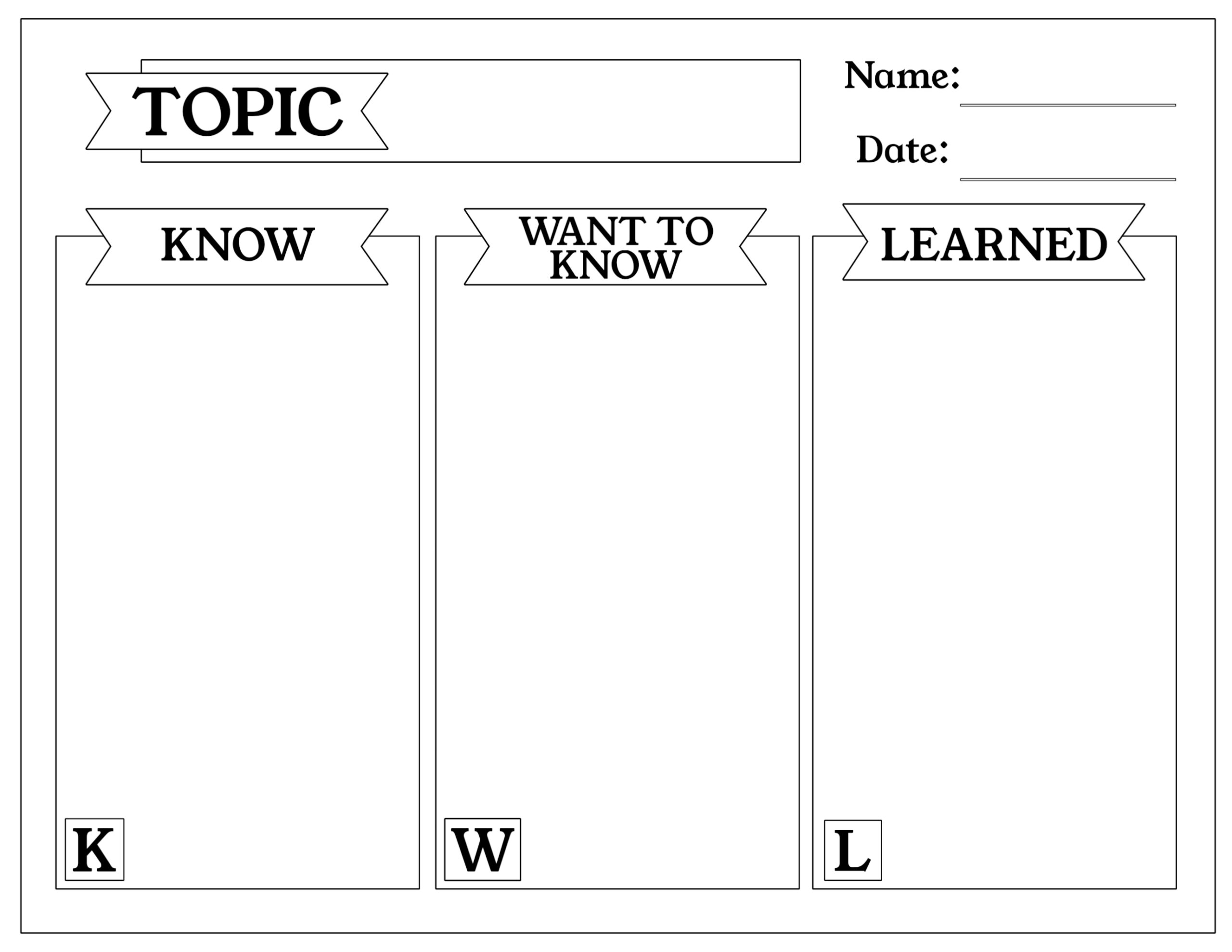
A KWL chart is a graphic organizer that is divided into three sections: “What I Know,” “What I Want to Know,” and “What I Learned.” It is commonly used in educational settings to help students activate their prior knowledge, set learning goals, and reflect on their learning outcomes. The “What I Know” section is where you jot down everything you already know about a topic before starting your study. The “What I Want to Know” section is where you list the questions or areas of interest you have about the topic. Finally, the “What I Learned” section is where you record the new information you have acquired through your study.
Why Use KWL Charts?
KWL charts offer several benefits for both students and teachers. They can help students become more active and engaged learners by encouraging them to think critically about a topic, set specific learning goals, and monitor their progress. KWL charts also provide teachers with valuable insights into their students’ prior knowledge, interests, and learning outcomes, allowing them to tailor their instruction accordingly. Additionally, KWL charts can serve as a visual representation of the learning process, making it easier for students to track their growth and achievements over time.
What to Include in a KWL Chart
When creating a KWL chart, it’s essential to include the following elements in each section:
- What I Know: List all the information you already know about the topic.
- What I Want to Know: Write down the questions you have or the areas you would like to explore further.
- What I Learned: Record the new information you have discovered during your study.
By including these components, you can effectively organize your thoughts, set clear learning goals, and track your learning progress throughout the process.
How to Create a KWL Chart
Creating a KWL chart is simple and straightforward. Here’s a step-by-step guide to help you get started:
1. Choose a Topic:
Select a topic or subject that you would like to explore further.
2. Divide Your Chart:
Draw three columns on a piece of paper or create a digital document with three sections labeled “What I Know,” “What I Want to Know,” and “What I Learned.”
3. Fill in the Chart:
Start by listing everything you already know about the topic in the “What I Know” section. Then, write down the questions or areas of interest you have in the “What I Want to Know” section. As you study, record the new information you learn in the “What I Learned” section.
4. Reflect and Review:
Periodically review your KWL chart to reflect on your progress, revisit your learning goals, and celebrate your achievements.
Tips for Successful Implementation
Here are some tips to help you make the most of your KWL chart experience:
- Set Clear Goals: Define specific learning objectives for each section of your KWL chart.
- Stay Organized: Keep your KWL chart neat and organized to facilitate easy tracking of your progress.
- Be Curious: Embrace curiosity and explore new ideas and concepts beyond your initial knowledge.
- Collaborate: Consider sharing your KWL chart with classmates or colleagues to gain new perspectives and insights.
- Reflect Regularly: Take time to reflect on your learning journey, identify areas for improvement, and celebrate your successes.
- Experiment: Don’t be afraid to try different approaches or formats for your KWL chart to find what works best for you.
- Have Fun: Learning should be an enjoyable and rewarding experience, so don’t forget to have fun along the way!
Conclusion
In conclusion, KWL charts are a powerful learning tool that can enhance your study habits, improve your understanding of a topic, and boost your overall learning experience. By incorporating KWL charts into your learning routine and following the tips outlined in this guide, you can take your learning to the next level and achieve academic success. So, why wait? Start creating your KWL chart today and embark on a journey of discovery and growth!
