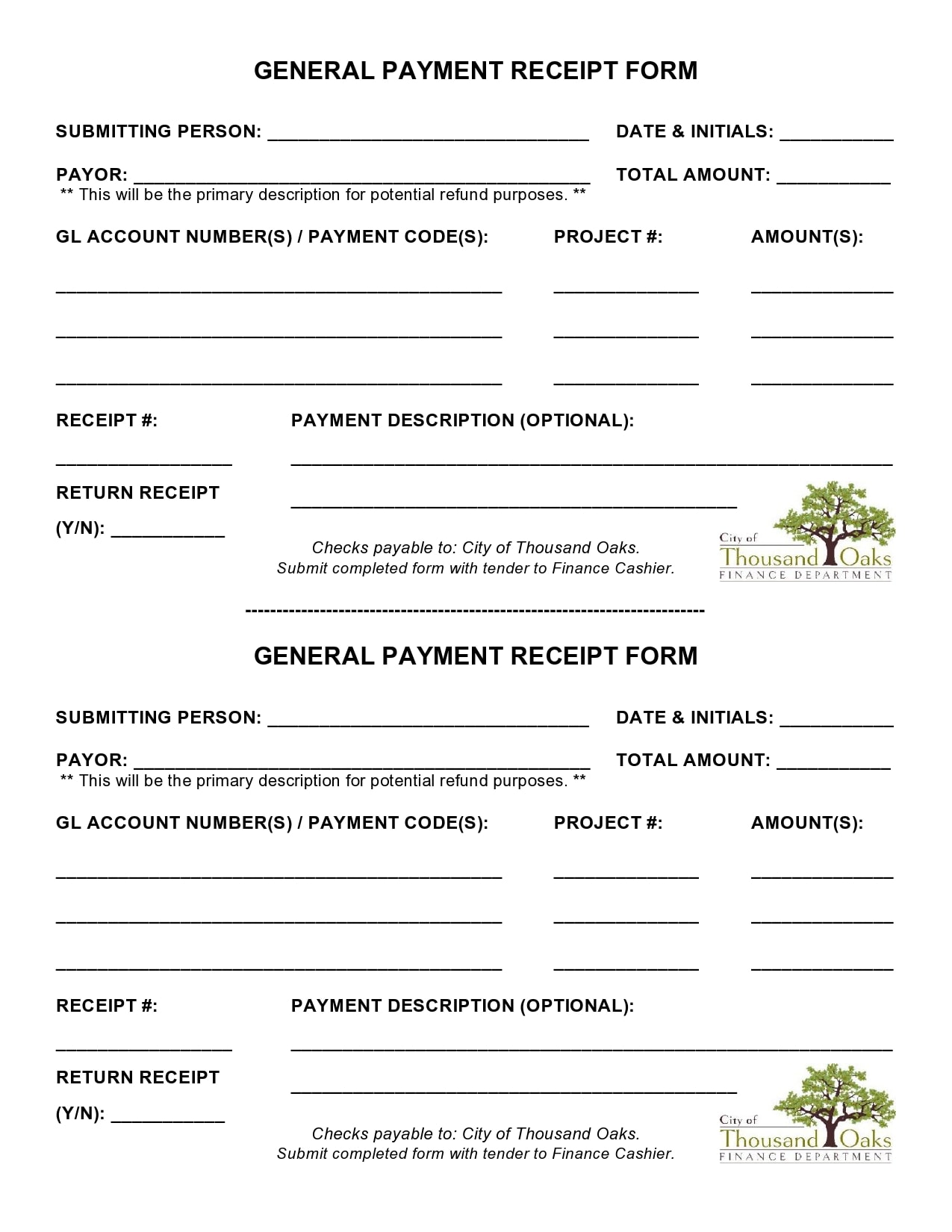
In the world of finances, keeping track of money transactions is essential. Whether you are running a business, managing personal expenses, or splitting costs with friends, having a record of money received is crucial. This is where money receipts come into play. A money receipt is a document that serves as proof of a financial transaction, showing that a specific amount of money has been received by the recipient. In this comprehensive guide, we will delve into everything you need to know about money receipts, from what they are to how to create one effectively.
What is a Money Receipt?
A money receipt is a written acknowledgment that money has been received by an individual or organization. It typically includes details such as the amount of money received, the date of the transaction, the name of the payer, and the signature of the recipient. Money receipts can come in various forms, including handwritten receipts, printed receipts, digital receipts, and electronic receipts. They serve as a legal record of the transaction and can be used for accounting purposes, proof of purchase, or as evidence in case of disputes.
Why are Money Receipts Important?
Money receipts play a crucial role in financial transactions for several reasons. Firstly, they provide a clear record of money received, which is essential for tracking income and expenses. This record-keeping is vital for budgeting, tax purposes, and financial planning. Secondly, money receipts serve as proof of payment in case of any discrepancies or disputes. Having a documented receipt can help resolve any issues and prevent misunderstandings between the payer and the recipient. Lastly, money receipts contribute to financial transparency and accountability, especially in business transactions where proper documentation is crucial for compliance and audit purposes.
What to Include in a Money Receipt
When creating a money receipt, it is important to include specific details to ensure accuracy and clarity. Here are the essential elements to include in a money receipt:
- Date: The date when the money was received.
- Amount: The exact amount of money received.
- Payer’s Information: The name and contact details of the person or entity making the payment.
- Recipient’s Information: The name and contact details of the person or entity receiving the payment.
- Payment Method: How the payment was made (cash, check, credit card, etc.).
- Signature: The signature of the recipient to acknowledge receipt of the payment.
- Purpose of Payment: A brief description of why the payment was made.
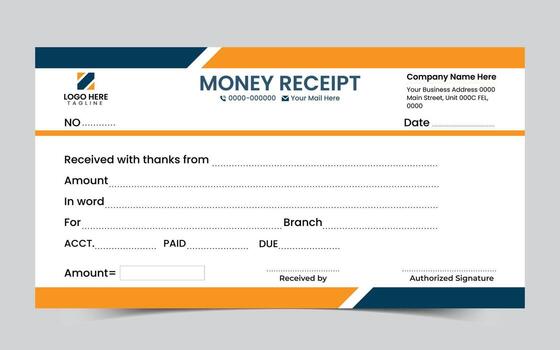
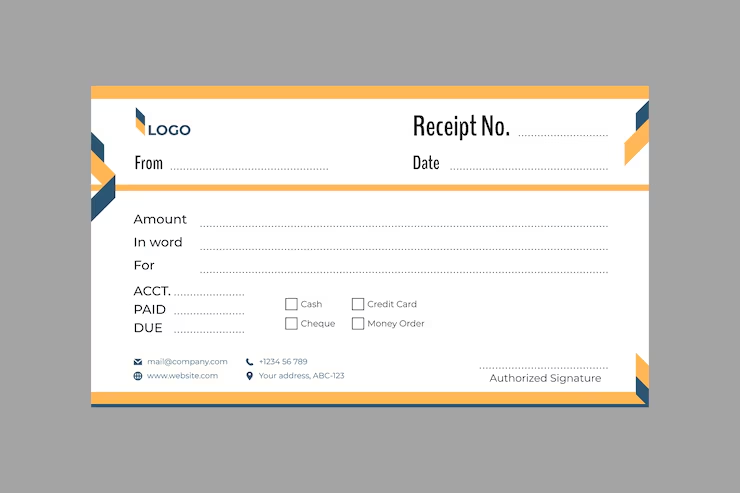
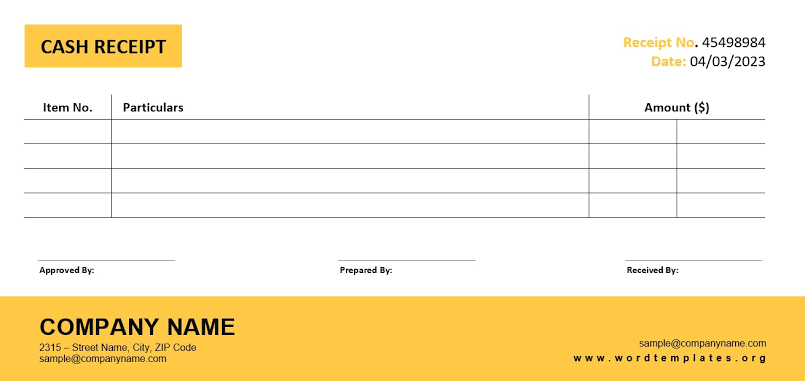
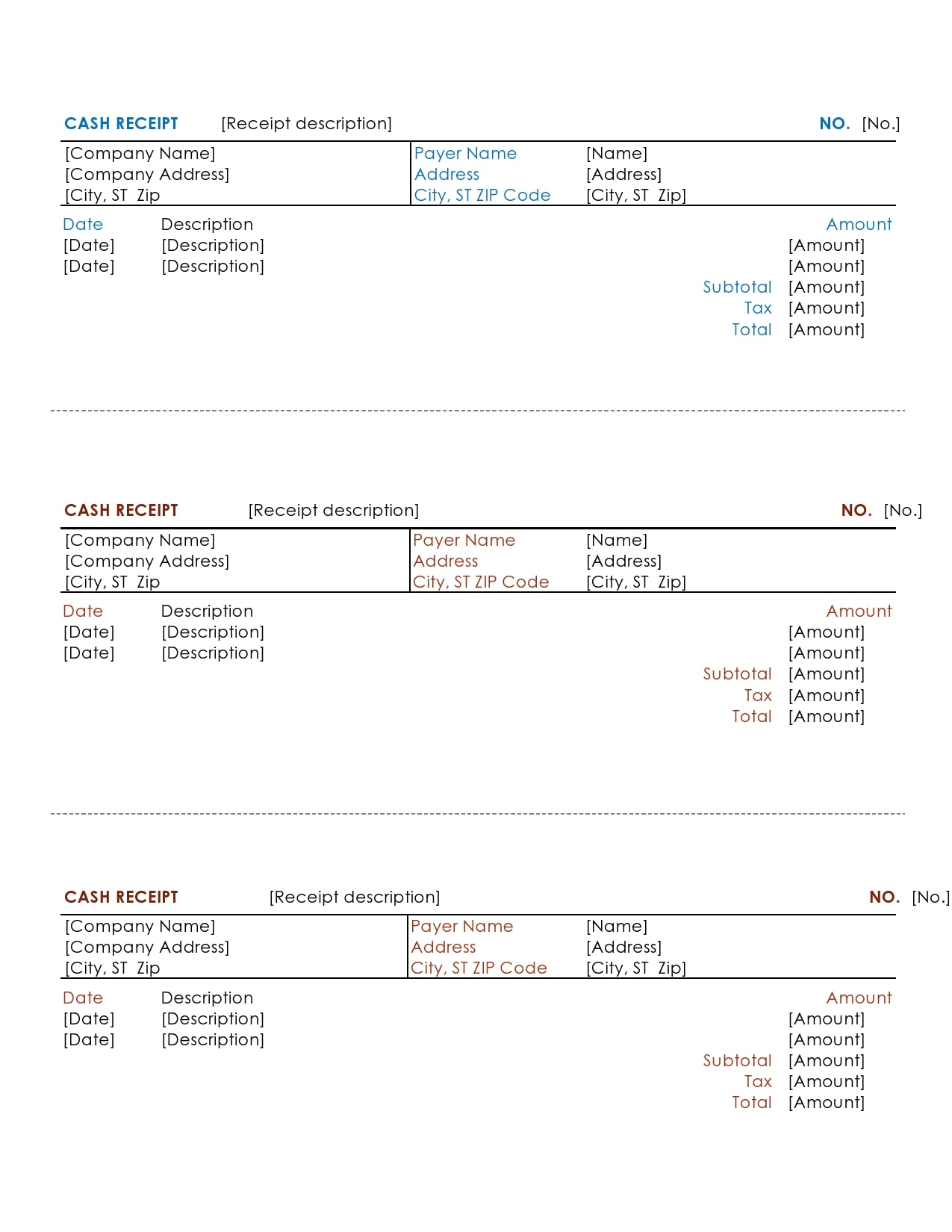
How to Create a Money Receipt
Creating a money receipt is a straightforward process that can be done manually or digitally. Here are the steps to follow when creating a money receipt:
1. Use a template: Start with a pre-designed money receipt template to ensure you include all the necessary information.
2. Fill in the details: Input the date, amount, payer’s information, recipient’s information, payment method, purpose of payment, and any other relevant details.
3. Add a signature line: Include a line for the recipient to sign and acknowledge receipt of the payment.
4. Review and finalize: Double-check all the information for accuracy and make any necessary edits before finalizing the receipt.
5. Save and share: Save a copy of the receipt for your records and share a copy with the payer for their records.
Tips for Successful Money Receipts
Creating effective money receipts requires attention to detail and accuracy. Here are some tips for successful money receipts:
- Be clear and concise: Ensure that the receipt includes all relevant details in a clear and easy-to-understand format.
- Keep copies: Make copies of all money receipts and store them in a secure location for future reference.
- Use numbering: Assign a unique receipt number to each transaction for easy tracking and organization.
- Stay organized: Keep all money receipts organized and easily accessible for quick retrieval when needed.
- Update regularly: Make it a habit to update and record all money receipts promptly to stay on top of your finances.
Conclusion
Money receipts are an essential tool for tracking financial transactions, providing proof of payment, and ensuring financial transparency. By understanding what money receipts are, why they are important, what to include in them, how to create them effectively, and following tips for successful receipts, you can manage your finances more efficiently and confidently. Remember to keep accurate records of all money receipts to maintain financial accountability and organization.
