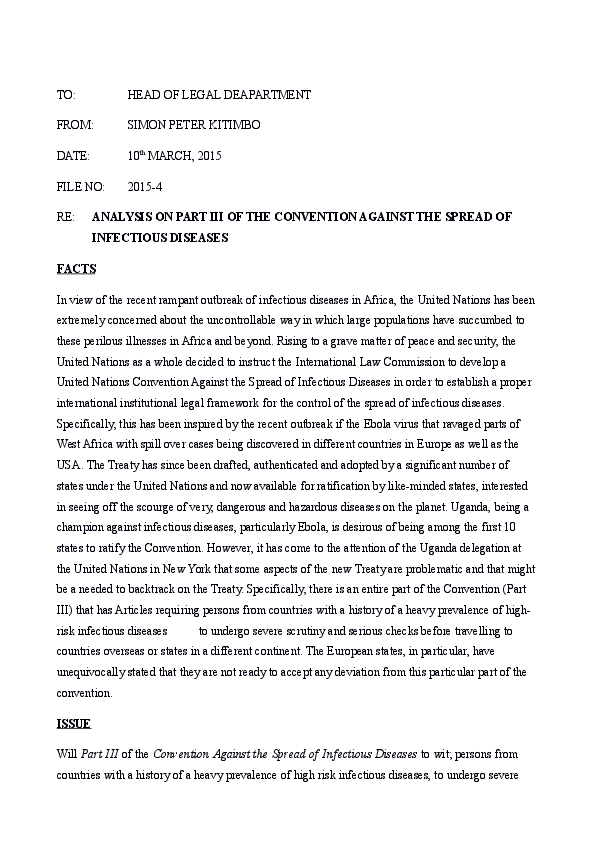
Legal memos are a crucial aspect of the legal profession, serving as a tool for lawyers to communicate important information to their clients, colleagues, and superiors. These documents provide a concise summary of legal issues, analysis, and recommendations, helping to inform decision-making and strategy. Understanding how to write a legal memo is essential for any legal professional, whether you are a seasoned attorney or a law student.
What is a Legal Memo?
A legal memo, short for memorandum, is a written document that outlines the key facts, legal issues, analysis, and conclusions related to a specific legal matter. It serves as a communication tool within a law firm or legal department, providing a comprehensive overview of a particular case or legal question. Legal memos are typically used to inform clients, colleagues, or superiors about the status of a case, research findings, or legal opinions.
Legal memos are often structured in a specific format, including headings for each section to clearly organize the information. The content of a legal memo should be objective, concise, and well-reasoned, presenting a thorough analysis of the legal issues at hand. Writing a legal memo requires a thorough understanding of the relevant law, critical thinking skills, and the ability to communicate complex legal concepts in a clear and accessible manner.
1. Purpose of a Legal Memo
The primary purpose of a legal memo is to provide a comprehensive analysis of a legal issue or case, including an assessment of the relevant law, facts, and arguments. Legal memos are used to inform decision-making, strategy development, and client communication within the legal profession. By outlining the key legal issues and providing well-reasoned analysis and recommendations, a legal memo helps to guide legal professionals in their work.
2. Structure of a Legal Memo
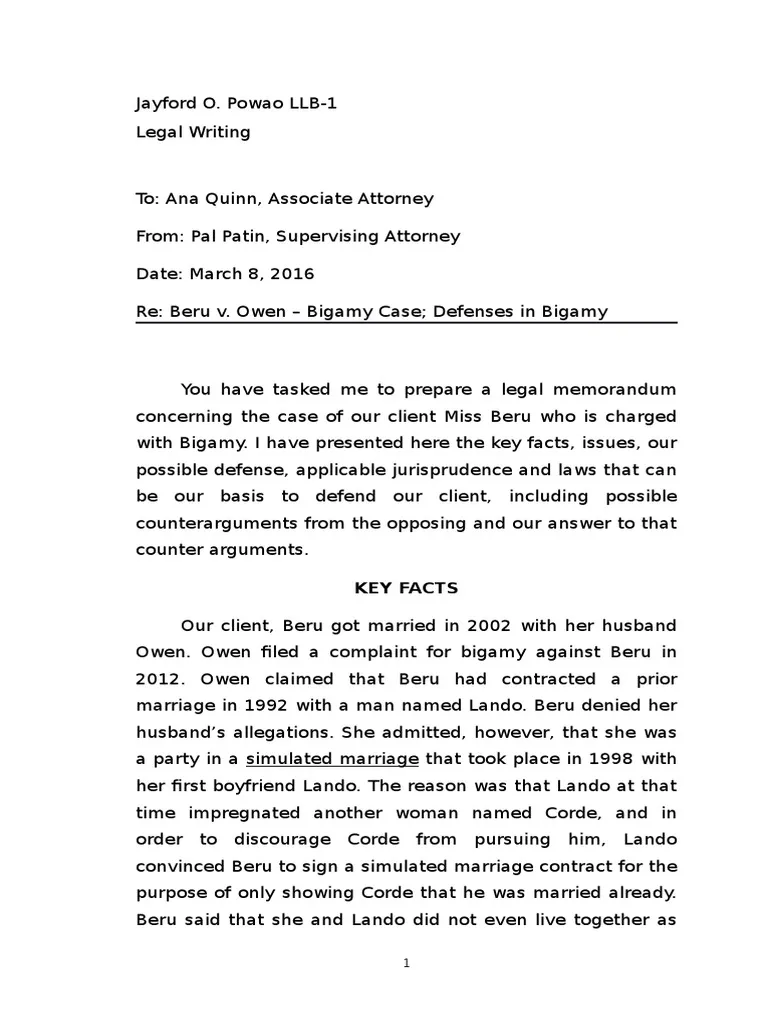
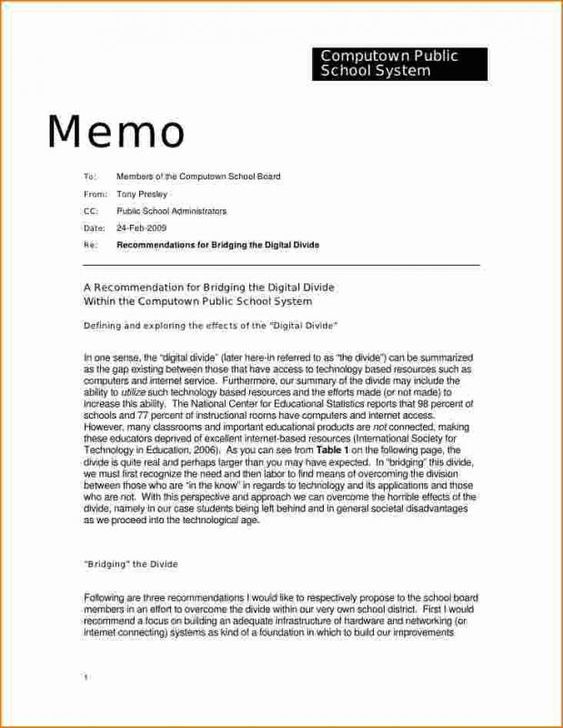
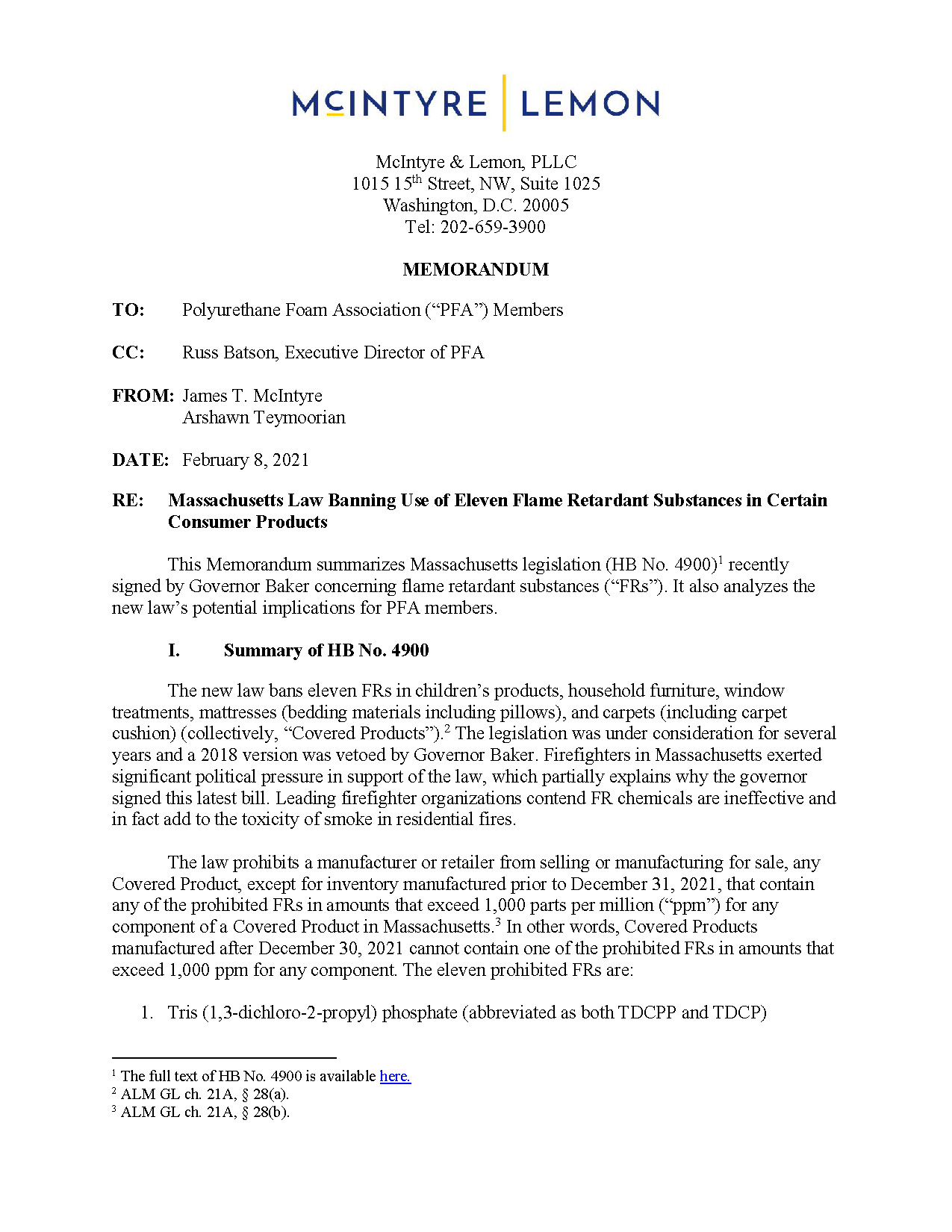
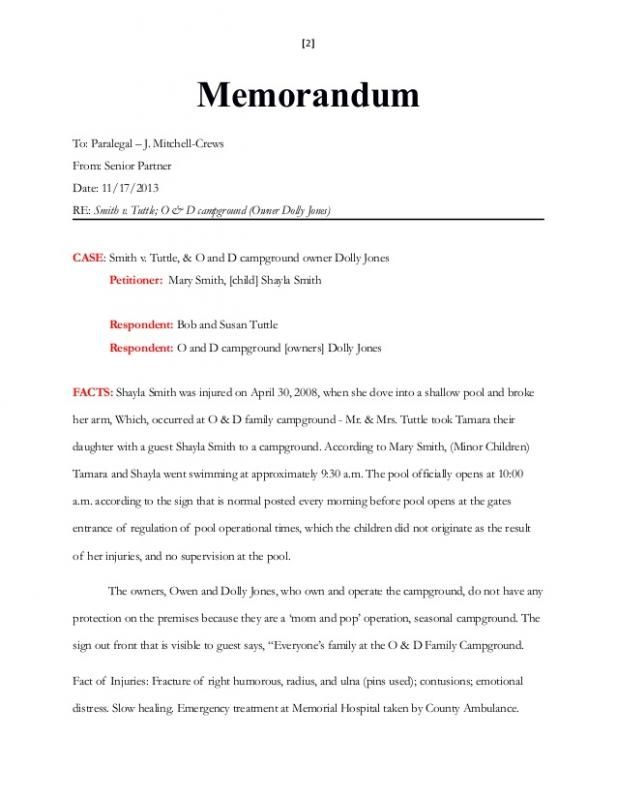
A typical legal memo consists of several sections, each serving a specific purpose in communicating the information effectively. The structure of a legal memo often includes the following elements:
– Heading: The heading of a legal memo includes information such as the date, the recipients, the sender, and a brief description of the subject matter.
– Introduction: The introduction provides an overview of the legal issue or case and sets the context for the analysis that follows.
– Statement of Facts: This section outlines the relevant facts of the case or legal issue, providing a chronological summary of events.
– Issues Presented: The issues presented section identifies the key legal issues that need to be addressed in the memo.
– Analysis: The analysis section provides a detailed examination of the relevant law, applying it to the facts of the case to determine the legal implications.
– Conclusion: The conclusion summarizes the key findings of the analysis and may include recommendations or next steps.
3. Writing a Legal Memo
When writing a legal memo, it is essential to follow a structured approach to ensure clarity and coherence in the document. Here are some tips for successful legal memo writing:
– Clearly identify the purpose and audience of the memo.
– Use clear and concise language, avoiding legal jargon where possible.
– Organize the memo into sections with headings to guide the reader through the document.
– Provide a thorough analysis of the legal issues, citing relevant case law and statutes.
– Support your analysis with logical reasoning and evidence from the facts of the case.
– Conclude the memo with a summary of the key findings and recommendations for further action.
4. Tips for Successful Legal Memo Writing
Writing a legal memo can be a challenging task, but by following some key tips, you can improve the quality and effectiveness of your memos. Here are some tips for successful legal memo writing:
– Start with a clear and concise statement of the legal issue or question at hand.
– Use headings and subheadings to organize the memo and make it easier to read.
– Provide a balanced analysis of the strengths and weaknesses of the legal arguments involved.
– Use clear and persuasive language to communicate your analysis and recommendations effectively.
– Proofread your memo carefully to ensure accuracy and consistency in your writing.- Seek feedback from colleagues or supervisors to improve the quality of your memos.
In conclusion, writing a legal memo is an essential skill for legal professionals at all levels of experience. By following a structured approach, organizing your memo effectively, and providing a thorough analysis of the legal issues, you can create a compelling and informative document that will help guide decision-making and strategy development in the legal profession.
