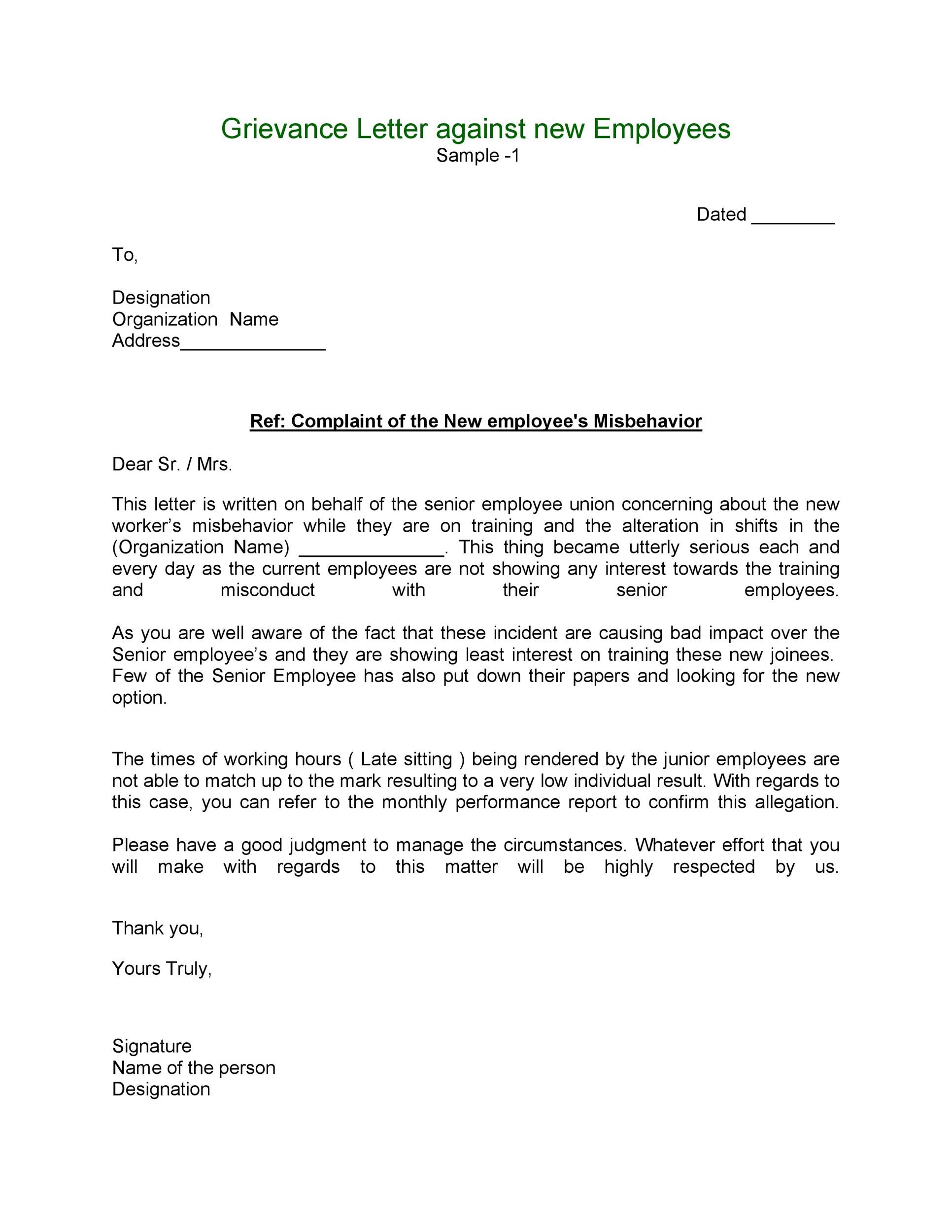
Have you ever found yourself in a situation where you felt mistreated or unfairly treated by someone or an organization? It can be frustrating and disheartening to experience such situations, but one way to address these grievances is by writing a grievance letter. A grievance letter is a formal way to communicate your concerns and seek resolution for the issues you are facing. In this article, we will discuss what a grievance letter is, why it is important, what to include in a grievance letter, how to write one effectively, and some tips to help you craft a compelling grievance letter.
What is a Grievance Letter?
A grievance letter is a written complaint that is submitted to an individual, organization, or authority to address a specific issue or concern. It is a formal way to communicate your grievances and seek a resolution for the problems you are facing. Grievance letters can be used in various situations, such as in the workplace, with service providers, or even with government agencies. Writing a grievance letter allows you to express your concerns clearly and concisely, providing evidence and supporting details to back up your claims.
Why Write a Grievance Letter?
There are several reasons why writing a grievance letter can be beneficial. Firstly, it provides you with a formal way to communicate your concerns and seek redress for any wrongdoing or mistreatment you have experienced. By putting your grievances in writing, you create a record of your complaint that can be used as evidence in any future proceedings. Additionally, writing a grievance letter can help you organize your thoughts and arguments, ensuring that you present your case in a clear and logical manner.
What to Include in a Grievance Letter
When writing a grievance letter, it is important to include the following details:
- Date: Start your letter by including the date when the incident occurred.
- Recipient: Address the letter to the appropriate person or department responsible for addressing grievances.
- Description of the Incident: Provide a detailed account of the incident or issue that has led you to write the grievance letter.
- Evidence: Include any evidence or supporting documents that can substantiate your claims.
- Impact: Explain how the incident has impacted you, whether emotionally, financially, or otherwise.
- Resolution: Clearly state what outcome or resolution you are seeking from the recipient.
- Contact Information: Provide your contact information for further communication and follow-up.
How to Write a Grievance Letter
Writing a grievance letter may seem daunting, but with the right approach, you can effectively communicate your concerns and seek redress. Here are some steps to help you write a compelling grievance letter:
- Be Clear and Concise: Clearly state the purpose of your letter and provide a detailed account of the incident.
- Stick to the Facts: Avoid emotional language and stick to the facts of the matter.
- Provide Evidence: Include any evidence or supporting documents that can back up your claims.
- Suggest a Resolution: Clearly state what outcome or resolution you are seeking from the recipient.
- Be Professional: Maintain a professional and respectful tone throughout the letter.
Tips for Writing a Grievance Letter
Here are some additional tips to help you craft a compelling grievance letter:
- Proofread: Make sure to proofread your letter for any errors or typos before sending it.
- Seek Advice: If you are unsure about how to structure your letter, seek advice from friends, family, or colleagues.
- Follow Up: Follow up on your grievance letter to ensure that it has been received and is being addressed.
- Stay Calm: It can be frustrating to write a grievance letter, but try to stay calm and composed throughout the process.
- Keep Records: Keep copies of your grievance letter and any responses you receive for future reference.
In conclusion, writing a grievance letter is an important step in addressing grievances and seeking resolution for the issues you are facing. By following the guidelines outlined in this article and incorporating the tips provided, you can effectively communicate your concerns and increase the likelihood of a satisfactory outcome. Remember to stay calm, professional, and concise in your communication, and don’t hesitate to seek advice if needed. Your grievances deserve to be heard, and a well-written grievance letter can help you achieve the justice and resolution you seek.
