Whether you are just starting your fitness journey or you are a seasoned athlete, keeping a fitness log can be a game-changer in helping you achieve your goals. A fitness log is a powerful tool that can provide you with valuable insights into your progress, help you stay accountable, and motivate you to push harder.
In this comprehensive guide, we will explore what a fitness log is, why it is important, what to include in your log, how to effectively keep track of your workouts, and some tips for maximizing the benefits of using a fitness log.
What is a Fitness Log?
A fitness log, also known as a workout journal or exercise diary, is a record of your physical activities, workouts, and progress towards your fitness goals. It can be as simple as a notebook where you jot down your daily exercises, sets, reps, and weights, or as sophisticated as a digital app that tracks your workouts, nutrition, sleep, and overall well-being.
Keeping a fitness log allows you to track your progress over time, identify patterns in your training, and make informed decisions about your fitness routine. It provides you with a clear picture of what is working well for you and what areas you may need to improve.
Why Keep a Fitness Log?
There are several benefits to keeping a fitness log:
- Accountability: By recording your workouts, you are more likely to stick to your fitness routine and stay committed to your goals.
- Progress Tracking: A fitness log helps you see how far you have come and gives you a sense of accomplishment when you reach new milestones.
- Identify Patterns: By reviewing your log, you can spot trends in your performance, identify weaknesses, and make adjustments to your training plan.
- Motivation: Seeing your progress on paper can be a great source of motivation to keep pushing yourself and striving for improvement.
What to Include in Your Fitness Log
When keeping a fitness log, it is essential to include the following details:
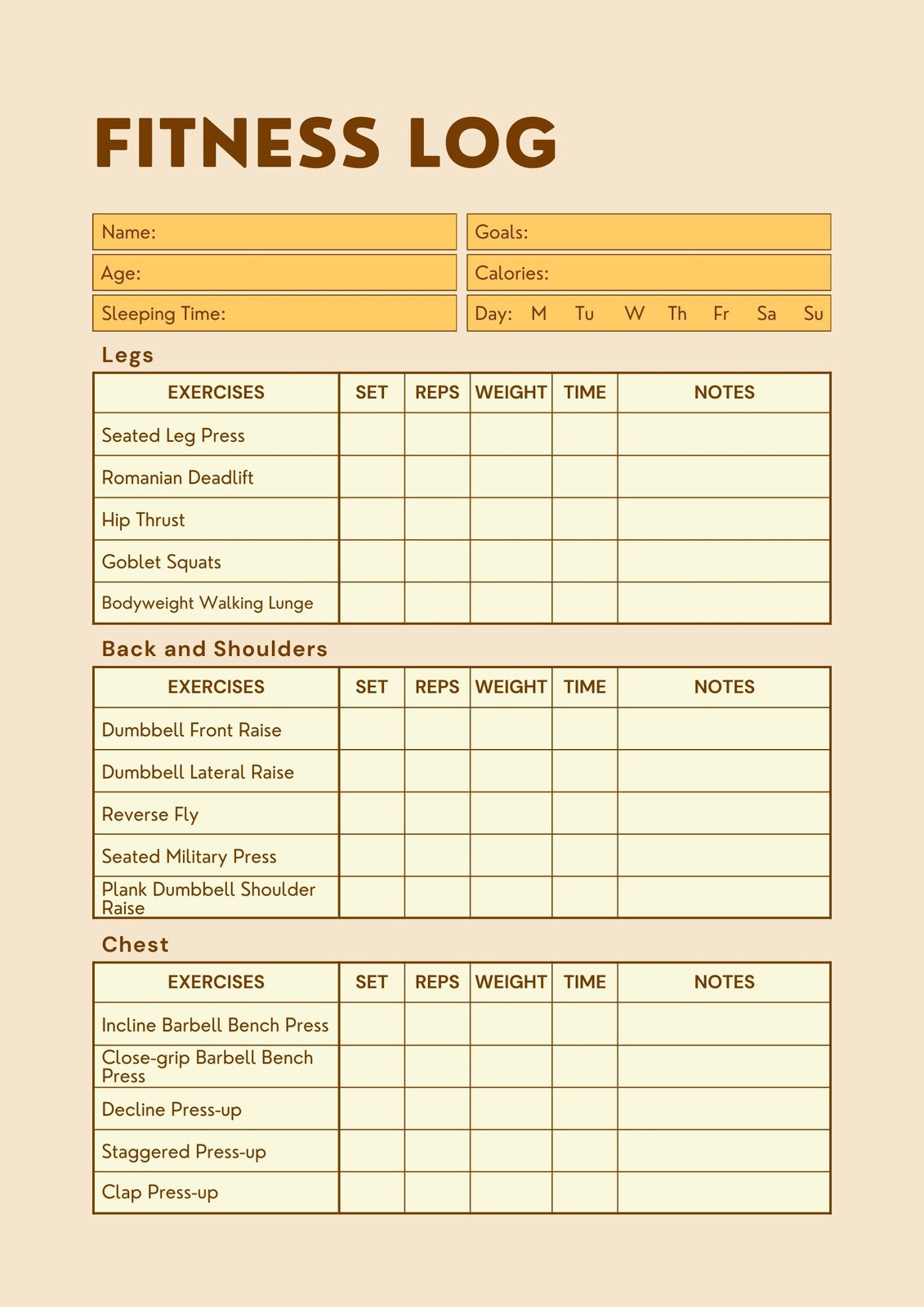
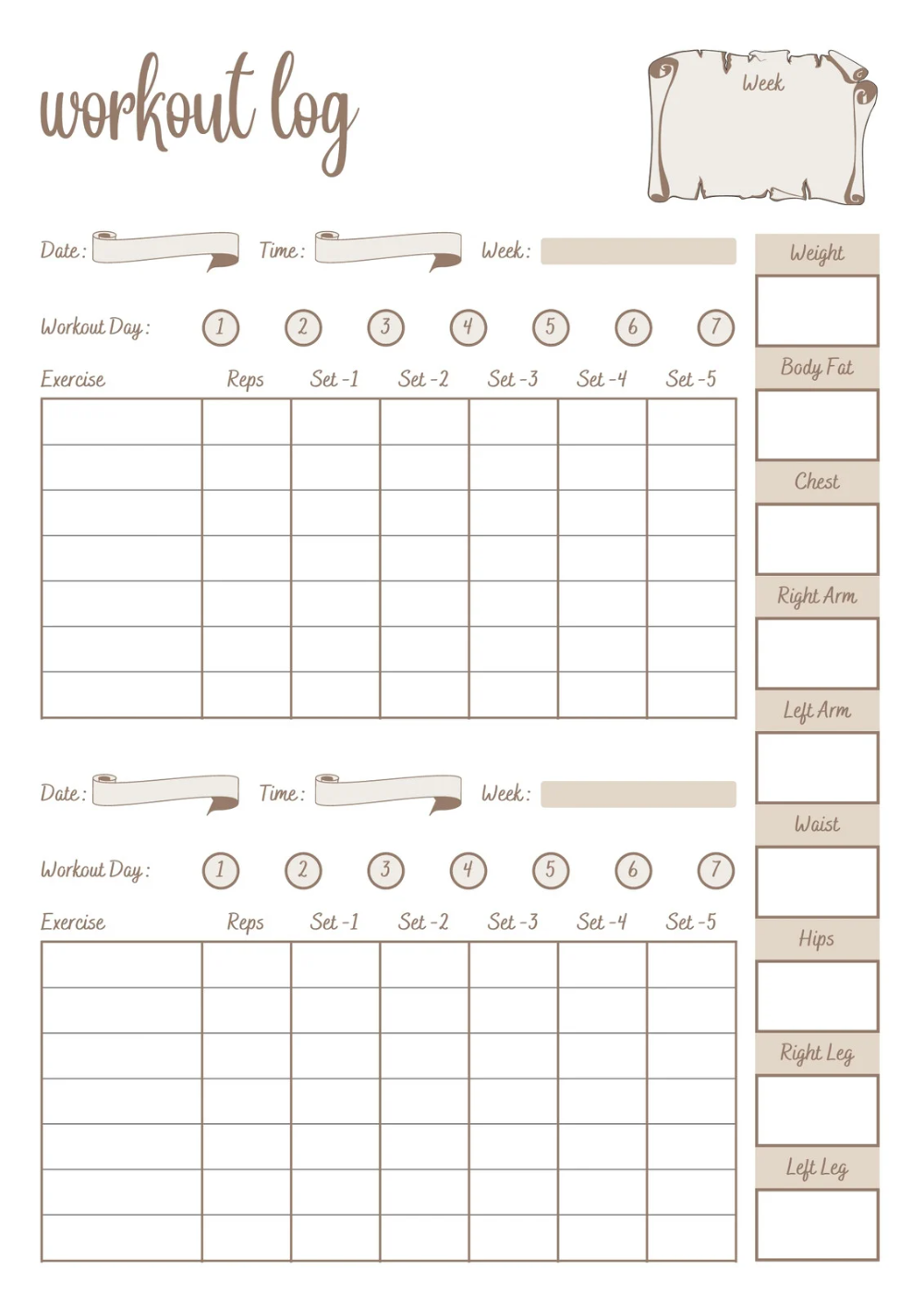
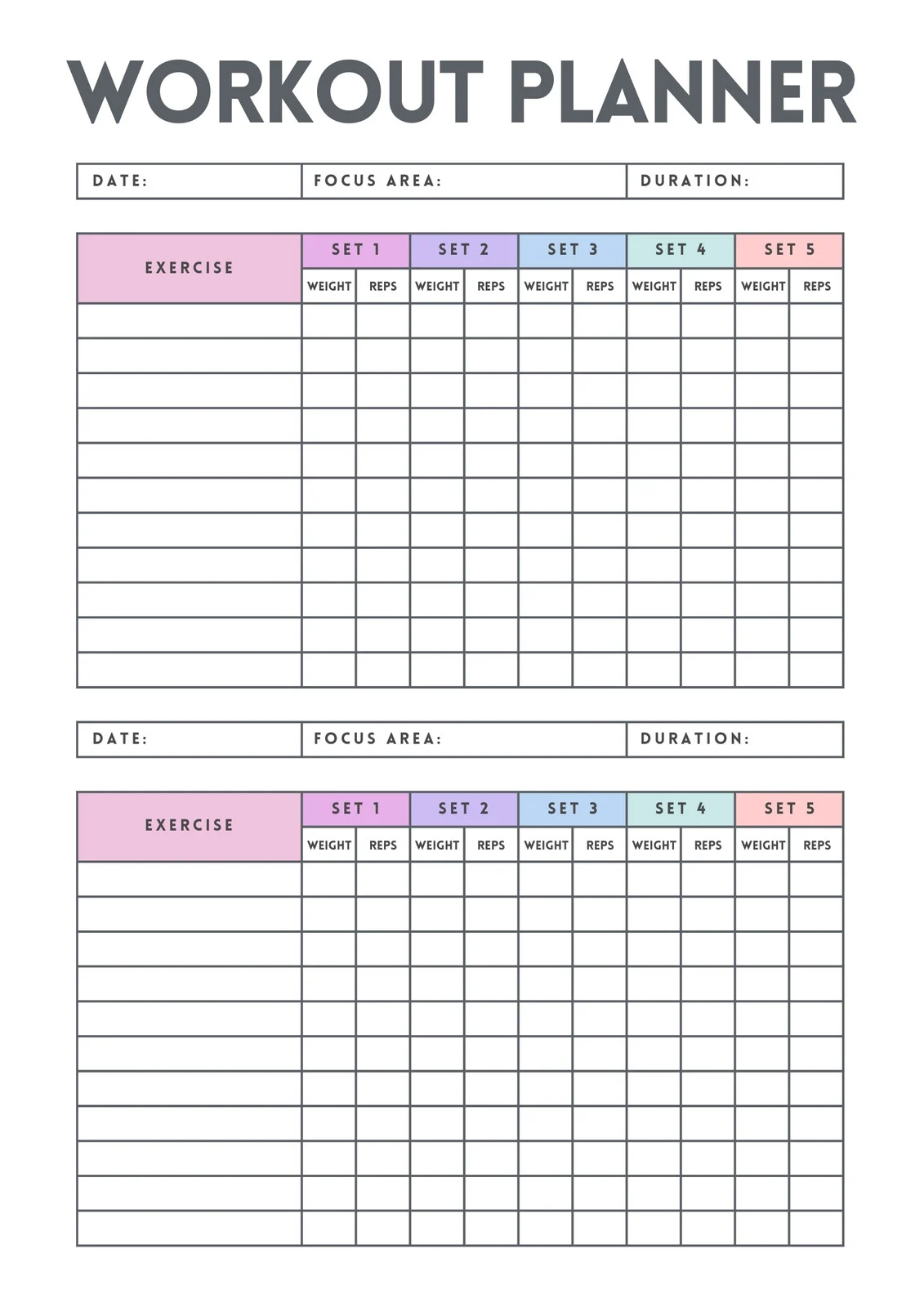
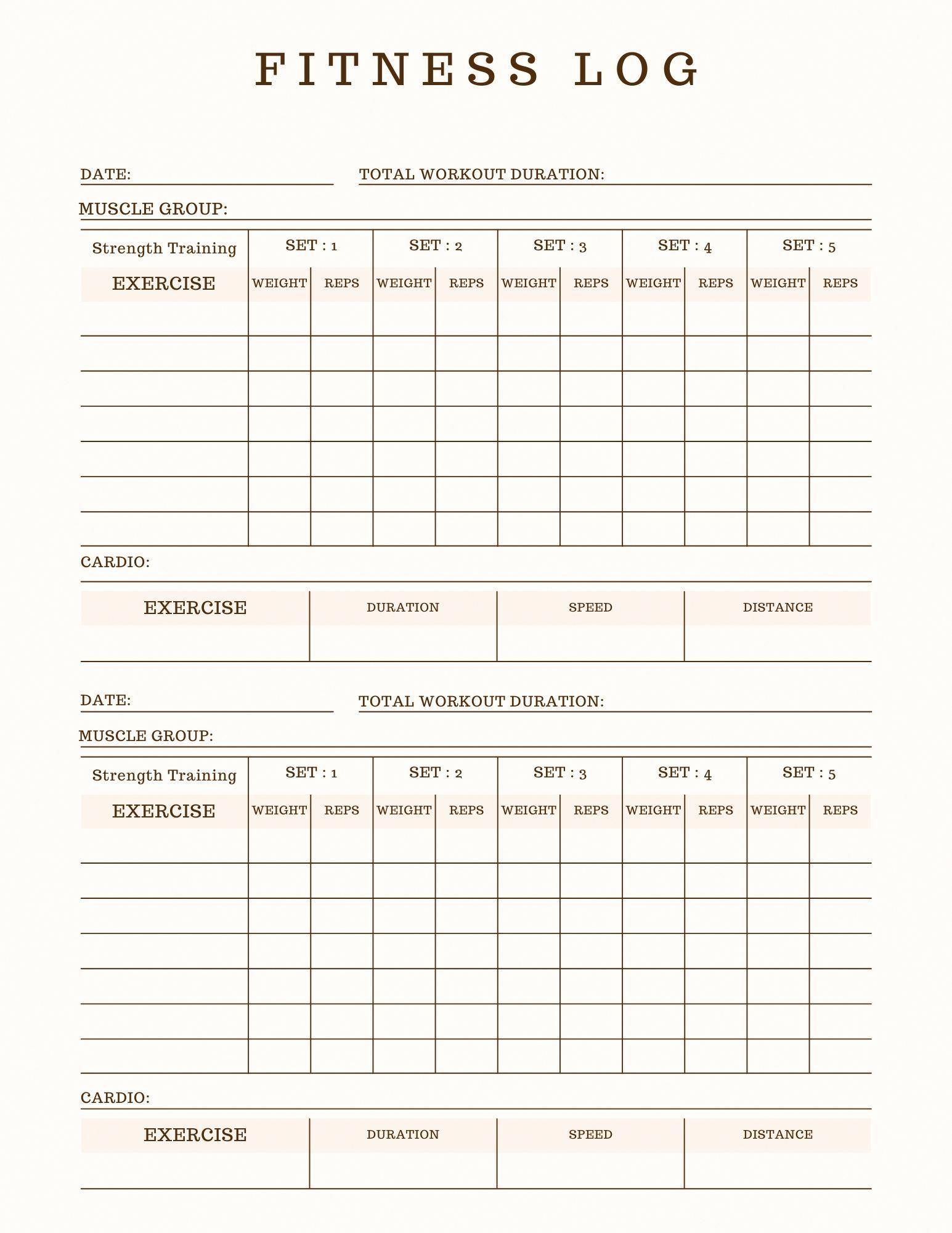
- Date: Record the date of your workout to track frequency and consistency.
- Exercise: Write down the specific exercises you performed during your workout.
- Sets and Reps: Note the number of sets and repetitions you completed for each exercise.
- Weight or Resistance: Record the amount of weight or resistance used for each exercise.
- Rest Periods: Include the duration of rest between sets and exercises.
- Duration: Note the total duration of your workout.
- Intensity: Rate the intensity of your workout on a scale of 1 to 10.
Examples
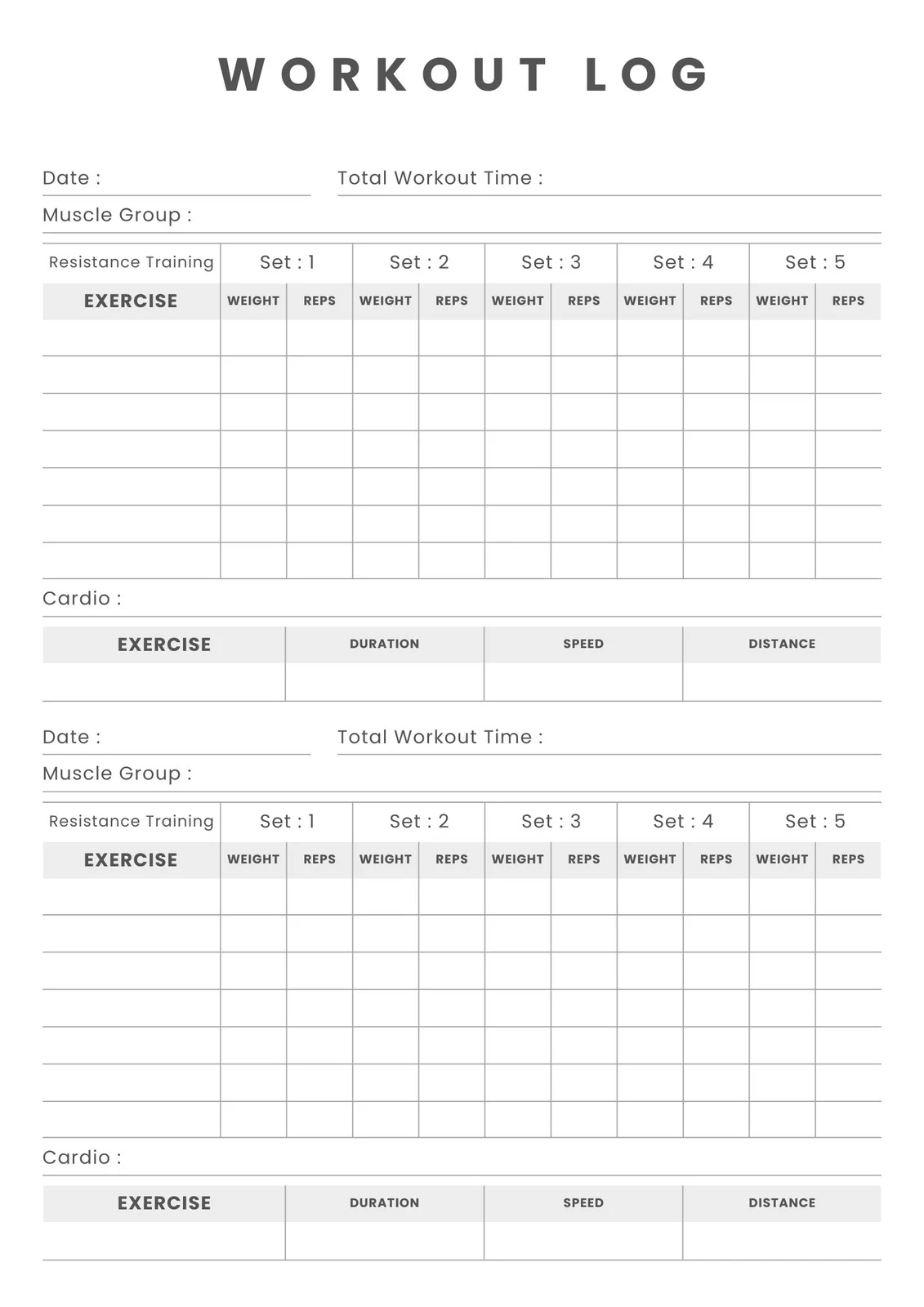
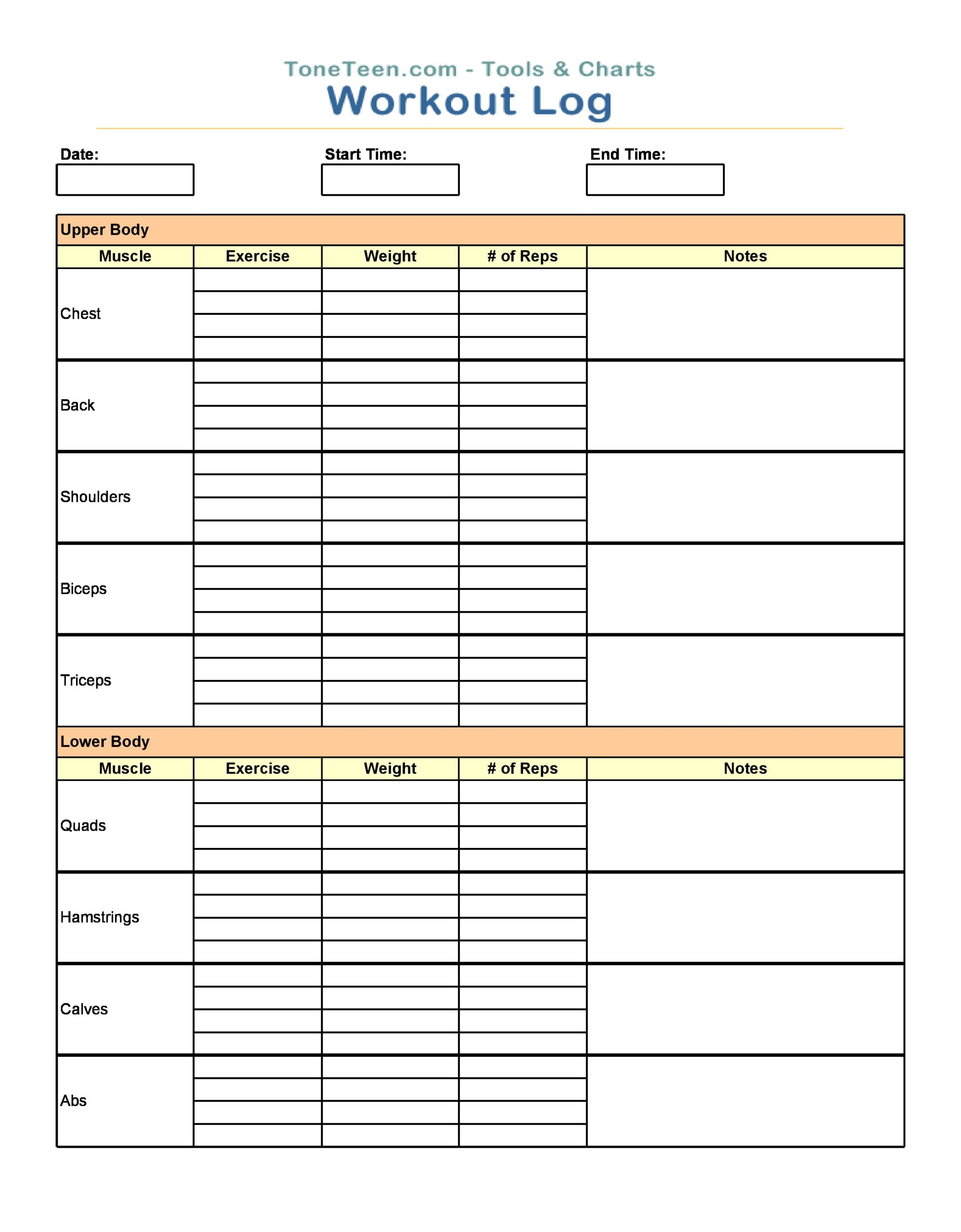
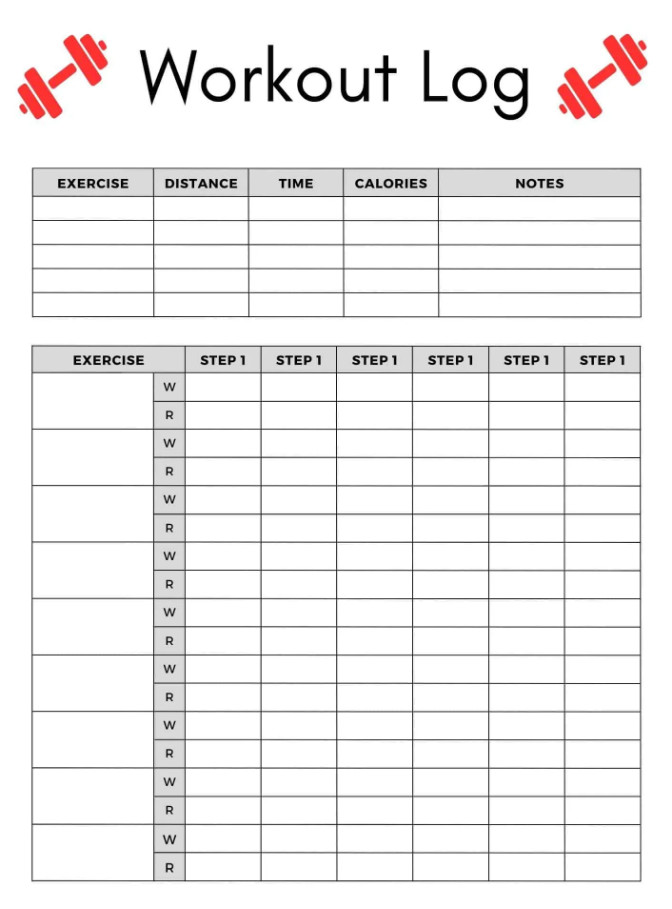
How to Keep a Fitness Log
There are several ways to keep a fitness log, depending on your preference and convenience:
1. Pen and Paper:
One of the simplest ways to keep a fitness log is to use a notebook or journal to write down your workouts. This method is easy, inexpensive, and allows for quick and easy tracking.
2. Fitness Apps:
There are numerous fitness apps available that can help you track your workouts, set goals, and monitor your progress. These apps often come with built-in features such as exercise libraries, workout plans, and progress charts.
3. Excel Spreadsheet:
If you prefer a more customizable approach, you can create a fitness log using an Excel spreadsheet. This allows you to tailor your log to your specific needs and track various metrics like weight, body measurements, and performance stats.
4. Online Platforms:
Some online platforms and websites offer fitness tracking tools that allow you to log your workouts, connect with other users, and access workout programs and resources.
5. Wearable Fitness Trackers:
If you have a wearable fitness tracker or smartwatch, you can use it to automatically track your workouts, steps, calories burned, and other fitness metrics. These devices sync with apps on your phone or computer, making it easy to monitor your progress.
Tips for Maximizing the Benefits of Using a Fitness Log
Here are some tips to help you make the most out of your fitness log:
- Be Consistent: Make it a habit to log your workouts regularly to get an accurate picture of your progress.
- Set Clear Goals: Define specific, measurable goals that you can track and work towards.
- Review and Reflect: Take time to review your log, identify areas for improvement, and celebrate your achievements.
- Try Different Formats: Experiment with different log formats to find what works best for you and keeps you motivated.
- Share Your Progress: Share your fitness journey with friends, family, or online communities for added support and accountability.
- Listen to Your Body: Pay attention to how your body responds to different workouts and adjust your training plan accordingly.
- Stay Flexible: Be open to making changes to your fitness log as your goals and preferences evolve.
By incorporating a fitness log into your routine, you can gain valuable insights into your workouts, track your progress, and stay motivated on your fitness journey. Whether you prefer a traditional pen-and-paper approach or a digital tracking system, the key is to find a method that works for you and helps you stay on track towards your goals. Start keeping a fitness log today and watch how it transforms your fitness routine!
Fitness Log Template – Download
