Buying a house is a significant milestone in one’s life, and it involves a number of important legal documents, one of them being the house purchase agreement. This document outlines the terms and conditions of the sale, protecting both the buyer and the seller throughout the transaction process. Understanding the ins and outs of a house purchase agreement is crucial for a smooth and successful home-buying experience.
In this guide, we will delve into the details of what a house purchase agreement is, why it is important, what to include in the agreement, how to navigate the process, and some essential tips to keep in mind.
What is a House Purchase Agreement?
A house purchase agreement, also known as a purchase and sale agreement or a sales contract, is a legally binding contract between a buyer and a seller that outlines the terms and conditions of the sale of a property. This document typically includes details such as the purchase price, closing date, contingencies, and other important provisions related to the transaction. The house purchase agreement serves as a roadmap for the entire home-buying process, ensuring that both parties are aware of their rights and responsibilities.
Why is a House Purchase Agreement Important?
The house purchase agreement is a crucial document in the home-buying process for several reasons. Firstly, it helps both the buyer and the seller clearly understand the terms of the sale, reducing the likelihood of misunderstandings or disputes later on. Secondly, the agreement provides legal protection for both parties, outlining what is expected of each party and what recourse is available in case of breach of contract. Lastly, the house purchase agreement helps streamline the transaction process, ensuring that all necessary details are addressed and agreed upon before the closing date.
What to Include in a House Purchase Agreement
When drafting a house purchase agreement, it is important to include the following key elements:
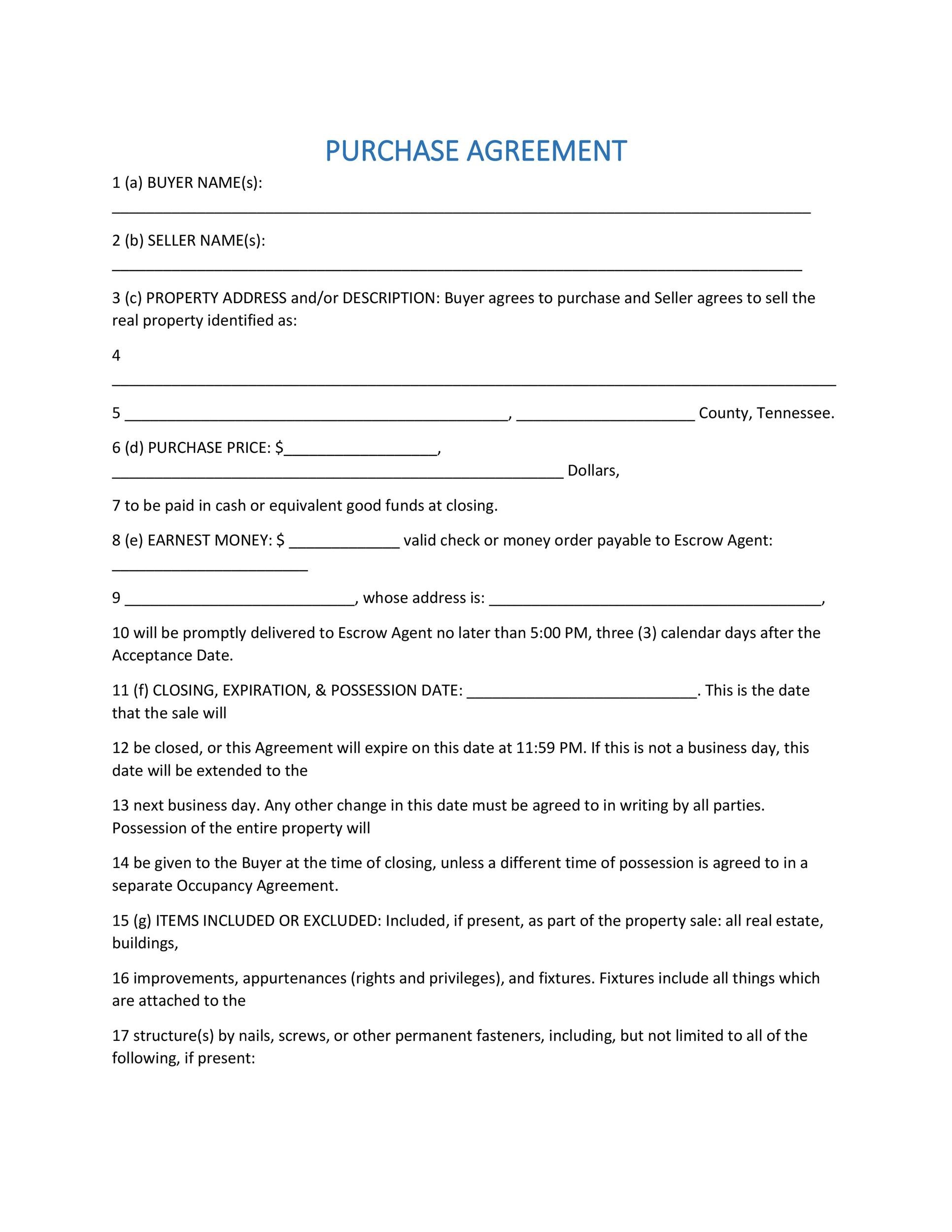
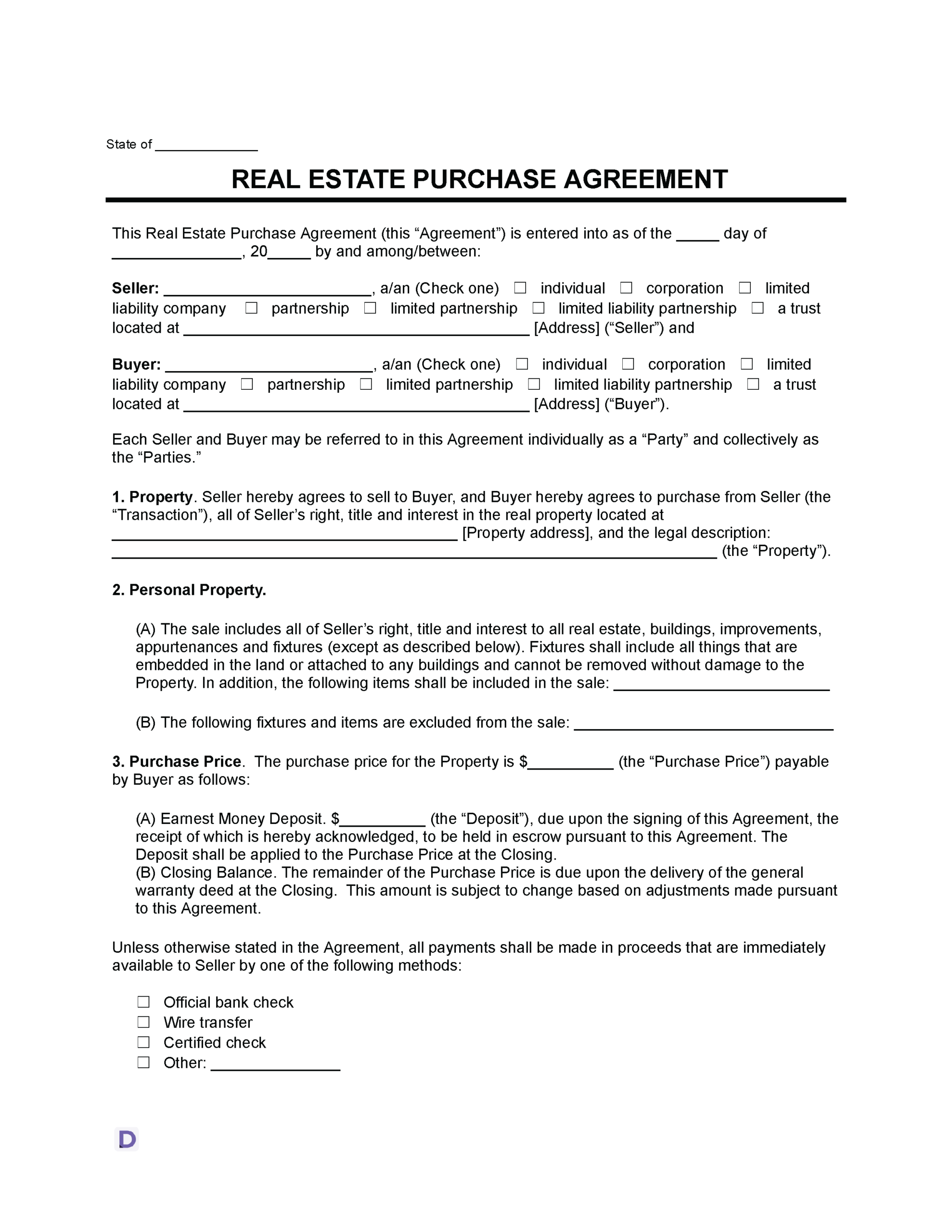
- Property Details: Include a detailed description of the property being sold, including the address, legal description, and any other pertinent information.
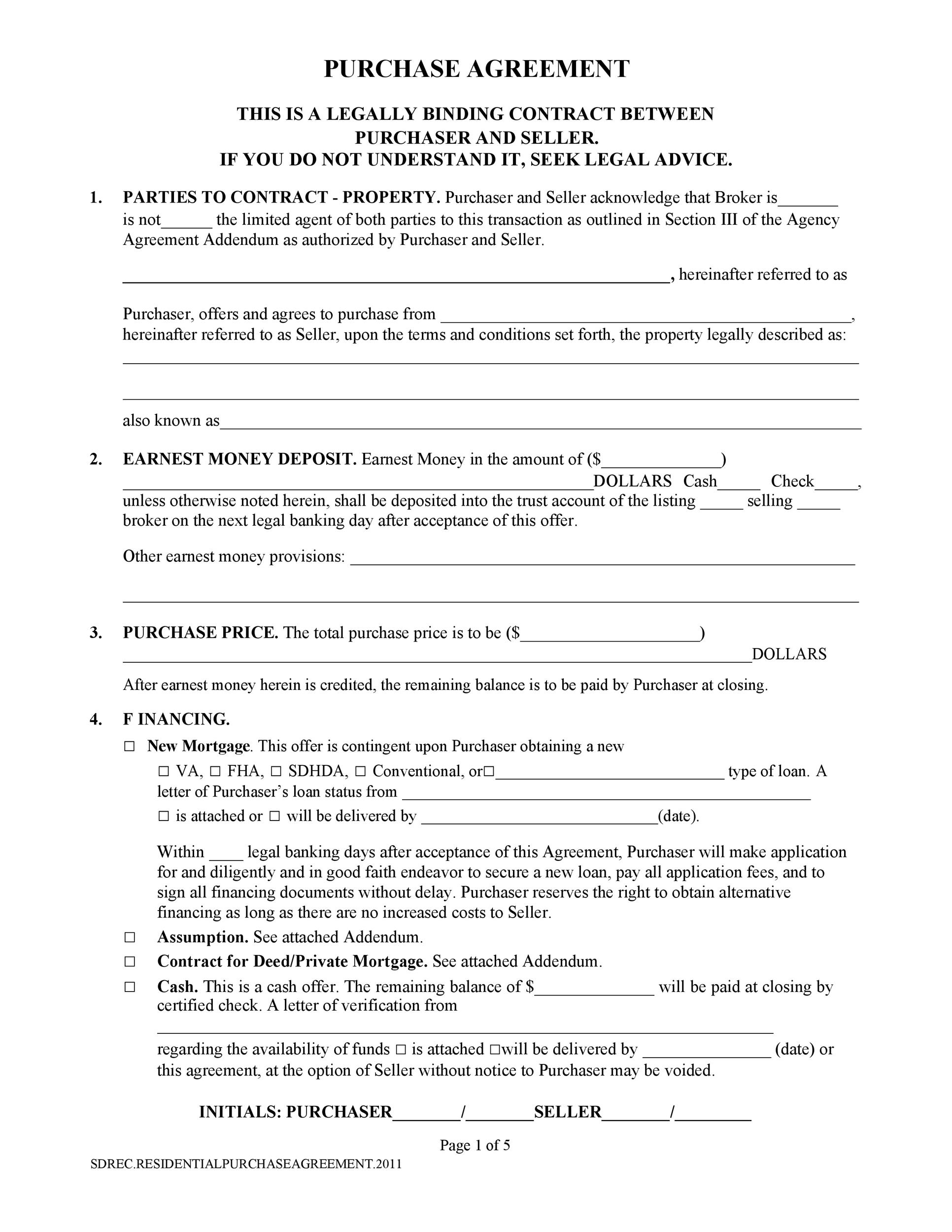
- Purchase Price: Clearly state the agreed-upon purchase price for the property.
- Deposit Amount: Specify the amount of the deposit that the buyer is required to pay upon signing the agreement.
- Contingencies: Outline any conditions that must be met for the sale to proceed, such as financing or home inspection contingencies.
- Closing Date: Specify the date by which the sale must be finalized.
- Appliances and Fixtures: Clarify which appliances and fixtures are included in the sale.
- Home Inspection: Detail how and when the home inspection will be conducted.
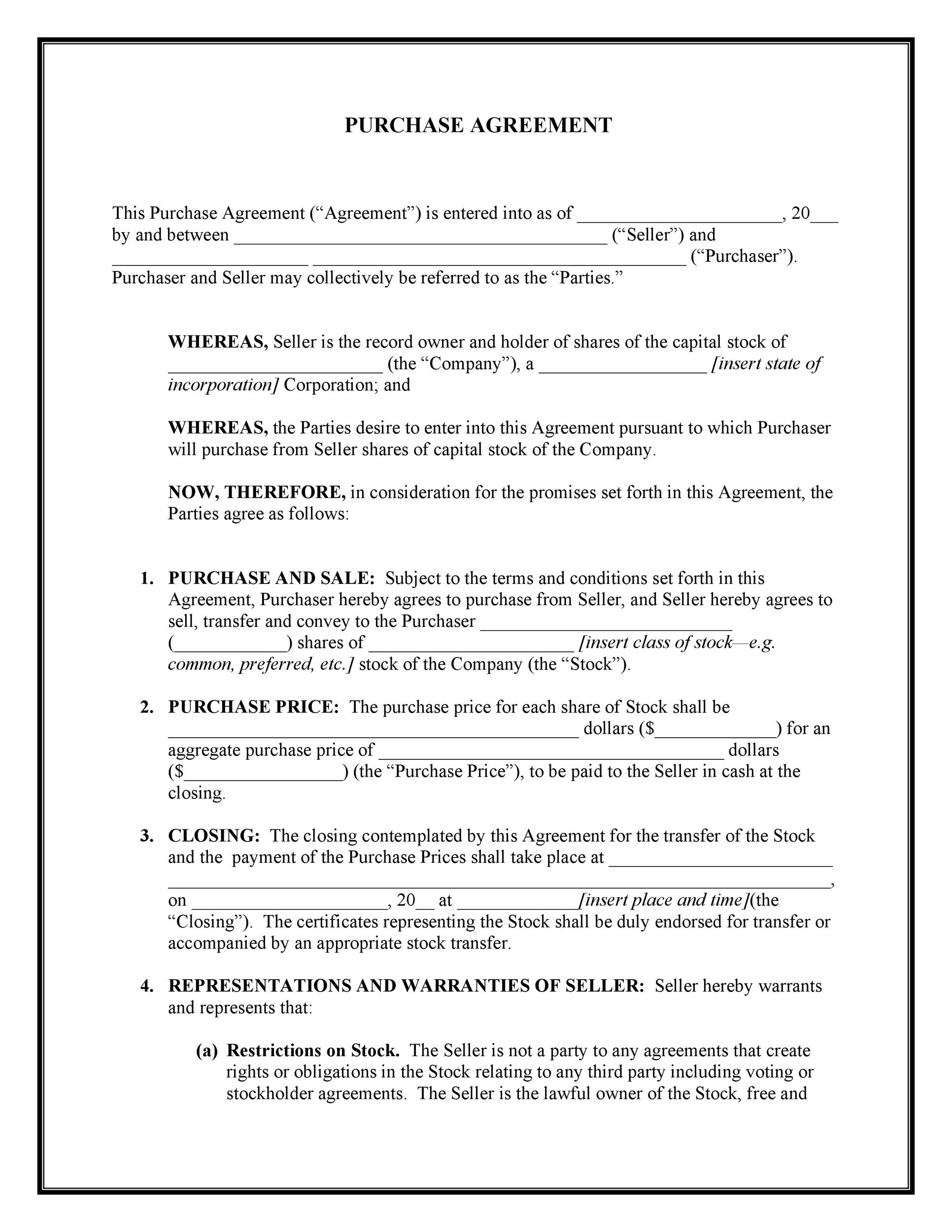
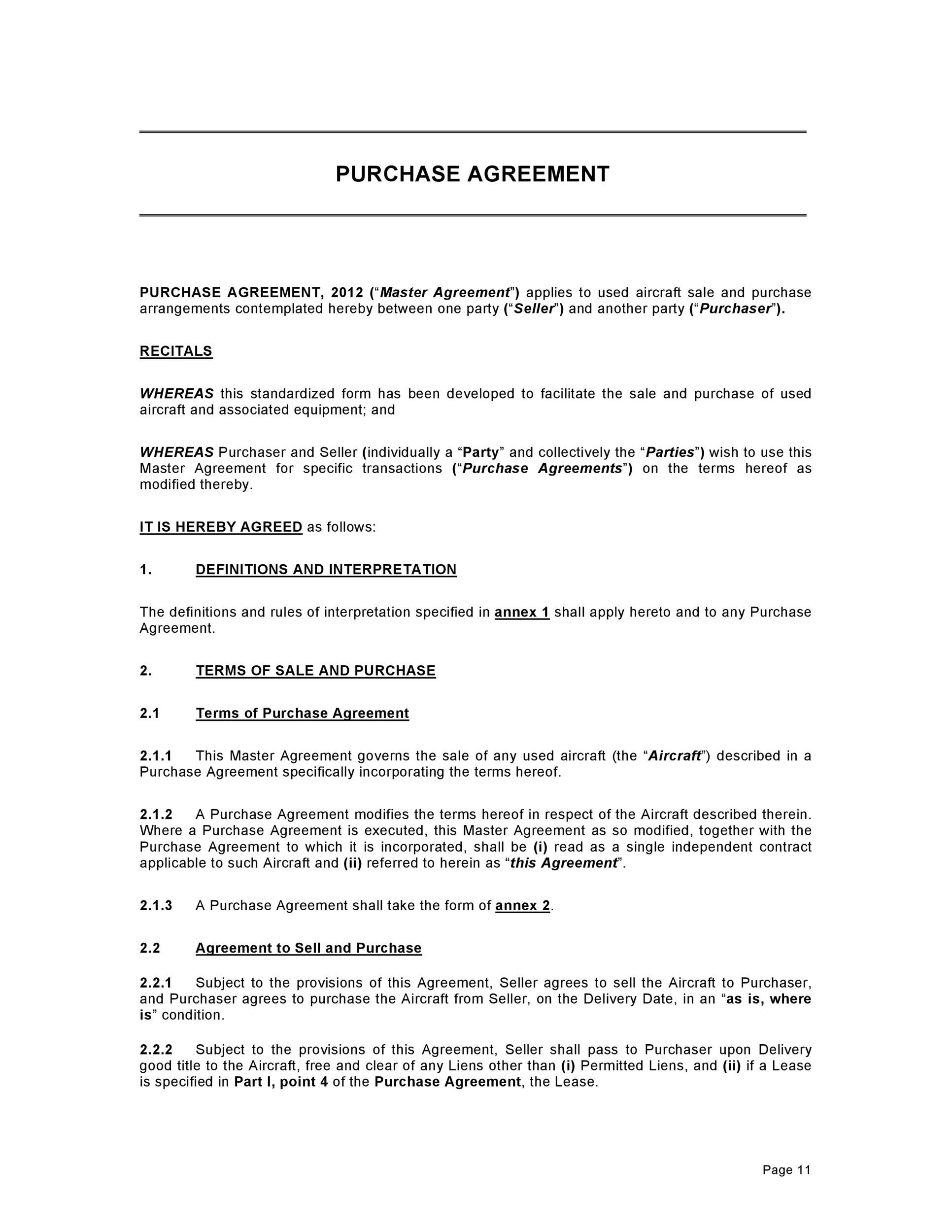
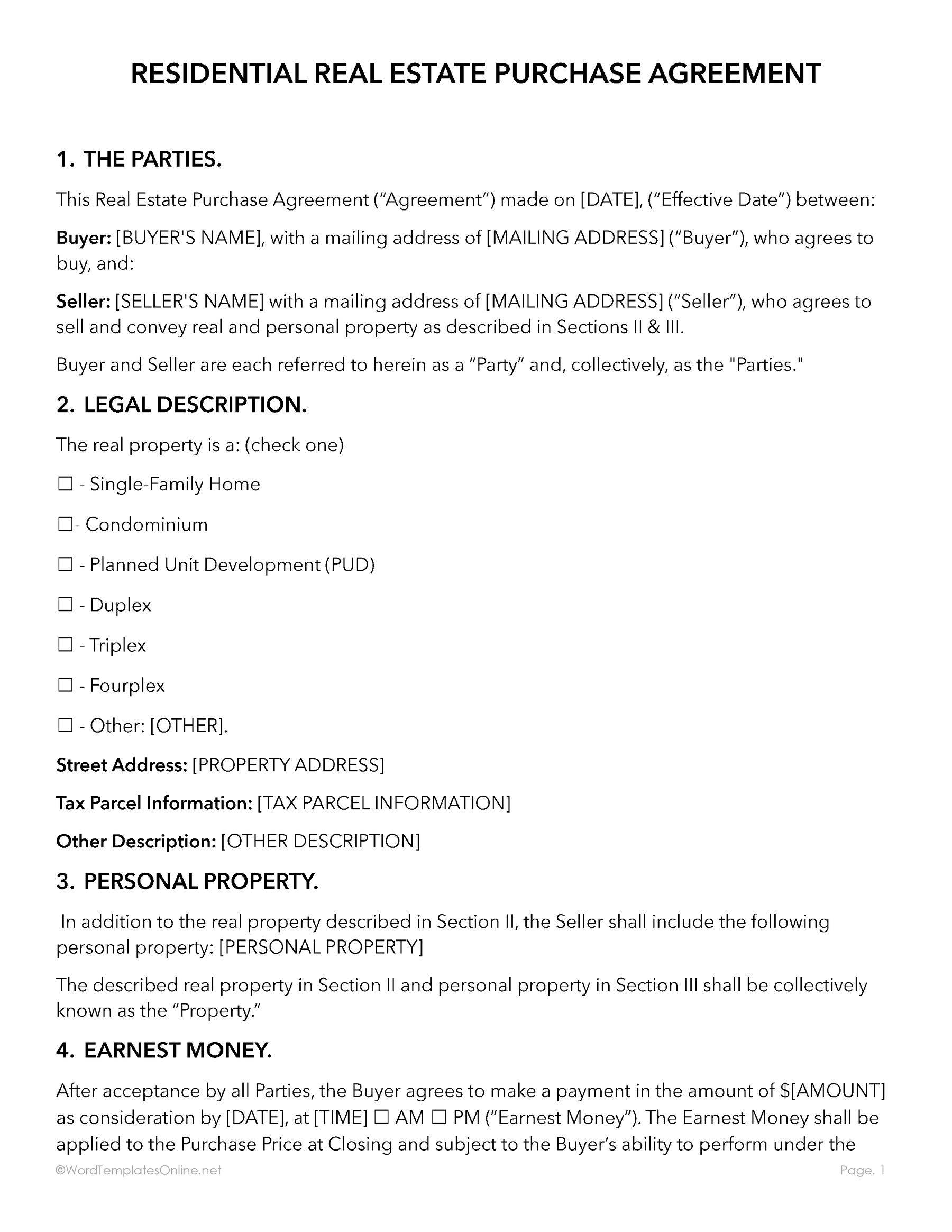
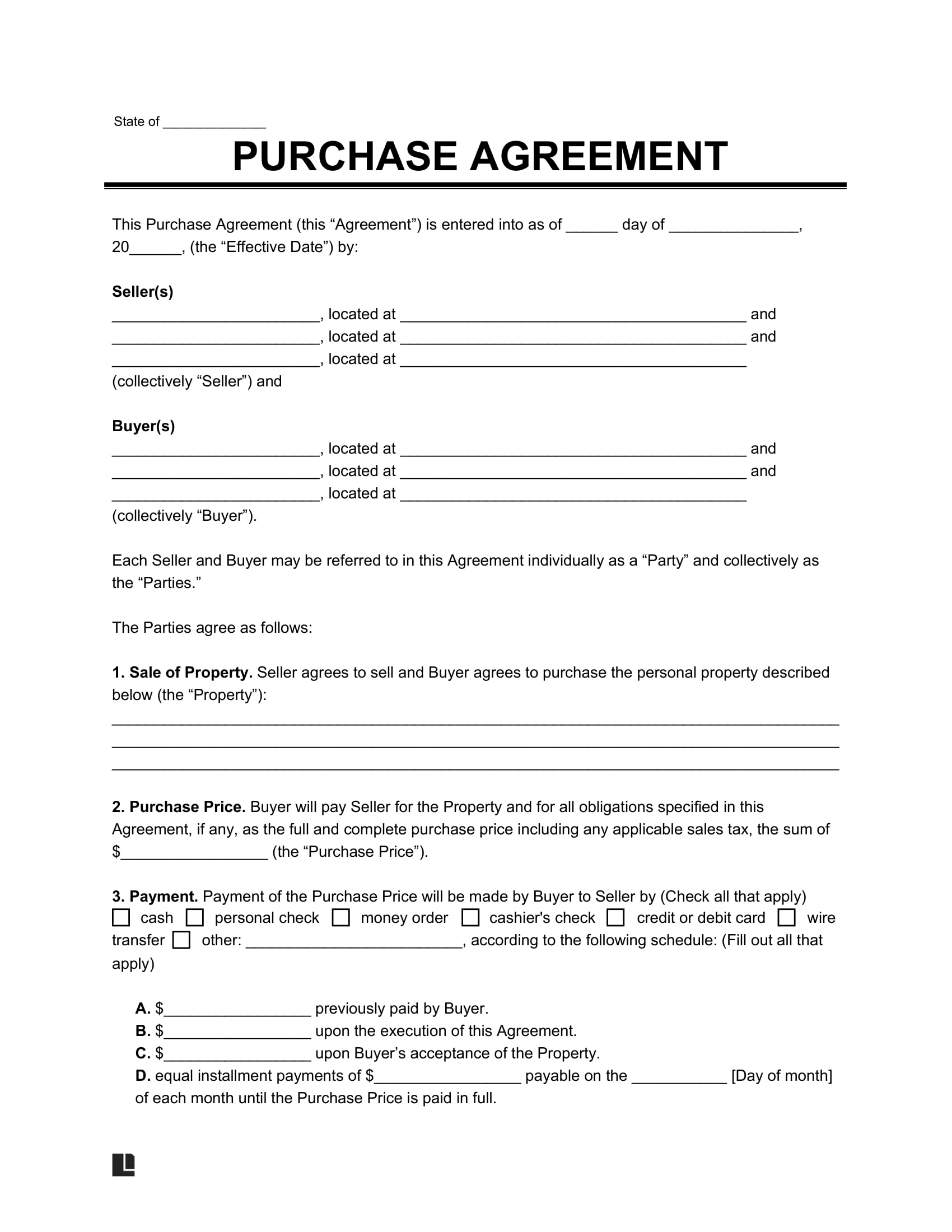
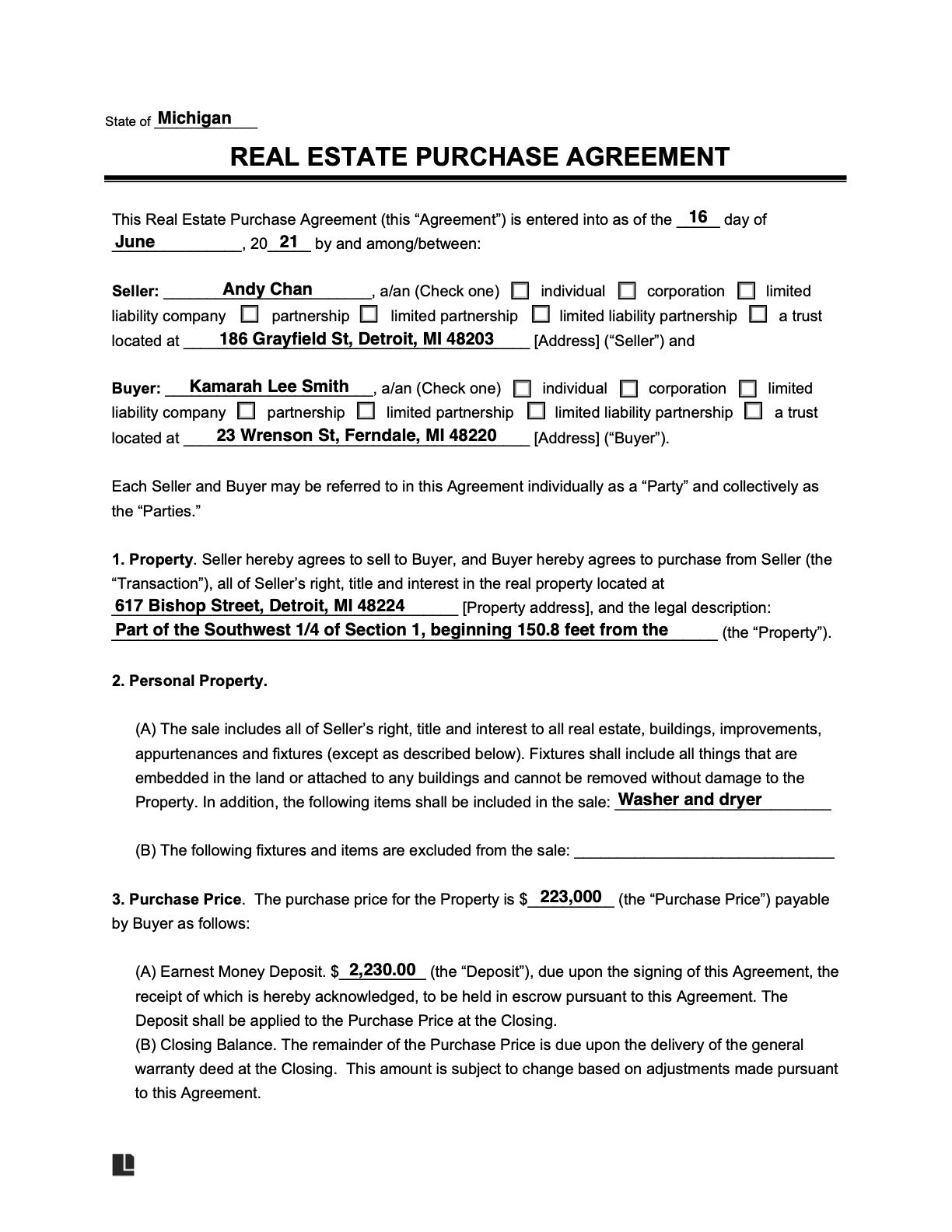
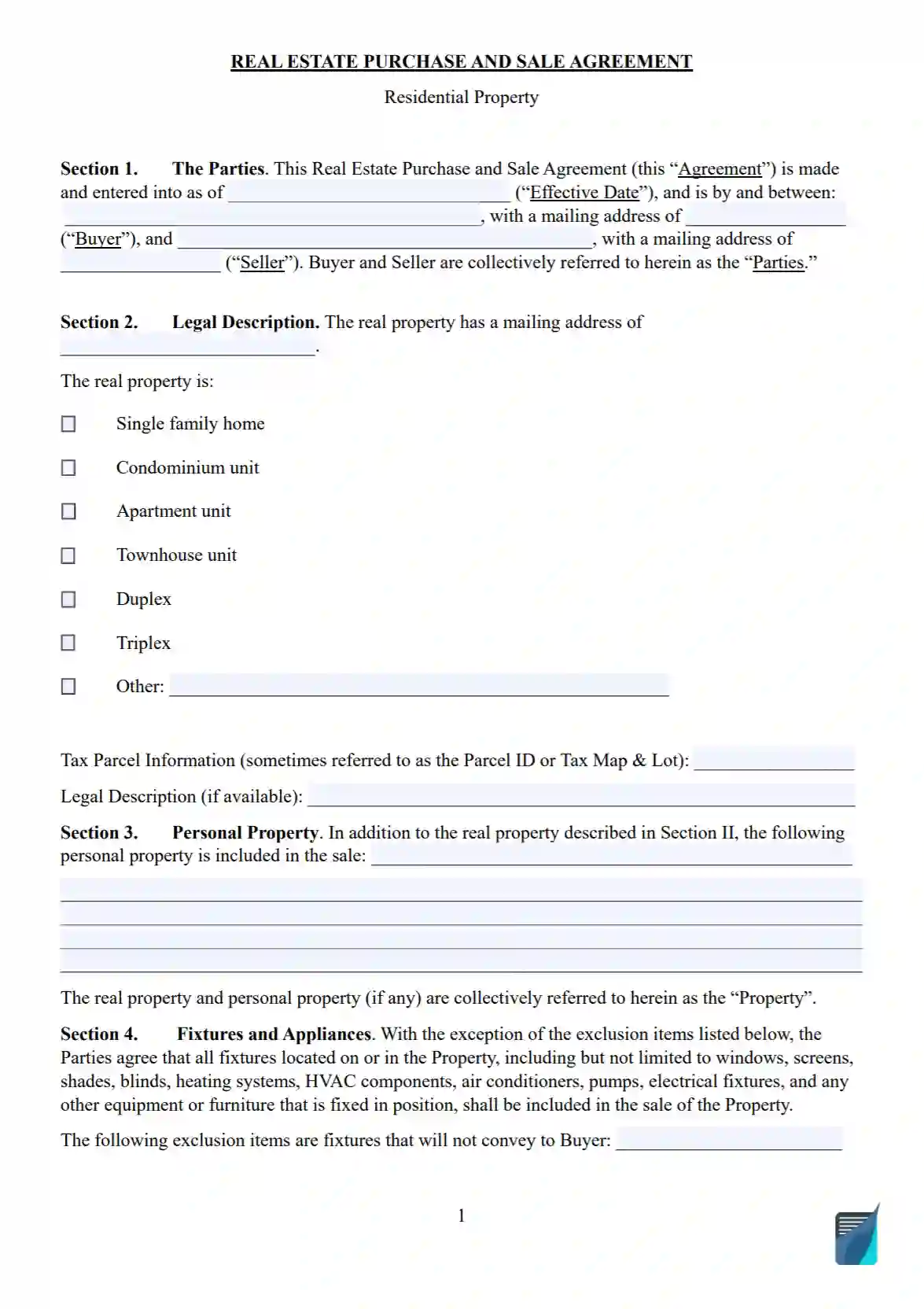
Examples
How to Navigate the House Purchase Agreement Process
Navigating the house purchase agreement process can seem daunting, but with the right guidance, it can be a smooth and manageable experience. Here are some steps to help you navigate the process:
1. Hire a Real Estate Agent
Working with a qualified real estate agent can help you understand the intricacies of the house purchase agreement and negotiate the best terms for your purchase.
2. Review the Agreement Carefully
Take the time to carefully review the house purchase agreement with your real estate agent or legal advisor to ensure that you understand all the terms and conditions.
3. Negotiate Terms
If there are any terms in the agreement that you are not comfortable with, don’t be afraid to negotiate with the seller to reach a mutually acceptable agreement.
4. Conduct Due Diligence
Before signing the agreement, make sure to conduct thorough due diligence on the property, including inspections and appraisals, to ensure that you are making an informed decision.
5. Seek Legal Advice
If you have any questions or concerns about the house purchase agreement, don’t hesitate to seek legal advice from a qualified real estate attorney to ensure that your rights are protected.
6. Stay Organized
Keep all paperwork related to the house purchase agreement organized and easily accessible to avoid any confusion or delays during the transaction process.
7. Be Prepared for Closing
As the closing date approaches, make sure you have all necessary documents and funds in order to facilitate a smooth and timely closing process.
Essential Tips for a Successful House Purchase Agreement
Here are some essential tips to keep in mind when dealing with a house purchase agreement:
- Communicate Clearly: Keep open lines of communication with the seller and your real estate agent throughout the process.
- Get Everything in Writing: Make sure all agreements and negotiations are documented in writing to avoid any misunderstandings.
- Understand Your Rights: Familiarize yourself with your rights as a buyer and ensure that they are protected in the agreement.
- Don’t Rush: Take your time to review and understand the agreement before signing to avoid any regrets later on.
- Seek Professional Advice: When in doubt, seek advice from a real estate professional or legal advisor to ensure that you are making informed decisions.
House Purchase Agreement Template – Download
