History is a fascinating subject that allows us to explore the past, understand how we got to where we are today, and imagine what the future may hold. One of the most valuable tools in studying history is the timeline. A history timeline is a chronological list of events, arranged in order of occurrence, that helps us visualize the progression of time and the interconnectedness of different periods.
In this article, we will delve into the world of history timelines, exploring their importance, what to include in them, how to create one, and some tips for effectively using them.
What is a History Timeline?
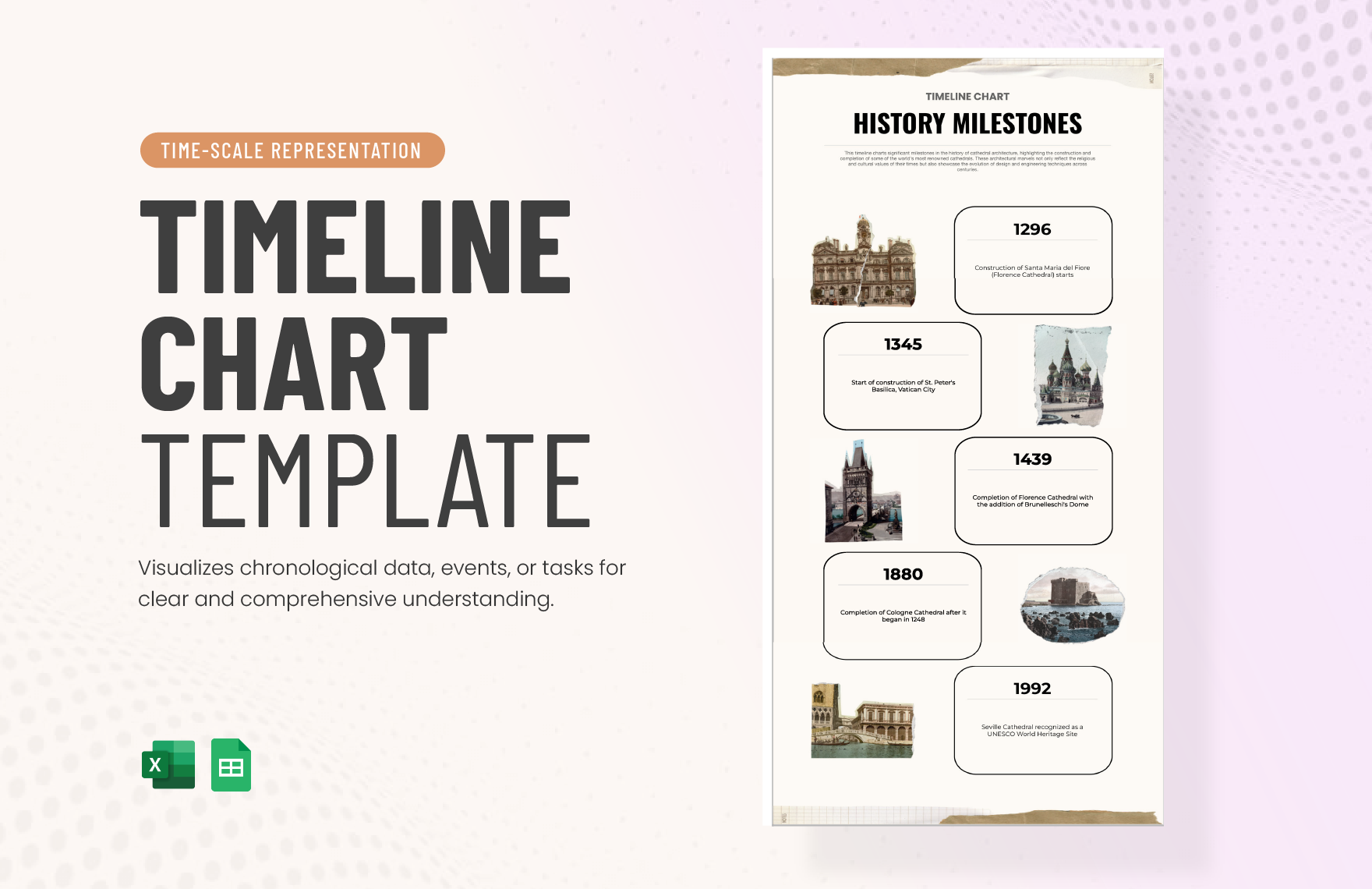
A history timeline is a visual representation of historical events in chronological order. It provides a clear and structured overview of the sequence of events that have shaped the world we live in today.
Timelines can cover a wide range of topics, from the history of a specific region or civilization to broader themes such as technology, art, or politics. By linearly organizing events, timelines help us understand the context in which historical events occurred and identify patterns and trends over time.
Why are History Timelines Important?
History timelines are important for several reasons. Firstly, they help us make sense of the past by presenting events in a clear and organized manner. By visualizing the sequence of events, we can better understand cause-and-effect relationships and see how different events are connected. Timelines also allow us to see the big picture and identify key turning points or significant moments in history.
Additionally, timelines can help us remember and retain information more effectively by providing a visual aid that enhances our understanding and memory.
What to Include in a History Timeline
When creating a history timeline, it is important to include a variety of information to provide a comprehensive overview of the subject. Here are some key elements to consider, including:
- Events: Include significant events, such as wars, revolutions, discoveries, inventions, and key historical moments.
- Dates: Clearly label each event with the date it occurred to maintain chronological order.
- Images: Use visual representations, such as photos, illustrations, or symbols, to enhance the timeline and make it more engaging.
- Descriptions: Provide brief descriptions or explanations of each event to give context and background information.
- Connections: Show how events are connected or related to each other to demonstrate the flow of history.
- Themes: Organize events by themes or categories to highlight specific aspects of history, such as social, political, or cultural developments.
- Sources: Cite your sources to ensure the accuracy and reliability of the information presented in the timeline.
Examples
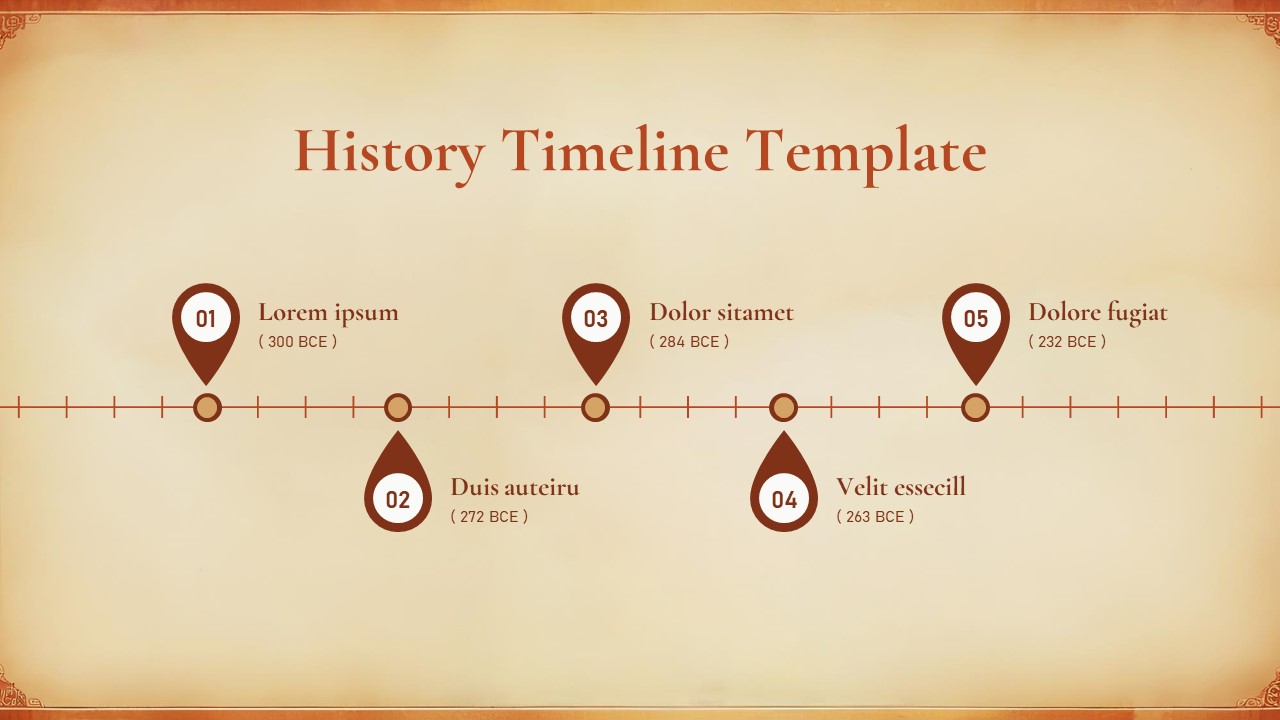
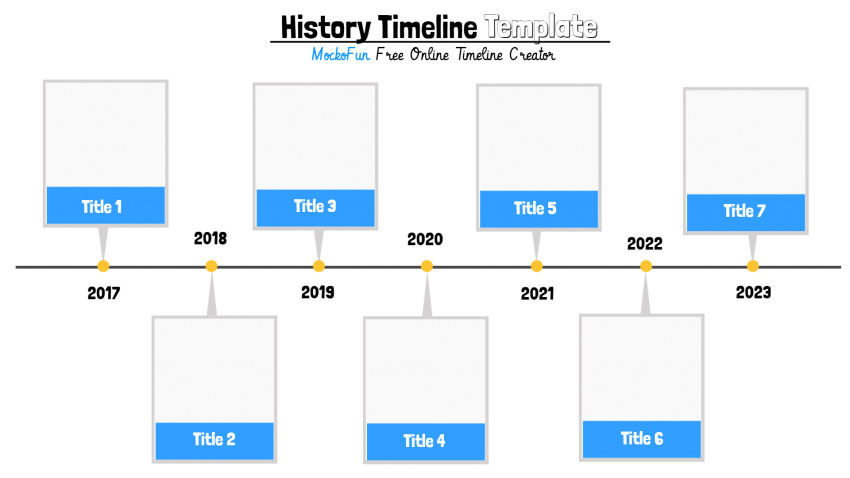
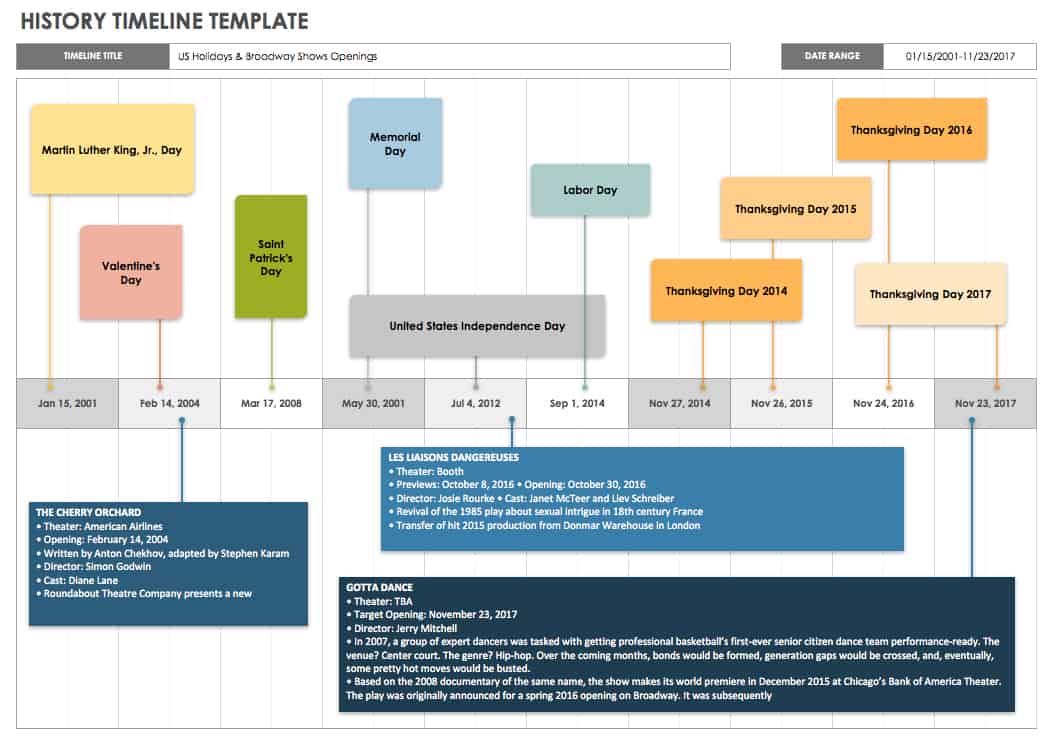
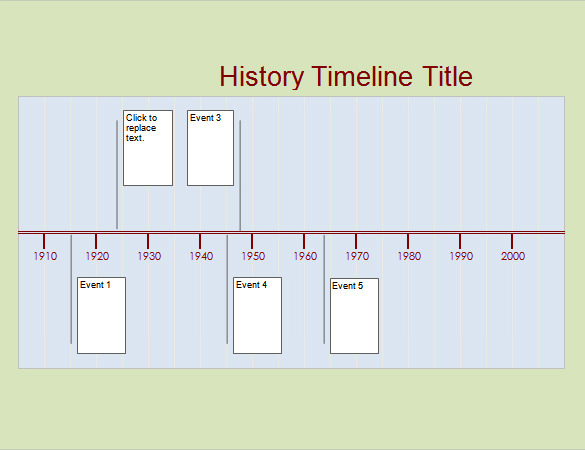
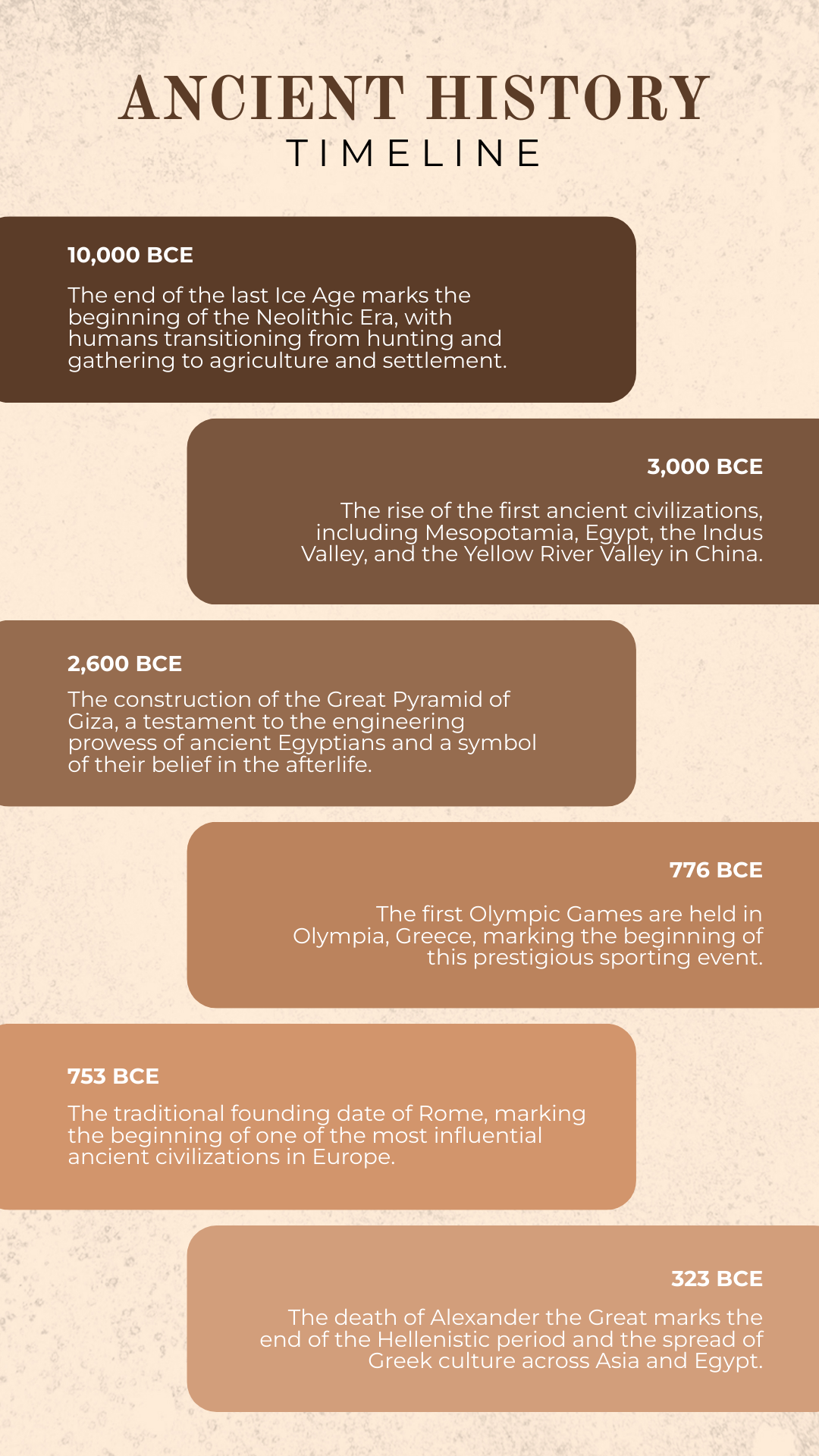
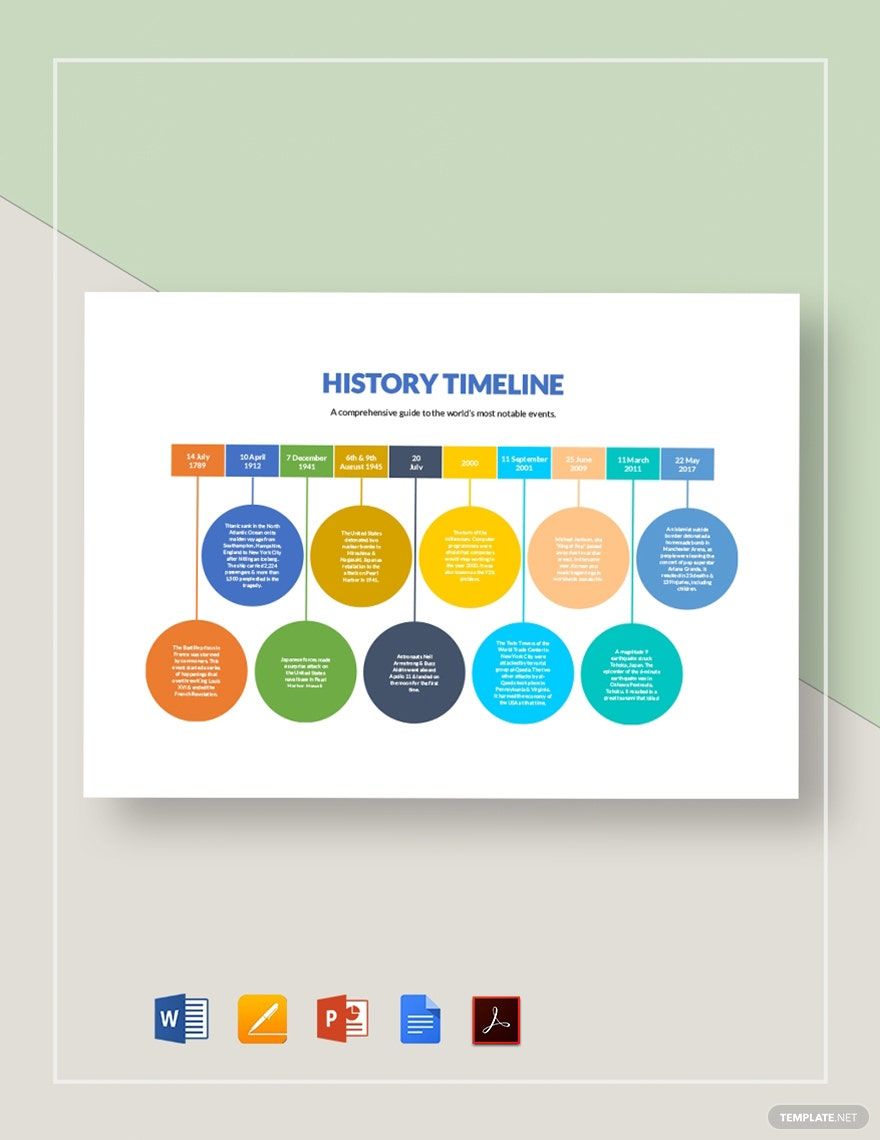
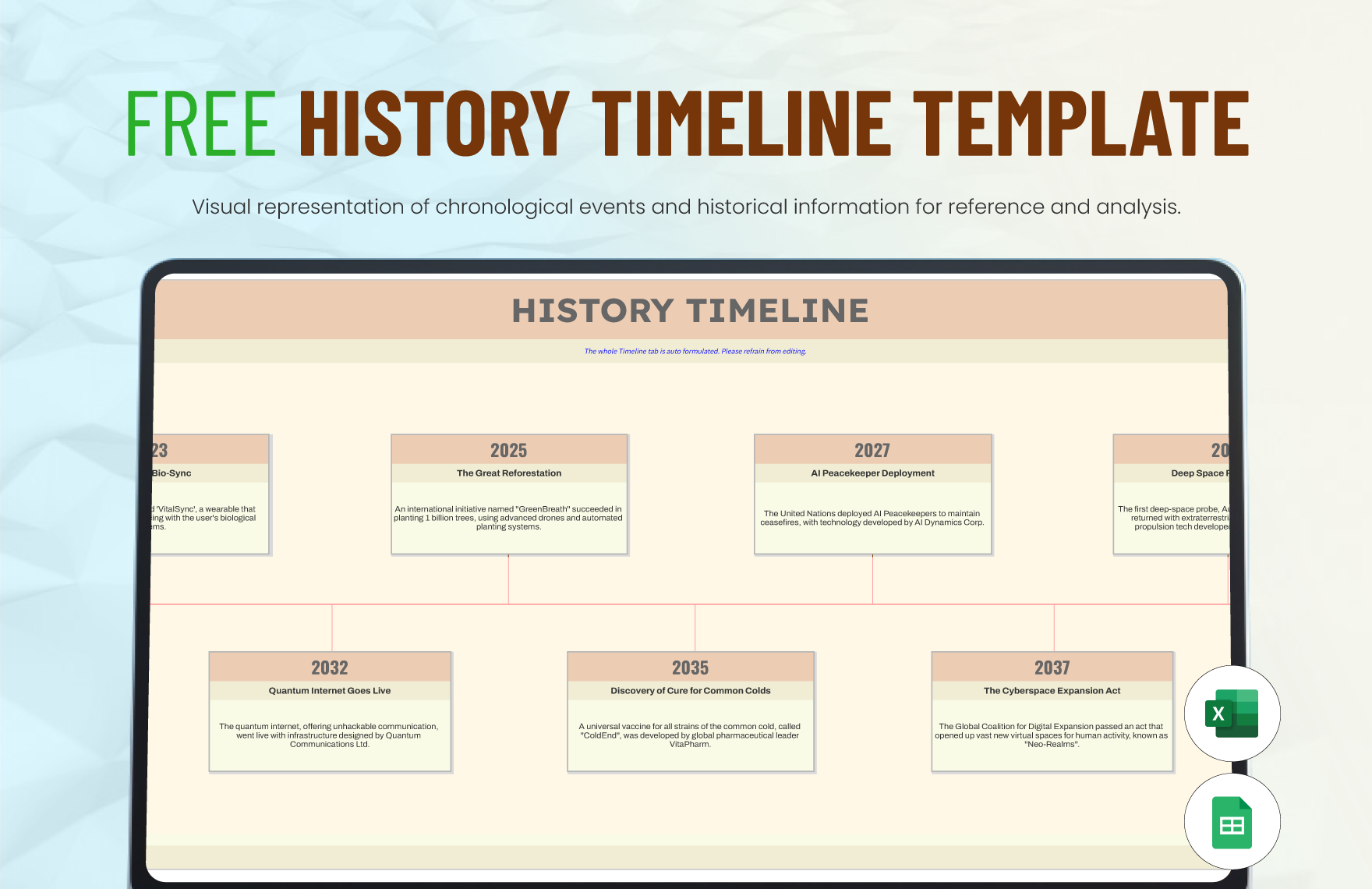
How to Create a History Timeline
Creating a history timeline can be a fun and educational experience. Here are some steps to help you get started:
1. Choose a Topic:
Select a specific historical period, event, or theme that you would like to explore in your timeline. This will help you narrow down the information and create a focused timeline.
2. Gather Information:
Research and gather relevant information about the events you want to include in your timeline. Make sure to verify the accuracy of the information and use reliable sources.
3. Organize Events:
Determine the sequence in which events occurred and arrange them in chronological order. You can use a timeline template or software to help you with this process.
4. Add Visual Elements:
Enhance your timeline with visual elements, such as images, icons, or colors, to make it more engaging and visually appealing.
5. Include Descriptions:
Write brief descriptions or captions for each event to provide context and background information for the reader.
6. Review and Refine:
Review your timeline to ensure accuracy, clarity, and coherence. Make any necessary revisions or additions to improve the overall quality of the timeline.
7. Share and Engage:
Share your history timeline with others to spark conversations, generate interest, and promote a deeper understanding of the subject matter. Encourage feedback and discussion to enrich the learning experience.
Tips for Using History Timelines Effectively
Here are some tips for using history timelines effectively:
- Focus on Key Events: Prioritize significant events that have had a lasting impact on history.
- Use Visual Cues: Employ visual cues, such as colors or symbols, to highlight important dates or themes.
- Update Regularly: Keep your timeline up to date with new information or developments to ensure its relevance and accuracy.
- Engage with Others: Discuss your timeline with friends, classmates, or colleagues to gain new insights and perspectives.
- Explore Different Formats: Experiment with different formats, such as digital timelines or interactive timelines, to make history come alive.
- Have Fun: Enjoy the process of creating and exploring history timelines as a way to deepen your understanding and appreciation of the past.
The Power of History Timelines
History timelines are powerful tools that allow us to travel through time, explore different eras, and connect with the past in a meaningful way. By creating and using history timelines, we can gain a deeper appreciation for the complexity and richness of human history and better understand how the past has shaped the present. Whether you are a student, a history buff, or simply curious about the world around you, history timelines offer a valuable insight into the unfolding of time and the stories that have shaped our world.
History Timeline Template – Download
