Have you ever found yourself faced with a complex problem that seems impossible to solve? Whether you’re dealing with issues in your personal life or trying to improve processes in your workplace, the fishbone diagram is a powerful tool that can help you identify the root causes of problems and find effective solutions.
In this comprehensive guide, we will explore what fishbone diagrams are, why they are so valuable, and how you can create your own to tackle any challenge that comes your way.
What is a Fishbone Diagram?
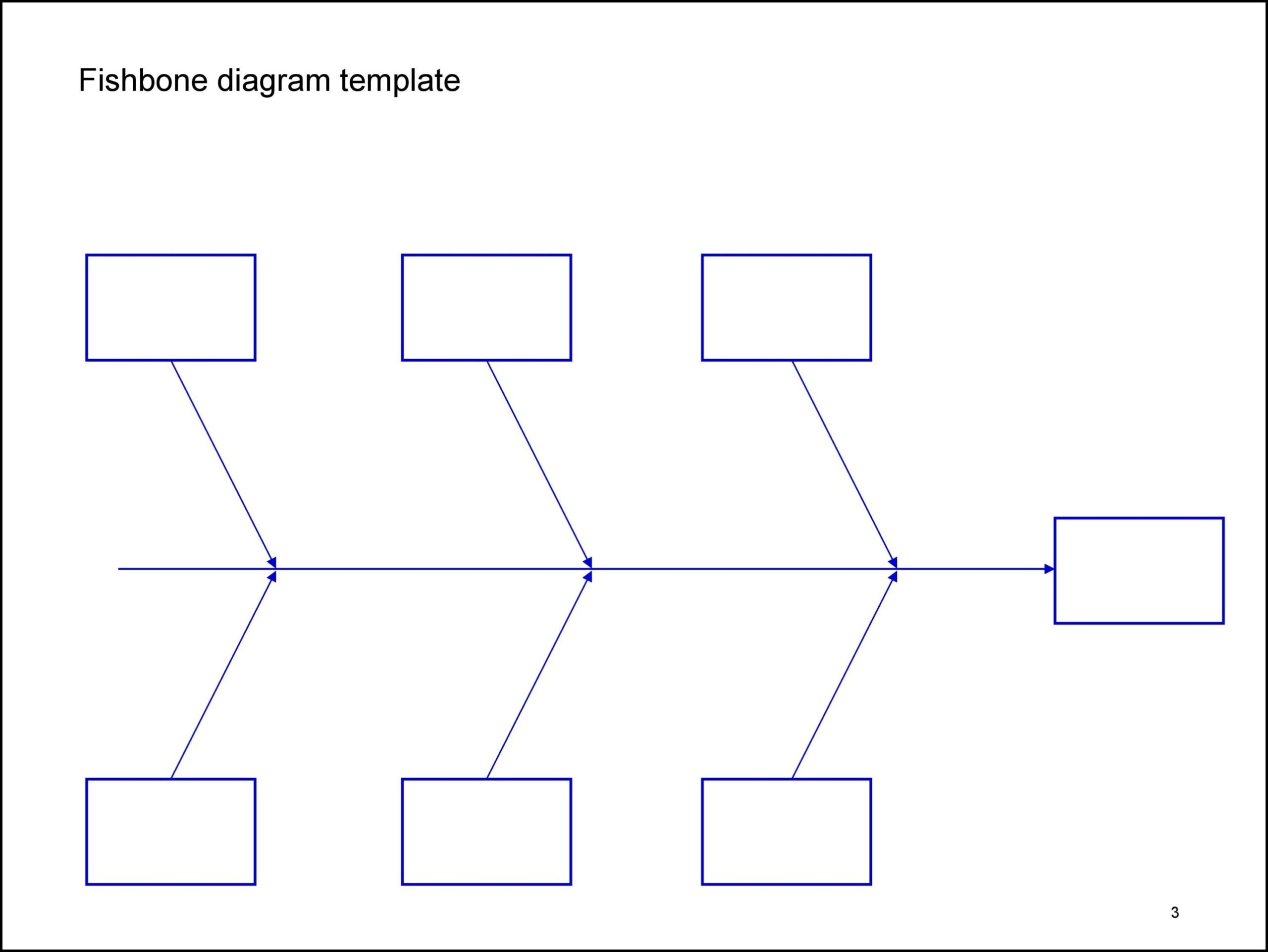
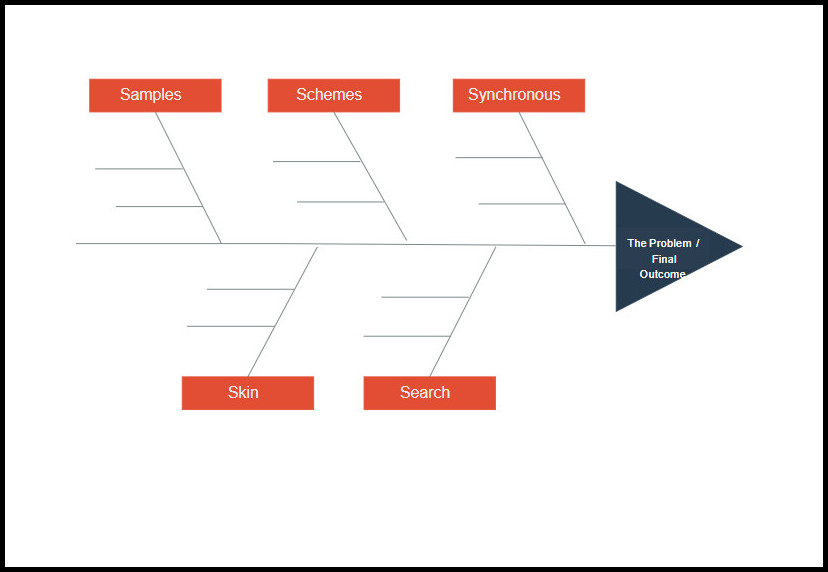
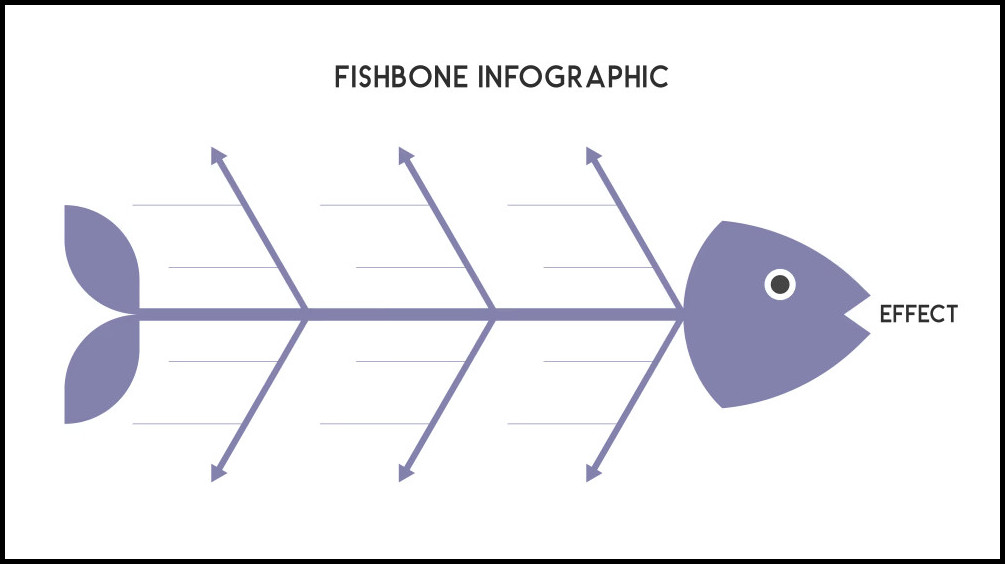
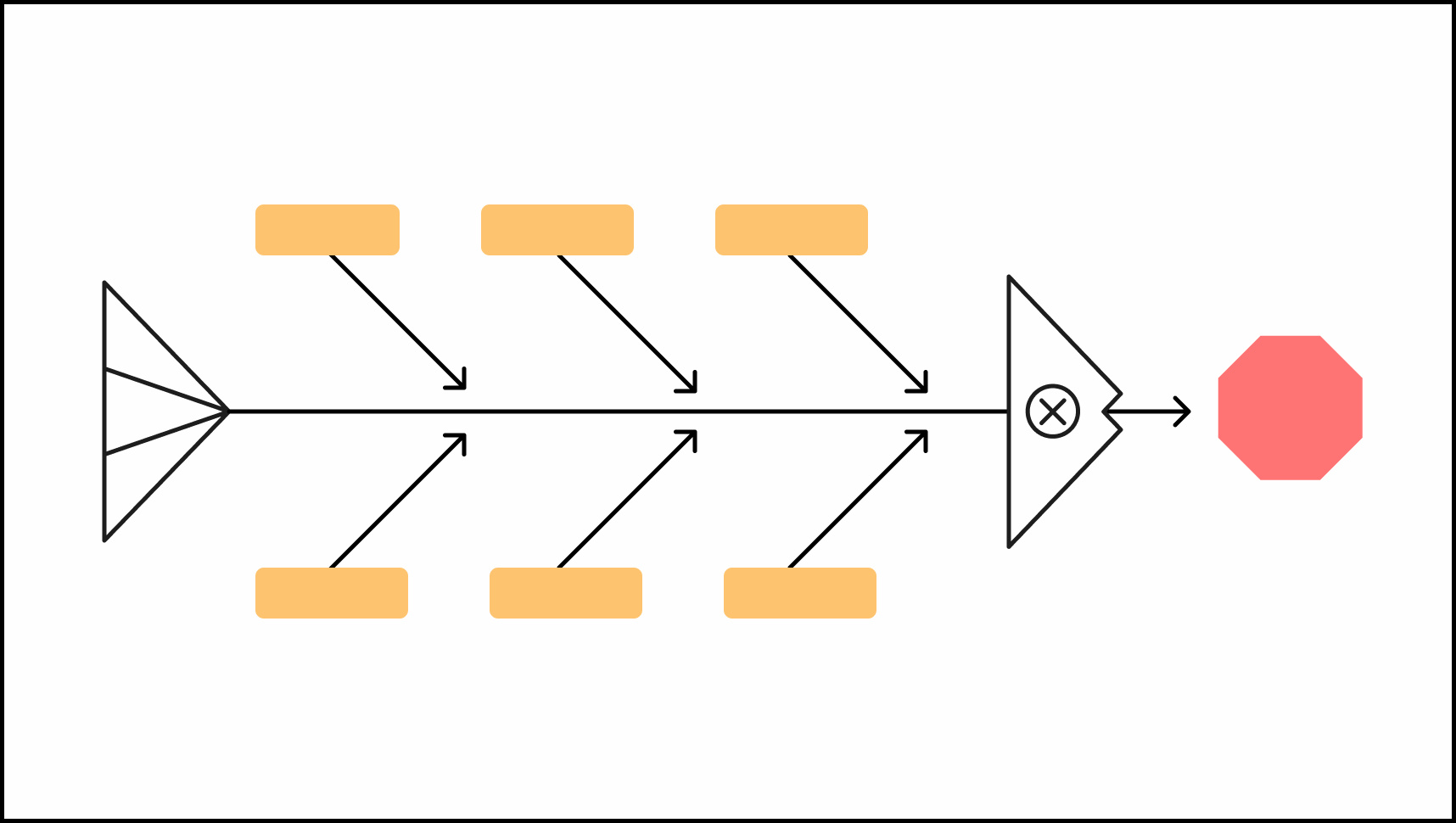
A fishbone diagram, also known as a cause and effect diagram or Ishikawa diagram, is a visual tool used to analyze the potential causes of a problem. The diagram gets its name from its appearance, which resembles the skeleton of a fish, with the problem statement at the head of the diagram and potential causes branching off like the bones of a fish.
By visually mapping out all possible causes of a problem, teams can better understand the root causes and work towards finding effective solutions.
Why Use a Fishbone Diagram?
Fishbone diagrams are popular in various industries because they offer several benefits, including:
- Visual Representation: Fishbone diagrams provide a clear and visual representation of the causes of a problem, making it easier for teams to identify patterns and relationships.
- Identifying Root Causes: By mapping out all potential causes of a problem, teams can pinpoint the root causes instead of just treating symptoms.
- Encouraging Collaboration: Fishbone diagrams promote collaborative problem-solving by involving team members from different departments or disciplines in the analysis process.
- Facilitating Decision-Making: With a clear understanding of the root causes, teams can make informed decisions on how to address the problem effectively.
What to Include in a Fishbone Diagram
When creating a fishbone diagram, there are several key components to include:
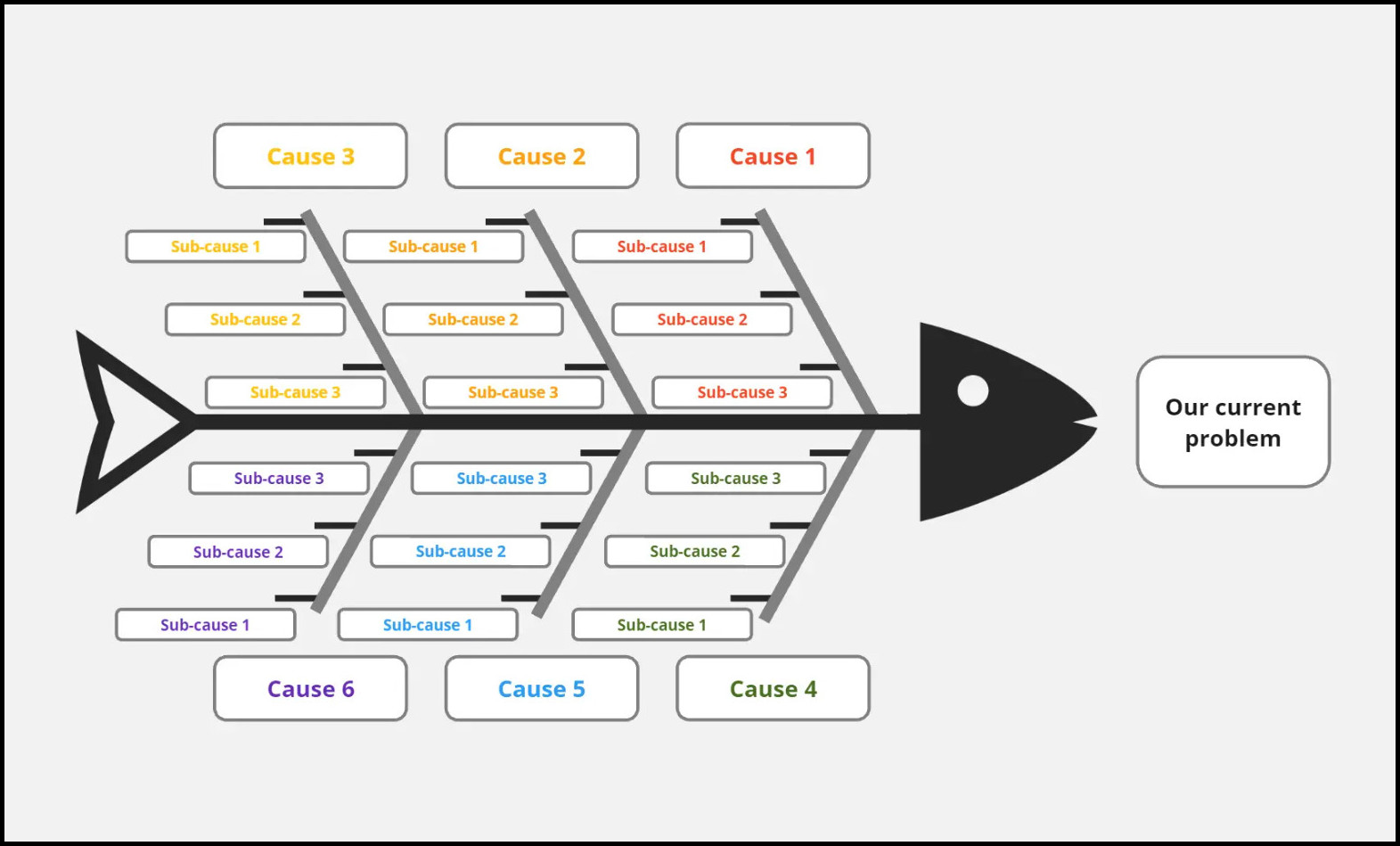
- Problem Statement: Clearly define the problem you are trying to solve and place it at the head of the diagram.
- Main Categories: Identify the main categories of potential causes related to the problem, such as people, processes, equipment, environment, and materials.
- Subcategories: Break down each main category into subcategories to further analyze the potential causes.
- Potential Causes: List all possible causes under each subcategory, brainstorming with your team to ensure a comprehensive analysis.
- Root Cause Analysis: Once all potential causes are identified, prioritize them based on their likelihood and impact on the problem.
How to Create a Fishbone Diagram
Creating a fishbone diagram is a straightforward process that involves the following steps:
1. Define the Problem
Start by clearly defining the problem you are trying to solve and write it at the head of the diagram.
2. Identify Main Categories
List out the main categories of potential causes related to the problem, such as people, processes, equipment, environment, and materials.
3. Add Subcategories
Under each main category, add subcategories to further break down the potential causes for a more detailed analysis.
4. Brainstorm Potential Causes
With your team, brainstorm all possible causes under each subcategory, encouraging open discussion and capturing all ideas.
5. Analyze Root Causes
Once all potential causes are listed, analyze and prioritize them based on their impact and likelihood of contributing to the problem.
6. Implement Solutions
Using the fishbone diagram as a guide, develop and implement solutions to address the root causes identified during the analysis.
7. Monitor Progress
Track the effectiveness of the implemented solutions and make adjustments as needed to ensure long-term success in solving the problem.
Tips for Using Fishbone Diagrams Effectively
Here are some tips to help you make the most out of fishbone diagrams:
- Involve Cross-Functional Teams: Bring together team members from different departments or disciplines to gain diverse perspectives on the problem.
- Encourage Brainstorming: Create a safe space for open and honest brainstorming sessions to capture all possible causes of the problem.
- Focus on Root Causes: Prioritize analyzing and addressing the root causes of the problem instead of just treating surface-level symptoms.
- Use Visual Elements: Utilize colors, shapes, and icons to make your fishbone diagram visually engaging and easy to understand.
- Review and Revise: Regularly review and revise your fishbone diagram as new information becomes available or as you gain deeper insights into the problem.
In Conclusion
Fishbone diagrams are valuable tools for analyzing complex problems, identifying root causes, and developing effective solutions. By visually mapping out all potential causes of a problem, teams can work together collaboratively to address the underlying issues and achieve meaningful improvements. Whether you’re facing challenges in your personal life or looking to streamline processes in your workplace, the fishbone diagram can be your go-to tool for problem-solving success.
