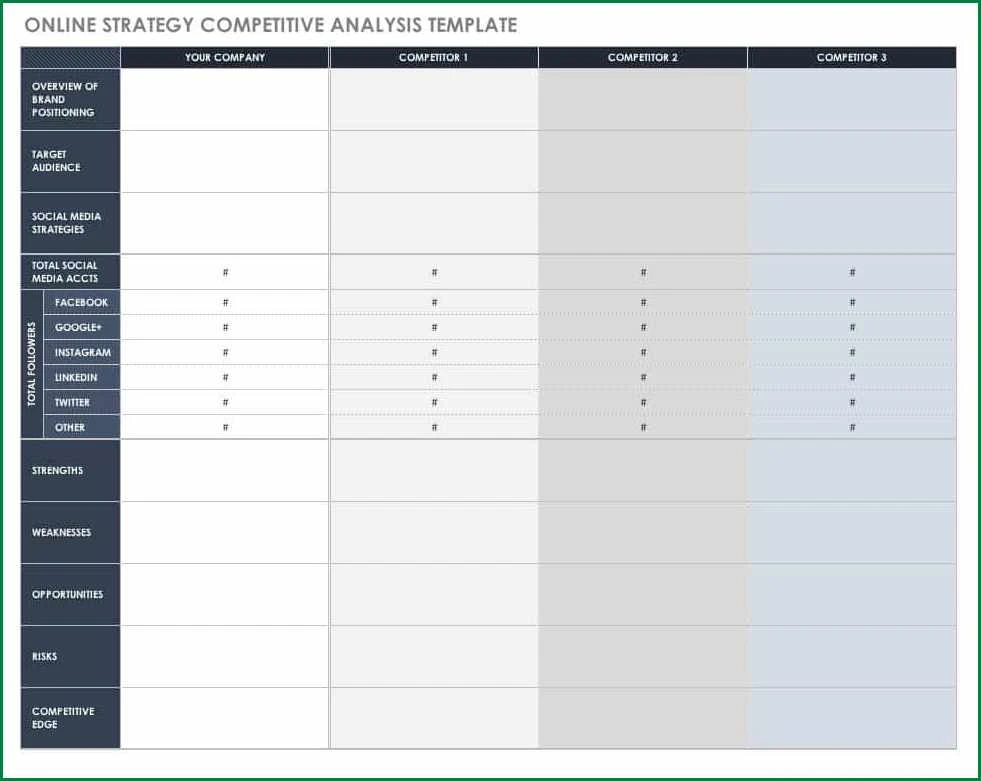
Competitive analysis is a crucial component of any successful business strategy. Understanding your competitors, their strengths, weaknesses, and market positioning can provide valuable insights that can help you make informed decisions and stay ahead in the game.
In this guide, we will delve into the what, why, and how of competitive analysis, as well as provide tips for conducting effective competitive analysis for your business.
What is Competitive Analysis?
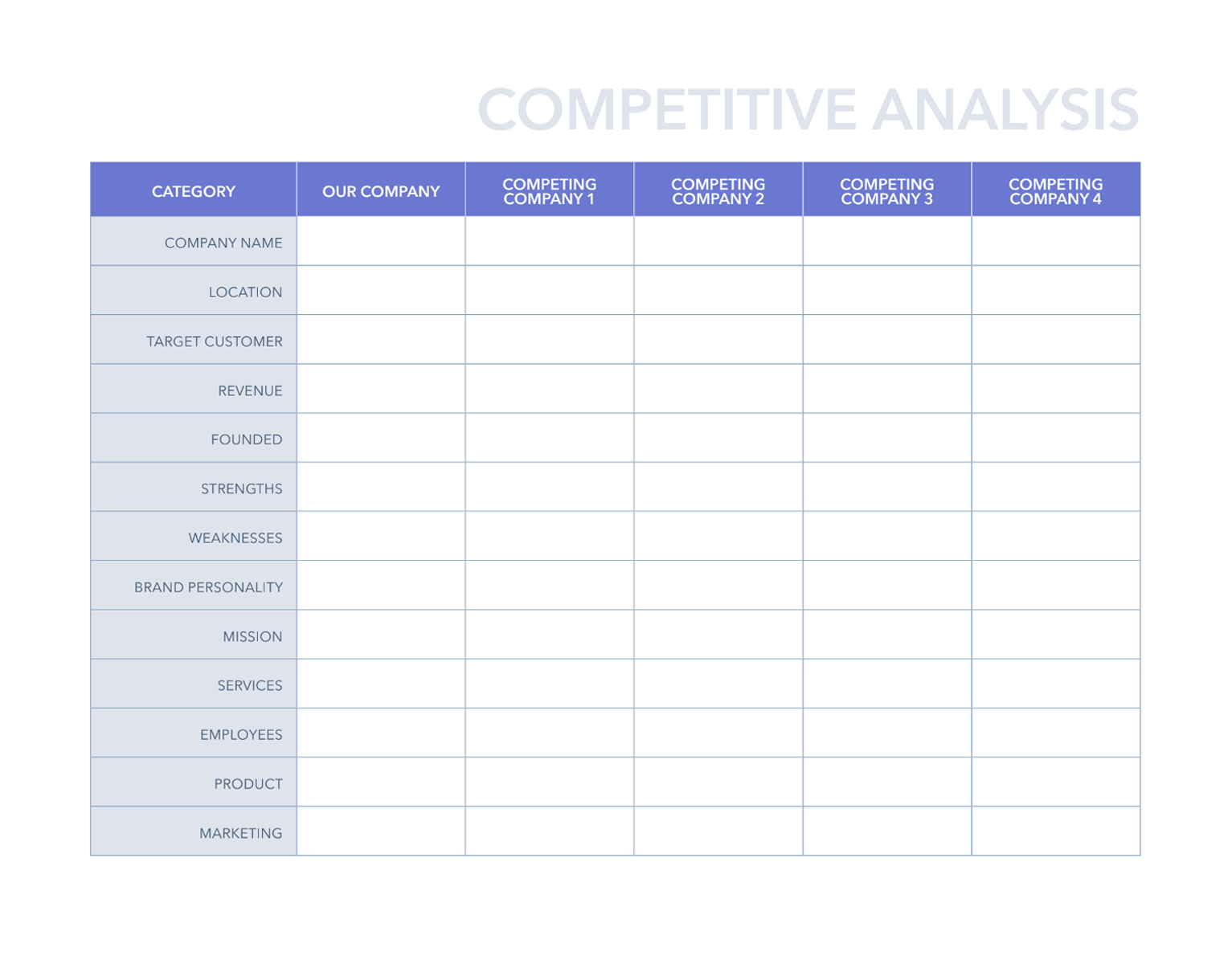
Competitive analysis is the process of evaluating and analyzing your competitors to identify their strengths and weaknesses, as well as opportunities and threats in the market. By understanding your competitors’ strategies, products, pricing, and marketing tactics, you can gain valuable insights that can inform your own business decisions and improve your competitive advantage.
Competitive analysis involves gathering and analyzing information about your competitors, including their market share, target audience, product offerings, distribution channels, and marketing strategies. This information can help you identify areas where you can differentiate yourself from the competition and capitalize on market gaps or weaknesses.
Why is Competitive Analysis Important?
Competitive analysis is important for several reasons. Firstly, it helps you understand the competitive landscape in which your business operates, allowing you to identify potential threats and opportunities. By knowing your competitors’ strengths and weaknesses, you can develop strategies to counter their threats and capitalize on their weaknesses.
Furthermore, competitive analysis can help you identify gaps in the market that your competitors are not addressing, allowing you to differentiate your products or services and attract customers who are looking for alternatives. By staying informed about your competitors’ actions and strategies, you can adapt quickly to changes in the market and stay ahead of the competition.
What to Include in a Competitive Analysis?
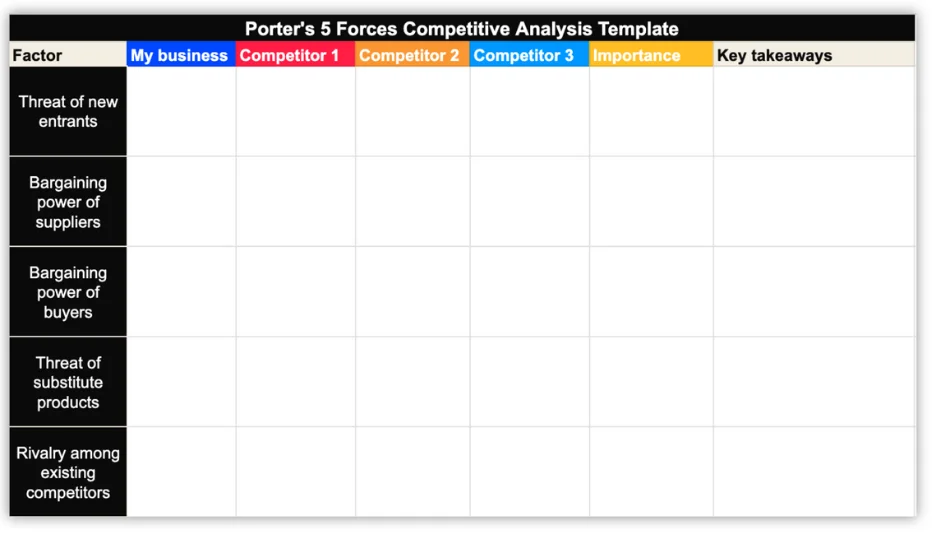
When conducting a competitive analysis, there are several key components that you should include:
1. Identify your main competitors: Start by identifying the key players in your industry or market segment who are direct competitors to your business.
2. Analyze their products or services: Evaluate the features, pricing, quality, and positioning of your competitors’ products or services.
3. Assess their marketing strategies: Look at how your competitors are promoting their products or services, including their advertising, social media presence, and branding.
4. Analyze their strengths and weaknesses: Identify the areas where your competitors excel and where they fall short compared to your own business.
5. Evaluate their market share: Determine how much of the market your competitors currently hold and how this may impact your own market positioning.
6. Consider their pricing strategies: Analyze how your competitors price their products or services and how this may affect your own pricing decisions.
7. Look at their customer base: Consider the demographics and psychographics of your competitors’ customer base and how this aligns with your target audience.
8. Assess their distribution channels: Evaluate how your competitors distribute their products or services and whether there are opportunities for you to expand into new channels.
How to Conduct Competitive Analysis
Conducting a competitive analysis involves several steps, including:
1. Define your goals and objectives: Clearly outline what you hope to achieve through your competitive analysis and what specific information you are looking to gather.
2. Gather information: Collect data on your competitors through market research, industry reports, company websites, social media, and customer reviews.
3. Analyze the data: Evaluate the information you have gathered to identify trends, patterns, and key insights that can inform your strategic decisions.
4. Develop strategies: Use the insights from your competitive analysis to develop strategies that capitalize on your competitors’ weaknesses and differentiate your business in the market.
5. Monitor and adjust: Continuously monitor your competitors’ actions and market trends to stay informed and adapt your strategies as needed to maintain your competitive advantage.
Tips for Successful Competitive Analysis
When conducting competitive analysis, keep the following tips in mind:
- Stay objective: Approach your competitive analysis with an open mind and avoid biases or preconceived notions about your competitors.
- Focus on key metrics: Identify the most important metrics that will help you evaluate your competitors’ performance and make informed decisions.
- Regularly update your analysis: The competitive landscape is constantly changing, so make sure to regularly update your analysis to stay current.
- Involve key stakeholders: Collaborate with key members of your team to gather different perspectives and insights on your competitors.
- Look beyond the obvious: Don’t just focus on direct competitors; consider indirect competitors and emerging players in the market as well.
- Use competitive analysis tools: Take advantage of online tools and software that can help automate the process of gathering and analyzing competitor data.
- Stay ethical: Ensure that your competitive analysis is conducted ethically and legally, without resorting to unethical tactics or practices.
- Take action: Use the insights from your competitive analysis to inform your strategic decisions and take proactive steps to stay ahead of the competition.
In Conclusion
Competitive analysis is a valuable tool that can provide deep insights into your competitors’ strategies, strengths, and weaknesses, helping you make informed decisions and stay ahead in your industry. By conducting thorough and regular competitive analysis, you can position your business for success and capitalize on market opportunities. Remember to stay objective, focus on key metrics, and take proactive steps based on the insights you gather from your analysis. Mastering competitive analysis is an ongoing process that can give your business a competitive edge in today’s dynamic market environment.
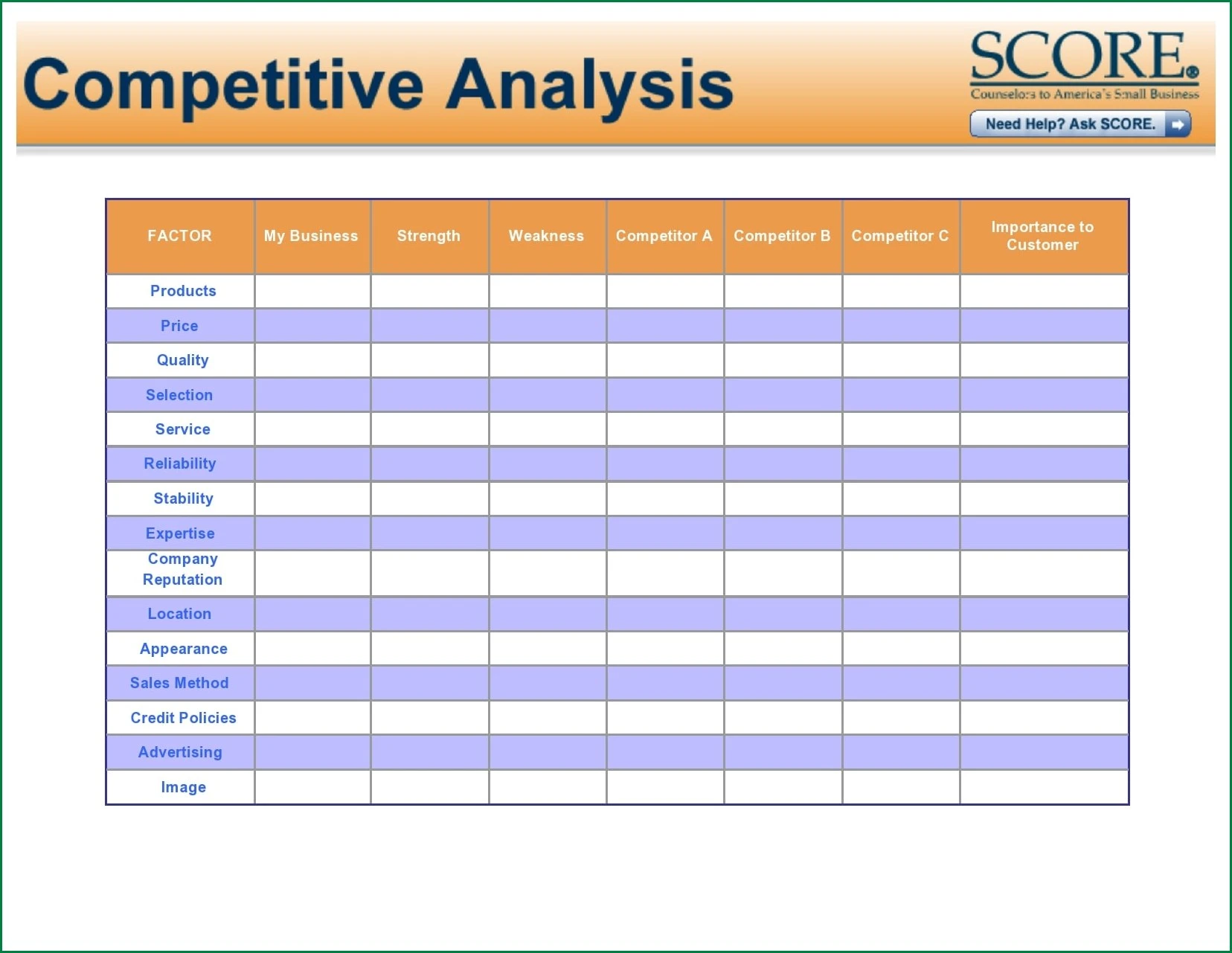
Competitive Analysis Template – Word
