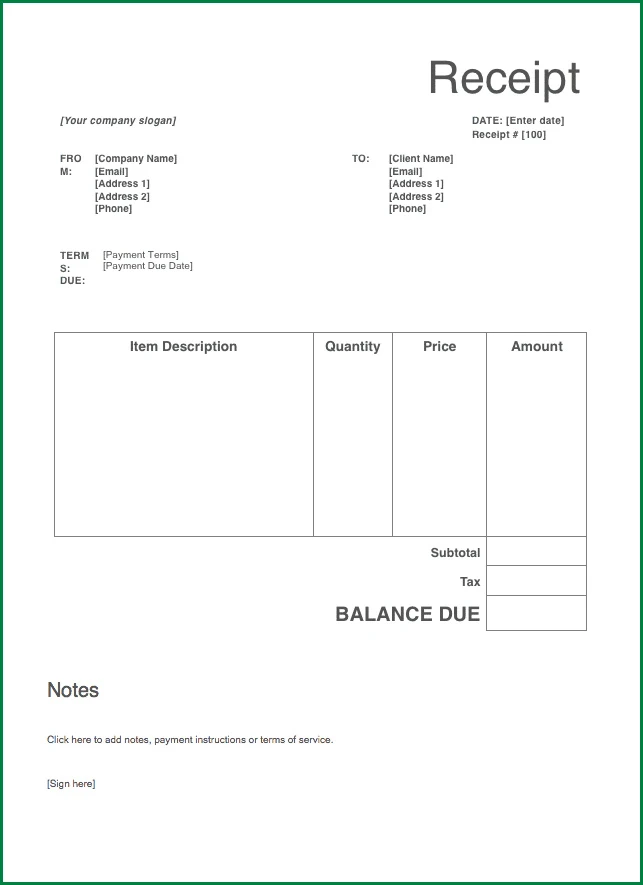
In the world of business, receipts play a crucial role in documenting transactions between a company and its customers. Whether you run a small business or a large corporation, having a proper system in place for issuing and organizing receipts is essential for maintaining accurate financial records.
In this comprehensive guide, we will delve into the ins and outs of company receipts, exploring what they are, why they are important, what to include on them, how to issue them, and tips for successful receipt management.
What is a Company Receipt?
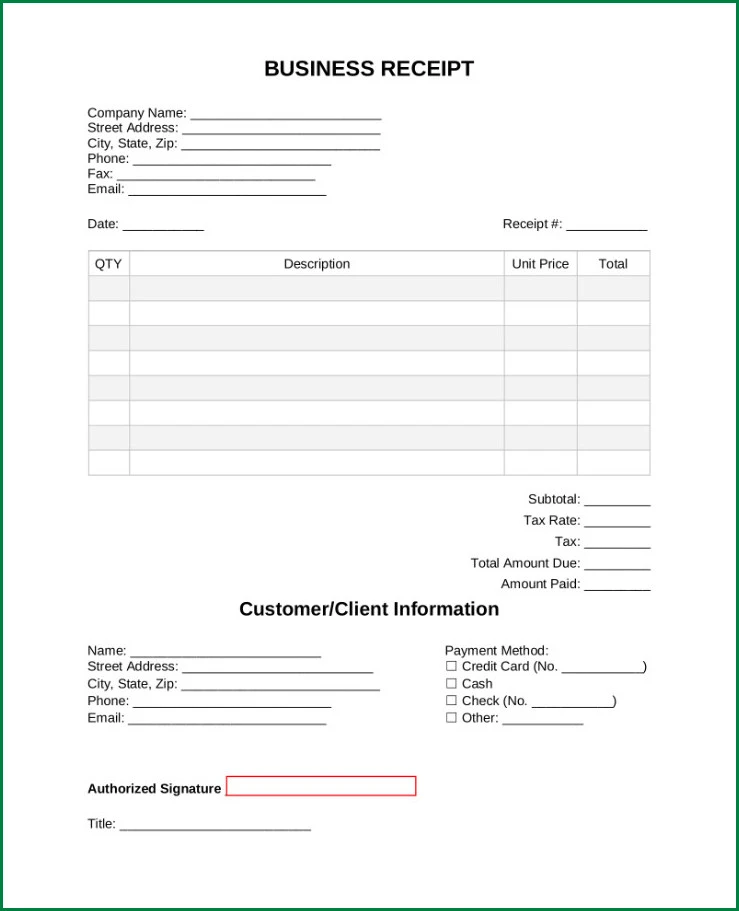
A company receipt is a written acknowledgment that a business has received payment for goods or services rendered to a customer. It serves as a legal document that provides proof of the transaction and can be used for tax and accounting purposes. Company receipts typically include details such as the transaction date, the amount paid, the items purchased, and any applicable taxes or discounts.
When issuing a company receipt, it is important to ensure that all necessary information is accurately recorded to avoid future discrepancies or disputes. In addition to serving as a record of the transaction, receipts can also help businesses track sales, monitor inventory, and analyze customer purchasing patterns.
Why are Company Receipts Important?
Company receipts are important for several reasons. Firstly, they provide proof of payment for both the business and the customer, helping to prevent misunderstandings or disputes over transactions. Additionally, receipts are essential for keeping accurate financial records, tracking expenses, and preparing tax returns. In the event of an audit, having well-organized receipts can also help businesses demonstrate compliance with tax laws and regulations.
Moreover, company receipts can be used to analyze sales trends, identify popular products or services, and evaluate the effectiveness of marketing campaigns. By collecting and analyzing receipt data, businesses can make informed decisions to improve their operations and better serve their customers.
What to Include on a Company Receipt
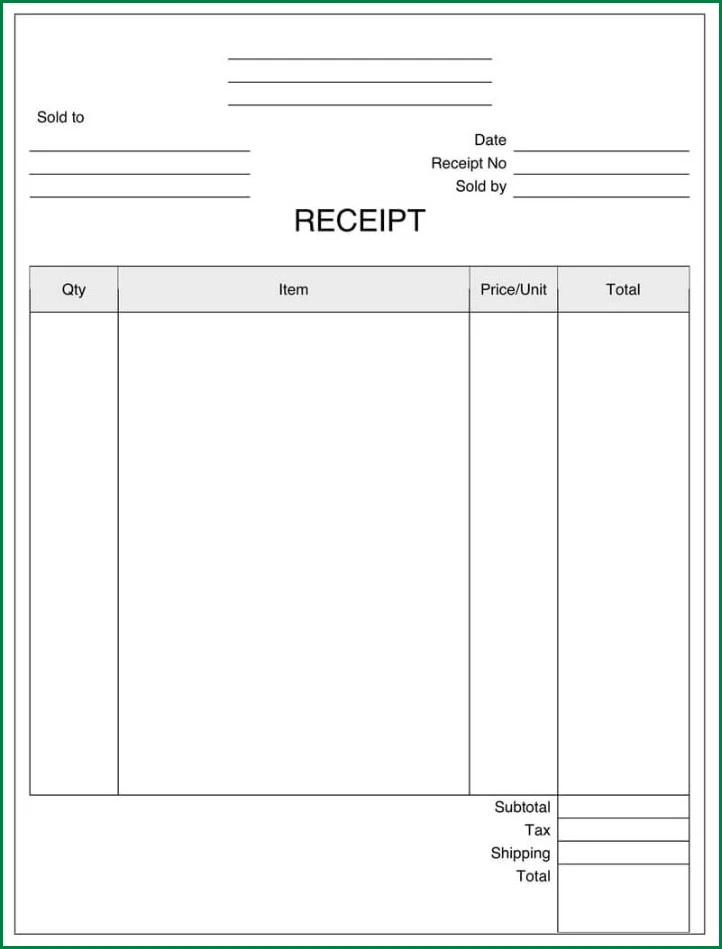
When creating a company receipt, there are several key pieces of information that should be included to ensure its accuracy and effectiveness. Some of the essential elements to include on a company receipt are:
- Date of the transaction: This helps establish when the payment was made.
- Amount paid: The total amount paid by the customer for the goods or services.
- Items purchased: A detailed list of the products or services bought by the customer.
- Payment method: Whether the payment was made in cash, credit card, check, or other forms.
- Taxes and discounts: Any applicable taxes or discounts applied to the transaction.
- Business information: The name, address, and contact details of the company issuing the receipt.
How to Issue Company Receipts
Issuing company receipts can be done manually or electronically, depending on the size and nature of the business. Manual receipt books can be used for handwritten receipts, while electronic point-of-sale (POS) systems can generate receipts automatically. When issuing company receipts, it is important to follow these steps:
- Record the transaction: Ensure all details of the transaction are accurately recorded.
- Provide a copy: Give the customer a copy of the receipt for their records.
- File the receipt: Keep a copy of the receipt for your own records and accounting purposes.
- Send digital receipts: Consider offering customers the option to receive digital receipts via email or text.
- Use receipt templates: Utilize pre-designed receipt templates to ensure consistency and professionalism.
Tips for Successful Receipt Management
Effective receipt management is essential for maintaining organized financial records and ensuring compliance with tax regulations. To streamline your receipt management process, consider implementing the following tips:
- Digitize receipts: Scan and store paper receipts electronically to reduce clutter and facilitate easy access.
- Use accounting software: Invest in accounting software that integrates receipt tracking and expense management features.
- Establish a filing system: Create a system for organizing and storing receipts by date, category, or vendor.
- Set aside time for receipt management: Regularly review and categorize receipts to stay on top of your financial records.
- Keep personal and business receipts separate: Avoid mixing personal and business expenses to simplify tax reporting.
Conclusion
In conclusion, company receipts are essential documents that serve as proof of transactions between businesses and customers. By understanding the importance of company receipts, knowing what to include on them, how to issue them, and implementing best practices for receipt management, businesses can streamline their operations, maintain accurate financial records, and enhance customer satisfaction. Remember, a well-organized system for issuing and managing company receipts can make a significant difference in ensuring the success and efficiency of your business.
Company Receipt Template – Word
