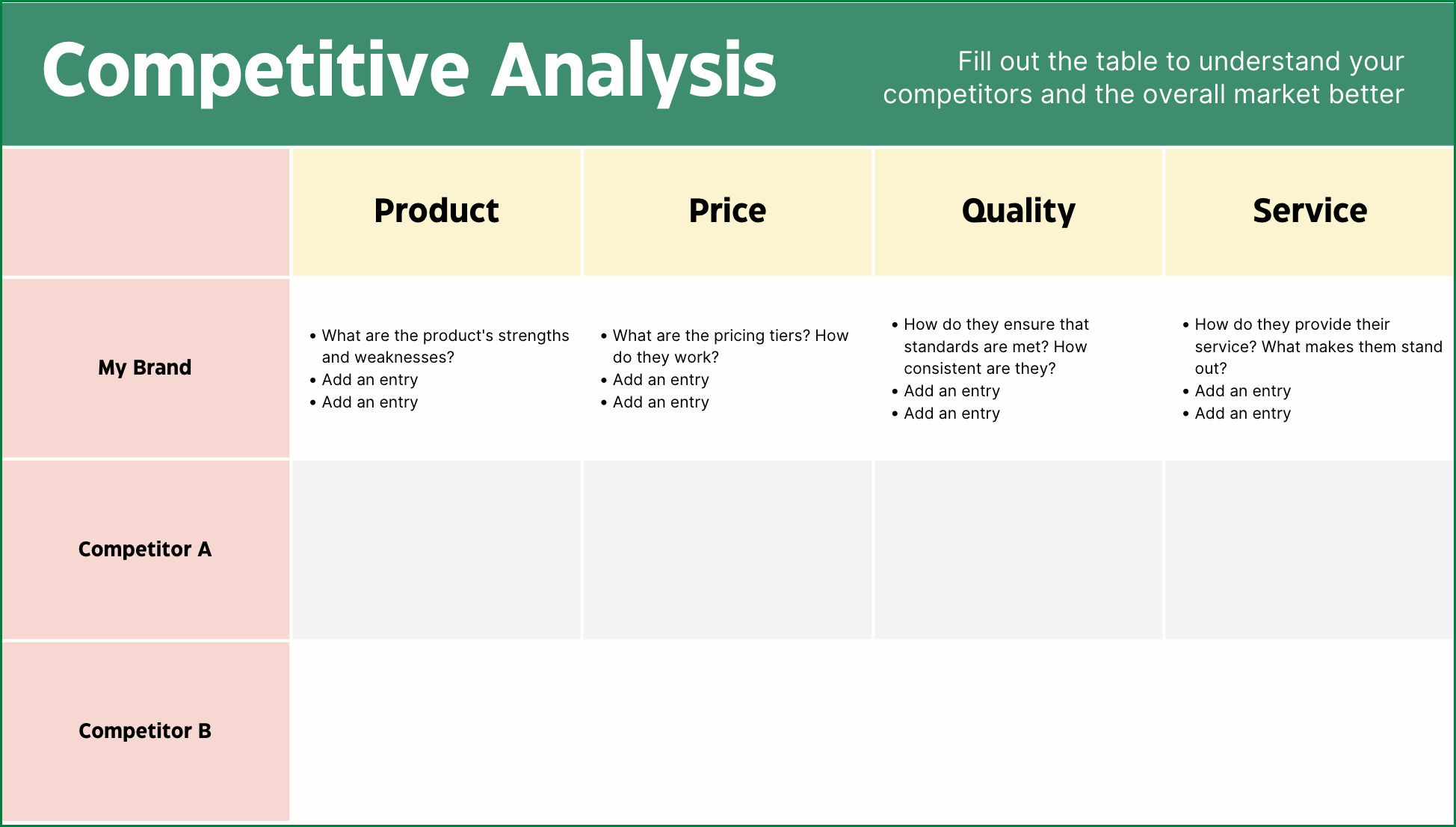
Competitor analysis is a crucial component of any successful business strategy. By understanding your competitors, you can identify gaps in the market, capitalize on their weaknesses, and stay ahead of the competition.
In this comprehensive guide, we will explore the what, why, and how of competitor analysis, as well as provide tips for successful implementation.
What is Competitor Analysis?
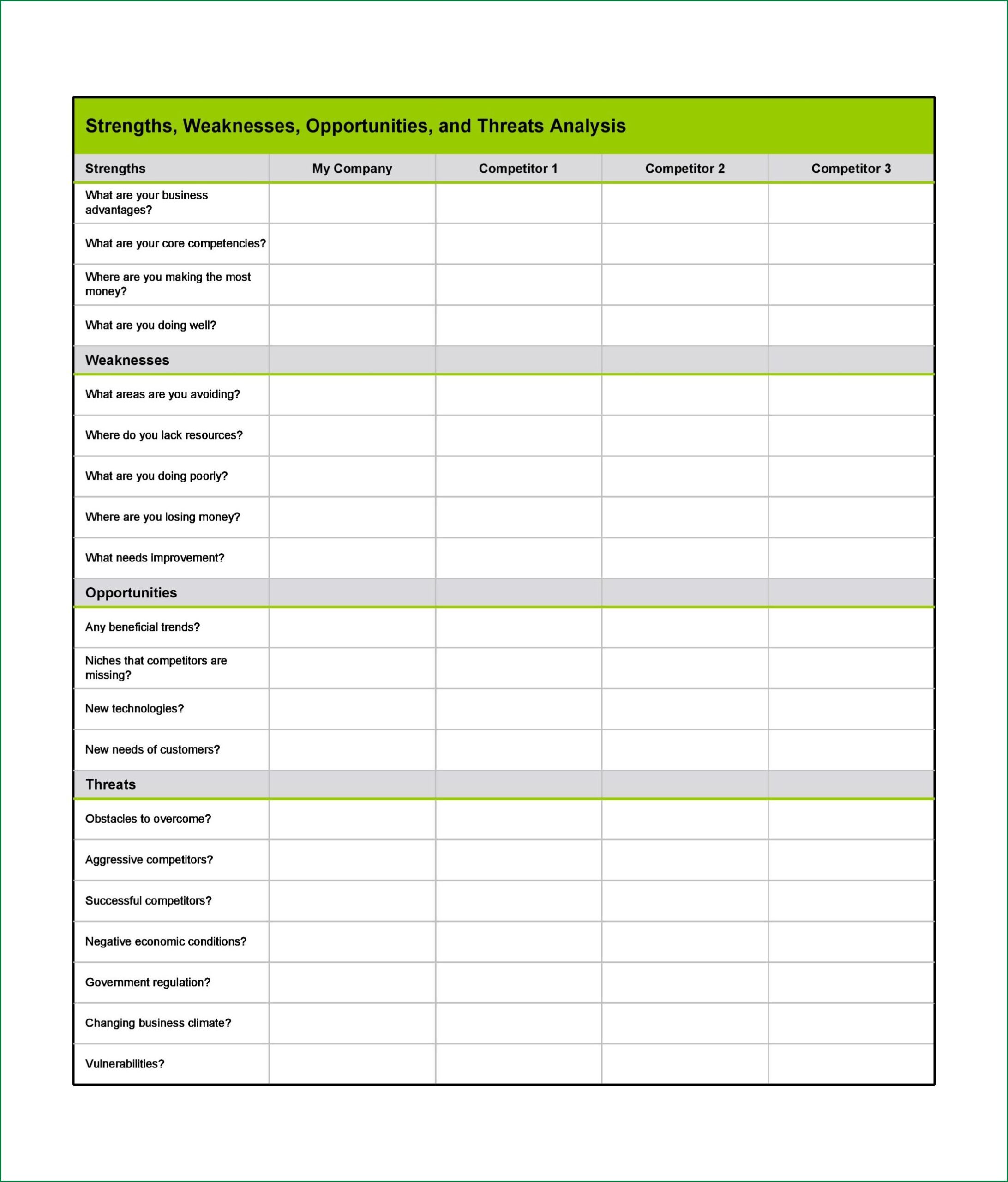
Competitor analysis is the process of identifying and evaluating your competitors to gain a better understanding of their strengths and weaknesses. By analyzing your competitors, you can identify opportunities for growth, threats to your business, and strategies for differentiation. This can involve researching your competitors’ products, pricing, marketing strategies, and target customers.
Competitor analysis can be conducted through a variety of methods, including online research, surveys, and interviews with industry experts. The goal of competitor analysis is to gather valuable insights that can inform your own business strategy and help you make informed decisions.
Why is Competitor Analysis Important?
Competitor analysis is important for several reasons. First and foremost, it allows you to stay ahead of the competition by identifying emerging trends and opportunities in the market. By understanding your competitors’ strategies, you can adapt your own strategy to better meet the needs of your target customers.
Competitor analysis also helps you identify potential threats to your business. By understanding your competitors’ strengths, weaknesses, and market positioning, you can proactively address any challenges that may arise and mitigate risks to your business.
Furthermore, competitor analysis can help you identify gaps in the market that your competitors may have overlooked. By filling these gaps with innovative products or services, you can differentiate your business from the competition and attract new customers.
What to Include in Competitor Analysis
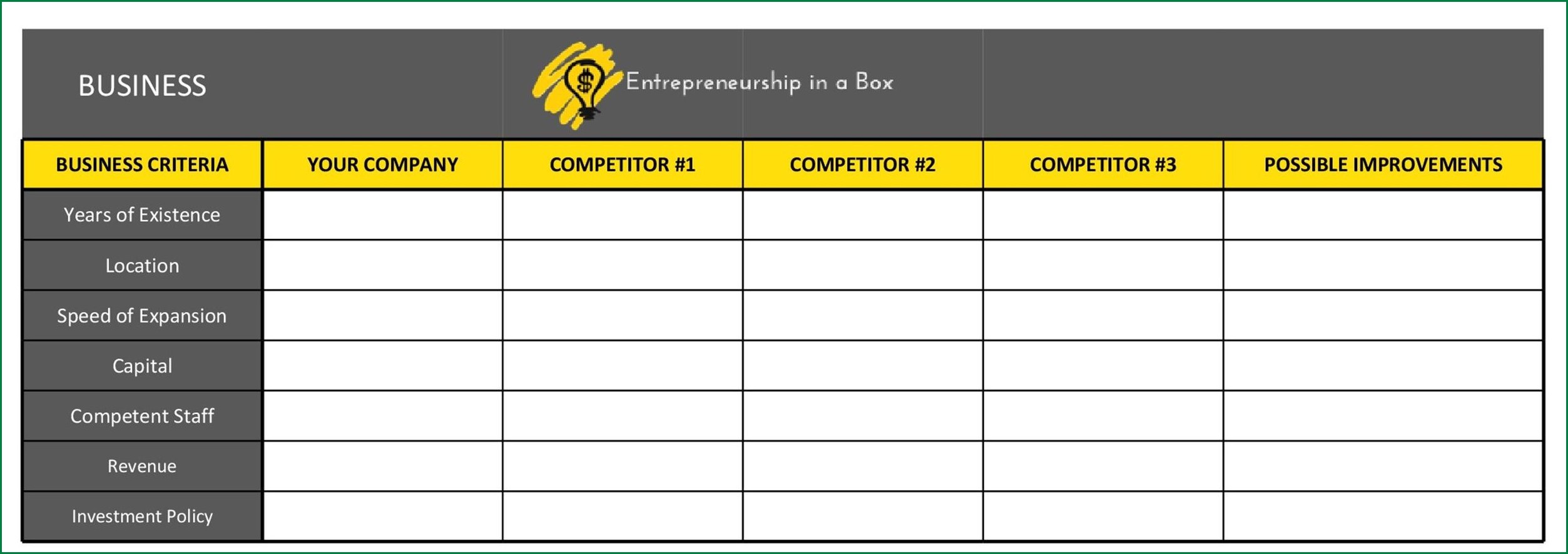
When conducting competitor analysis, it is important to gather information on a variety of factors that can impact your business. Some key components to include in your analysis are:
- Products and Services: Analyze your competitors’ offerings, pricing, and value proposition.
- Marketing Strategies: Evaluate your competitors’ branding, advertising, and promotional activities.
- Target Customers: Identify your competitors’ target audience and how they are reaching them.
- Strengths and Weaknesses: Assess your competitors’ key strengths and areas for improvement.
- Market Positioning: Understand where your competitors stand in the market and how you can differentiate yourself.
How to Conduct Competitor Analysis
There are several steps you can take to conduct effective competitor analysis:
1. Start by identifying your key competitors in the market.
2. Gather information on your competitors’ products, pricing, and marketing strategies.
3. Analyze your competitors’ strengths and weaknesses.
4. Compare your own business to your competitors to identify areas for improvement.
5. Develop a strategy based on your findings to differentiate your business and stay ahead of the competition.
Tips for Successful Competitor Analysis
To ensure your competitor analysis is effective, follow these tips:
- Stay up-to-date: Continuously monitor your competitors to stay informed of any changes in the market.
- Focus on key metrics: Pay attention to metrics like market share, customer satisfaction, and brand reputation.
- Think long-term: Consider how your competitors’ strategies may evolve and plan accordingly.
- Collaborate with your team: Involve your team in the analysis process to gain different perspectives and insights.
Competitor analysis is a valuable tool for any business looking to gain a competitive edge in the market. By understanding your competitors’ strategies and market positioning, you can identify growth opportunities, mitigate risks, and differentiate your business in a crowded marketplace. With the right approach and a commitment to ongoing analysis, competitor analysis can be a powerful tool for driving business success.
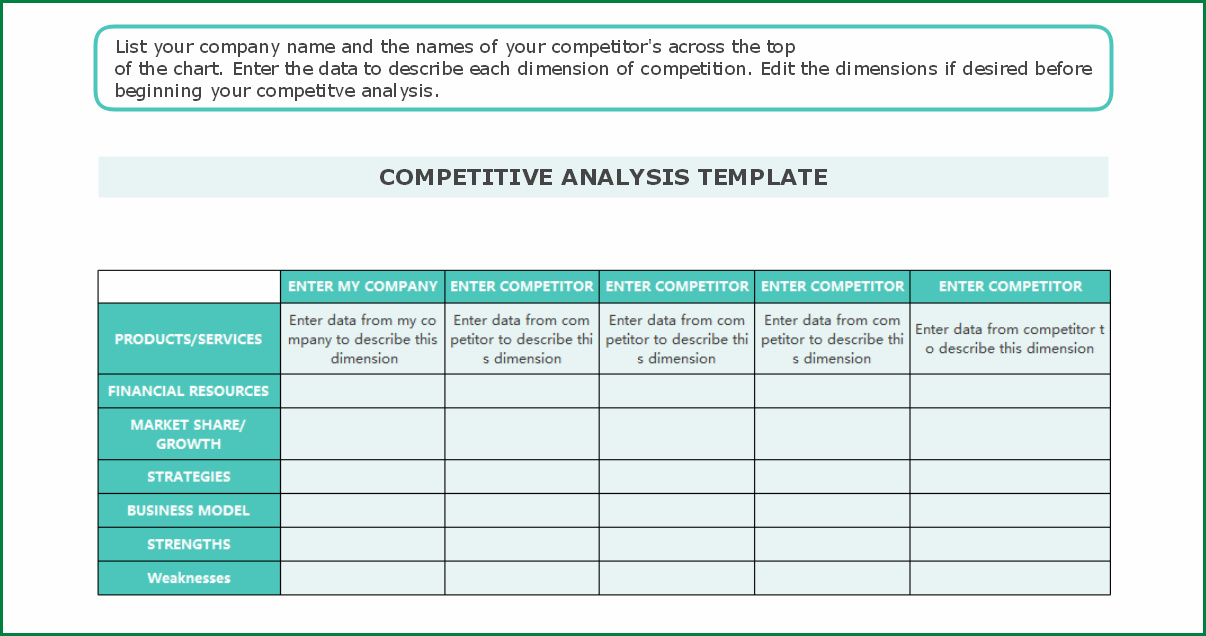
Competitor Analysis Template – Excel
