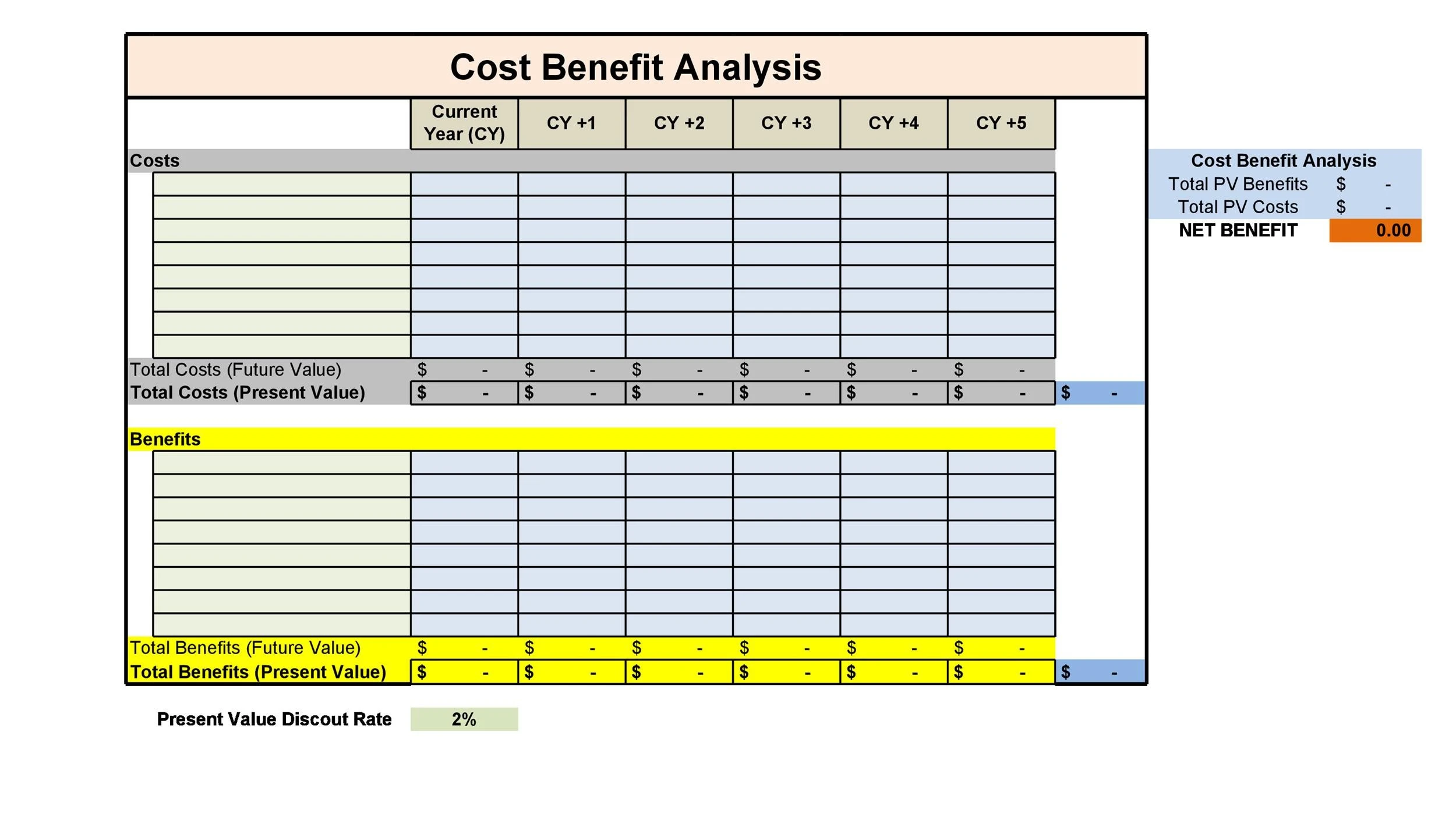
Cost-benefit analysis is a powerful tool that helps individuals and businesses make informed decisions by evaluating the costs and benefits of a potential project or investment. This analytical approach considers all relevant factors, both financial and non-financial, to determine if the benefits outweigh the costs.
In this comprehensive guide, we will explore what cost-benefit analysis is, why it is important, what to include in the analysis, how to conduct it effectively, and tips for successful implementation.
What is Cost-Benefit Analysis?
Cost-benefit analysis, often abbreviated as CBA, is a systematic process used to compare the total costs of a project or decision with its total benefits. By quantifying both the positive and negative impacts of a proposed action, decision-makers can assess whether the benefits justify the costs.
This evaluation helps prioritize projects, allocate resources efficiently, and maximize the return on investment.
Why is Cost-Benefit Analysis Important?
Cost-benefit analysis is crucial for decision-making in both public and private sectors. It provides a structured framework for evaluating the potential outcomes of different choices and selecting the most economically feasible option.
By considering all relevant costs and benefits, organizations can avoid costly mistakes, optimize resource allocation, and ensure accountability in decision-making processes.
What to Include in Cost-Benefit Analysis
When conducting a cost-benefit analysis, it is essential to include the following key components:
- Identify Costs and Benefits: List all potential costs and benefits associated with the project or decision.
- Quantify Costs and Benefits: Assign monetary values to each cost and benefit to facilitate comparison.
- Consider Time Value of Money: Adjust future cash flows to their present value to account for inflation and opportunity cost.
- Assess Risk and Uncertainty: Include sensitivity analysis to account for potential variability in costs and benefits.
- Evaluate Intangible Factors: Factor in non-monetary considerations such as environmental impact, social welfare, and brand reputation.
How to Conduct Cost-Benefit Analysis
Follow these steps to effectively conduct a cost-benefit analysis:
1. Define the Project Scope and Objectives
Clearly outline the goals, objectives, and scope of the project to ensure a focused analysis.
2. Identify Costs and Benefits
List all potential costs and benefits, both direct and indirect, associated with the project.
3. Quantify Costs and Benefits
Assign monetary values to each cost and benefit to facilitate comparison and decision-making.
4. Calculate Net Present Value (NPV)
Determine the net present value by subtracting total costs from total benefits adjusted for the time value of money.
5. Conduct Sensitivity Analysis
Assess the impact of varying assumptions and scenarios on the outcomes of the cost-benefit analysis.
6. Make an Informed Decision
Based on the results of the analysis, make a well-informed decision that maximizes benefits and minimizes costs.
Tips for Successful Cost-Benefit Analysis
Consider the following tips to ensure a successful cost-benefit analysis:
- Use Reliable Data: Gather accurate and up-to-date data to support your analysis.
- Involve Stakeholders: Seek input from relevant stakeholders to capture diverse perspectives and considerations.
- Be Realistic: Make conservative estimates and assumptions to avoid overestimating benefits or underestimating costs.
- Update Regularly: Review and update the cost-benefit analysis periodically to reflect changes in circumstances or assumptions.
- Communicate Findings: Clearly communicate the results of the analysis to stakeholders to facilitate informed decision-making.
Conclusion
Cost-benefit analysis is a valuable tool for evaluating the financial and non-financial implications of projects and decisions. By considering all relevant costs and benefits, organizations can make informed choices that maximize value and minimize risk. By following the steps outlined in this guide and implementing the tips provided, you can conduct a successful cost-benefit analysis and drive effective decision-making in your organization.
Cost-Benefit Analysis Template – Free Download
