Are you an independent contractor looking to streamline your invoicing process? Or maybe you’re considering hiring an independent contractor and want to understand more about how they handle their billing. In either case, understanding how independent contractor invoices work is essential.
In this comprehensive guide, we’ll cover everything you need to know about independent contractor invoices, including what they are, why they’re important, what to include, how to create one, and some tips for success.
What is an Independent Contractor Invoice?
An independent contractor invoice is a document that outlines the services provided by an independent contractor to a client, along with the associated costs. It serves as a formal request for payment and includes important details such as the contractor’s contact information, the client’s contact information, a description of the services rendered, the rate or fee for each service, and the total amount due.
Independent contractor invoices are crucial for both contractors and clients as they provide a clear record of the work that was completed and the corresponding payment that is owed. They help ensure that both parties are on the same page regarding the services provided and the compensation that is expected.
Why are Independent Contractor Invoices Important?
Independent contractor invoices play a crucial role in the freelance industry for several reasons. First and foremost, they serve as a formal record of the work that has been completed and the payment that is owed. This helps prevent any confusion or disputes between the contractor and the client regarding the services provided and the associated costs.
Additionally, independent contractor invoices are essential for tax purposes. Contractors need to keep accurate records of their income and expenses for tax reporting, and invoices serve as documentation of the income earned from their freelance work.
What to Include in an Independent Contractor Invoice
When creating an independent contractor invoice, there are several key elements that should be included to ensure clarity and accuracy. Here are some essential components to include in your invoice:
- Contractor Information: Include your name, address, phone number, and email address.
- Client Information: Include the client’s name, address, phone number, and email address.
- Invoice Number: Assign a unique invoice number for tracking purposes.
- Service Description: Provide a detailed description of the services rendered.
- Rate or Fee: Specify the rate or fee for each service provided.
- Payment Terms: Outline the payment terms, including the due date and any late fees.
- Total Amount Due: Calculate the total amount due for the services rendered.
Examples
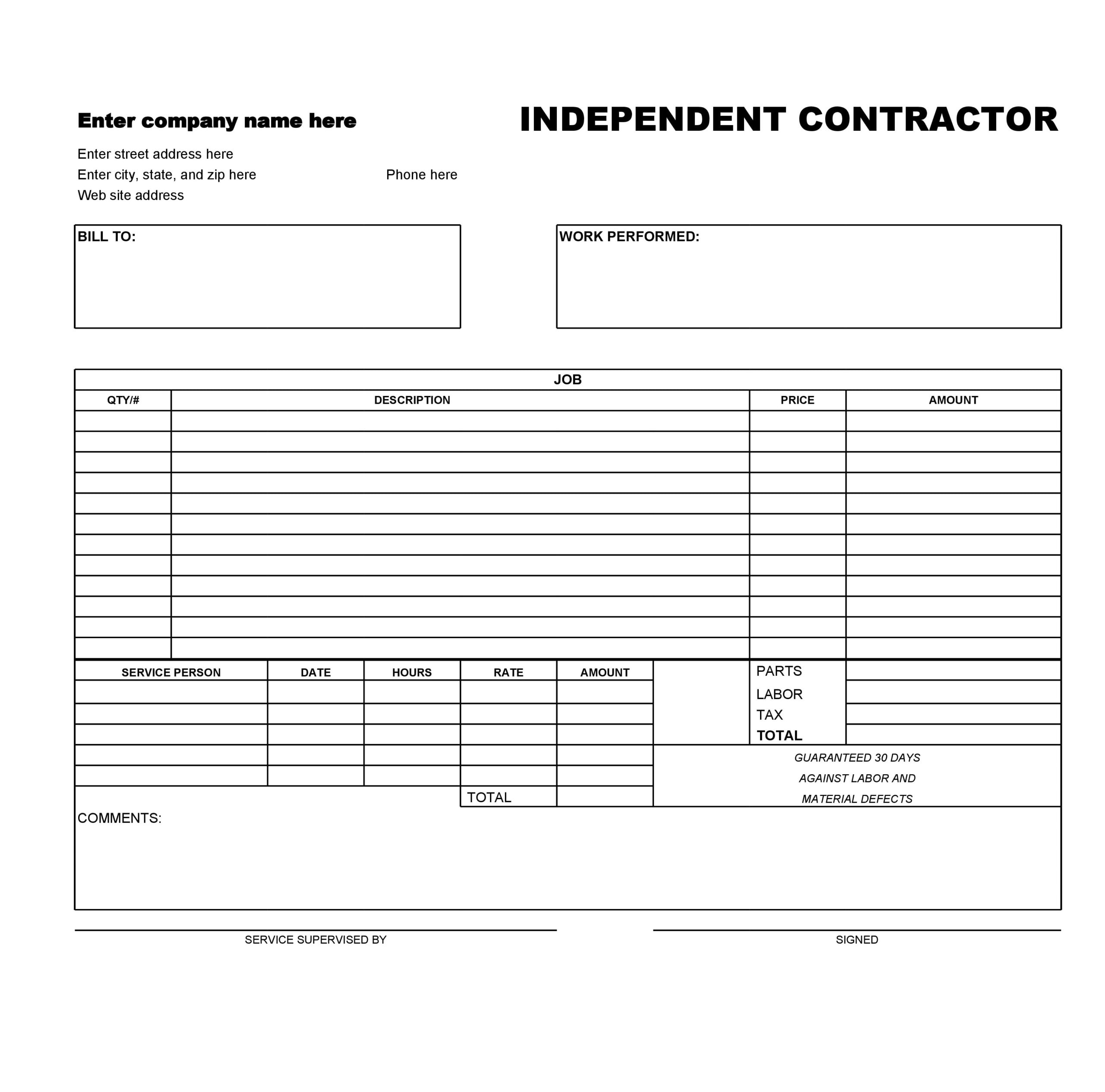
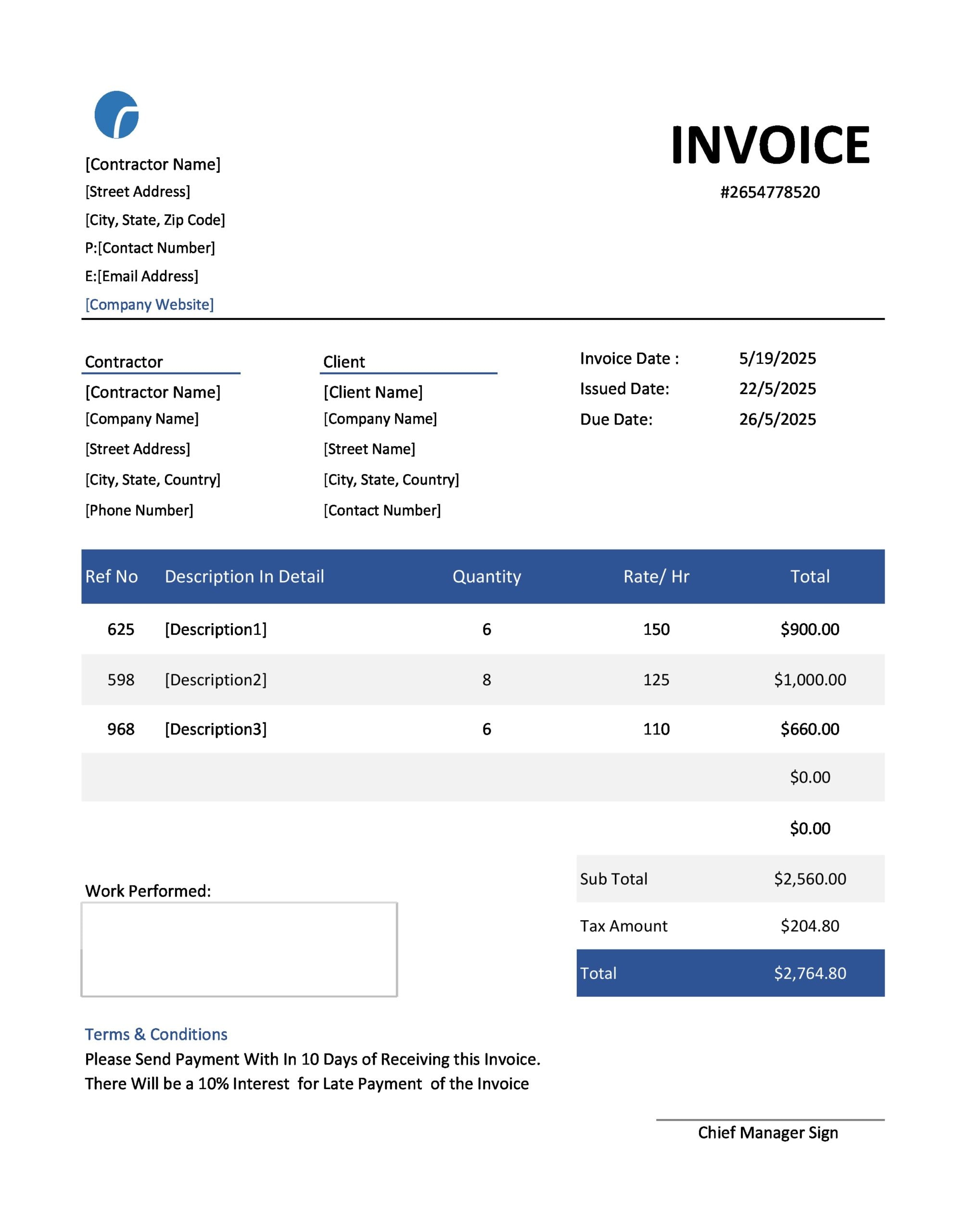
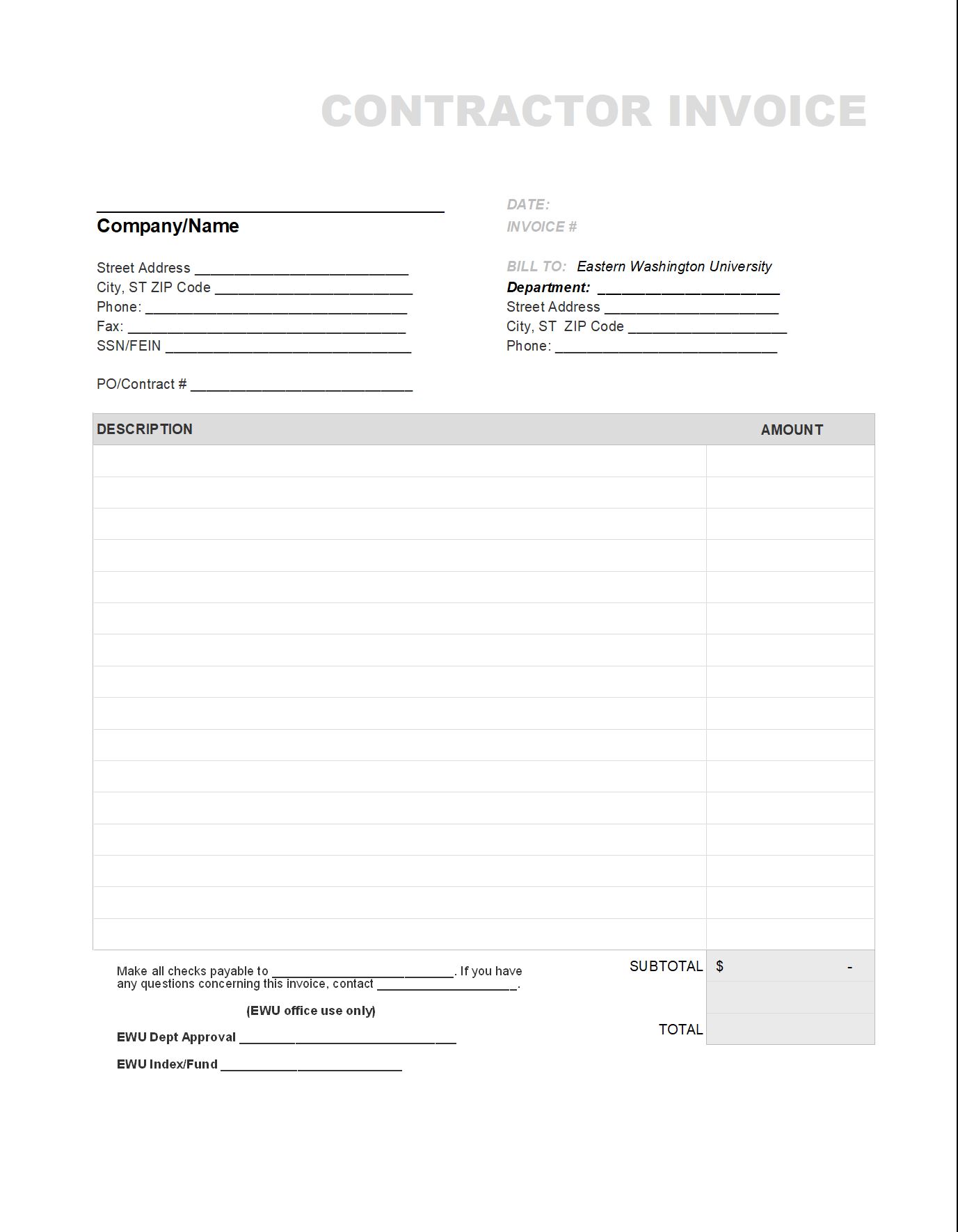
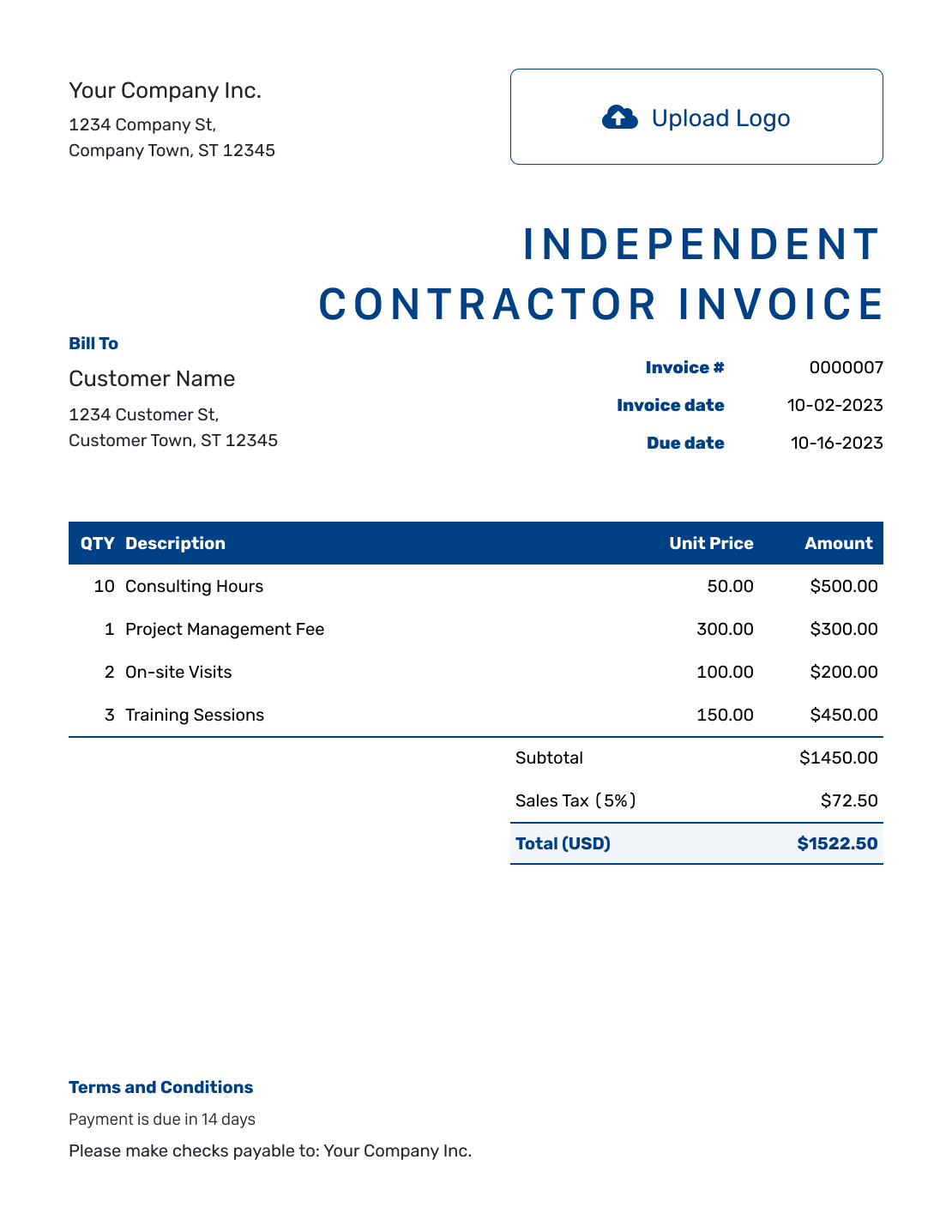
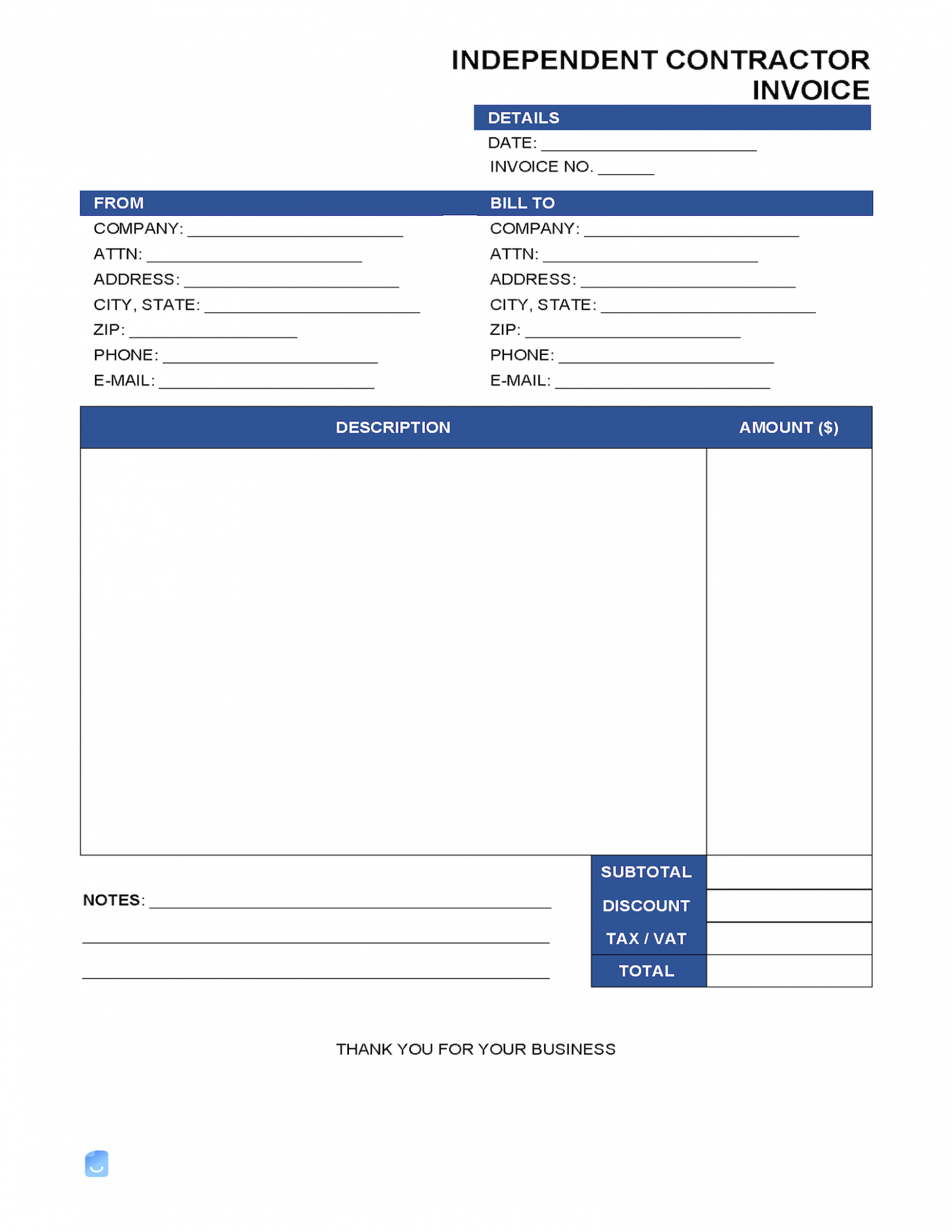
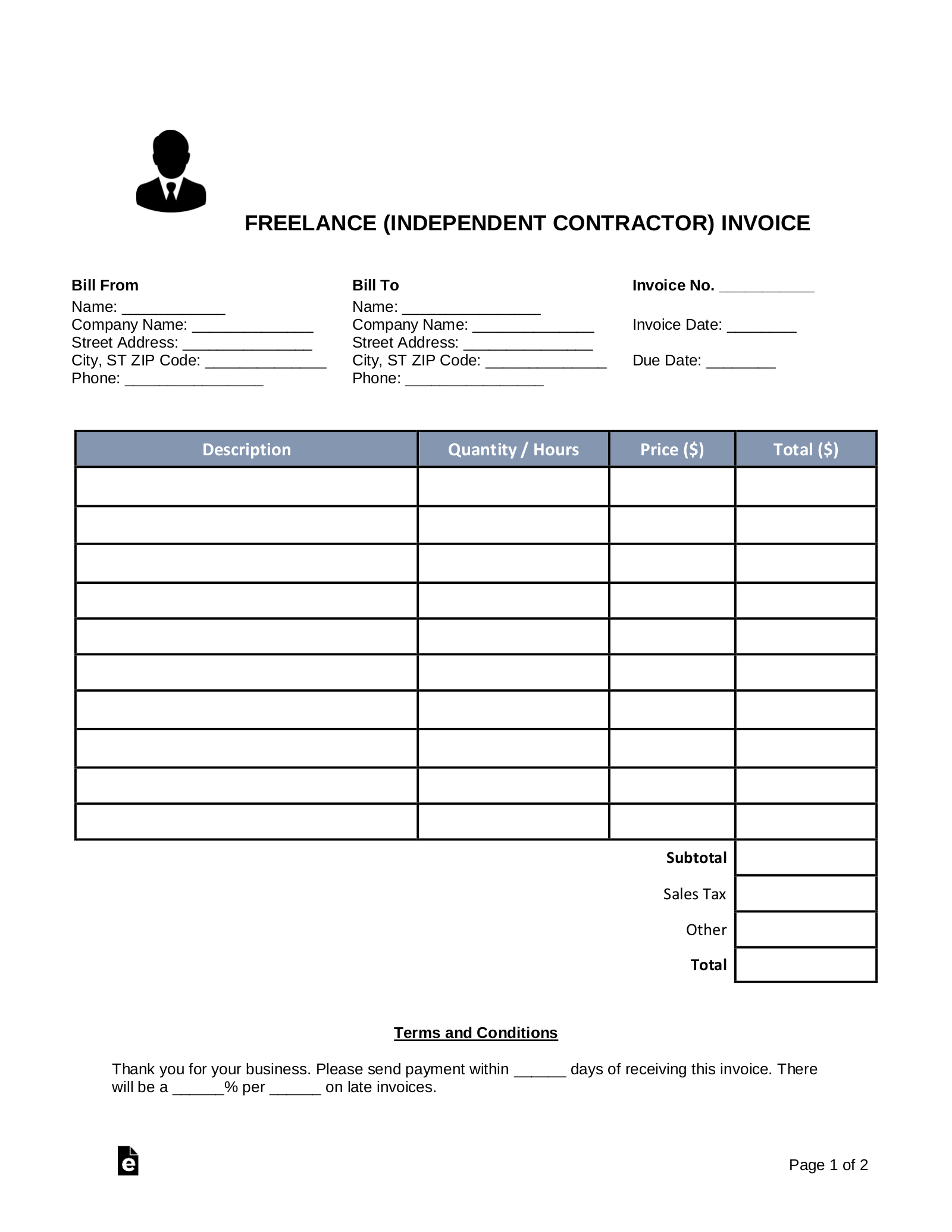
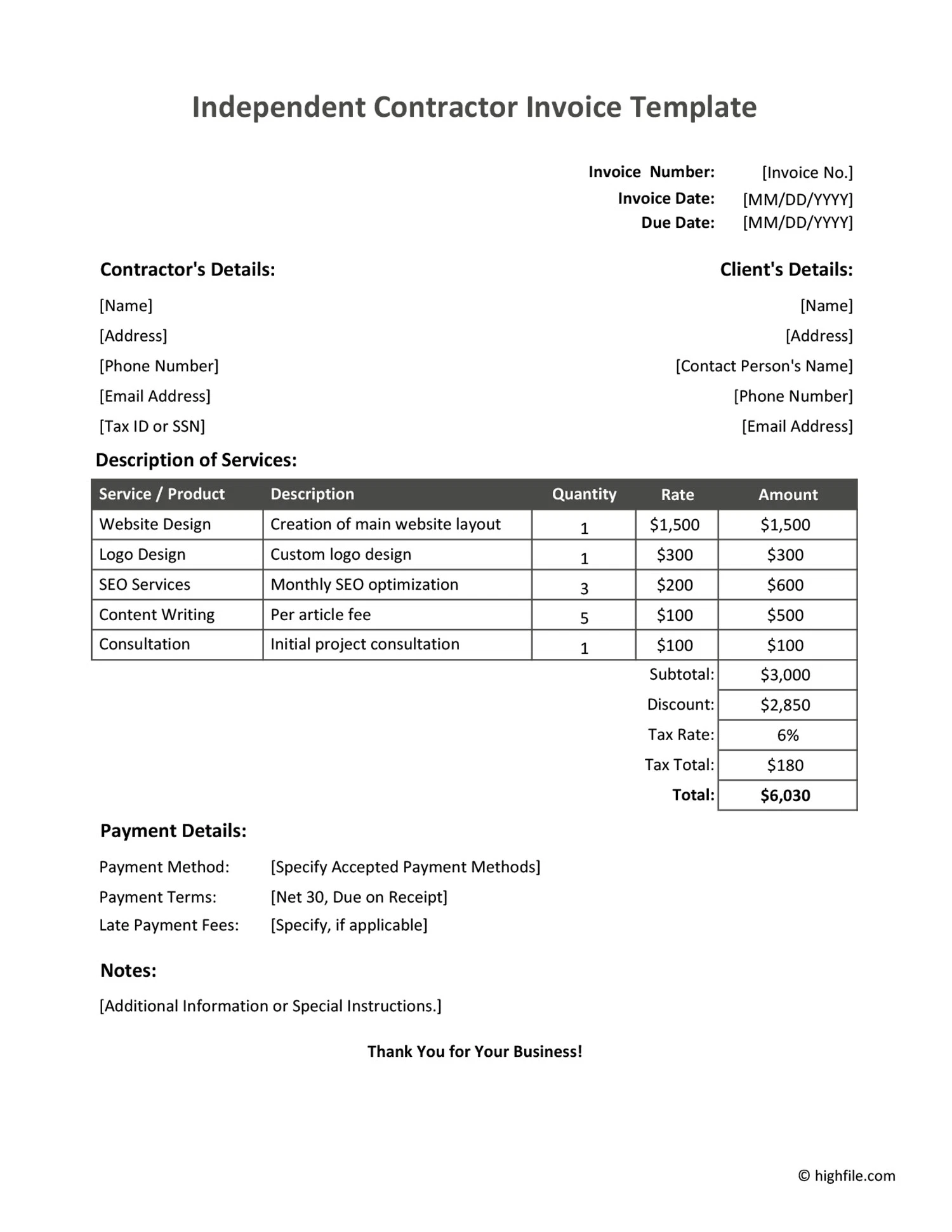
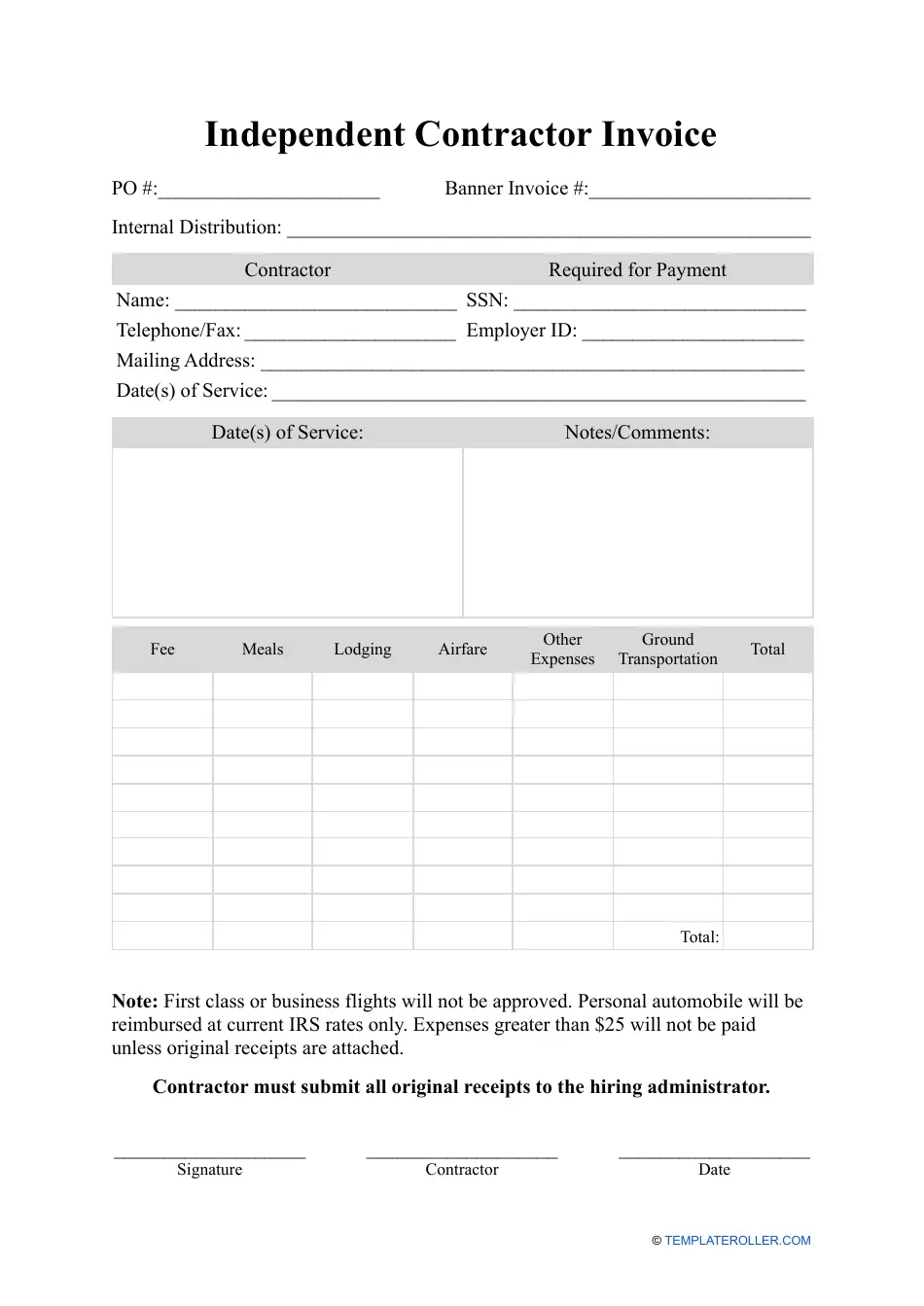
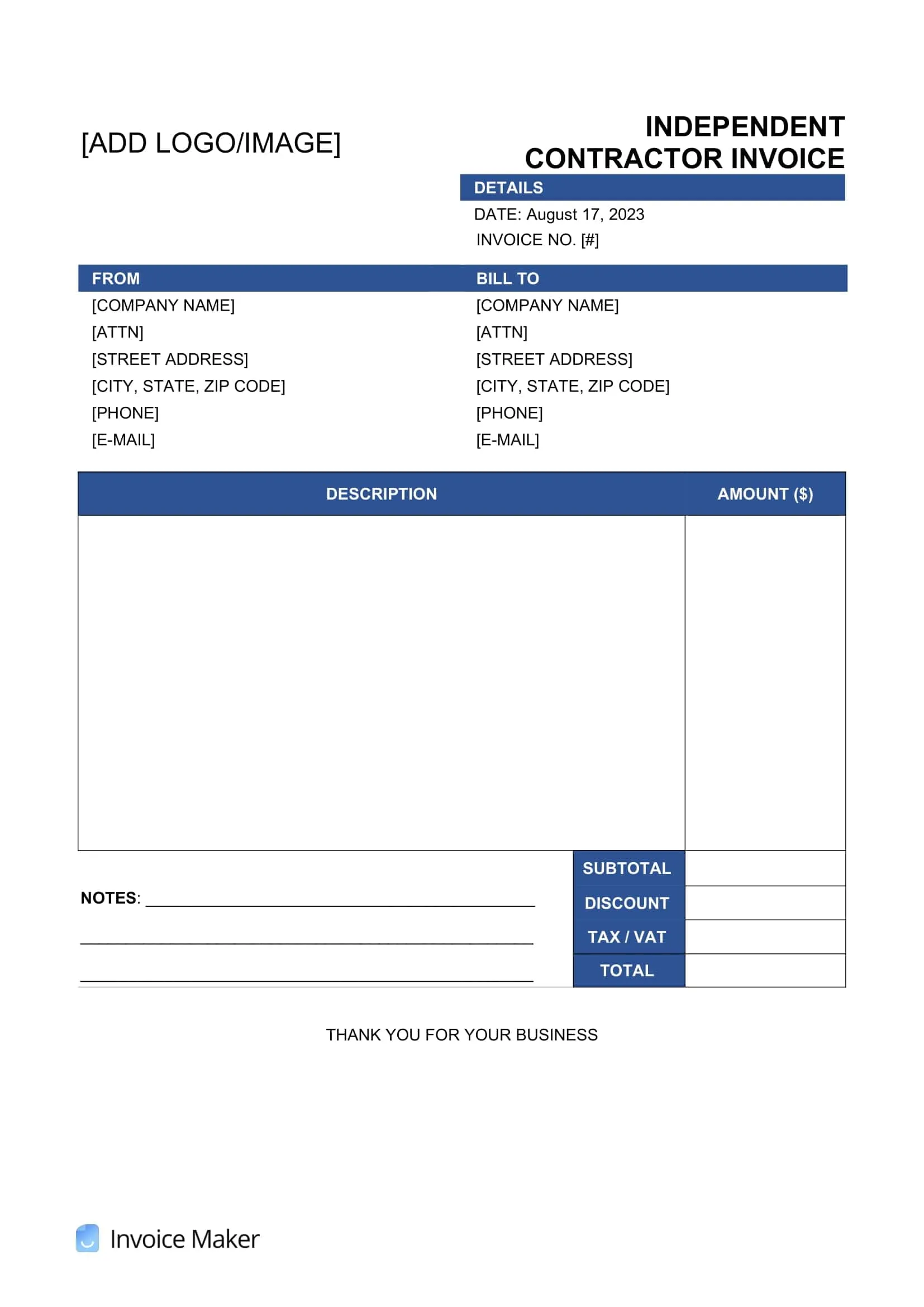
How to Create an Independent Contractor Invoice
Creating an independent contractor invoice is a straightforward process that can be done using invoicing software, templates, or even just a simple Word document. Here are some steps to follow when creating your invoice:
1. Choose a professional invoice template or create your own format.
2. Input your contact information and the client’s contact information.
3. Include an invoice number and date for reference.
4. Provide a detailed description of the services rendered.
5. Specify the rate or fee for each service provided.
6. Outline the payment terms, including the due date and any late fees.
7. Calculate the total amount due for the services rendered.
8. Review the invoice for accuracy and send it to the client.
Tips for Successful Independent Contractor Invoicing
To ensure smooth and efficient invoicing as an independent contractor, consider implementing the following tips:
- Invoice Promptly: Send your invoices promptly after completing the work to expedite the payment process.
- Be Clear and Detailed: Provide a detailed description of the services rendered to avoid any confusion.
- Follow Up: Follow up with clients on overdue payments to maintain a healthy cash flow.
- Use Invoicing Software: Consider using invoicing software to automate the invoicing process and track payments.
- Keep Records: Maintain thorough records of all invoices sent and payments received for tax purposes.
- Communicate Openly: Maintain open communication with clients regarding payment terms and expectations.
- Seek Professional Advice: If you’re unsure about any aspect of invoicing, seek advice from a financial professional.
Conclusion
Independent contractor invoices are a vital component of the freelance industry, serving as a formal record of the services provided and the corresponding payment that is owed. By understanding the importance of invoices, knowing what to include, how to create one, and implementing some best practices, independent contractors can streamline their invoicing process and ensure timely and accurate payments from clients. Remember to stay organized, communicate effectively, and prioritize professionalism in your invoicing practices for long-term success as an independent contractor.
Independent Contractor Invoice Template – Download
