Exit tickets have become a popular form of assessment in classrooms around the world. They provide teachers with valuable feedback on student understanding and allow students to reflect on their learning.
In this comprehensive guide, we will explore what exit tickets are, why they are important, what to include on an exit ticket, how to use them effectively, and some tips for maximizing their impact.
What are Exit Tickets?
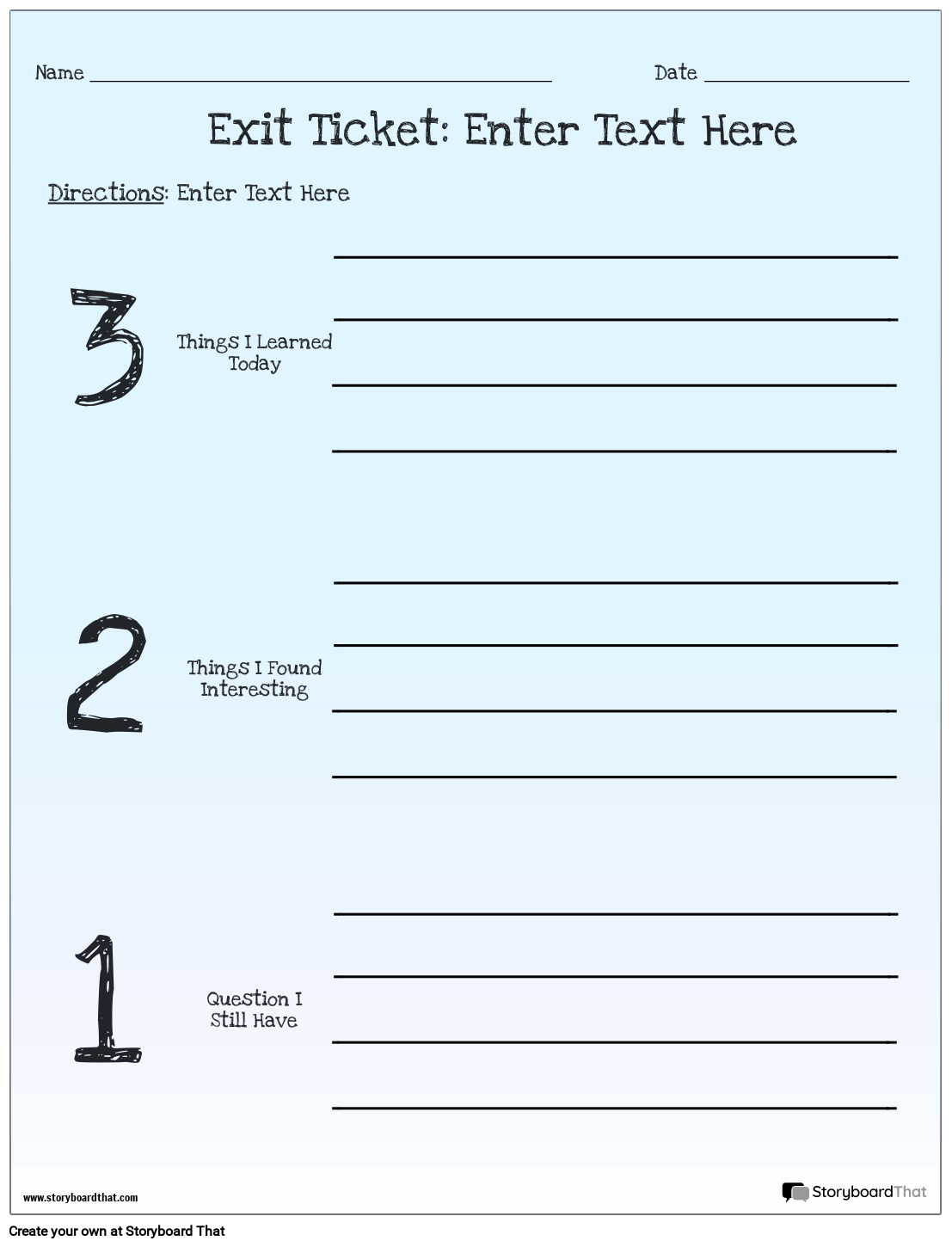
Exit tickets, also known as exit slips or exit cards, are brief assessments that students complete at the end of a lesson or class period. These assessments are designed to gauge student understanding of the material covered and provide teachers with feedback on what students have learned. Exit tickets can take many forms, such as short quizzes, reflections, or open-ended questions.
Why are Exit Tickets Important?
Exit tickets are a valuable tool for both teachers and students. For teachers, exit tickets provide immediate feedback on student learning, allowing them to adjust their instruction as needed. For students, exit tickets encourage reflection on their learning and help them identify areas where they may need additional support. Additionally, exit tickets can help teachers track student progress over time and inform future lesson planning.
What to Include on an Exit Ticket
When creating an exit ticket, it is important to include questions or prompts that align with the lesson’s learning objectives. Some common elements to include on an exit ticket are:
- Key Concepts: Ask students to identify the main ideas or key concepts covered in the lesson.
- Reflection: Have students reflect on what they have learned and how it connects to their prior knowledge.
- Feedback: Ask students to provide feedback on the lesson, such as what they found challenging or interesting.
- Next Steps: Encourage students to think about what they need to do next to deepen their understanding of the material.
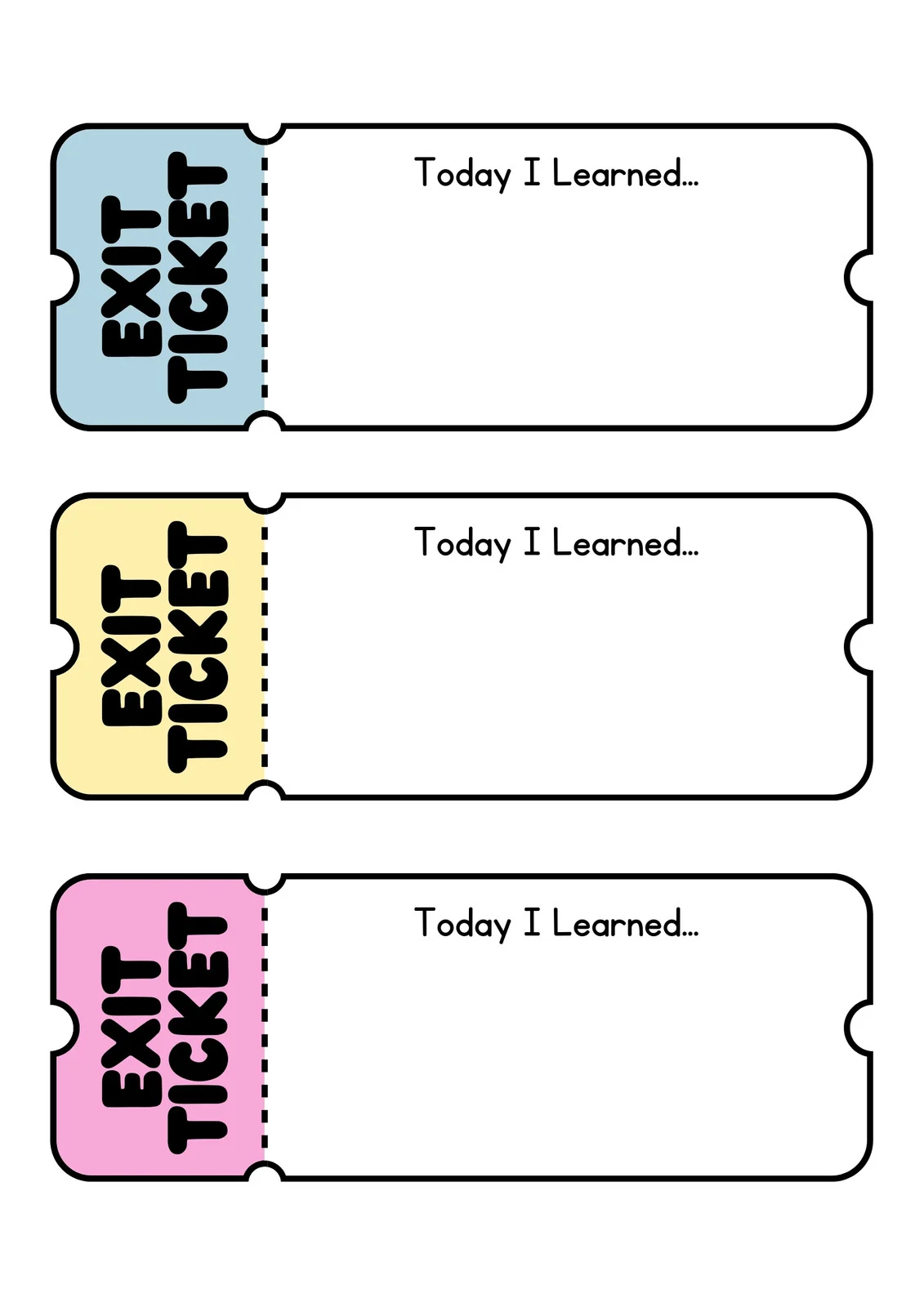
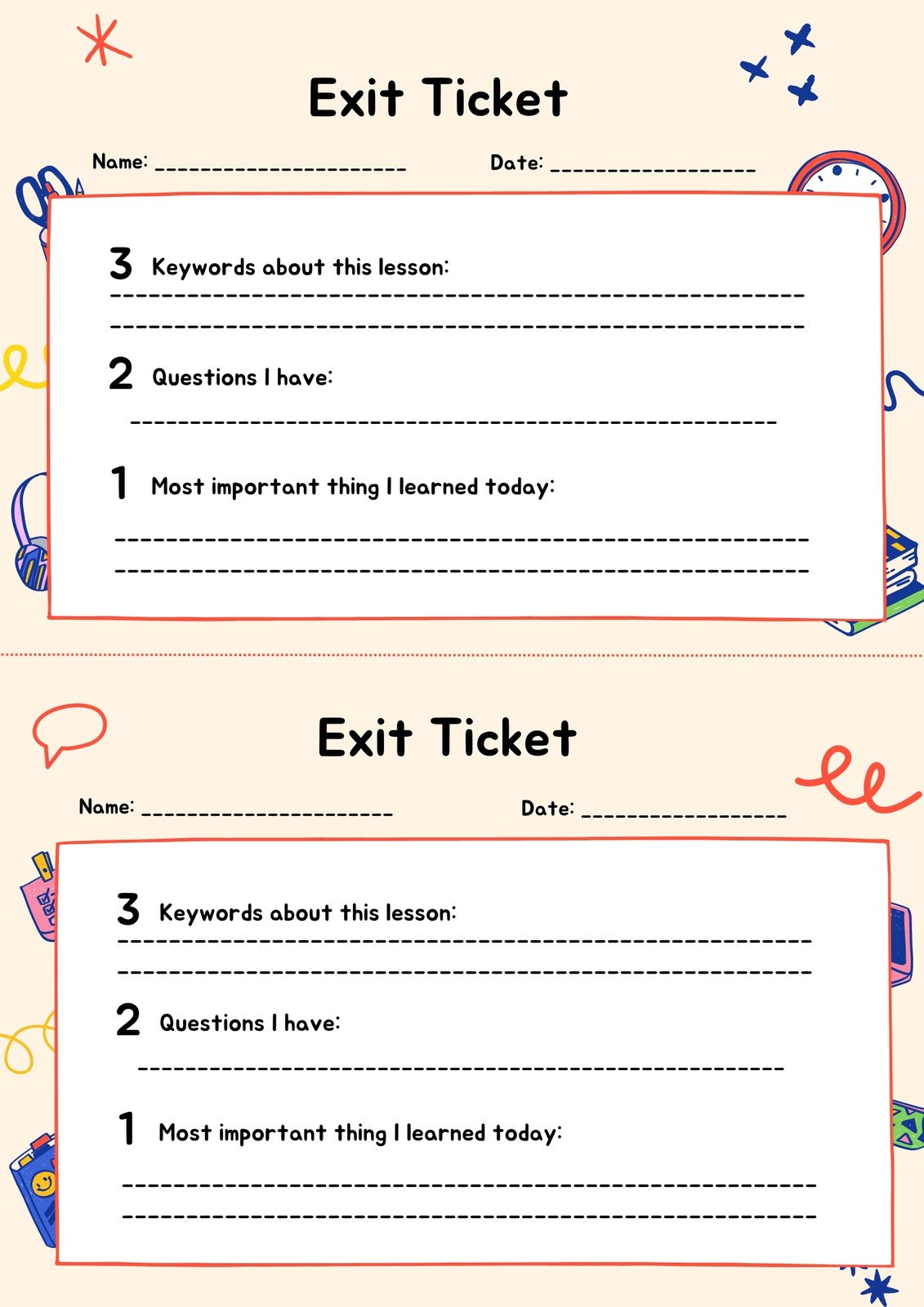
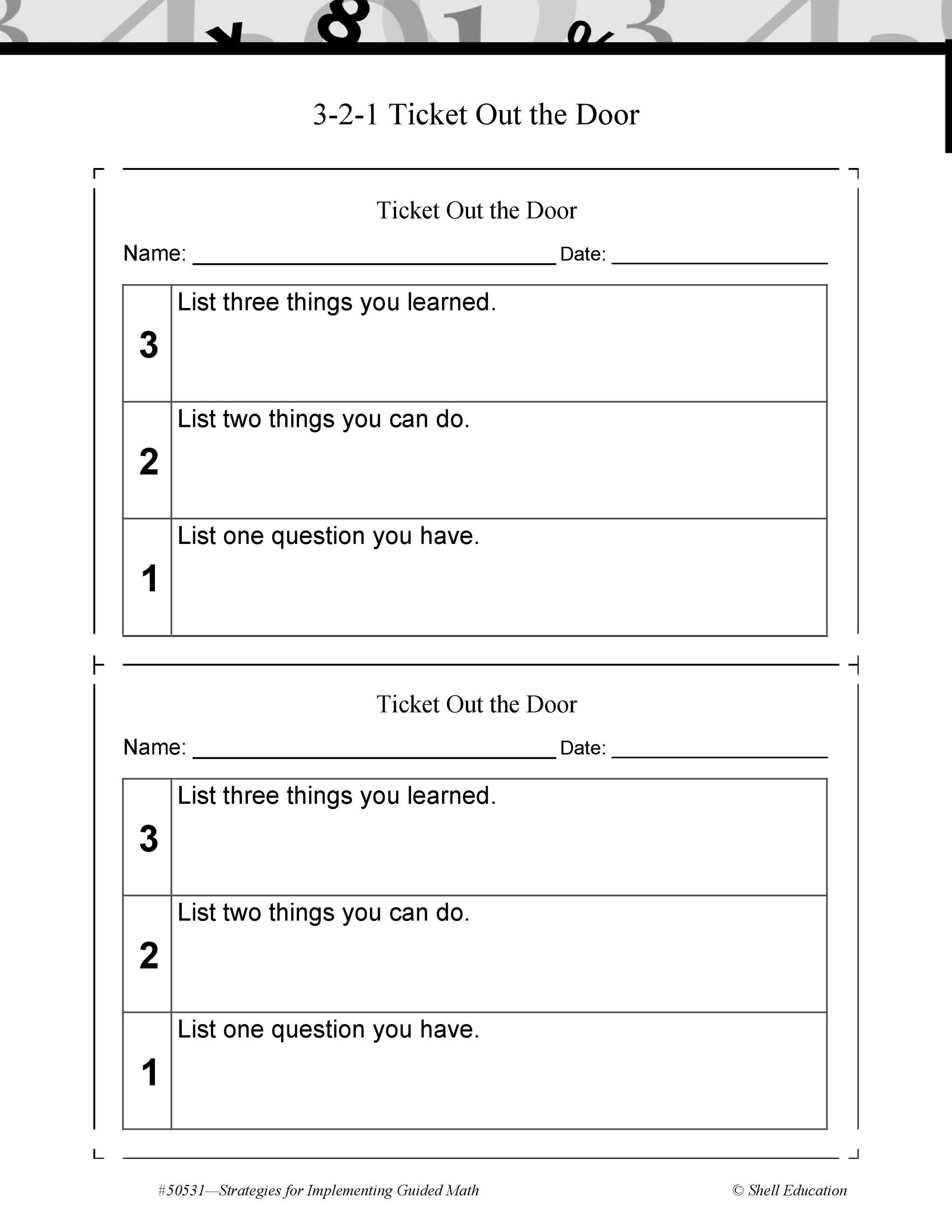
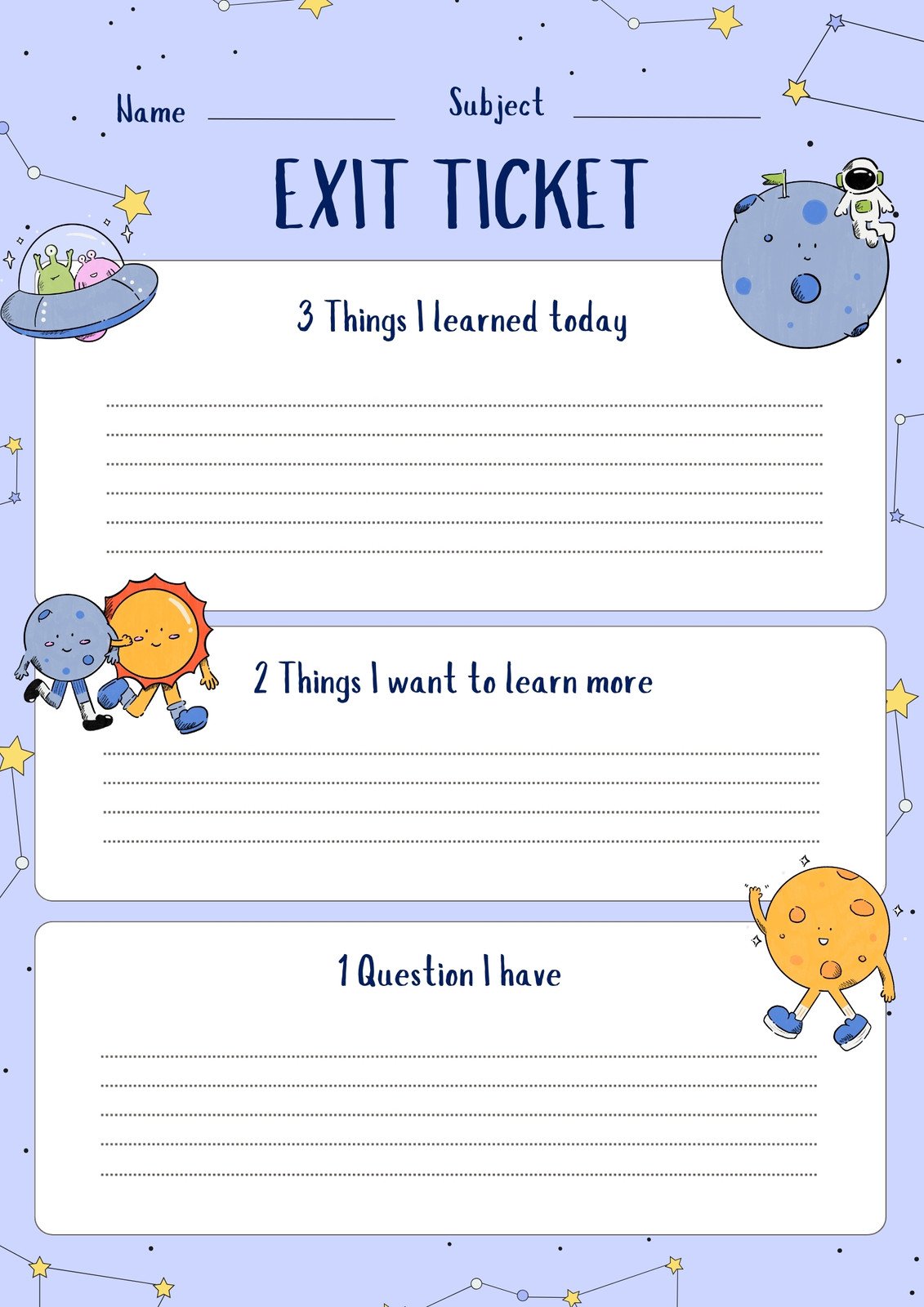
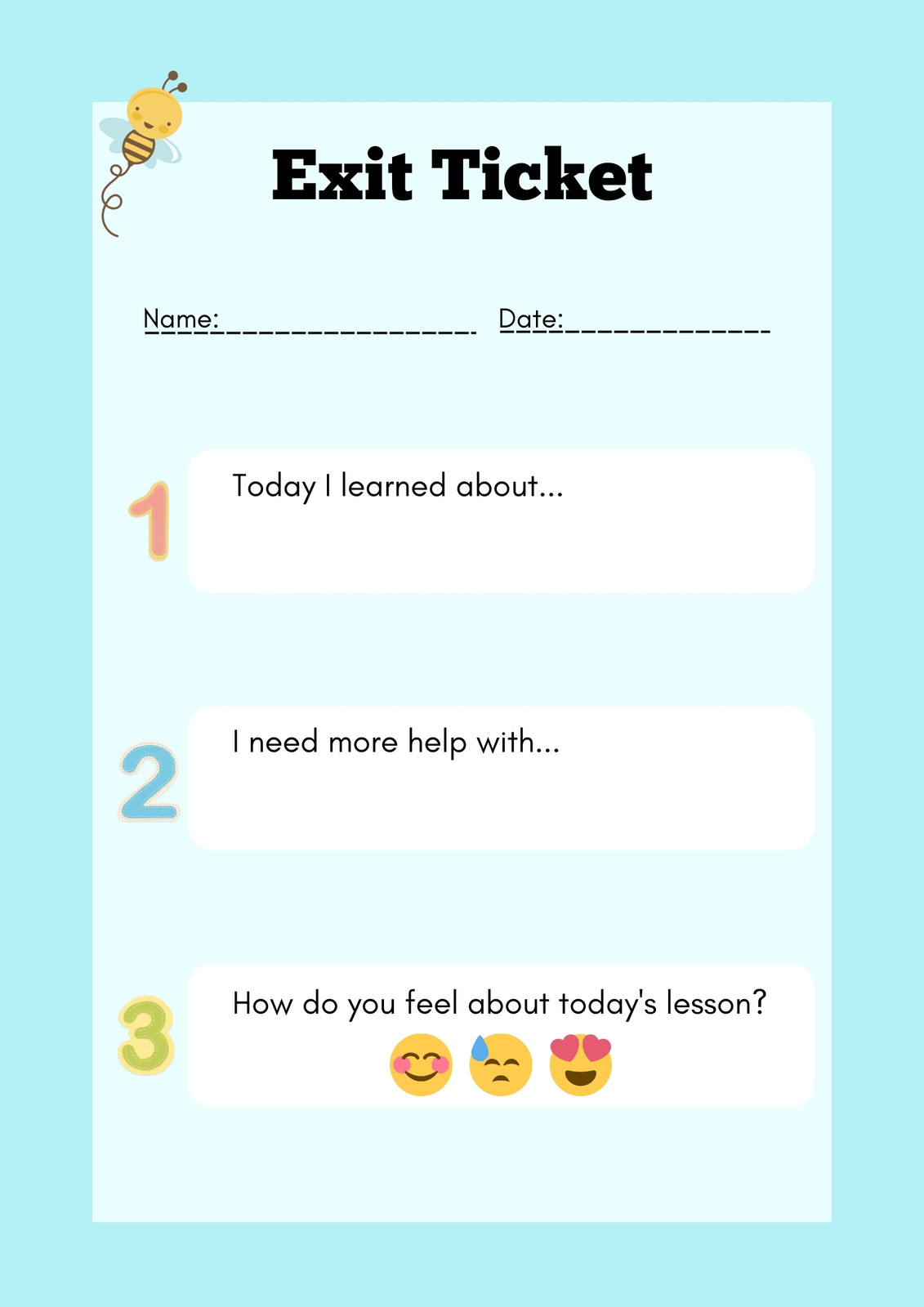
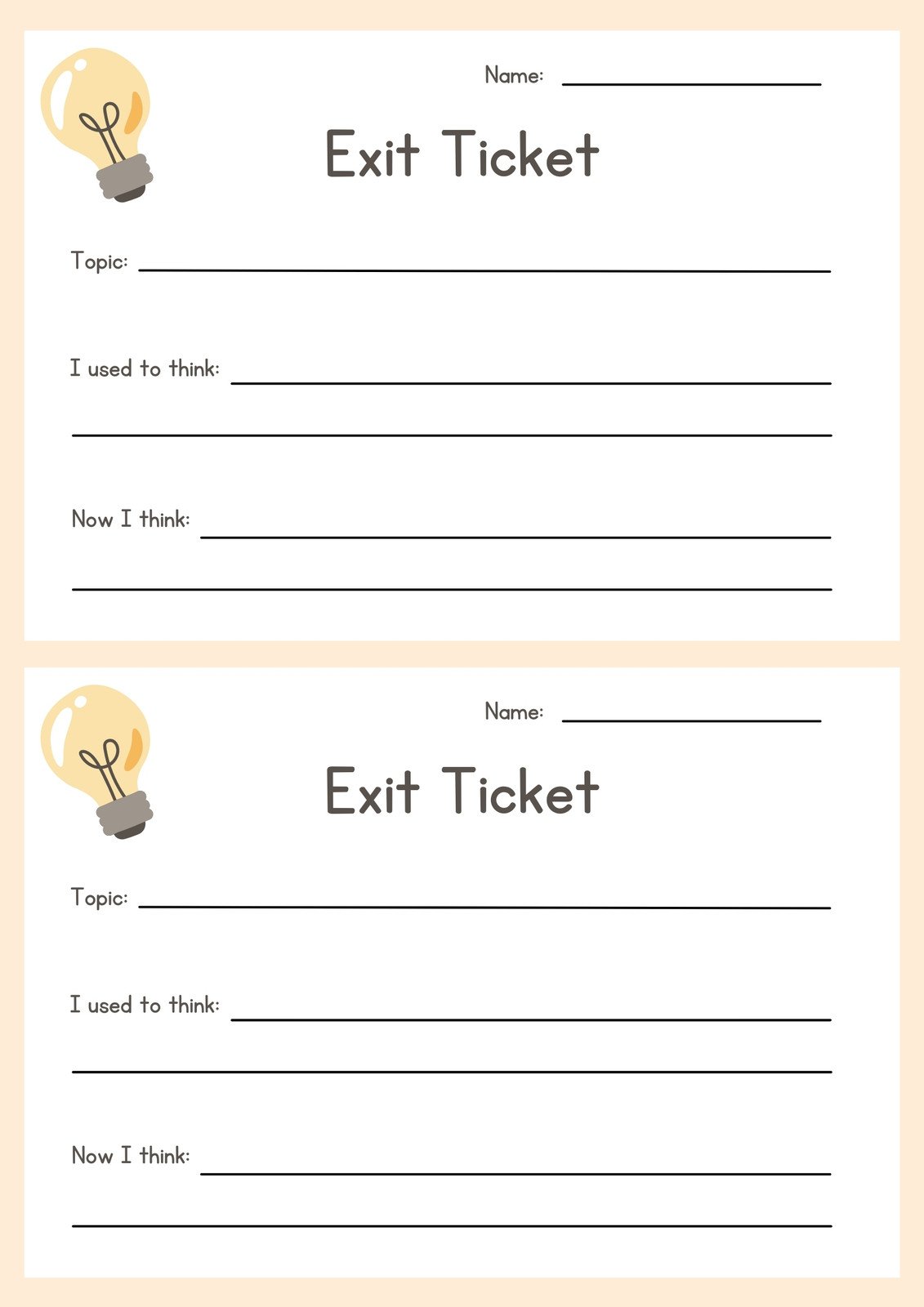
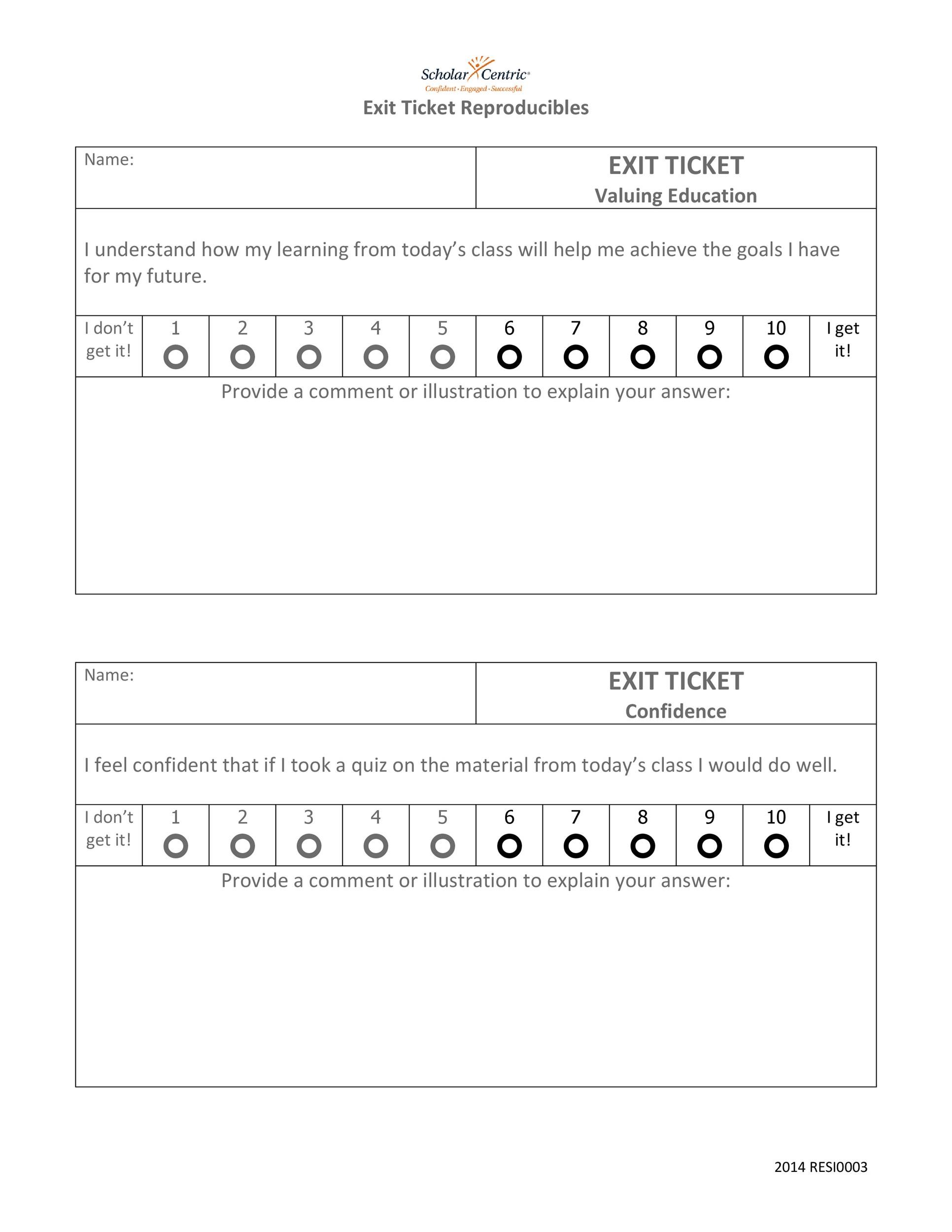
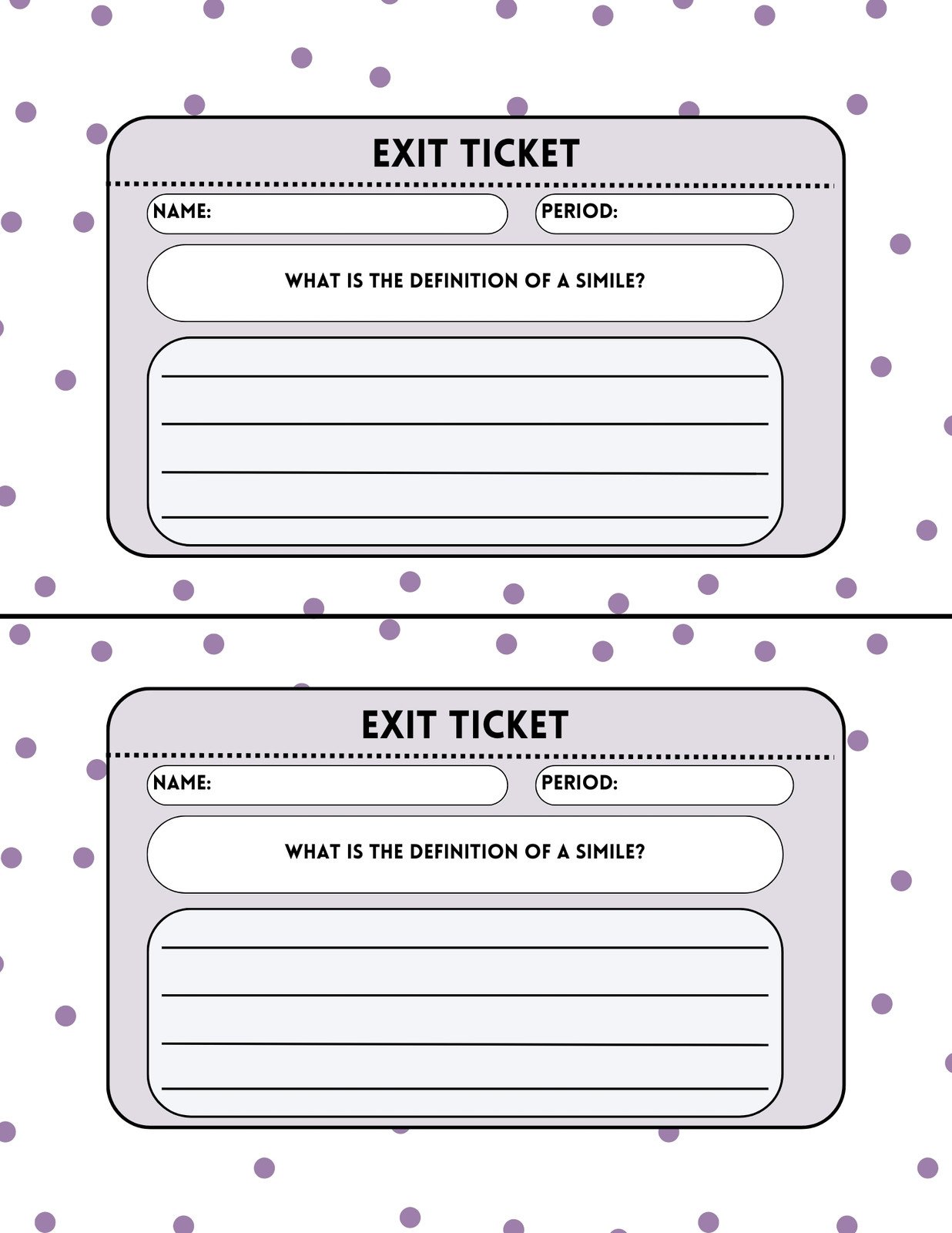
Examples
How to Use Exit Tickets Effectively
To use exit tickets effectively, consider the following tips:
- Be Consistent: Use exit tickets regularly to assess student understanding and track progress over time.
- Keep It Short: Make sure exit tickets are brief and focused on the key learning objectives of the lesson.
- Provide Feedback: Review exit tickets promptly and use the information to guide your instruction and provide targeted feedback to students.
- Use the Data: Analyze the data from exit tickets to identify trends and areas where students may need additional support.
Tips for Maximizing the Impact of Exit Tickets
Here are some additional tips for maximizing the impact of exit tickets in your classroom:
1. Make Exit Tickets Engaging
Consider using a variety of exit ticket formats, such as drawings, short written responses, or multiple-choice questions, to keep students engaged.
2. Use Exit Tickets for Different Purposes
Consider using exit tickets not only for assessing student understanding but also for gathering feedback on your teaching practices or identifying areas for future exploration.
3. Incorporate Student Choice
Allow students to choose the format or topic of their exit ticket to increase engagement and ownership of their learning.
4. Share Exit Ticket Data with Students
Consider sharing the results of exit tickets with students to promote transparency and encourage dialogue about their learning progress.
5. Collaborate with Colleagues
Discuss how you are using exit tickets with your colleagues to share best practices and gather new ideas for incorporating exit tickets into your teaching.
6. Reflect on Exit Ticket Data
Regularly reflect on the data from exit tickets to identify trends, adjust your instruction, and celebrate student growth and achievement.
7. Experiment with Different Types of Exit Tickets
Try out different types of exit tickets, such as digital platforms, group discussions, or peer assessments, to find what works best for you and your students.
Conclusion
Exit tickets are a powerful tool for assessing student understanding, providing feedback, and promoting reflection in the classroom. By incorporating exit tickets into your teaching practice and following the tips outlined in this guide, you can enhance student learning, improve your instruction, and create a more engaging and interactive classroom environment.
Exit Ticket Template – Download
