When it comes to making a movie, one of the most crucial aspects that filmmakers need to consider is the film budget. A film budget is essentially a detailed breakdown of all the expenses that will be incurred during the production of a film, from pre-production to post-production. Understanding how to create and manage a film budget is essential for ensuring that a film is completed on time and within budget.
In this article, we will explore what film budgeting involves, why it is important, what to include in a film budget, how to create one, and some tips for effectively managing a film budget.
What is Film Budgeting?
Film budgeting is the process of estimating and allocating the financial resources needed to produce a film. It involves carefully planning and tracking all expenses associated with the production, including salaries for cast and crew, equipment rentals, location fees, special effects, post-production costs, marketing expenses, and more. A well-crafted film budget serves as a roadmap for the entire production process, helping filmmakers stay on track and avoid overspending.
Why is Film Budgeting Important?
Proper film budgeting is crucial for the success of a movie project for several reasons. Firstly, having a clear understanding of the financial requirements of a film helps filmmakers secure funding from investors or production companies. A detailed budget also allows filmmakers to make informed decisions about where to allocate resources, ensuring that essential elements of the film are not compromised due to budget constraints. Additionally, effective budget management can prevent cost overruns and delays, ultimately leading to a more efficient and successful production.
What to Include in a Film Budget
Creating a comprehensive film budget involves considering all aspects of the production process and estimating the associated costs. Some key items to include in a film budget are:
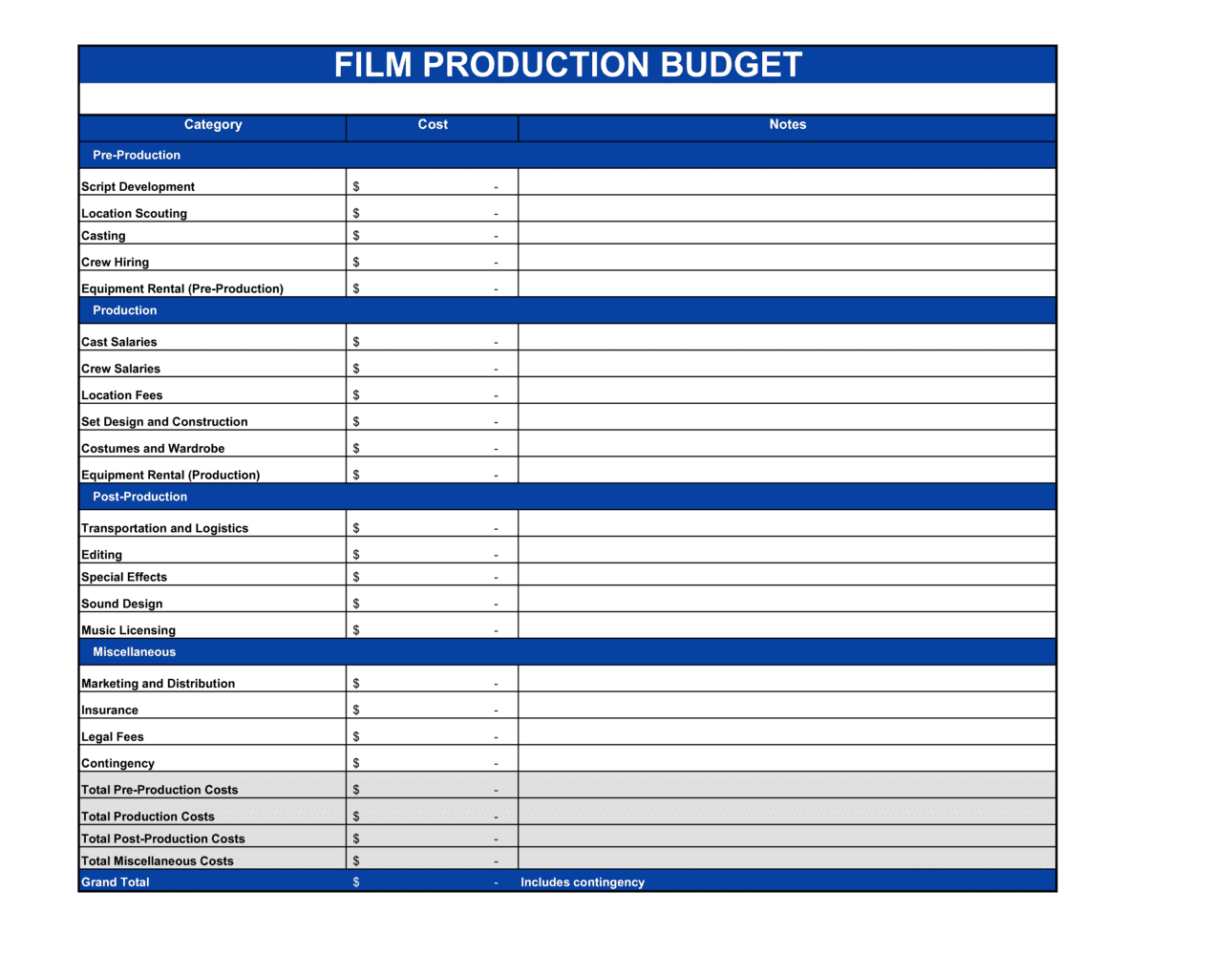
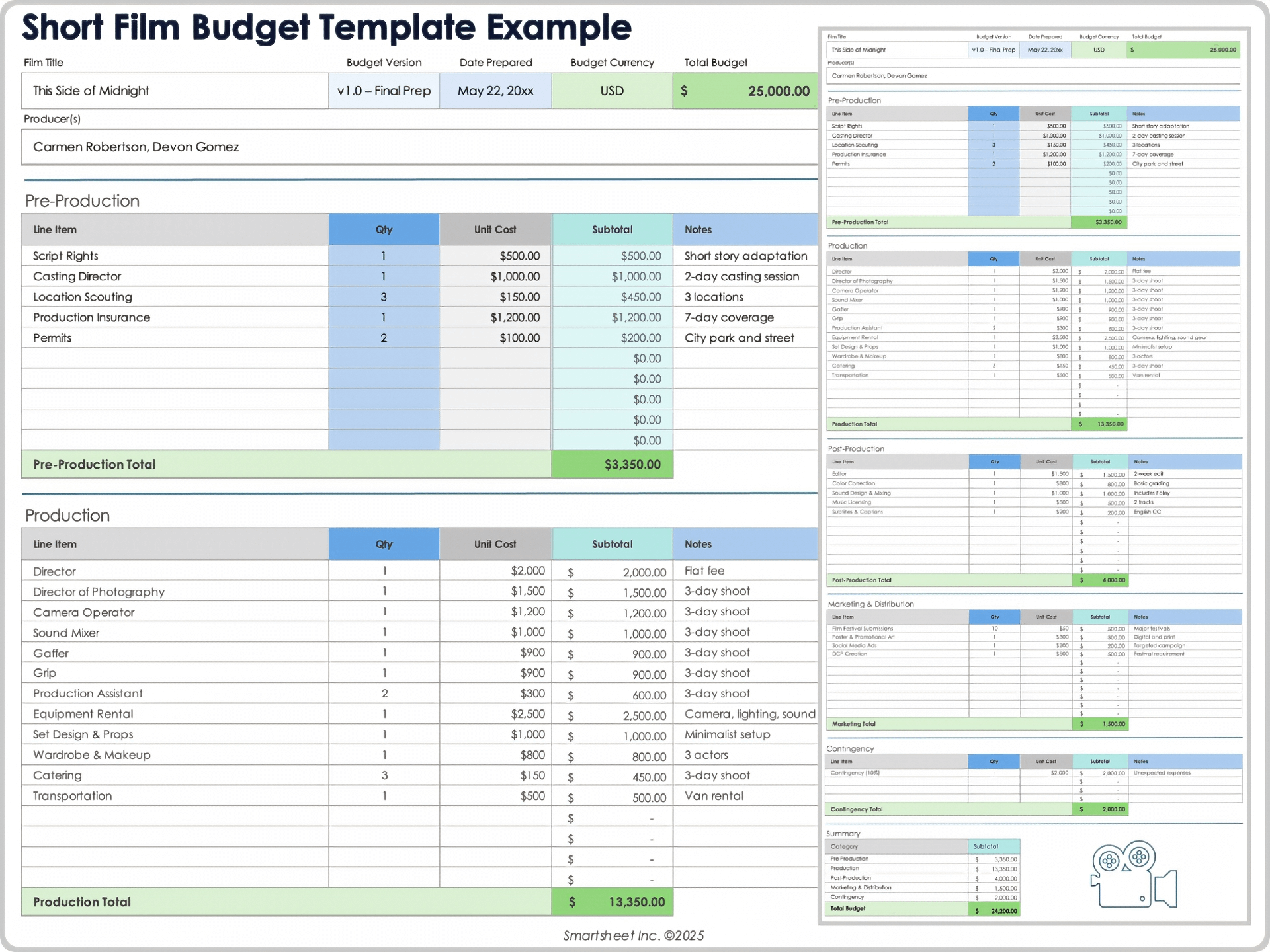
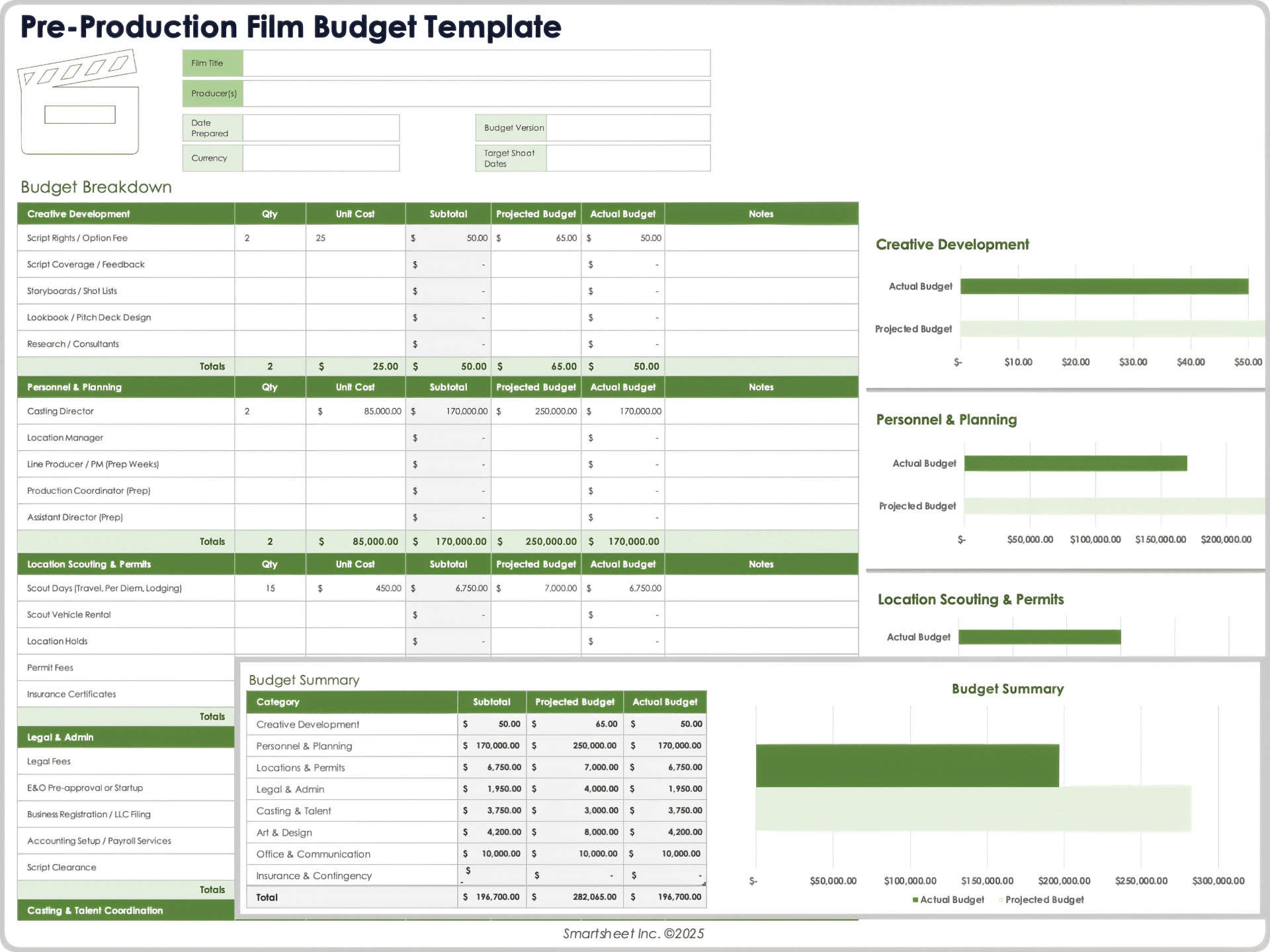
- Pre-production Costs: Include expenses such as script development, casting, location scouting, permits, and insurance.
- Production Costs: Covers expenses related to filming, such as salaries for cast and crew, equipment rentals, set construction, costumes, and catering.
- Post-production Costs: Encompasses editing, sound design, visual effects, music licensing, color correction, and distribution.
- Marketing and Distribution Costs: Include expenses for promotional materials, festival submissions, screenings, and distribution fees.
- Contingency Fund: A buffer to account for unexpected expenses or changes in the production schedule.
Examples
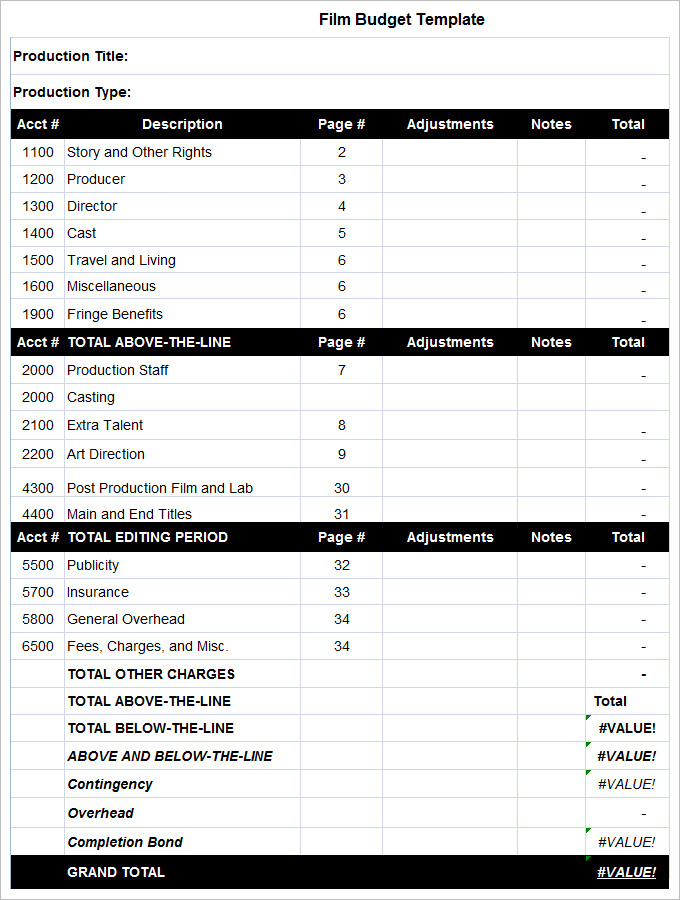
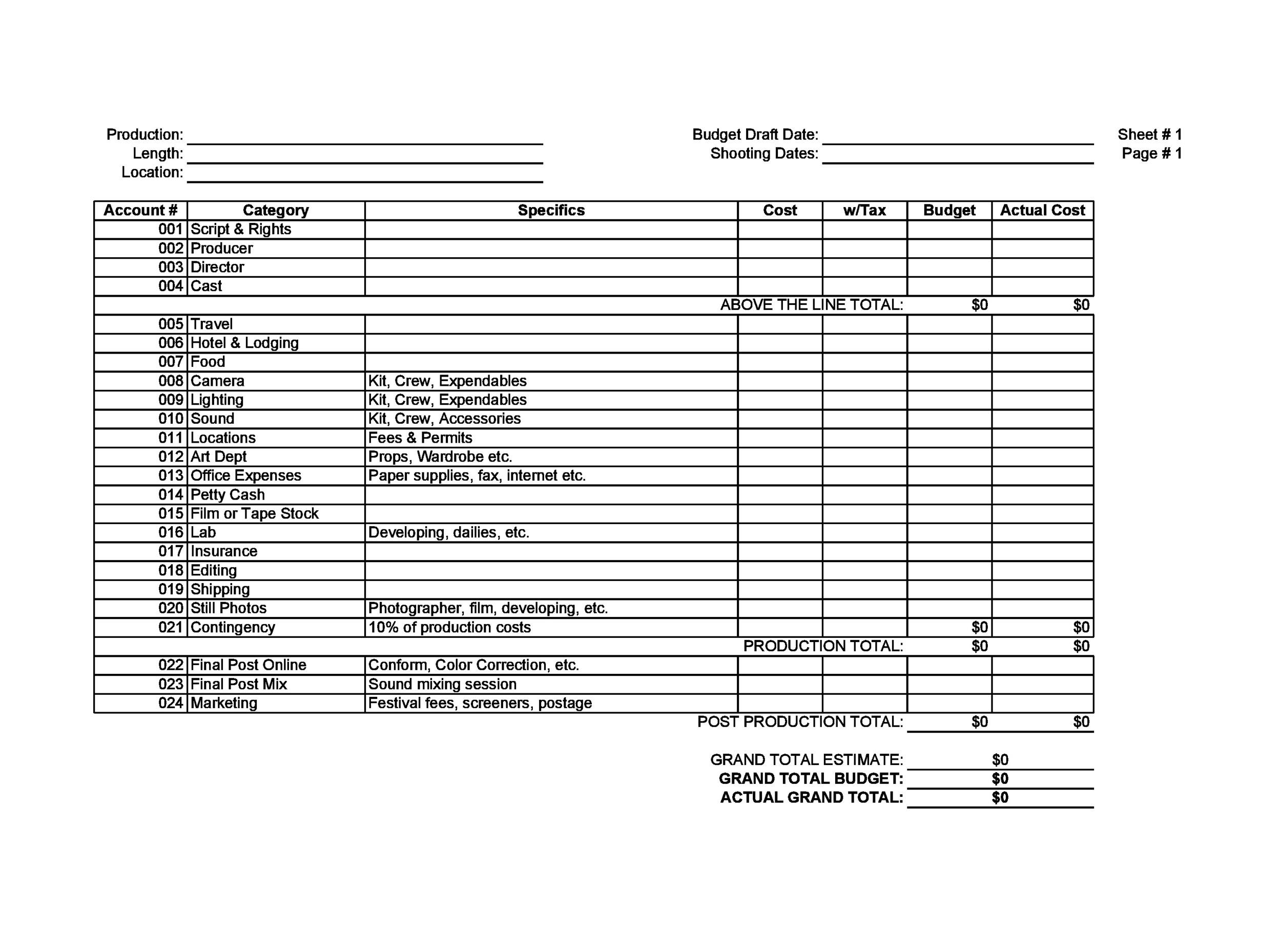
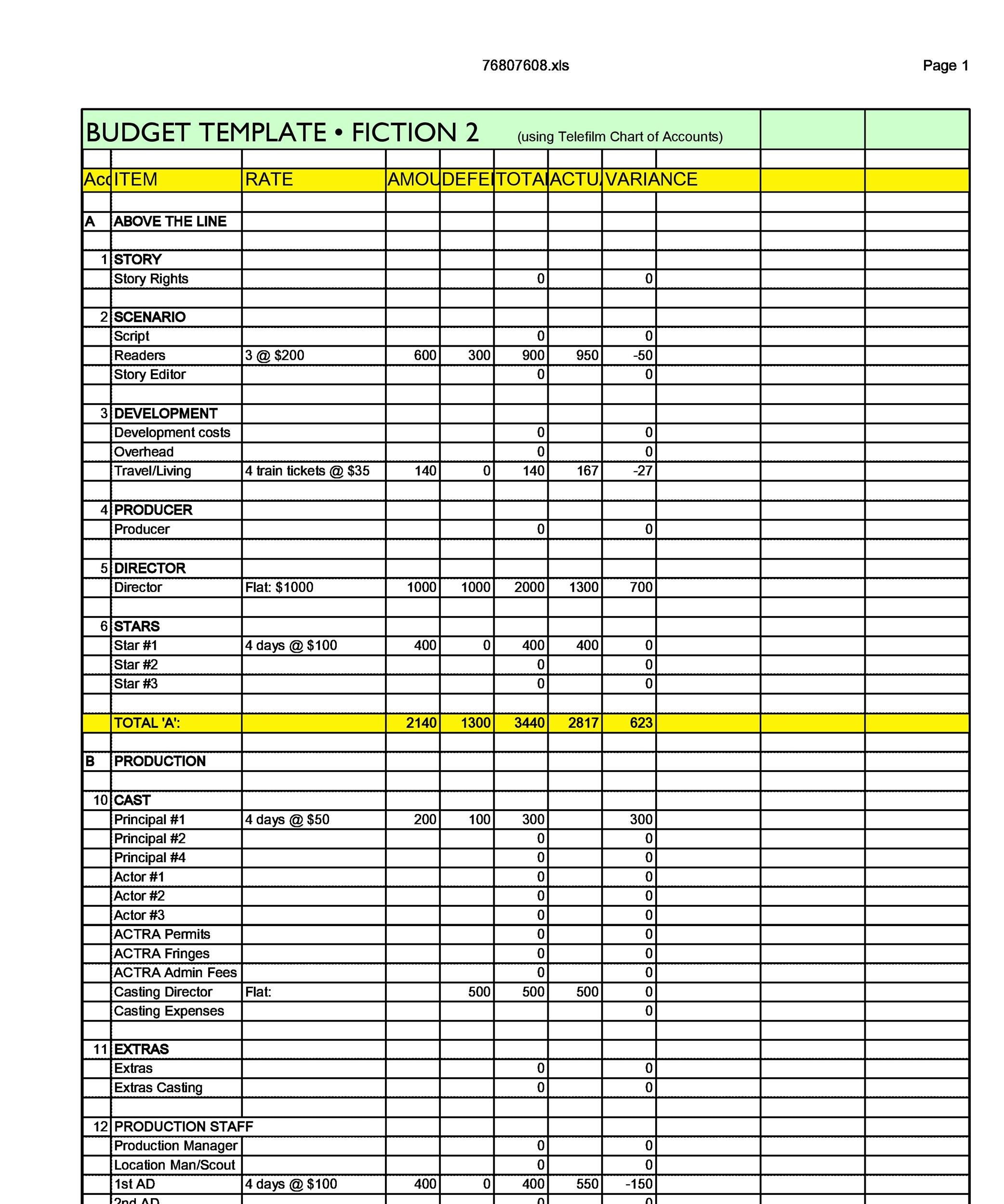
How to Create a Film Budget
Creating a film budget requires careful planning and attention to detail. Here are some steps to follow when creating a film budget:
1. Research and Estimate Costs
Research industry standards and gather quotes from vendors to estimate the costs of each aspect of the production.
2. Break Down Expenses
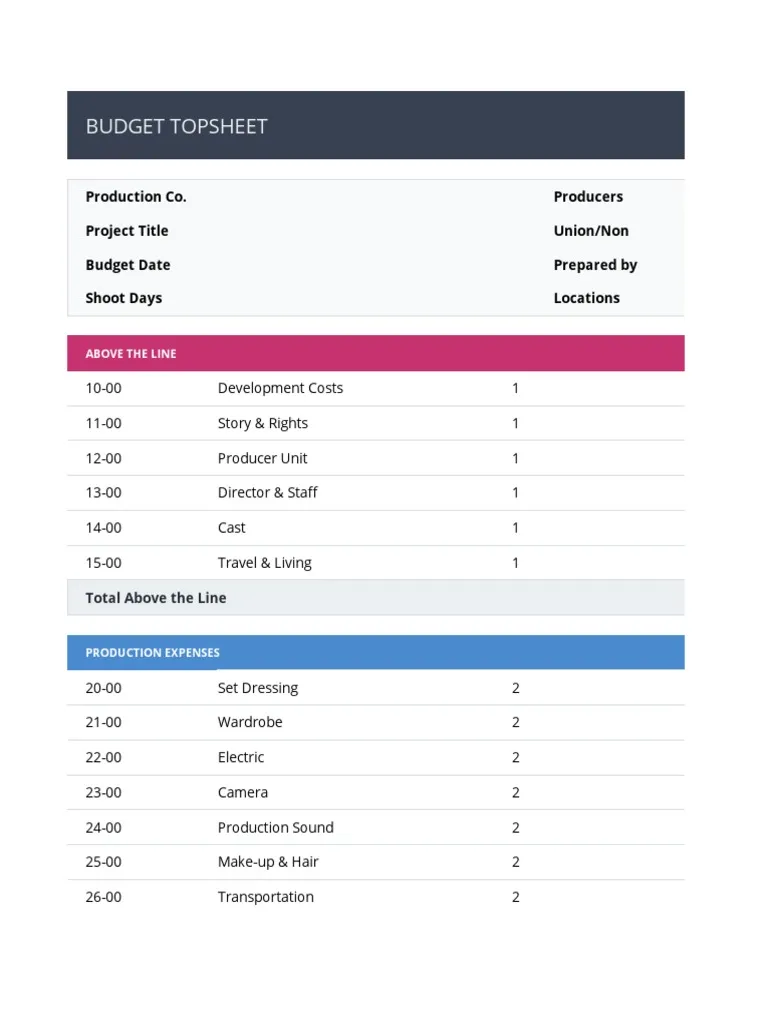
Create a detailed breakdown of all expenses, categorizing them into pre-production, production, post-production, and marketing/distribution categories.
3. Allocate Resources Wisely
Determine where to allocate resources based on the priorities of the film, ensuring that essential elements are adequately funded.
4. Monitor and Adjust
Regularly monitor expenses throughout the production process and make adjustments as needed to stay within budget.
5. Plan for Contingencies
Set aside a contingency fund to account for unexpected expenses or changes in the production schedule.
6. Seek Professional Help
If you are unfamiliar with budgeting, consider hiring a line producer or production accountant to help create and manage the film budget.
7. Use Budgeting Software
Utilize budgeting software tools to streamline the budgeting process and track expenses efficiently.
Tips for Managing a Film Budget
Managing a film budget effectively requires discipline, organization, and strategic decision-making. Here are some tips to help you successfully manage your film budget:
- Track Expenses Closely: Keep a detailed record of all expenses and regularly review your budget to ensure you are on track.
- Communicate with Your Team: Keep your cast and crew informed about budget constraints and involve them in finding cost-effective solutions.
- Negotiate Deals: Negotiate with vendors and suppliers to get the best rates for services and equipment rentals.
- Stay Flexible: Be prepared to make adjustments to your budget as needed and prioritize spending on essential elements of the film.
- Plan for the Unexpected: Build a contingency fund into your budget to account for unforeseen expenses or changes in the production schedule.
- Learn from Experience: Reflect on past projects to identify areas where you can improve budget management practices for future productions.
- Seek Feedback: Get input from industry professionals or mentors to help you refine your budgeting skills and strategies.
In Conclusion
Understanding the ins and outs of film budgeting is essential for filmmakers looking to successfully navigate the complexities of producing a movie. By creating a detailed and well-thought-out film budget, filmmakers can effectively manage resources, avoid costly mistakes, and ultimately bring their creative vision to life on the big screen. With careful planning, strategic decision-making, and a proactive approach to budget management, filmmakers can increase their chances of producing a successful and profitable film.
Film Budget Template – Download
