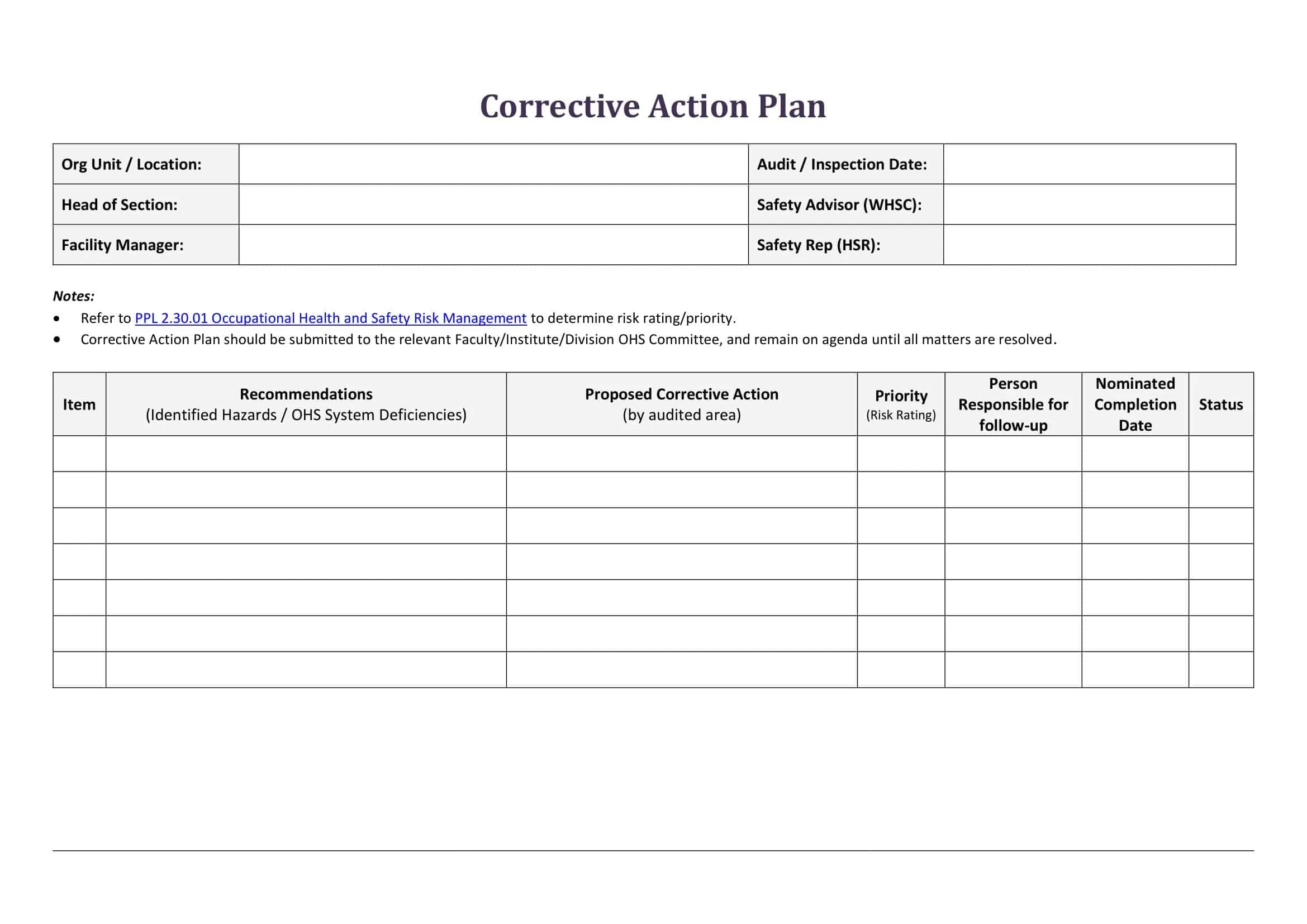
In any organization, mistakes and issues are bound to happen from time to time. Whether it’s a missed deadline, a quality control problem, or a violation of company policies, it’s crucial to have a plan in place to address and rectify these issues. This is where a corrective action plan comes into play.
What is a Corrective Action Plan?
A corrective action plan is a documented strategy that outlines the steps that need to be taken to address a specific problem or issue within an organization. It is a structured approach to identifying the root cause of the problem, developing a solution, and implementing changes to prevent the issue from occurring again in the future.
A corrective action plan is typically developed in response to a non-conformance, audit finding, customer complaint, or other similar event that indicates a deviation from established processes or standards. The ultimate goal of a corrective action plan is to improve processes, enhance quality, and prevent future occurrences of the same issue.
Why Are Corrective Action Plans Important?
Corrective action plans are essential for organizations to maintain high standards of quality, compliance, and efficiency. By addressing issues promptly and effectively, organizations can prevent small problems from escalating into larger, more serious issues that can negatively impact operations, reputation, and the bottom line.
Having a corrective action plan in place also demonstrates a commitment to continuous improvement and a proactive approach to problem-solving. It helps to identify systemic issues and areas for improvement, leading to a more efficient and effective organization overall.
What to Include in a Corrective Action Plan
When creating a corrective action plan, it’s important to include the following key components:
- Description of the Problem: Clearly define the issue or non-conformance that needs to be addressed.
- Root Cause Analysis: Identify the underlying reasons for the problem to prevent recurrence.
- Action Plan: Detail the specific steps that will be taken to address the issue.
- Timeline: Establish deadlines for each action item to ensure timely resolution.
- Responsibility: Assign roles and responsibilities to individuals or teams for each action item.
- Monitoring and Verification: Define how progress will be monitored and verified to ensure effectiveness.
- Preventive Measures: Implement changes to prevent similar issues from occurring in the future.
- Documentation: Keep detailed records of all actions taken and outcomes for future reference.
How to Implement a Corrective Action Plan
Implementing a corrective action plan requires careful planning and execution. Here are some steps to help you successfully implement a corrective action plan:
- Evaluate the Problem: Conduct a thorough analysis to understand the root cause of the issue.
- Develop an Action Plan: Create a detailed plan with specific steps, timelines, and responsibilities.
- Communicate Clearly: Inform all relevant stakeholders about the issue, plan, and their roles in the process.
- Monitor Progress: Regularly track and monitor the implementation of the action plan to ensure it stays on track.
- Review and Adjust: Periodically review the effectiveness of the action plan and make adjustments as needed.
Tips for Successful Corrective Action Plans
To ensure the success of your corrective action plan, consider the following tips:
- Act Promptly: Address issues as soon as they arise to prevent them from escalating.
- Involve Stakeholders: Engage relevant stakeholders in the process to gain buy-in and support.
- Focus on Prevention: Look for systemic issues and implement preventive measures to avoid future problems.
- Learn from Mistakes: Use the corrective action process as a learning opportunity to improve processes and prevent recurring issues.
Conclusion
Corrective action plans are essential tools for organizations looking to improve quality, compliance, and efficiency. By developing and implementing a well-thought-out corrective action plan, organizations can address issues effectively, prevent future occurrences, and demonstrate a commitment to continuous improvement. Remember to involve stakeholders, communicate clearly, and monitor progress to ensure the success of your corrective action plan.
Corrective Action Plan Template – Free Download
