What is a Blood Pressure Log?
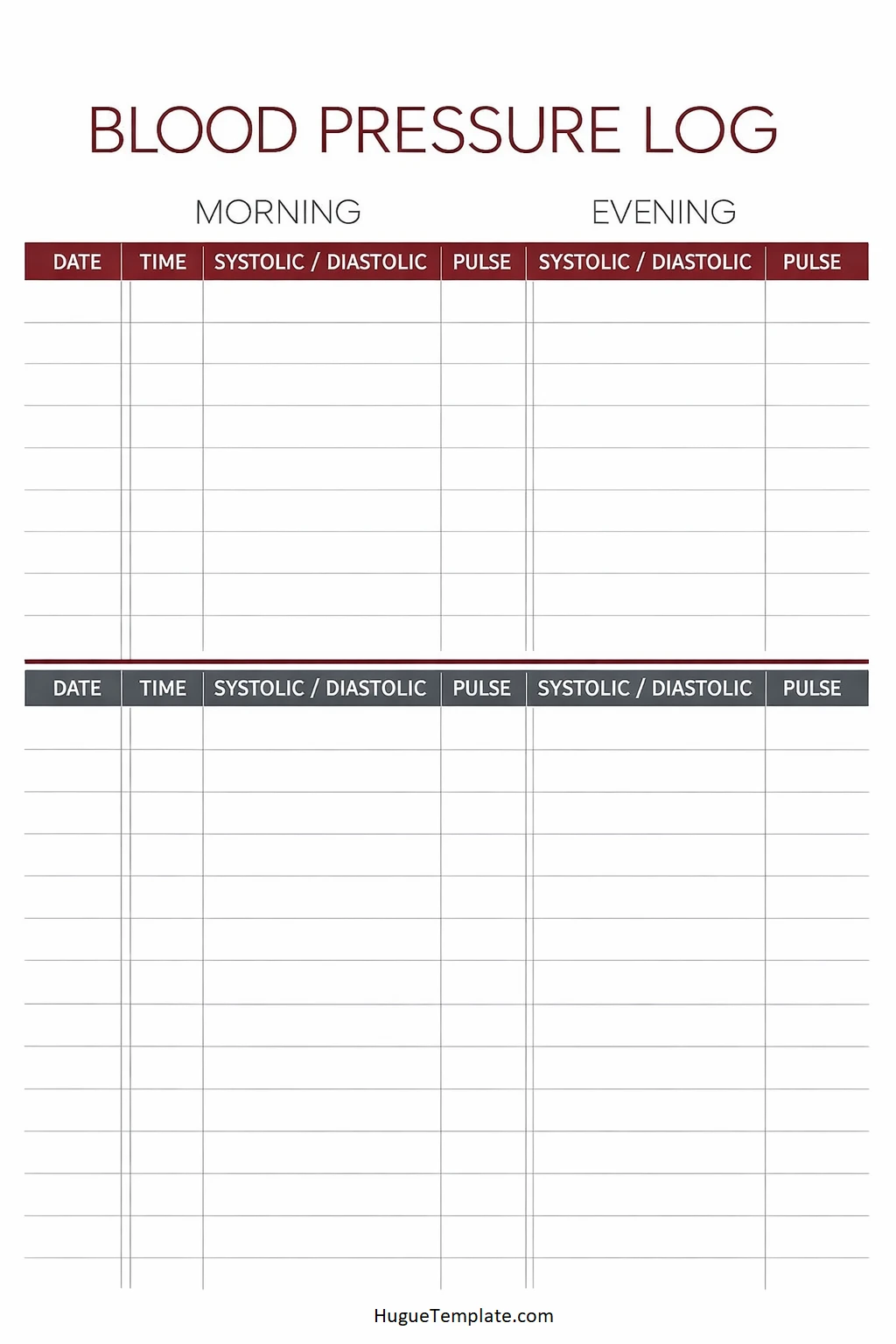
A blood pressure log is a tool used to track and record blood pressure readings over time. It typically includes columns for date, time, systolic and diastolic blood pressure readings, and any additional notes.
This log provides a comprehensive overview of an individual’s blood pressure trends and patterns, allowing for better management of cardiovascular health.
Why is Keeping a Blood Pressure Log Important?
Keeping a blood pressure log is essential for individuals with hypertension or those at risk of developing high blood pressure. By maintaining a detailed record of blood pressure readings, individuals and healthcare providers can better assess cardiovascular health, identify potential health issues, and make informed decisions regarding treatment and lifestyle changes.
Early Detection of Hypertension
One of the key reasons why keeping a blood pressure log is crucial is the early detection of hypertension. By consistently monitoring blood pressure readings, individuals can identify any persistent elevation in blood pressure levels, which may indicate the presence of hypertension. Early detection allows for timely intervention and management strategies to prevent complications.
Monitoring Treatment Effectiveness
For individuals already diagnosed with hypertension, a blood pressure log plays a vital role in monitoring the effectiveness of treatment strategies. By tracking blood pressure readings over time, individuals and healthcare providers can assess whether current interventions, such as medication or lifestyle changes, are successfully lowering blood pressure levels. This information is essential for making adjustments to treatment plans as needed.
Identifying Triggers and Patterns
Another significant advantage of maintaining a blood pressure log is the ability to identify triggers and patterns that may impact blood pressure levels. By recording additional information such as physical activity, diet, stress levels, and medication adherence, individuals can pinpoint factors that contribute to fluctuations in blood pressure. Recognizing these triggers allows for targeted interventions and a more personalized approach to managing hypertension.
Key Elements of a Blood Pressure Log
When creating a blood pressure log, it is important to include specific key elements to ensure comprehensive tracking and accurate record-keeping.
Date and Time
Recording the date and time of each blood pressure reading is essential for establishing a chronological record of blood pressure measurements. This information enables individuals and healthcare providers to track changes over time, identify trends, and assess the impact of daily activities on blood pressure levels.
Blood Pressure Readings
Central to a blood pressure log are the actual blood pressure readings, including systolic and diastolic measurements. These values reflect the force exerted by the blood against the walls of the arteries during heart contractions (systolic) and relaxation (diastolic). Tracking both values provides a comprehensive picture of blood pressure status and helps in determining overall cardiovascular health.
Additional Notes
In addition to date and blood pressure readings, leaving space for additional notes in a blood pressure log allows individuals to record relevant information that may influence blood pressure levels. This can include details on medication intake, physical activity, dietary choices, stress levels, symptoms experienced, and any other factors that could impact blood pressure. These notes provide context to the readings and facilitate a more thorough analysis of blood pressure patterns.
How to Keep a Blood Pressure Log
Maintaining a blood pressure log requires consistency, attention to detail, and effective communication with healthcare providers. By following some key strategies, individuals can create and maintain a comprehensive log for better cardiovascular health management.
Choose a Format
When starting a blood pressure log, individuals can opt for various formats based on personal preference and convenience. Common options include using a notebook or journal, utilizing a digital app or software, or printing out a blood pressure log template for manual recording. Selecting a format that aligns with one’s lifestyle and habits can enhance the likelihood of consistent tracking.
Be Consistent
Consistency is paramount when keeping a blood pressure log. Establishing a routine for monitoring blood pressure readings, such as taking measurements at the same time each day, can help ensure accurate and reliable data collection. Consistency in recording readings allows for a more accurate assessment of blood pressure trends and facilitates effective communication with healthcare providers.
Share with Your Doctor
Sharing the blood pressure log with a healthcare provider is an essential step in utilizing the information effectively. By bringing the log to medical appointments, individuals can engage in meaningful discussions with their doctors regarding blood pressure trends, treatment effectiveness, and potential adjustments to management strategies. Open communication based on the information in the log can lead to more personalized and targeted care.
Tips for Successful Blood Pressure Monitoring
In addition to maintaining a blood pressure log, individuals can adopt various strategies to promote successful blood pressure monitoring and overall cardiovascular health.
Stay Hydrated
Proper hydration is key to maintaining healthy blood pressure levels. Drinking an adequate amount of water helps support optimal blood flow and overall cardiovascular function. Individuals should aim to stay hydrated throughout the day and limit the consumption of sugary or caffeinated beverages that can impact blood pressure.
Reduce Stress
Chronic stress can contribute to elevated blood pressure levels and negatively impact cardiovascular health. Engaging in stress-reducing activities such as meditation, deep breathing exercises, yoga, or mindfulness practices can help individuals manage stress effectively. By incorporating stress management techniques into daily routines, individuals can support healthy blood pressure regulation.
Follow a Healthy Diet
Diet plays a significant role in blood pressure management. Following a balanced diet rich in fruits, vegetables, whole grains, lean proteins, and healthy fats can help maintain optimal blood pressure levels. Individuals should aim to reduce sodium intake, limit processed foods, and avoid excessive consumption of saturated and trans fats. A heart-healthy diet can support overall cardiovascular health and promote blood pressure regulation.
Exercise Regularly
Regular physical activity is essential for cardiovascular health and blood pressure management. Engaging in moderate aerobic exercise, such as brisk walking, cycling, swimming, or jogging, for at least 30 minutes most days of the week can help lower blood pressure levels. Exercise promotes heart health, strengthens blood vessels, and improves circulation, contributing to overall cardiovascular fitness.
Maintain a Healthy Weight
Excess weight can contribute to high blood pressure and increase the risk of cardiovascular disease. Maintaining a healthy weight through a combination of balanced diet and regular exercise can help reduce blood pressure levels and improve overall cardiovascular health. Individuals should strive to achieve and maintain a body mass index (BMI) within the healthy range to support optimal blood pressure regulation.
Limit Alcohol Consumption
Excessive alcohol intake can raise blood pressure levels and contribute to cardiovascular complications. Individuals should limit alcohol consumption to moderate levels, defined as up to one drink per day for women and up to two drinks per day for men. By practicing moderation and being mindful of alcohol consumption, individuals can support better blood pressure control and overall heart health.
Get Adequate Sleep
Sleep plays a vital role in cardiovascular health and blood pressure regulation. Lack of sleep or poor sleep quality can affect blood pressure levels and increase the risk of hypertension. Individuals need to prioritize sleep hygiene practices, such as maintaining a consistent sleep schedule, creating a restful sleep environment, and practicing relaxation techniques before bedtime. Adequate sleep is essential for overall well-being and optimal blood pressure management.
Free Blood Pressure Log Template
A Blood Pressure Log helps you consistently track blood pressure readings in a clear and organized format. It provides space to record dates, times, systolic and diastolic values, and notes, supporting better health monitoring and informed discussions with healthcare providers. With a well-designed template, you can manage your health data accurately and stay proactive about your well-being.
Download our Blood Pressure Log Template today to track your readings easily and support your health goals with confidence.
Blood Pressure Log Template – DOWNLOAD
