A recipe book is more than a collection of cooking instructions. It is a practical guide for organizing favorite dishes, recording ingredients, remembering cooking techniques, and creating consistent results in the kitchen. A well-organized recipe book can also become a personal collection of family favorites, traditional dishes, and recipes discovered over time.
Whether you are an experienced cook or just learning your way around the kitchen, keeping recipes in one place makes meal planning and cooking much easier. Instead of searching through loose notes, screenshots, websites, or handwritten cards, you can organize recipes by category and keep useful cooking notes alongside each dish.
A printable recipe book template provides a simple structure for recording ingredients, preparation instructions, cooking times, serving information, and personal notes.
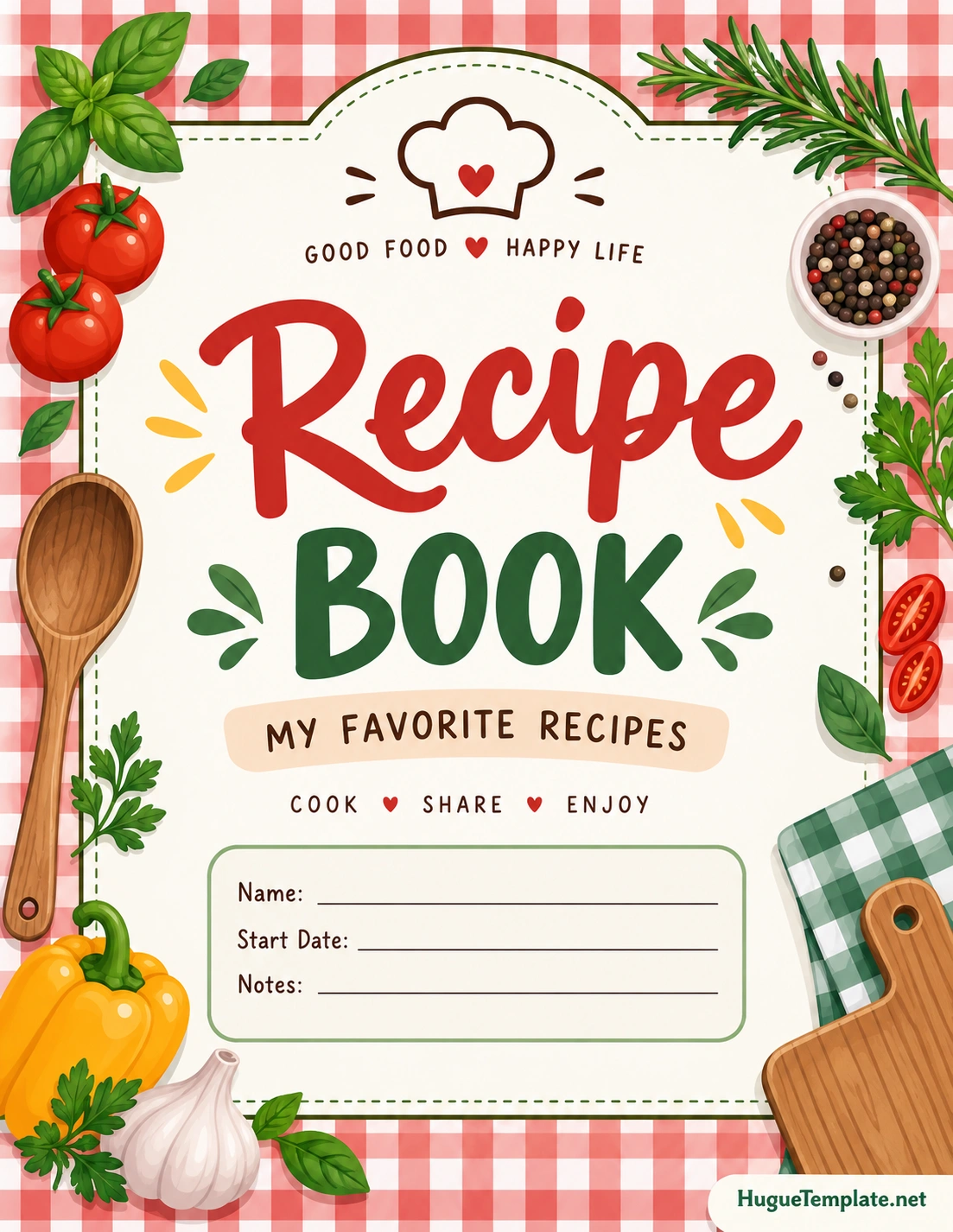
What Is a Recipe Book?
A recipe book is an organized collection of recipes that provides the information needed to prepare different dishes. Each recipe typically includes a list of ingredients, measurements, preparation steps, cooking instructions, serving information, and sometimes additional notes.
Recipe books can be traditional printed books, handwritten notebooks, digital collections, or personalized binders. The format can be simple or highly detailed depending on how the cook prefers to organize information.
A personal recipe book can contain everyday meals, desserts, holiday dishes, family recipes, international cuisine, meal-prep ideas, or recipes created and modified by the cook.
Why Keep a Recipe Book?
Keeping recipes in an organized collection has several practical benefits. It makes cooking information easier to find and provides a reliable reference when preparing familiar or new dishes.
- Organizes favorite recipes in one convenient place.
- Makes cooking instructions easier to follow.
- Helps preserve family and traditional recipes.
- Provides a place to record recipe modifications.
- Makes it easier to repeat successful meals.
- Helps build a personal collection of cooking ideas.
- Provides inspiration when planning meals.
A recipe book can also document how a recipe changes over time. For example, you might reduce the amount of sugar, substitute an ingredient, change the cooking temperature, or adjust the serving size after testing a recipe.
What Should Be Included in a Recipe Book?
The structure of a recipe book depends on its purpose. However, including a few consistent fields can make every recipe easier to understand and reproduce.
Recipe Name
Start each entry with a clear recipe name. A descriptive title makes it easier to find a particular dish later.
Ingredients
List every ingredient required for the recipe. Include measurements and specify ingredients clearly when different varieties could affect the result.
Preparation Instructions
Write the preparation process in a logical order. Instructions should explain important actions such as chopping, mixing, marinating, preheating, or preparing cooking equipment.
Cooking Instructions
Include cooking temperature, cooking method, approximate cooking time, and other details needed to prepare the dish successfully.
Serving Information
Recording the number of servings can make meal planning easier. It also provides a useful reference when adjusting ingredient quantities for a larger or smaller group.
Personal Notes
A personal notes section is useful for recording substitutions, adjustments, family preferences, preparation shortcuts, or observations from previous attempts.
How to Organize a Recipe Book
As your collection grows, organization becomes increasingly important. Without a consistent system, finding a specific recipe can become difficult.
One simple approach is to divide recipes into categories such as:
- Breakfast
- Appetizers and snacks
- Soups and salads
- Main dishes
- Side dishes
- Desserts
- Breads and baked goods
- Beverages
- Holiday recipes
- Family recipes
You can create additional categories based on the way you cook. For example, a meal-prep recipe book might use categories such as quick meals, freezer meals, high-protein meals, lunch ideas, and make-ahead dinners.
How to Write a Recipe Clearly
A good recipe should allow another person to understand what to do without needing to guess important details. Clear writing is especially important when a recipe contains multiple preparation stages.
List Ingredients in the Order They Are Used
One useful approach is to arrange ingredients in roughly the same order they appear in the cooking instructions. This makes it easier to prepare ingredients as the recipe progresses.
Use Specific Measurements
Whenever practical, use clear measurements instead of vague descriptions. Terms such as one tablespoon, one cup, or 400°F provide more consistent guidance than descriptions such as “a little” or “some.”
Separate Preparation From Cooking
Explain preparation steps before describing the cooking process. For example, if vegetables need to be chopped before they are added to a pan, state that preparation step clearly.
Include Important Timing Information
Cooking time can significantly affect the final result. Include approximate preparation time, cooking time, resting time, chilling time, or rising time when those details matter.
Recipe Book for Family Recipes
A recipe book can be a meaningful way to preserve family cooking traditions. Recipes that have been prepared for birthdays, holidays, celebrations, or regular family meals can be documented so they are easier to share with future generations.
When recording a family recipe, consider adding information beyond the ingredients and instructions. You might include the name of the person who created or taught you the recipe, the occasion when it is usually served, or a short note about its history.
These personal details can turn an ordinary recipe collection into a valuable record of family food traditions.
Using a Recipe Book for Meal Planning
A recipe book can also support weekly meal planning. Once your favorite meals are organized, you can quickly select recipes for upcoming breakfasts, lunches, dinners, or special occasions.
For example, you can mark recipes as quick meals, weekend meals, freezer-friendly dishes, or family favorites. This makes it easier to choose meals based on the amount of time available.
You can also add a shopping list section to selected recipes. Recording commonly purchased ingredients can simplify grocery planning and reduce the chance of forgetting an important item.
How to Create a Personal Recipe Book
Creating a personal recipe book can be as simple as collecting your favorite recipes and transferring them into a consistent format.
- Choose a format: Decide whether you prefer a printed binder, notebook, recipe cards, or digital collection.
- Select categories: Create categories that match the types of food you regularly prepare.
- Collect recipes: Gather handwritten recipes, family recipes, personal creations, and recipes you have tested.
- Standardize the layout: Use consistent sections for ingredients, instructions, cooking time, servings, and notes.
- Test each recipe: Prepare recipes and record useful adjustments after testing them.
- Add personal notes: Record substitutions, preferences, and helpful cooking observations.
- Keep it organized: Arrange recipes by category or another system that makes them easy to locate.
Tips for Making a Recipe Book More Useful
A practical recipe book should be easy to use while cooking. Keep the design simple enough that important information can be located quickly.
- Use clear recipe titles.
- Keep ingredient measurements consistent.
- Use short, numbered cooking steps when a recipe has several stages.
- Record cooking temperature and approximate cooking time.
- Include serving sizes whenever possible.
- Leave space for notes and future adjustments.
- Use dividers or categories for larger recipe collections.
- Mark favorite recipes for quick reference.
Recipe Book vs. Recipe Card
A recipe card is typically designed to hold one recipe, while a recipe book contains multiple recipes organized into a larger collection. Both formats can be useful depending on your cooking habits.
Recipe cards are convenient when you frequently share individual recipes or want to keep a small number of favorite dishes accessible. A recipe book is more useful when you want to maintain a comprehensive collection.
Some cooks combine both approaches by keeping frequently used recipes on cards and storing longer-term recipes in a larger recipe binder.
Benefits of Using a Printable Recipe Book Template
A printable recipe book template provides a consistent structure without requiring you to design every page from scratch. You can print multiple copies and use the same layout for different dishes.
A template can also help ensure that important information is not forgotten. Dedicated sections for ingredients, instructions, servings, cooking time, and notes make each recipe easier to document.
For families, a printable recipe template can become part of a shared collection where different people contribute their favorite dishes and cooking traditions.
Preserving Recipes and Cooking Traditions
Recipes can contain cultural and family knowledge that is difficult to replace once it is forgotten. Writing recipes down creates a lasting record that can be shared with relatives, friends, or future generations.
Consider including traditional preparation methods, ingredient substitutions, special occasions, and stories connected to important dishes. These details can add context and meaning to a recipe collection.
A carefully maintained recipe book can therefore serve both a practical purpose in the kitchen and a personal purpose as a record of food traditions.
Final Thoughts
A recipe book is a practical way to organize cooking instructions, preserve favorite dishes, and develop a personal collection of reliable recipes. By recording ingredients, preparation methods, cooking times, serving information, and personal notes, you can make recipes easier to follow and reproduce.
Whether you are building a collection of everyday meals, documenting family traditions, or creating a personal cookbook, a structured recipe book provides a simple place to keep everything organized. A printable recipe book template can make that process even easier by providing a consistent format that you can customize as your collection grows.
Download: Recipe Book Template
