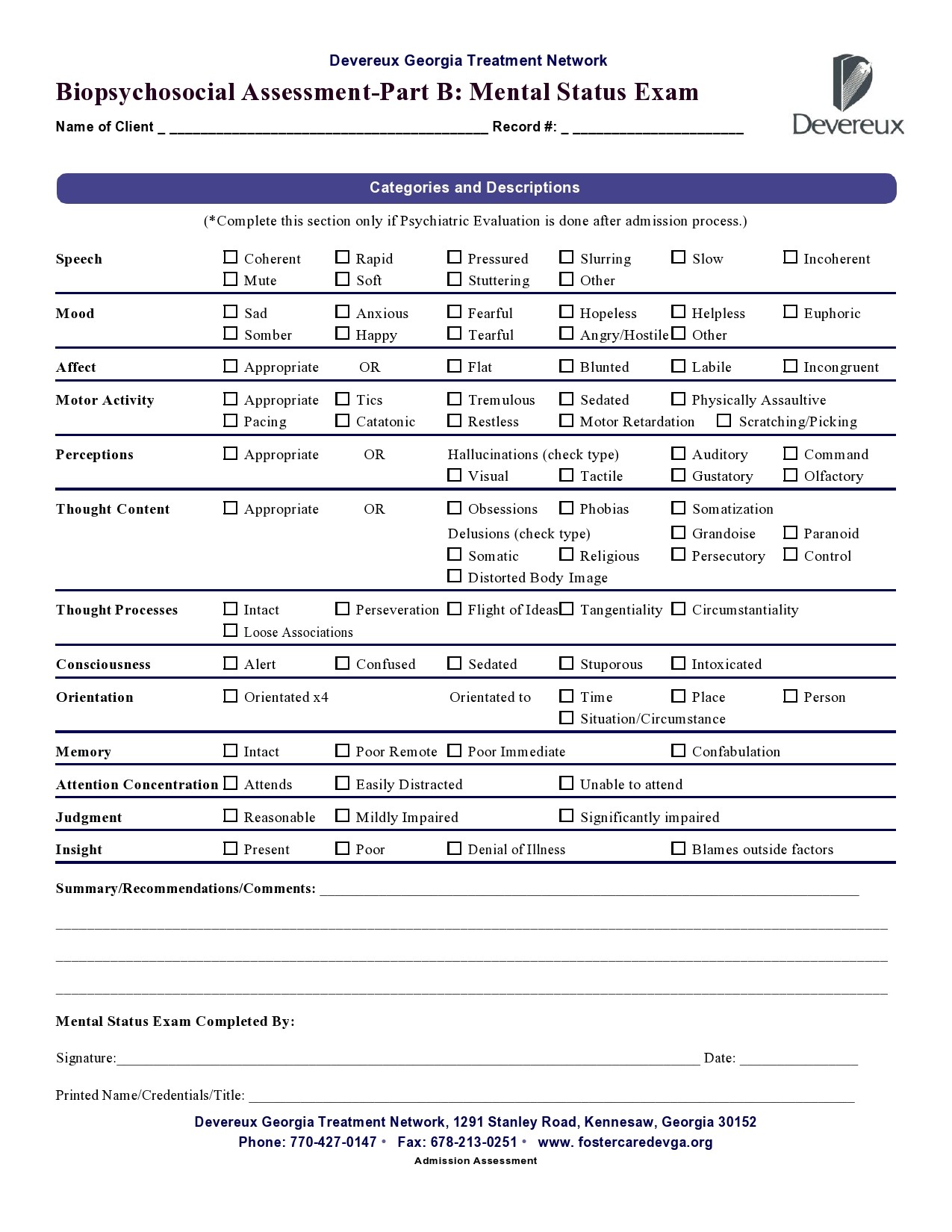
When it comes to understanding an individual’s mental health and cognitive functioning, a mental status exam is a crucial tool used by mental health professionals. This exam provides valuable insights into a person’s current mental state, helping clinicians make accurate diagnoses and develop appropriate treatment plans. In this comprehensive guide, we will delve into the what, why, what to include, how to conduct, and tips for successful completion of a mental status exam.
What is a Mental Status Exam?
A mental status exam, also known as a psychiatric evaluation, is a structured assessment of an individual’s mental health and cognitive functioning. It involves evaluating various aspects of a person’s mental state, including their mood, behavior, thoughts, perceptions, and overall cognitive abilities. This exam is conducted by mental health professionals, such as psychiatrists, psychologists, or social workers, to gather information about a person’s mental health and make informed clinical decisions.
Why Conduct a Mental Status Exam?
There are several reasons why a mental status exam is conducted in clinical settings:
- Diagnostic Purposes: A mental status exam helps clinicians diagnose mental health disorders, such as depression, anxiety, psychosis, or cognitive impairment.
- Treatment Planning: The information gathered from the exam aids in developing appropriate treatment plans tailored to the individual’s specific needs.
- Monitoring Progress: Conducting regular mental status exams allows clinicians to track changes in a person’s mental health over time and assess the effectiveness of interventions.
- Legal and Forensic Purposes: Mental status exams may be required in legal or forensic contexts, such as court evaluations or disability assessments.
What to Include in a Mental Status Exam?
A comprehensive mental status exam typically includes the following components:
- General Appearance: Observations about the person’s physical appearance, grooming, and demeanor.
- Mood and Affect: Evaluation of the person’s emotional state (e.g., depressed, anxious) and how emotions are expressed.
- Thought Process: Assessment of the person’s thought content, coherence, and organization.
- Perception: Exploration of the person’s sensory experiences, such as hallucinations or delusions.
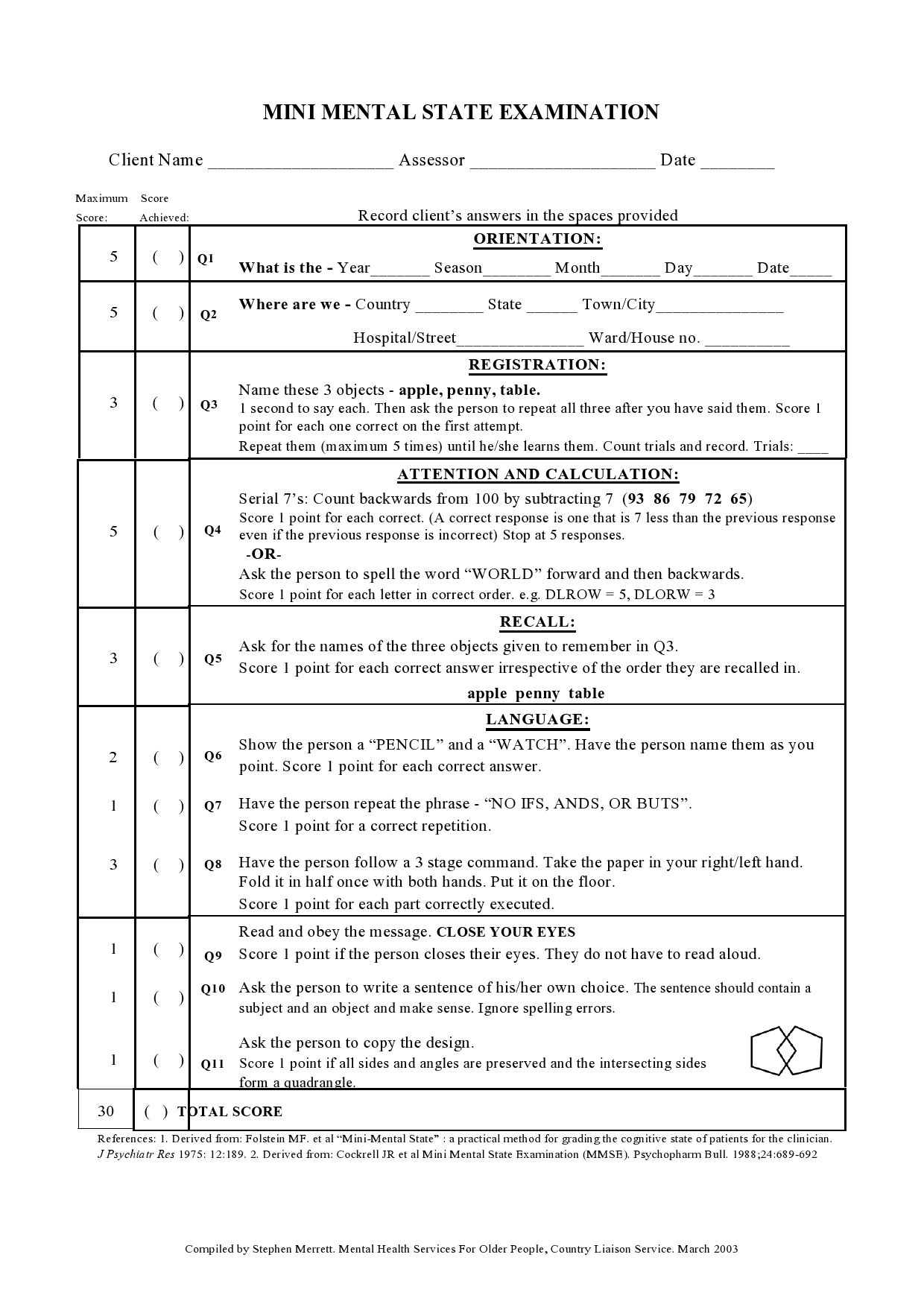
- Cognition: Examination of the person’s cognitive abilities, including memory, attention, and executive functioning.
- Insight and Judgment: Assessment of the person’s awareness of their mental health condition and ability to make sound decisions.
Examples
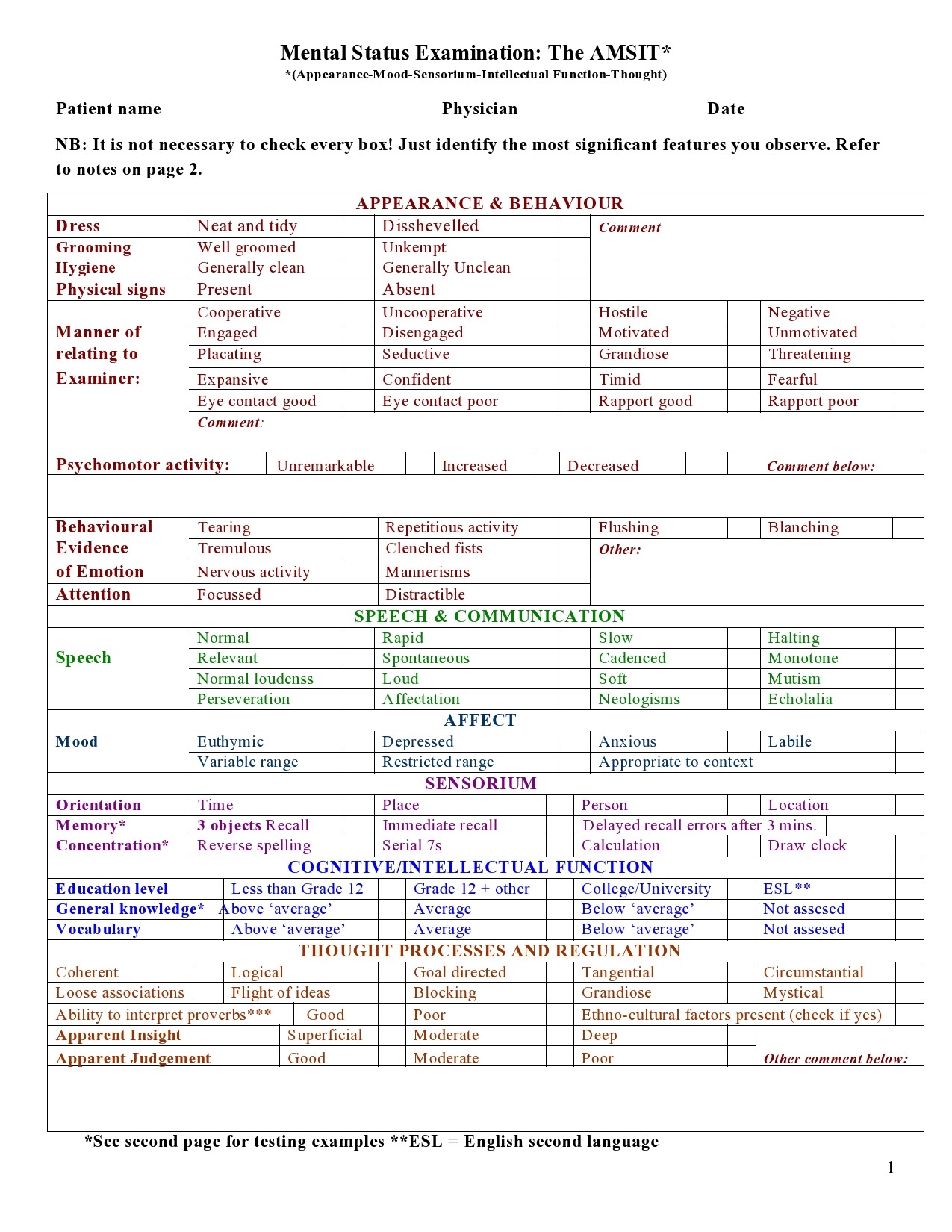
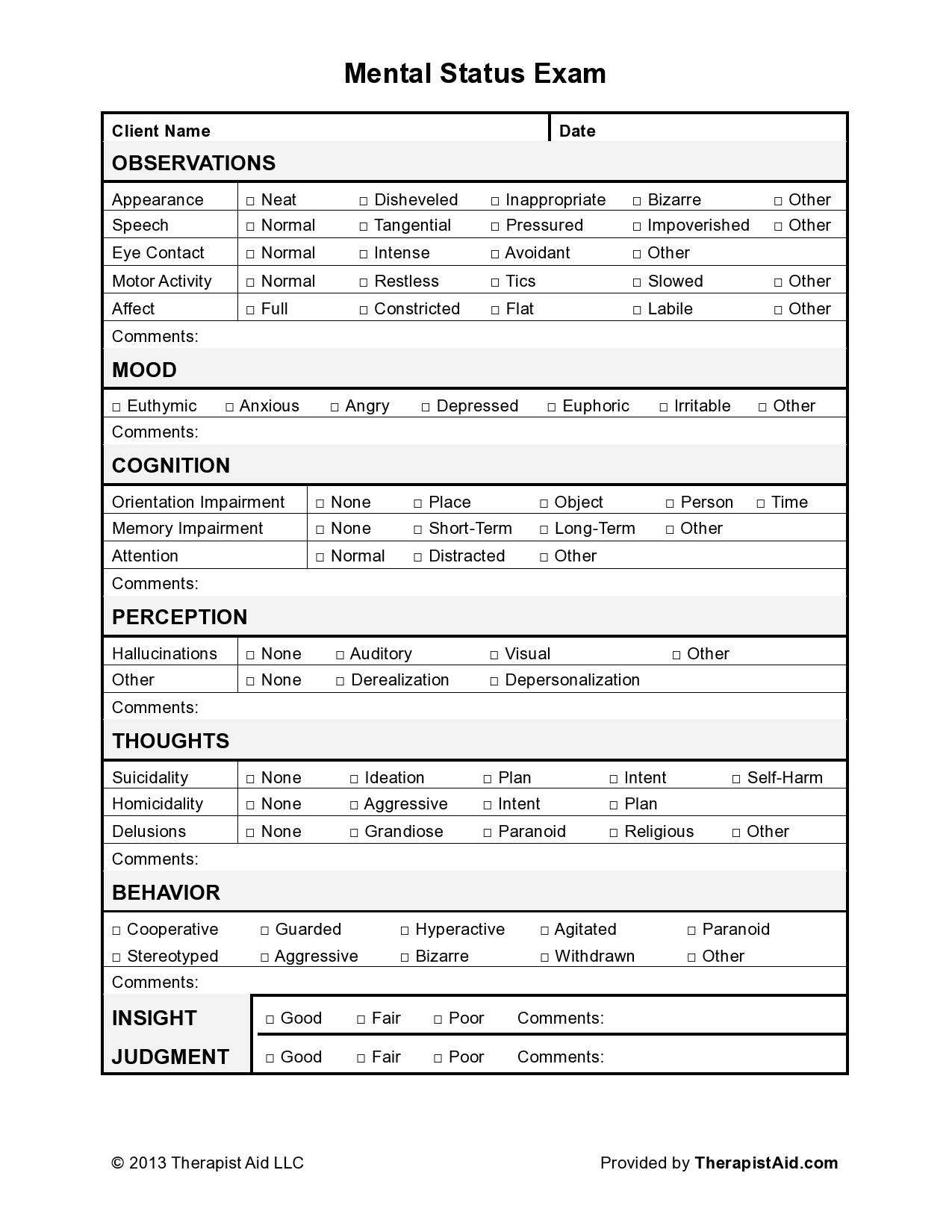
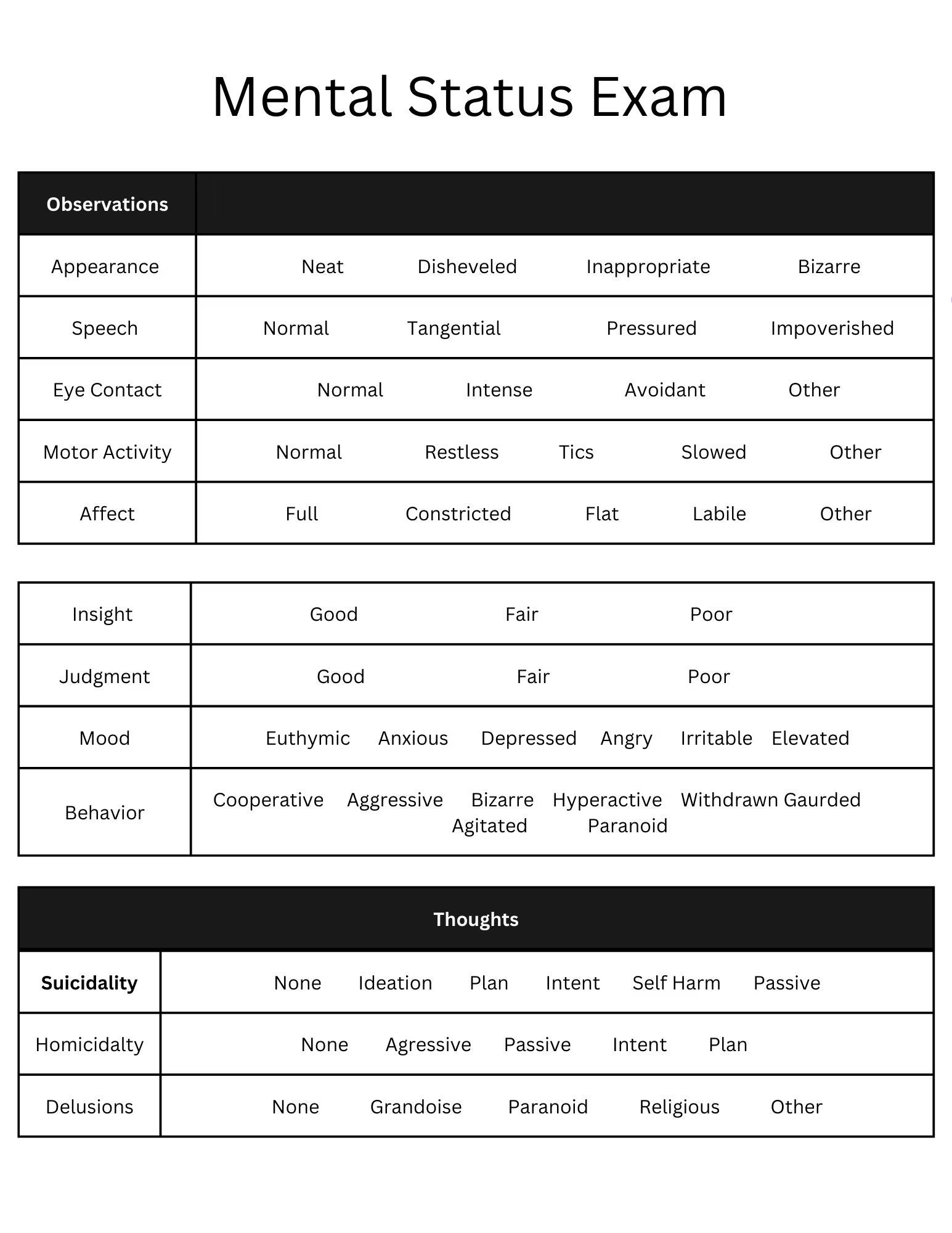
How to Conduct a Mental Status Exam?
Conducting a mental status exam requires a systematic and structured approach to gather relevant information about an individual’s mental health. Here are some steps to conduct a mental status exam effectively:
- Establish Rapport: Build a trusting relationship with the individual to create a safe and comfortable environment for the assessment.
- Begin with Open-Ended Questions: Start the exam with open-ended questions to encourage the person to share their thoughts and feelings.
- Observe Nonverbal Cues: Pay attention to the person’s body language, facial expressions, and gestures to understand their emotional state.
- Use Standardized Assessment Tools: Incorporate validated assessment tools, such as rating scales or questionnaires, to supplement the exam.
- Document Findings: Record detailed observations and assessment results accurately in the person’s medical records for reference and treatment planning.
Tips for Successful Mental Status Exam
Here are some tips to ensure a successful mental status exam:
- Be Attentive and Empathetic: Listen actively and show empathy towards the person being assessed.
- Remain Nonjudgmental: Avoid making assumptions or passing judgment during the exam.
- Practice Cultural Sensitivity: Consider the person’s cultural background and beliefs when conducting the exam.
- Seek Consultation if Needed: Consult with colleagues or supervisors for guidance in complex cases or when unsure about the assessment findings.
Conclusion
A mental status exam is a valuable tool in assessing an individual’s mental health and cognitive functioning. By conducting a thorough and structured exam, mental health professionals can gather essential information to make accurate diagnoses and develop effective treatment plans. Remember to approach the exam with empathy, cultural sensitivity, and professionalism to ensure a successful assessment process.
