In the world of project management, staying organized and on top of potential problems is crucial to success. One tool that can help keep projects on track is the issue log. But what exactly is an issue log, and how can it benefit your projects? In this comprehensive guide, we’ll dive into the what, why, what to include, how to, and tips for successful issue log management.
What is an Issue Log?
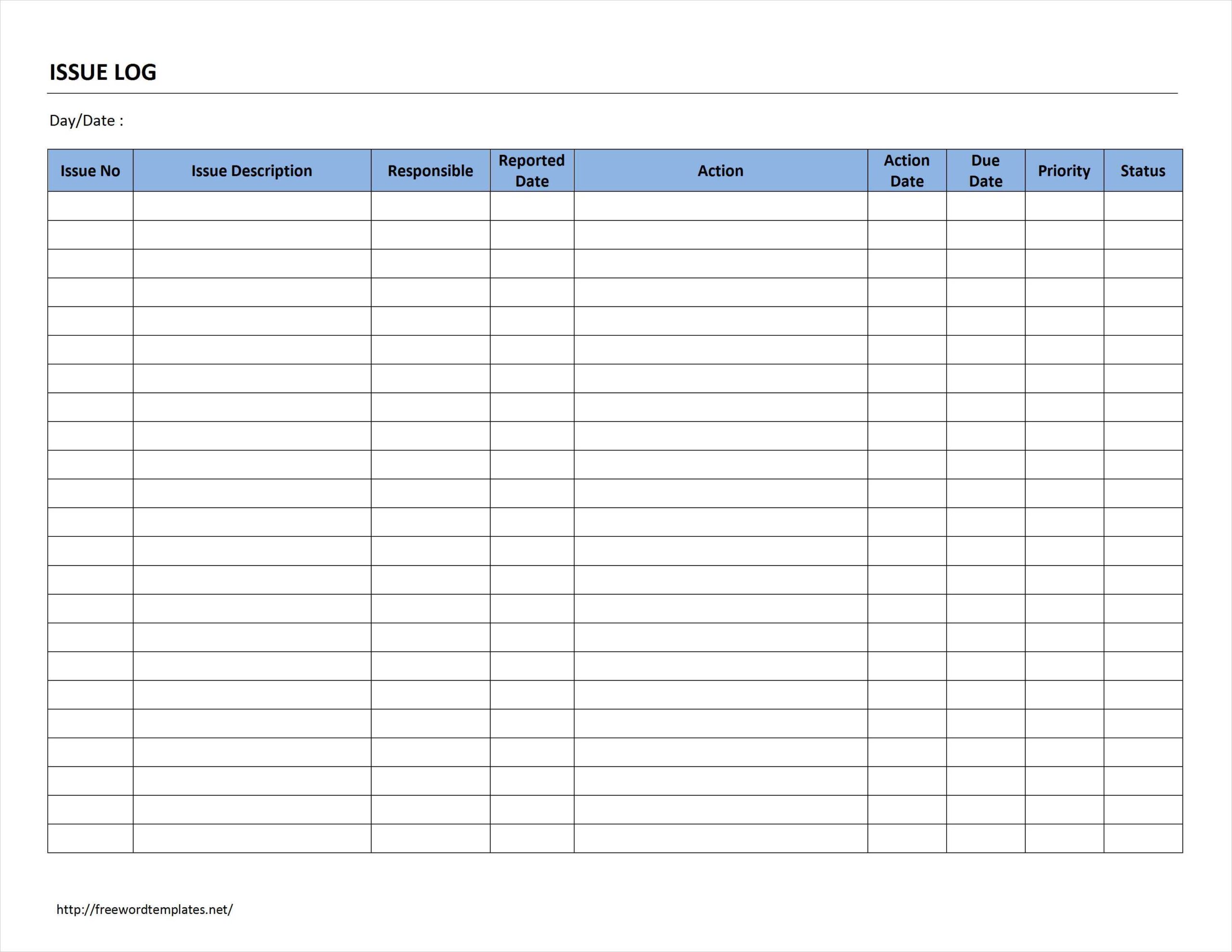
An issue log is a document or tool used by project managers to track and manage any problems or challenges that arise during a project. It serves as a central repository for recording, monitoring, and resolving issues in a systematic way. The issue log helps project teams stay organized, ensure accountability, and communicate effectively about potential roadblocks.
When an issue is identified, it is logged in the issue log along with relevant details such as the description of the problem, the impact on the project, the assigned owner, and the status of the resolution. By keeping all issues in one place, project managers can prioritize and address them in a timely manner, minimizing disruptions and delays.
Why Use an Issue Log?
The use of an issue log offers several benefits to project teams. First and foremost, it provides visibility into potential risks and challenges, allowing teams to proactively address issues before they escalate. By documenting issues as they arise, project managers can track trends, identify recurring problems, and implement preventive measures for future projects.
Additionally, an issue log promotes accountability and transparency within the team. Each issue is assigned an owner who is responsible for resolving it, ensuring that problems are not overlooked or forgotten. The issue log also facilitates communication among team members, stakeholders, and external partners, fostering collaboration and alignment on issue resolution.
What to Include in an Issue Log
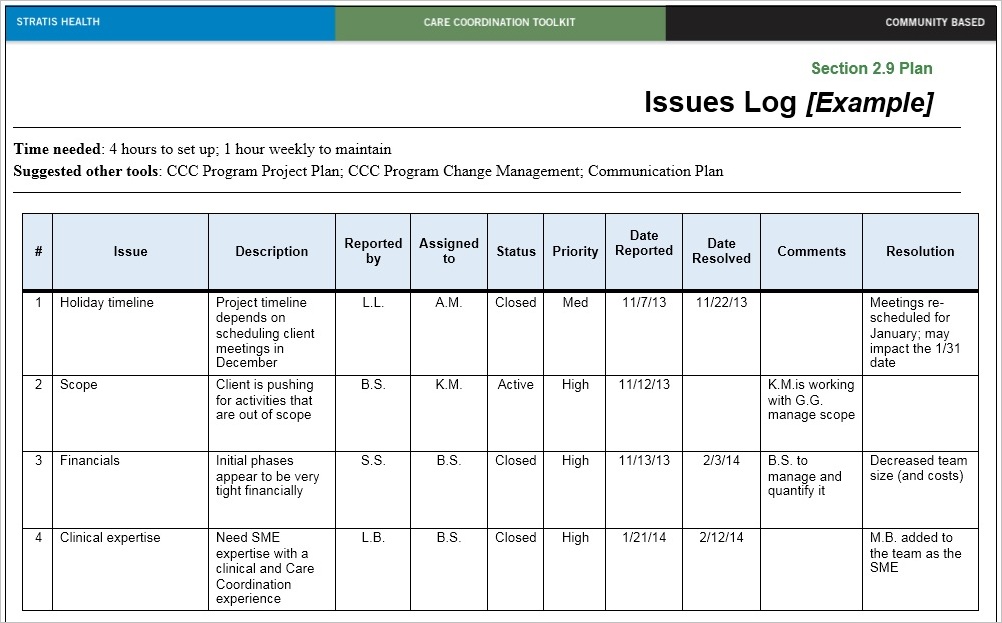
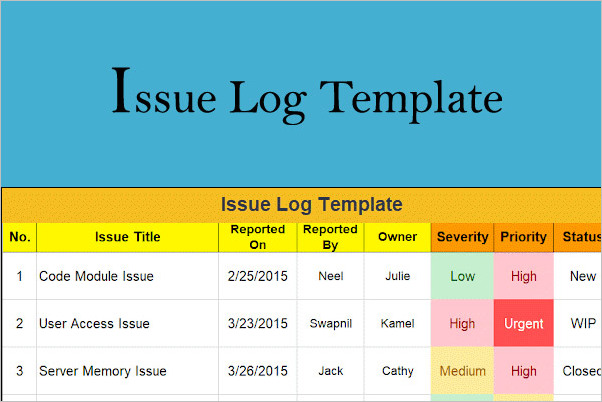
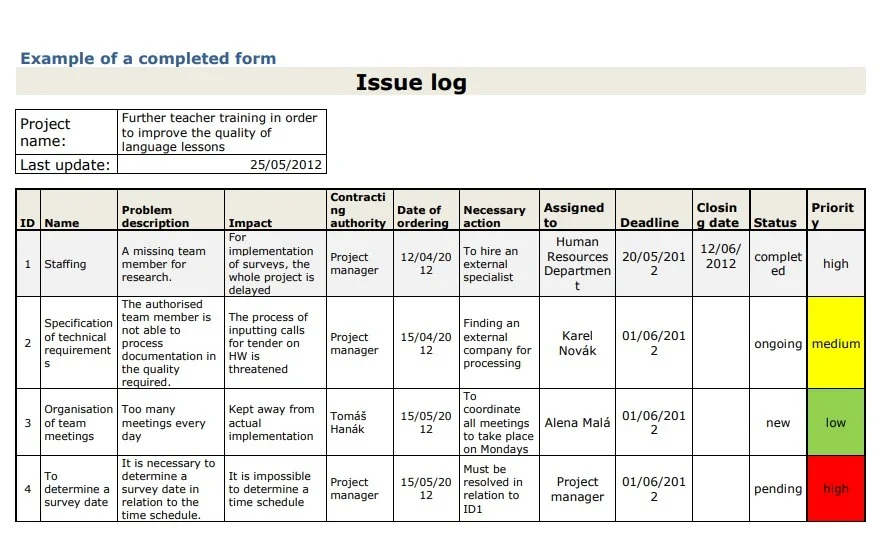
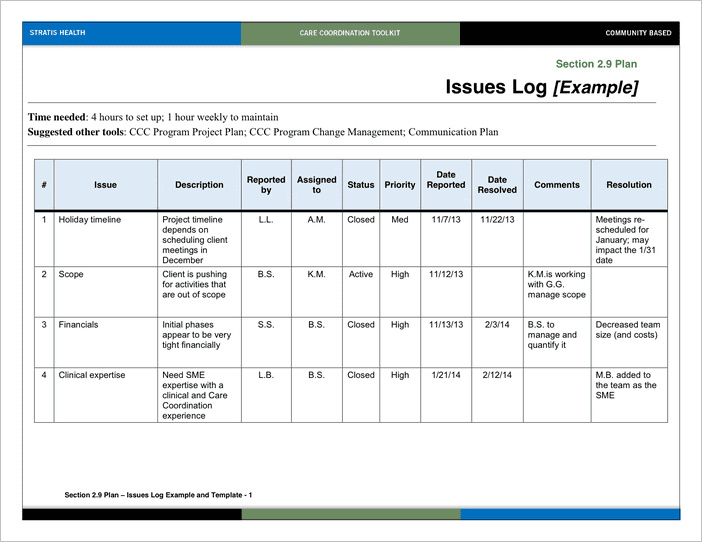
When creating an issue log for your project, it’s important to include the following key elements:
- Description: Clearly describe the issue or problem in detail.
- Impact: Identify how the issue affects the project scope, schedule, budget, or quality.
- Owner: Assign a responsible individual to address and resolve the issue.
- Status: Track the progress of the resolution, from open to closed.
- Priority: Rank the severity and urgency of the issue to prioritize resolution efforts.
- Resolution: Document the actions taken to resolve the issue and prevent recurrence.
- Due Date: Set a deadline for resolving the issue to ensure timely action.
- Comments: Allow team members to provide updates, notes, or additional information related to the issue.
How to Manage an Issue Log
Managing an issue log effectively requires a structured approach and consistent communication among team members. Here are some steps to help you streamline issue log management:
1. Establish Clear Processes: Define clear guidelines for logging, tracking, and resolving issues to ensure consistency and accountability.
2. Regularly Update the Log: Update the issue log in real-time as new issues arise or existing ones progress to keep all stakeholders informed.
3. Hold Regular Reviews: Conduct regular meetings to review the issue log, discuss priorities, and assign actions for issue resolution.
4. Follow Up on Resolutions: Ensure that assigned owners are following through on resolving issues and provide support as needed.
5. Use Reporting Tools: Utilize project management software or tools to generate reports, track trends, and analyze the effectiveness of issue resolution strategies.
Tips for Successful Issue Log Management
To make the most of your issue log and maximize its impact on project success, consider the following tips:
- Be Proactive: Anticipate potential issues and risks before they become major problems.
- Communicate Effectively: Keep all team members informed about issues, resolutions, and action plans.
- Prioritize Urgent Issues: Focus on resolving high-priority issues that have a significant impact on project delivery.
- Document Lessons Learned: Capture insights from issue resolution to improve processes and prevent similar issues in the future.
- Seek Stakeholder Input: Involve stakeholders in issue resolution discussions to gain diverse perspectives and ensure alignment on solutions.
- Empower Team Members: Encourage team members to take ownership of issues and contribute to problem-solving efforts.
- Review and Update Regularly: Periodically review and update the issue log to reflect the current status of all issues and maintain accuracy.
By implementing an issue log and following best practices for its management, project managers can enhance project visibility, mitigate risks, and improve overall project outcomes. With a well-maintained issue log in place, project teams can navigate challenges with confidence and drive successful project delivery.
